
Environment law reform explainer
Top 10 questions answered
At our recent webinar – Our Nature Laws: what will it take to fix them? – hundreds of people came together to hear about reforming Australia’s most important environment laws, the EPBC Act.
We covered a lot (recap here), but plenty of excellent questions didn’t make it to the floor.
Here, we’ve pulled together your top 10 questions, focused on the four most urgent reform priorities we need right now.



1. Why are nature laws important and how do they work?
The Environment Protection and Biodiversity Conservation Act (EPBC) is Australia’s national nature law.
It’s meant to protect “matters of national environmental significance” – like threatened species, World Heritage sites, wetlands, migratory species, Commonwealth marine areas and important ecological communities.
In theory, it works by requiring anyone – developers, farmers, or industry – to refer plans that could significantly impact these nationally important wildlife, plants and places to the federal Environment Minister. The Environment Minister then decides whether the project should be assessed under the Act, and if so, decides whether to approve or refuse the project, including what limits or conditions apply. But in practice, too often it falls short. Political discretion, legal loopholes, weak laws and poor oversight mean damaging projects are often approved – or aren’t referred at all.
The bottom line is: decisions under the Act shape whether large-scale land clearing, coal mines, gas fields, major developments and industrial projects go ahead.

“The act is really meant to be the safety net that stops unacceptable destruction. But it's also the law that decides whether major projects like coal mines, gas fields, native forest logging and large-scale developments like industrial salmon farms can proceed.”
— EJA Co-CEO, Nicola Rivers

2. Why is reform so urgent?
Because the current EPBC Act isn’t stopping destruction, and our nature and climate are paying the price.
The laws were introduced by the Howard Government in 1999 – at a time when fears about Y2K felt more urgent than the climate crisis. In the years since, hundreds of coal and gas projects have been waved through, and millions of hectares of threatened species habitat have been cleared. Weak laws mean nature keeps slipping through the cracks.
Australia is one of just 17 megadiverse countries – home to plants and animals found nowhere else (koalas, platypus, cockatoos... the list goes on). Yet we have the highest rate of biodiversity loss of any developed nation.
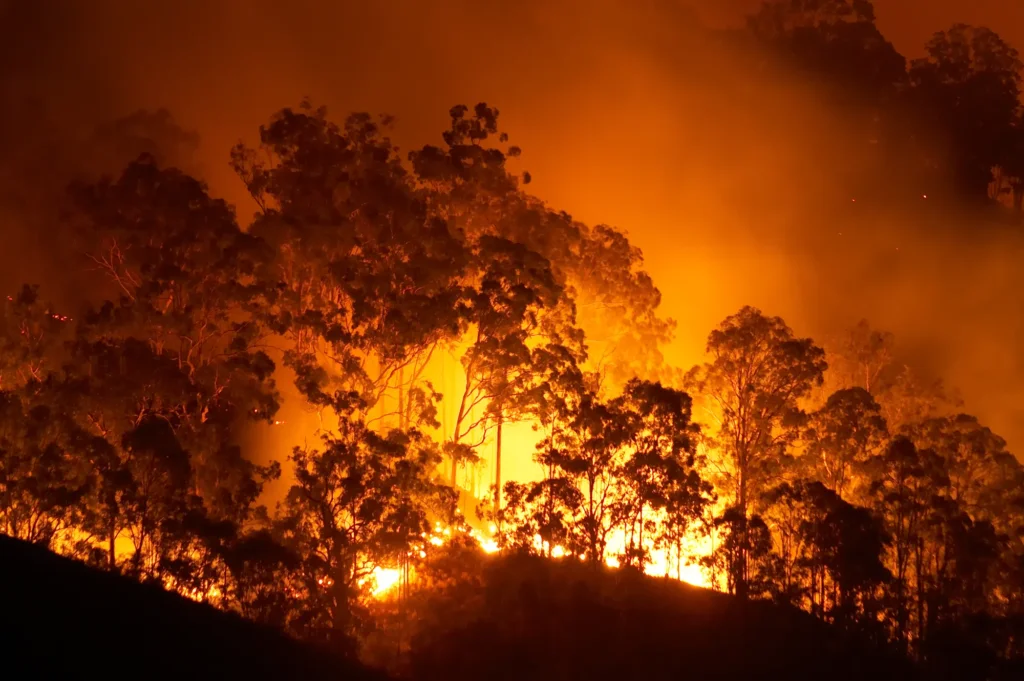
We’re also a major global polluter: once fossil fuel exports are counted, Australia ranks as the world’s second-biggest climate polluter. Australia is already experiencing ferocious fires, floods, algae blooms, reef bleaching and ecosystem collapse – driven by fossil fuels damaging our climate. Yet during the last 25 years under the EPBC Act, at least 750 fossil fuel projects have been approved or waved through without even being assessed. 99.9% of fossil fuel projects assessed under the Act have been approved.
Without strong new laws, nature’s decline will accelerate – and our fossil fuel addiction will keep driving the crisis.

3. What reforms are needed most?
EJA’s environmental lawyers have identified four urgent reforms we need right now:
- Strong National Environmental Standards – clear rules to protect nature, with a “quick no” for unacceptable, irreversible harm.
- End deforestation loopholes – bring native forest logging and land clearing under national law.
- Protect against climate harm – require emissions disclosure, assess climate risk, and stop greenlighting high-polluting projects.
- An independent Environment Protection Australia (EPA) – a national watchdog with teeth, enforcing the rules and making decisions based on evidence, not politics.
New laws must also respect First Nations rights and leadership – embed Free, Prior and Informed Consent, and reflect the authority, knowledge and leadership of First Nations peoples in decisions that affect Country. This means a strong First Nations Engagement Standard, recognition of cultural heritage and law as essential to caring for Country, and genuine involvement of Traditional Owners from the start of project planning.

4. What are “national environmental standards” and why do we need them?
“National environmental standards” are the centrepiece of essential reforms urged by Professor Graeme Samuel’s 2020 comprehensive review of the EPBC Act.
They describe a comprehensive set of clear, legally enforceable expectations about outcomes for nature, that would guide all decisions under the EPBC Act. These rules would set the expected environmental outcomes for things that must be protected – like threatened species habitat, rivers and wetlands, forests and cultural heritage – and translate this through to process so destructive projects can’t slip through the cracks.
Australia has national standards for seatbelts and baby gear, food safety, plumbing, pharmaceuticals, transport and virtually every other major industry. Yet not for protecting nature. These standards would refocus the EPBC Act on ensuring nature is better off, and link into the existing Act to ensure clear requirements and consequences for non-compliance.
Right now, these rules don’t exist for nature.
Environmental lawyers and green groups are calling for clear, enforceable nature protection – while fossil fuel and big agriculture lobbyists are pushing for fast-track approvals. It’s worth noting – like many of our reform asks, the devil is in the detail. Weak standards will simply rubber-stamp destruction, while strong standards will actually protect nature from harm. The choice will determine whether these standards protect nature, or allow business as usual. These standards must also recognise and uphold First Nations cultural heritage, law and knowledge. Without this, the standards will fail to protect Country in the way that’s needed.

5.How would an independent EPA make a difference?
Right now, environment ministers make the final call on projects.
Like approving coal mine expansions. Too often, those decisions are political, inconsistent, and out of step with community expectations about nature protection. To make matters worse, companies get to self-refer projects for assessment, meaning many damaging proposals slip through entirely. Although States, Territories and the Commonwealth have powers to refer or “call in” projects for assessment, these are rarely used.
When the community raises concerns about potential breaches of the Act, they are then sidelined from understanding how their concerns are resolved. Enforcement under the Act doesn’t do enough to reputationally or financially discourage non-compliance which enables illegal nature destruction.
An independent national environmental protection agency (EPA) could change that. A true watchdog – like ASIC for companies or the Fair Work Commission for employers – would make decisions based on science, enforce the law, and hold corporations accountable. With real compliance powers and independence from politics, a federal EPA could stop the gap caused by self-referral and make decisions based on science, not vested interests.
But there’s no point creating an EPA that looks good in a headline but has no teeth. The real risk is an EPA in name only – one that politicians can override, or that lacks the power to make binding decisions. Without true independence, adequate resources and a clear mandate to assess and approve projects, enforce standards and stand up to political pressure, there’s a real risk an EPA won’t be a watchdog – just a lapdog.
6.What’s to stop future governments stacking an independent EPA?
Strong guardrails need to be written into the law.
Things like clear expertise requirements, transparent appointment processes, and strict limits on ministerial intervention. That’s how we make sure the regulator stays independent and credible.
Other reforms are also essential – making it clearer when nature destruction is unacceptable and can’t be approved, and improving access to information about decision-making processes, will appropriately constrain the discretion of any future EPA.
7. Where does climate change come in?
The EPBC Act is silent on climate change.
That means projects with significant emissions can still be approved, with no clear requirement to assess or address the climate consequences for species, ecosystems and communities.
New laws must require every project to disclose climate emissions (totally, not just their local emissions!) and be judged for their climate risk – so we stop making the crisis worse. New laws should mean that projects are refused if they have unacceptable climate risks to nature, or are inconsistent with Australia’s domestic and international climate obligations.
8. What about deforestation, logging and landclearing?
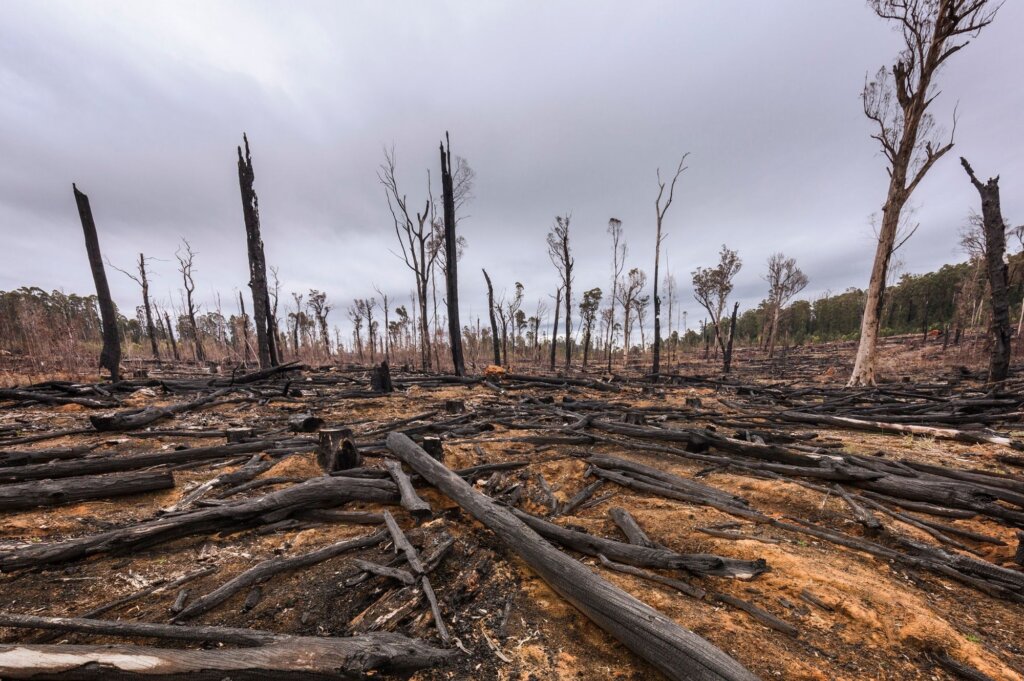
Right now, loopholes in the EPBC Act let native forest logging and large-scale land clearing avoid assessment altogether.
Thanks to exemptions that mean they never even get referred. That’s why we’re calling for those exemptions to be scrapped – and for all forests and critical habitats to be protected by strong national standards. Compliance, monitoring and enforcement needs to be enhanced to detect and prevent illegal land clearing.

9. What's the role of States and Territories?
The federal government must stay responsible for matters of national significance.
Leaving it to the States and Territories without strong national standards risks a patchwork of weak, inconsistent protections. Cumulative and cross-border impacts of projects on threatened species and habitats cannot be dealt with by individual State and Territory environmental systems that are not built to focus on matters of national environmental significance. Plus States and Territories are often involved in funding or planning projects, creating conflicts of interest.
States and Territories cannot be delegated project approval powers. The EPA must have the job of holding up the national environmental standards, including in project approvals.

9. What can I do?
Reform is moving quickly, with draft laws expected before the end of the year.
The most powerful way to influence the outcome is public pressure. Industry lobbyists are loud, but MPs and Senators need to hear directly from their constituents that Australians want strong, enforceable laws for nature – not weak reforms or more subsidies.
Together, we can make this the turning point our environment needs.
Write to your Labor representative
Right now, the Albanese government is making the most important changes to our national environment laws in a generation.
What’s decided in the next few weeks could lock in the rules that govern nature protection for decades.

“I do know that numbers matter. The numbers of people that approach politicians matters. So I would encourage people to take that opportunity to actually write a letter and an individual letter, even if you use a lot of the information that you'll get from EJA, make it your own. Speak to their heart. We don't want AI decisions. We want decisions made from the heart to save the planet, save the people, save our places and animals.”
Christine Carlisle, Environment Council of Central Queensland
“I think there's absolutely, huge value in contacting local MPs at the moment… It's one of the most important things you could do. Because it's the best way to get into that decision making cycle as a community member… These laws are critical for all of us, and it is absolutely your right to tell your government what you want.”
EJA Co-CEO, Nicola Rivers

Explore more of our work


Make a difference
Help power more game-changing court cases and urgent legal actions for the people and places you love.
Our financials
We have a long-standing commitment to sound fiscal management, accountability and transparency.
We encourage you to investigate before you donate.
Join us
The law is a powerful tool to disrupt the status quo and make governments and corporations accountable.
Join us and let's build a radically better world.