
Hold onto your hats
Nature law reform
Here we are again, trying to fix Australia’s broken environment laws.
But this time there's no community consultation. No transparency. And it's moving at breakneck speed.
Unsurprisingly, industry voices are loud.
Developers, fossil fuel lobbyists and big ag have direct access to decision makers and are pushing to weaken climate and environment protection.
Will we finally get national environment laws that address climate change?
Will Australia's laws end logging loopholes and curb deforestation?
Will they put decisions in the hands of an independent, science-backed body – or hand them over to politicians and AI?
With the Albanese government moving fast to finalise reforms to the EPBC Act, what happens in coming weeks could lock in the rules that govern nature protection in Australia for decades.
Leaked Treasury documents reveal the federal department recommends a ‘national artificial intelligence plan’ to speed up environmental approvals – letting AI algorithms, not experts, decide whether a project can bulldoze a forest or drain a wetland.
Meanwhile the government is sitting on its own climate risk assessment – described as “intense and scary” – that shows how unprepared we are for the floods, heatwaves and fires already on our doorstep.
Here's where things stand:
- The direction of reform is still undecided – but moving fast.
- Labor can pass laws with support from either the Greens or the Liberal Party.
- And once again, the strength of these laws will depend on community pressure.
What’s decided in the next few weeks could lock in the laws that govern nature protection for decades.
This is a critical moment to regroup, refocus and make sure the next version of these Australia's laws delivers real protection for our communities, our climate and environment.

The story so far
How we got here
Shortly after taking office in 2022, then Environment Minister Tanya Plibersek released the State of the Environment Report. It confirmed what many already knew: Australia’s ecosystems are collapsing, biodiversity loss is accelerating, and our existing laws are not doing their job to protect nature.
Reflecting on the landmark 2020 independent review of our national nature laws, which found they were failing across the board – Plibersek committed to “fundamental reform” of our broken nature laws.
But instead of bold action, we got a reform process chopped into three slow-moving parts:
- Stage 1: The controversial Nature Repair Market and an expansion of the water trigger. It passed.
- Stage 2: The EPA and data reforms – delayed for over a year, then stalled in the Senate.
- Stage 3: Meant to tackle the most serious flaws in the existing laws and establish national standards, better assessment processes, and a process for First Nations engagement and consultation – was given no clear timeline.
FAST FORWARD
What's happening now
This time, the reform process is moving fast – and out of sight. So far there's no community consultation. Leaks to media, but little transparency.
Industry lobbyists are pushing for “streamlined”, AI-accelerated approvals to bulldoze forests, drain rivers, and burn more fossil fuels.
And the government is sitting on its own climate risk assessment — described as “intense and scary” — showing just how unprepared Australia is for worsening floods, heatwaves, and fires.
Instead of tackling the crisis, the old playbook is back: pit the environment against housing.
It’s politically convenient because it casts environmental protection as a luxury that comes at the expense of our housing needs, rather than a precondition for meeting them.
... as if we can’t have affordable homes and clean air, safe water, living ecosystems and a stable climate.

The stAKES
Meanwhile, nature still in crisis
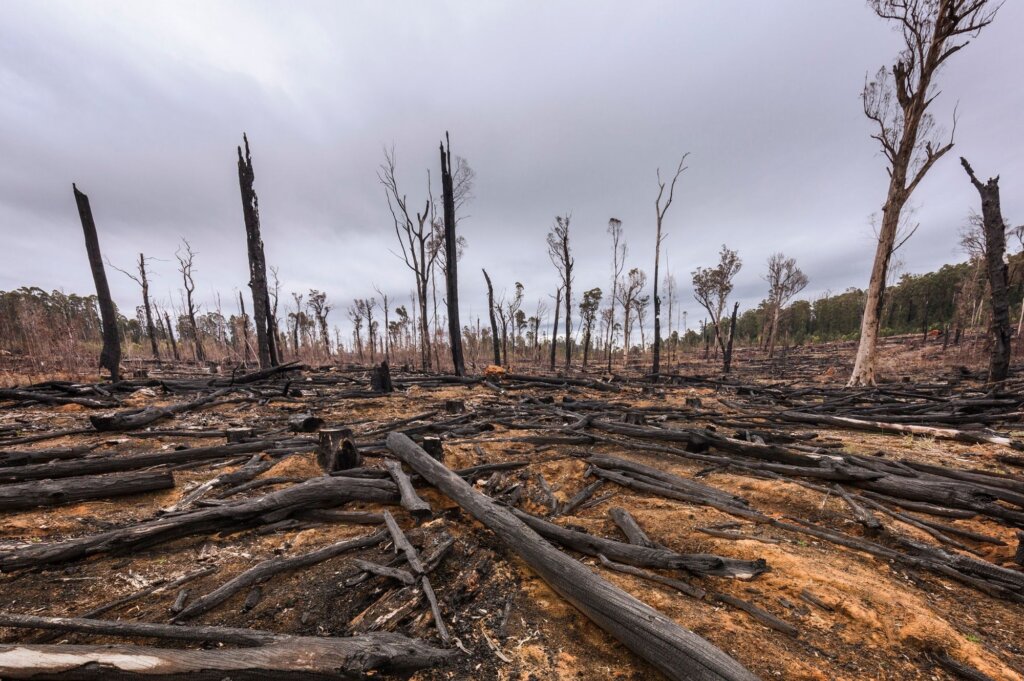
While the politics of reform have dragged on the crises haven’t paused.
Queensland
The Great Barrier Reef is struggling to recover after the worst mass bleaching event on record, the fifth major outbreak in just eight years, with damage stretching more than 1,000km from Townsville to Cape York.
New South Wales
A new report has revealed that the health of rivers, wetlands, and native fish continue to decline. Alarmingly, fish kills have more than tripled in recent years with an average of 69 fish kills annually.
Victoria
Despite the state-wide native forest logging ban – trees are still falling with logging companies now targeting private land. This is allowed to continue without assessment under national nature laws.
South Australia
A massive toxic algal bloom, fueled by marine heatwaves and nutrient runoff, has killed more than 13,800 marine animals, from sea dragons to sharks. It’s suffocating critical ecosystems and spreading into Ramsar wetlands.
Northern Territory
A developer was caught illegally clearing threatened savanna woodland, habitat known to support the endangered Gouldian finch and of critical importance to Traditional Owners. They received only a minor fine
Western Australia
Minister Watt has indicated he intends to approve Woodside’s North West Shelf project under our existing national environment laws to continue operating until 2070. This extension would contribute almost 4 billion tonnes of greenhouse gas emissions, most of it released when the gas is eventually burned.
Tasmania
There are plans to expand logging – using logging loopholes to bypass the need for assessment under our national environment laws. Meanwhile, community protests are growing and threatened species are losing their homes.
These aren’t one-off disasters. They’re the symptoms of a broken system. And they’ve all unfolded while we’ve waited for stronger laws.
What's next?
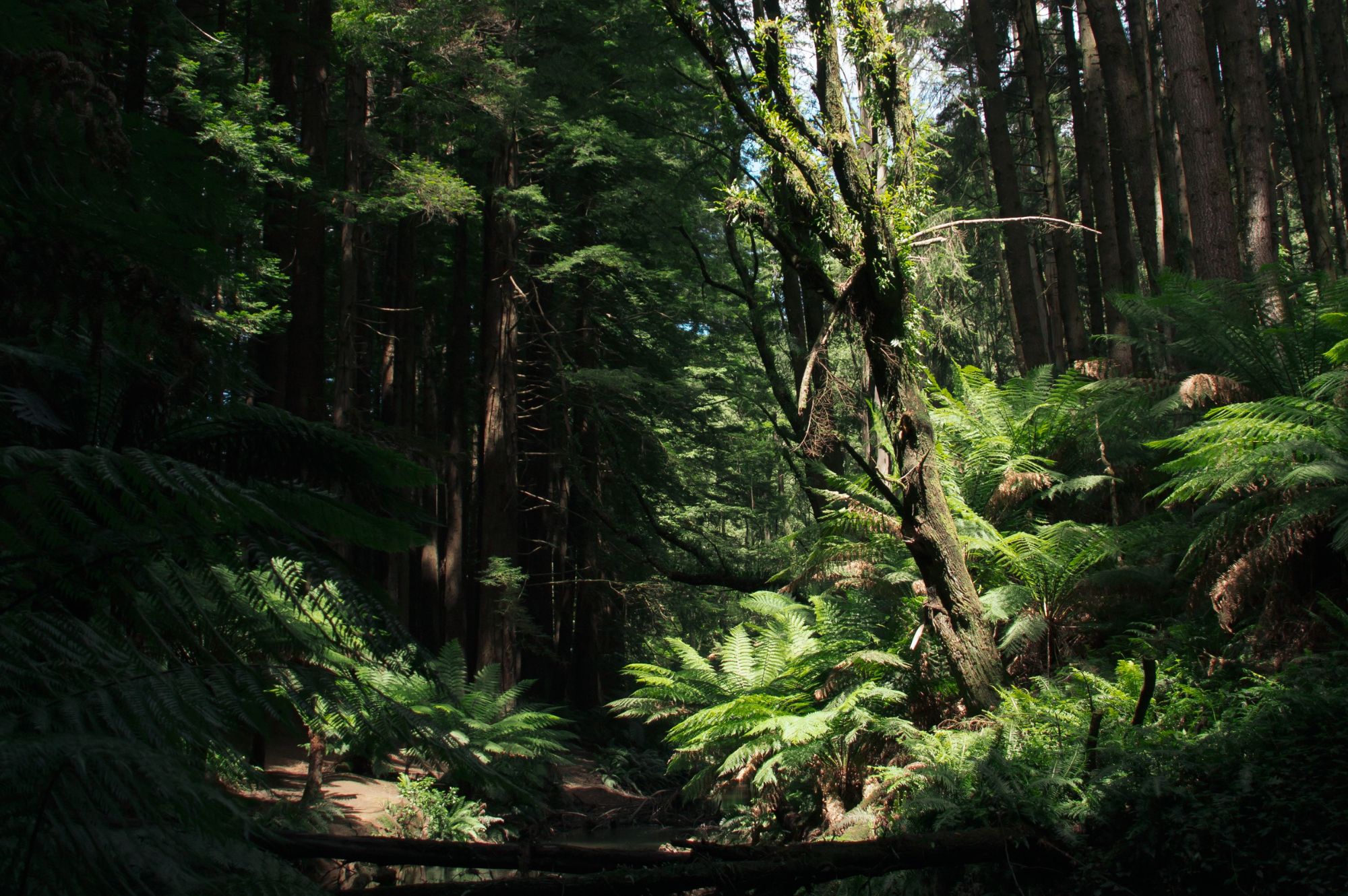
This reform can’t just look good on paper. It has to work on the ground, in our oceans, and our forests.
Our laws need to prevent harm – not just manage destruction and decline. That means:
- No more projects that do serious harm, no more exemptions for logging or land clearing.
- Climate change needs to be part of every decision. No more approvals for projects that fuel the climate crisis. Every decision must consider climate risks and emissions.
- An independent, science-backed body needs to make assessments and decisions – not the politician of the day using AI.
Good laws won’t happen on their own.
It's time for people across Australia to advocate to shape the outcome – not just watch it unfold.
EJA is hosting a live online briefing to unpack the new reform landscape, what’s changed since last time, and how together we can make sure this next phase delivers the real protections our environment desperately needs.
Explore more of our work

Make a difference
Help power more game-changing court cases and urgent legal actions for the people and places you love.
Our financials
We have a long-standing commitment to sound fiscal management, accountability and transparency.
We encourage you to investigate before you donate.
Join us
The law is a powerful tool to disrupt the status quo and make governments and corporations accountable.
Join us and let's build a radically better world.