National law reform briefing
Why this moment matters
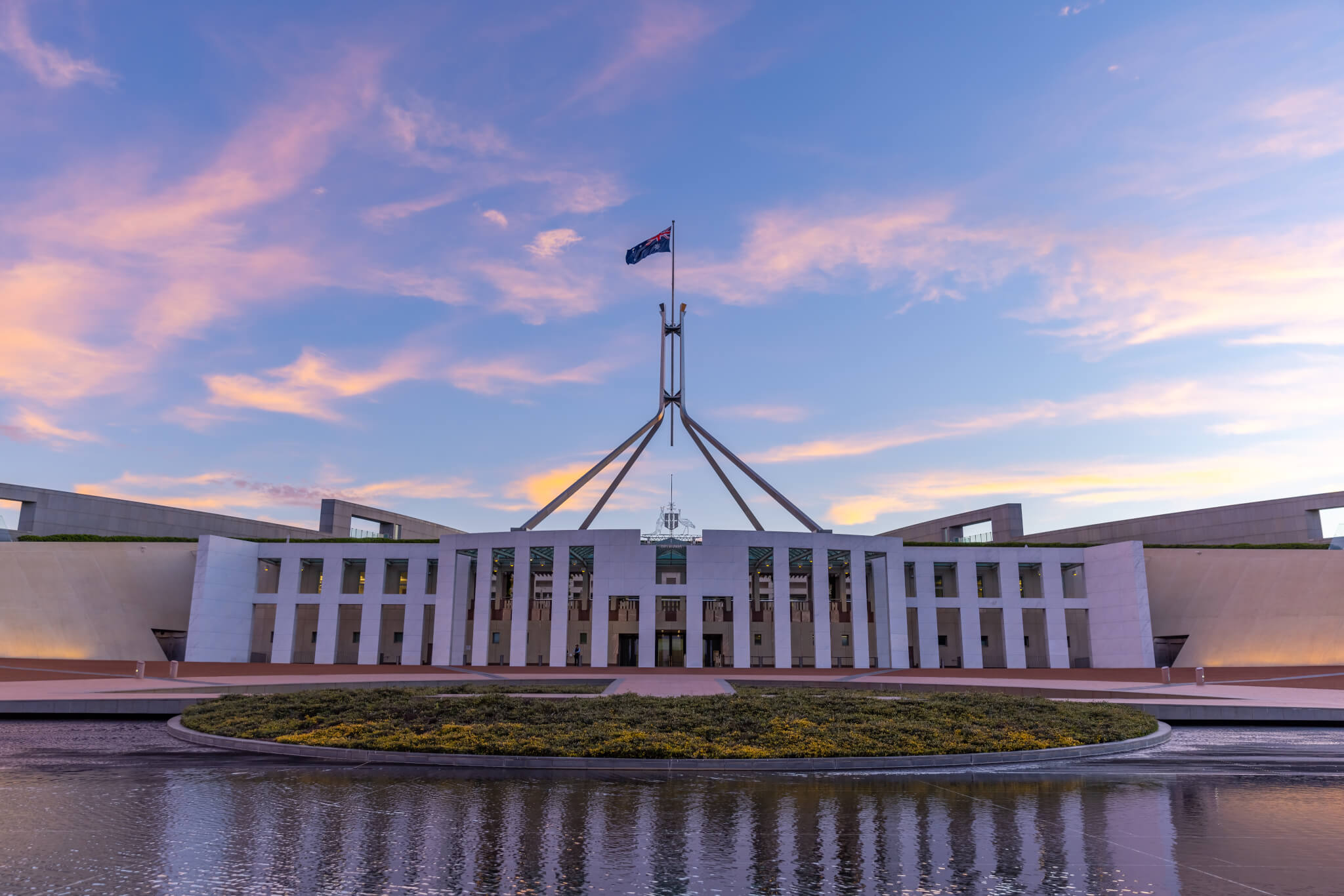
The Albanese government is in the middle of rewriting Australia’s national environment laws, the biggest overhaul in a generation. The choices made in the coming months will set the rules for how nature is protected, or neglected, for decades to come.
Last night, hundreds of nature lovers joined Environmental Justice Australia’s special webinar “Our Nature Laws: what can we do to fix them?” In this briefing, we unpacked why reforming Australia’s most important environment law – the Environment Protection and Biodiversity Conservation (EPBC) Act – is one of the most urgent opportunities of our time.
For those who couldn’t join live, here’s a recap of the key insights.
What is the EPBC Act and why does it matter?
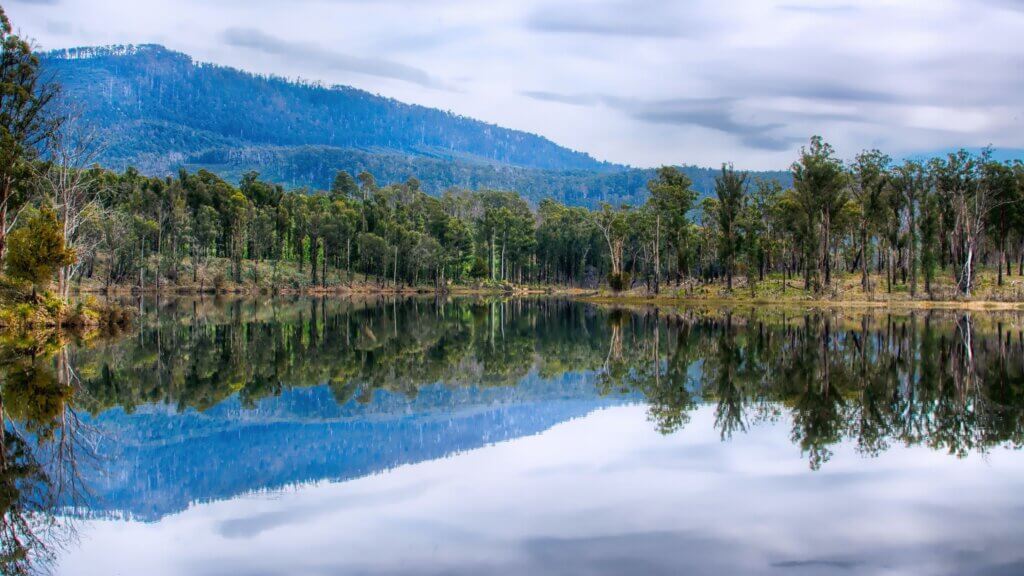
The EPBC Act is the foundation of Australia’s national environment law. It was designed to safeguard the places, species and cultural heritage that are of national significance, from koalas and migratory birds to the Great Barrier Reef and Kakadu.
But as EJA Co-CEO Nicola Rivers reminded us:
“The Act is meant to be the safety net that stops unacceptable destruction. Decisions made under the Act shape the health of our environment and our ability to address the climate crisis and the protection of cultural heritage and the liveability of communities.”

Why reform is so urgent
Professor Brendan Wintle, a leading conservation scientist and Lead Councillor from the Biodiversity Council, highlighted the global significance of Australia’s biodiversity – and the stakes if reform fails:

“Australia is one of just 17 megadiverse nations. More than 90% of our frogs, reptiles and mammals are found nowhere else on the planet. Yet we have the highest rates of biodiversity loss of any developed country, and the second highest rate of biodiversity loss overall.”
— Professor Brendan Wintle
Brendan stressed that without strong laws now, we risk losing even more species and ecosystems, and businesses will also face growing challenges in global markets that demand nature-positive practices.
Community leader Christine Carlisle, from the volunteer group Environment Council of Central Queensland that took the “Living Wonders” climate cases all the way to the High Court, highlighted that this moment is crucial:
“The time for real action on climate change might have been 50 years ago or 20 years ago, but the next best time is now! With the EPBC Act up for review, it can go either way. We need to make sure that it does its job of protecting the environment.”
— Christine Carlisle, Environment Council of Central Queensland


What needs to change
While there are many problems with the current law in need of reform, EJA’s senior specialist lawyer Ellen Maybery set out four top reforms that must be in the new laws:
- Strong, enforceable National Environmental Standards – rules to stop unacceptable, irreversible harm and set clear expectations.
- End deforestation loopholes – closing exemptions that let native forest logging and outdated approvals continue unchecked.
- Protect nature from climate harm – no more green lights for high-emitting projects that fuel destruction.
- An independent Environment Protection Australia – a national watchdog to make decisions and enforce the rules, not politicians.
She also emphasised the need for Free, Prior and Informed Consent from Traditional Owners, ensuring major projects cannot proceed without genuine consultation and respect for cultural rights.
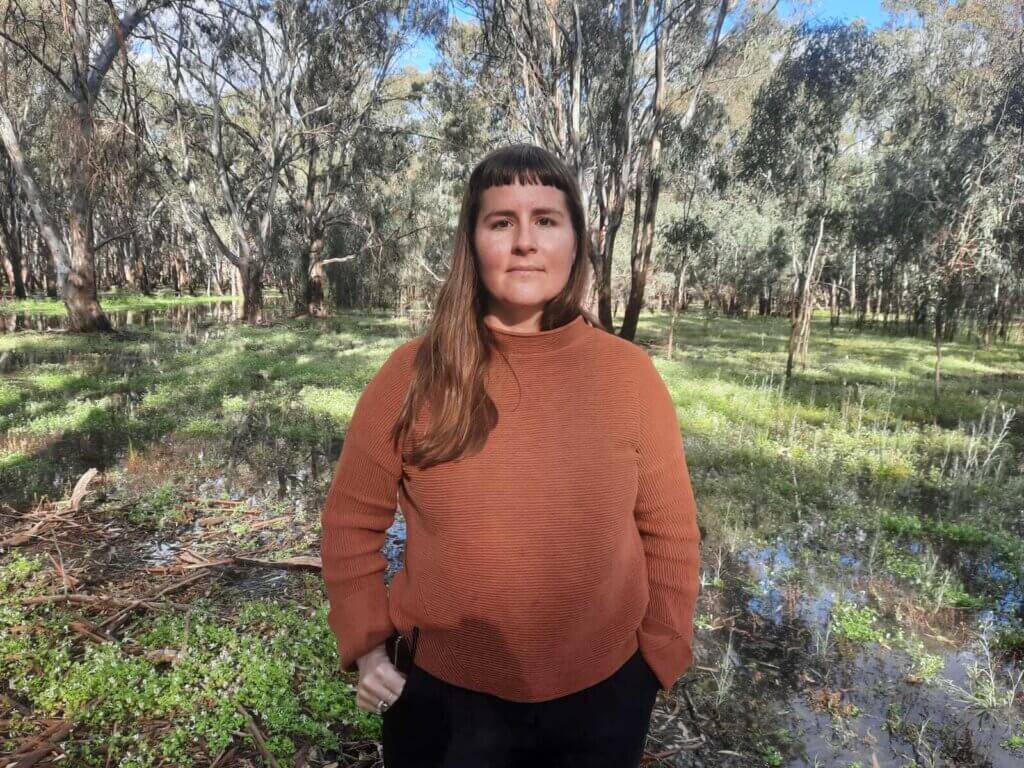
“The crux of what's needed is for the act to be reformed so it lives up to its name: environmental protection and biodiversity conservation.”
— Ellen Maybery, EJA senior specialist lawyer
The power of people
Throughout the evening, one message was clear: change will only happen if the community demands it.
As Nicola concluded:
“Industry voices are loud. The most powerful thing you can do , at the moment, particularly when it's very top of mind in the economic roundtable, is email federal Labor MPs. It shows decision makers that voters want real protections for nature and climate and community.”
— Nicola Rivers, EJA Co-CEO

Christine added a note of encouragement:
“The numbers of people that approach politicians matter. I would encourage people to take that opportunity to actually write a letter and an individual letter… speak to their heart.”
What's next?
This reform moment is now. Environment Minister Murray Watt says he wants a bill before Christmas, which means he is making decisions in the coming weeks that will set the rules for a decade or more.
EJA will continue to share updates and opportunities to take action.
For now, the most impactful step you can take is simple: email your federal Labor MP or Senator and call for strong, enforceable laws that actually protect nature.
While there are many issues with the current EPBC Act, and many reform priorities, right now we think it's most effective for Labor MPs and Senators to hear the call for:
- Strong Environmental Standards
- Laws that protect nature from deforestation
- Laws that protect nature from climate harm
- An independent EPA
By emailing your local representatives, you’ll show decision makers the community is watching closely – and you won’t settle for weak reforms dressed up in good headlines.
Together, we can make sure this is the turning point Australia’s environment needs.