EJA's key asks 2025
Nature laws: top reform priorities
We need a new generation of environment laws that actually protect nature — and the communities who care for it.
Environmental Justice Australia legal experts are calling for:
1. Strong Environmental Standards and rules to protect nature
National standards that protect nature and set expectations, and rules for a "quick no" to stop projects that do unacceptable, irreversible harm.
2. Laws that protect nature from climate harm
No green lights for projects that damage our climate and harm nature. Every decision must consider climate risks – with full disclosure of direct and downstream emissions.
3. Laws that protect nature from deforestation
Remove loopholes and exemptions, apply strong National Environmental Standards, and strengthen compliance and monitoring.
4. An independent EPA
Establish Environment Protection Australia as a strong, independent regulator – automatically responsible for project assessments and approvals, compliance, enforcement and assurance. Don’t let weak State and Territory processes be a substitute.
Scroll down to read why...

Write to your Labor representative
Right now, the Albanese government is making the most important changes to our national environment laws in a generation.
What’s decided in the next few weeks and months could lock in the rules that govern nature protection for decades.
That’s why it’s so important Labor MPs and Senators hear directly from the people they represent. A flood of emails from local constituents will make it clear: Australians expect nature laws that actually protect nature, our climate and communities.
Here's why these reforms are the top priority for EJA legal experts:

1. Strong National Environmental Standards
We're calling for National Environmental Standards to protect nature and set expectations, and rules for a "quick no" to stop projects that do unacceptable, irreversible harm.
WHAT'S THE PROBLEM?
Right now, Australia’s environment laws are failing to stop destruction. Projects that harm threatened species and destroy their critical habitat are routinely approved. There’s no clear legal line that says “this is too damaging – it cannot go ahead,” and no strong, enforceable standards for decisions. Too often, the law permits destruction instead of preventing it.
THE SOLUTION
Australia’s environment laws must set strong National Environmental Standards with clear requirements and outcomes that everyone must follow, to ensure every decision supports healthy ecosystems for people and nature. There must be rules for a “quick no” to stop projects that cause unacceptable, irreversible damage.
More specifically:
- Create strong, legally binding National Environmental Standards that all decisions must follow – including standards for matters of national environmental significance (like threatened species and Ramsar wetlands), First Nations engagement and community participation.
- Clearly define unacceptable impacts and ensure that the most damaging projects are ruled out from the start.
- Embed the mitigation hierarchy in legislation – avoid damage first, don’t just offset it later, legislate limits on when offsets can be used and don’t allow companies to pay to destroy.
- Mandate comprehensive conservation planning and critical habitat protections.
- Be backed by a non-regression principle, so standards can only improve over time – not go backwards.
WHY IT MATTERS
Without clear rules and strong standards, nature will keep being chipped away until there’s nothing left to protect. Strong laws are essential to safeguard the living systems we all depend on – now and for generations to come.
WHAT THIS WILL MEAN
The most damaging projects will be stopped before they start. Every decision will be guided by clear rules designed to protect and regenerate living ecosystems. Threatened wildlife and vital natural systems can recover, thrive and continue sustaining life for generations.
2. Laws that protect nature from climate harm
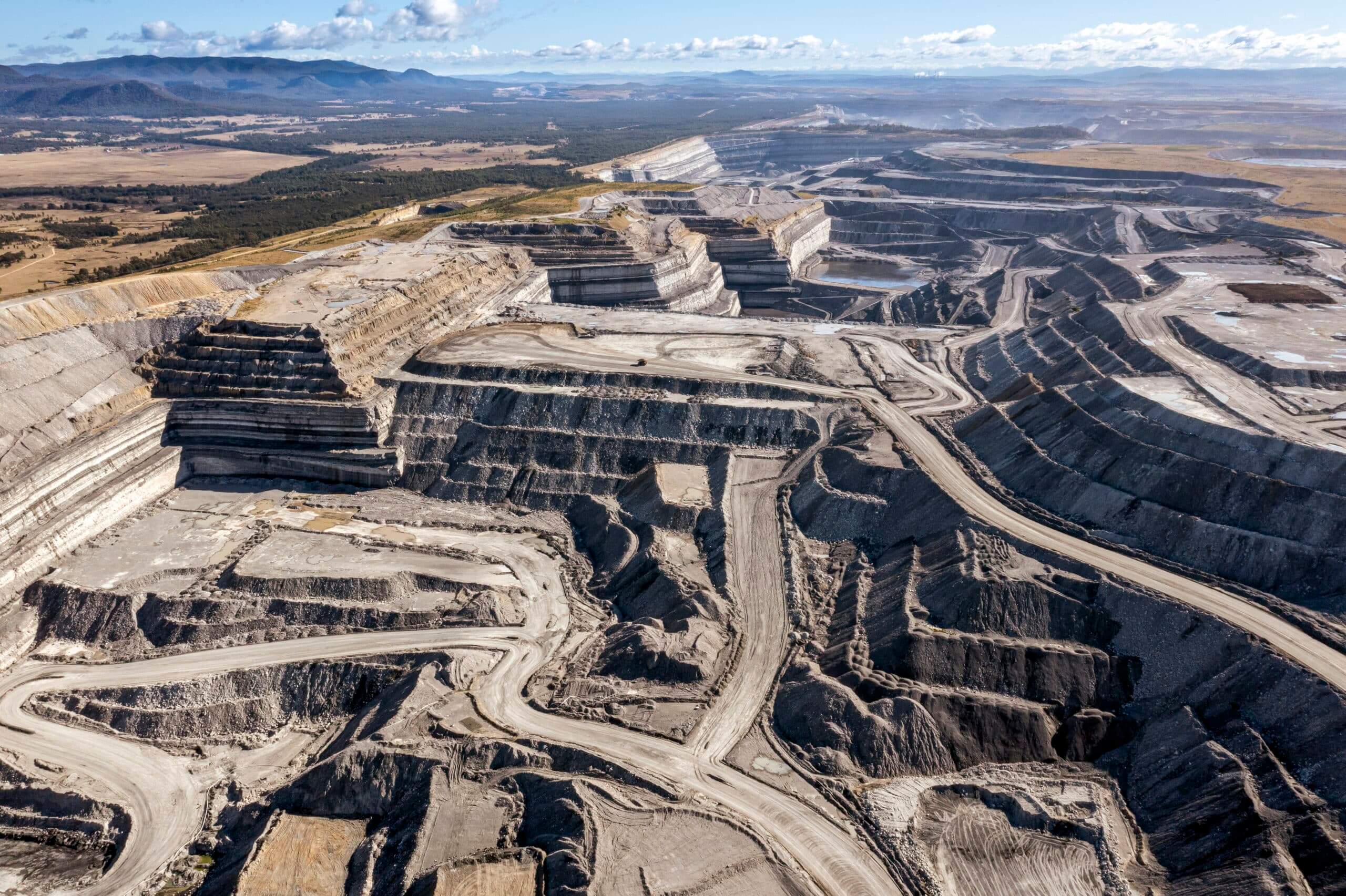
No more green lights for projects that damage our climate and harm nature. Every decision must consider climate risks – with full disclosure of direct and downstream emissions.
WHAT'S THE PROBLEM?
The EPBC Act is silent on climate change. That means projects with significant emissions can still be approved, with no clear requirement to assess or address the climate consequences for species, ecosystems and communities.
THE SOLUTION
Australia’s environment laws must embed climate considerations and require all decisions to take climate damage into account. The laws must explicitly link environmental approvals with the Safeguard Mechanism, so high-emitting projects are meaningfully assessed against Australia’s binding emissions targets before they can be approved.
More specifically:
- Make climate mitigation and adaptation an object of the Act, with reference to Australia’s international climate change obligations.
- Introduce clear, legally binding climate considerations to prevent climate harm to species and ecosystems, similar to existing sustainability principles.
- Require all projects to disclose their expected Scope 1, 2 and 3 emissions, and assess impacts under future climate scenarios.
- Require any new project emitting more than 100,000 tonnes of CO2e per year to be automatically treated as a ‘new’ facility under the Safeguard Mechanism.
- Ensure decisions are consistent with Australia’s international obligations, including the Paris Agreement, with consultation with the Climate Change Minister where relevant.
WHY IT MATTERS
Climate change is reshaping the world we live in. We cannot protect nature, communities or cultural heritage without embedding climate science into every decision – and ensuring our laws reflect the reality of the climate crisis.
WHAT THIS WILL MEAN
No project will be approved without a full climate assessment. Projects will be refused if they have unacceptable climate risks to nature, or inconsistent with Australia’s domestic and international climate obligations. Every decision will account for climate risk, emissions and adaptation needs – helping shift investment away from polluting projects and towards a safer, low-emissions future.

3. Laws that protect nature from deforestation
Remove loopholes and exemptions, apply strong National Environmental Standards, and strengthen monitoring and enforcement.
WHAT'S THE PROBLEM?
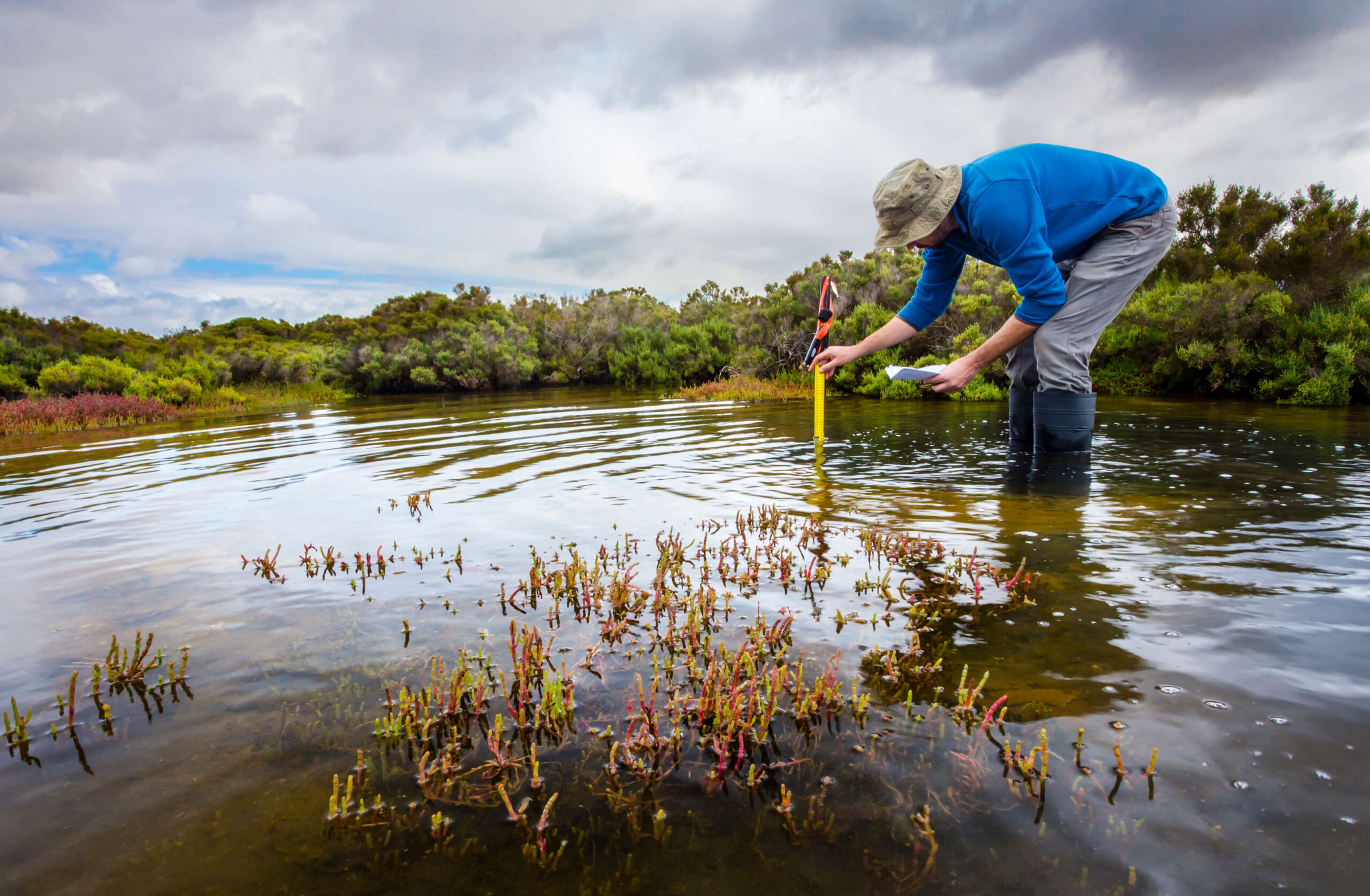
Deforestation and land clearing are the biggest drivers of extinction in Australia. Yet too often, industries like native forest logging are effectively exempt from national nature laws. Regional Forest Agreements (RFAs) and the “continuation of use” loophole mean critical habitat can still be destroyed. Weak monitoring and poor compliance mean illegal land clearing often goes unchecked.
THE SOLUTION
Australia’s environment laws must curb deforestation by removing special exemptions that let logging and land clearing avoid national protections. All forests, woodlands and critical habitat must be covered by strong National Environmental Standards. Laws must be backed by significantly stronger compliance, monitoring and enforcement to stop illegal clearing and habitat destruction.
More specifically:
- Remove the Regional Forest Agreement (RFA) exemption so forests covered by RFAs are fully subject to national protections and standards.
- Repeal or significantly narrow the s43B “continuation of use” exemption, which allows outdated approvals to persist even when they would not pass today’s standards.
- Apply strong National Environmental Standards to all deforestation and land clearing activities.
- Tighten the National Interest exemption so it cannot be used to override protections without clear justification and transparency.
- Significantly enhance compliance, monitoring and enforcement to detect and prevent illegal land clearing.
WHY IT MATTERS
Australia is a global deforestation hotspot – one of the few developed countries still clearing forests at scale. If we don’t act, iconic species like koalas will be pushed closer to extinction. Protecting forests and habitat is essential to protecting our wildlife, safeguarding Country, and tackling climate change.
WHAT THIS WILL MEAN
Critical forests and habitats across Australia will finally be properly protected under national environment law. Threatened species will be safe from bulldozers. Illegal land clearing will be detected and stopped. Stronger, consistent laws will close the loopholes that have left too much destruction unchecked.
4. An independent EPA
Establish Environment Protection Australia as a strong, independent regulator who is automatically responsible for project assessments and decisions, compliance, enforcement and assurance. Don’t let weak State and Territory processes be a substitute.
WHAT'S THE PROBLEM?
Right now, many other sectors have independent bodies to enforce the rules and oversee compliance – like ASIC, the Fair Work Commission and the Therapeutic Goods Administration. But there is no national watchdog for the environment. Instead, the Environment Minister has wide discretion to approve projects – even those with serious environmental risks – and decisions can be inconsistent and hard to predict.
THE SOLUTION
Australia needs a strong, independent regulator for the environment. Environment Protection Australia (EPA) should be the default decision-maker on environmental approvals decisions– free from political interference.
It must assess projects, enforce the law, and provide independent assurance. The EPA must be well-resourced and backed by enhanced environmental data from Environment Information Australia.
More specifically:
- Establish a fully independent, expert-led regulator (Environment Protection Australia) to make environmental decisions, not politicians.
- Ensure the EPA is independent, transparent, well-funded and accountable – and that Ministerial intervention powers are limited and clearly defined.
- Give the EPA strong compliance, enforcement and assurance functions.
- Only allow State and Territory governments to play a role if their laws replicate the national laws.
- Resource the EPA with enhanced environmental data from Environmental Information Australia (EIA).
WHY IT MATTERS
Strong rules mean nothing if no-one enforces them. Without an independent watchdog, environmental protection is just a promise, not a guarantee. Politicians come and go, but a strong EPA will provide consistency in regulation and decision-making.
WHAT THIS WILL MEAN
Environmental decisions will be science-based, transparent and consistent – regardless of who’s in government. Companies will be held to their promises and face real consequences if they break the rules.

5. First Nations Rights at the heart
Australia’s environment laws must be reformed based on the outcomes from well-resourced and properly constituted consultation processes with First Nations people.
WHAT'S THE PROBLEM?
Right now, Australia’s environment laws do not require the Free, Prior and Informed Consent of Traditional Owners to projects on their Country. That means major developments are approved without proper consultation, consent or respect for cultural values and rights.
THE SOLUTION
Australia's new laws should embed Free, Prior and Informed Consent, and reflect the authority, knowledge and leadership of First Nations peoples in decisions that affect their Country.
For example, reform could look like:
- Including a strong First Nations Engagement Standard.
- Recognising First Nations cultural heritage, knowledge and law as essential to caring for Country and environmental protection.
- Embedding Free, Prior and Informed Consent at the earliest possible stage in project planning.
WHY IT MATTERS
Traditional custodians have cared for this Country for tens of thousands of years. They hold deep knowledge and cultural responsibilities that are essential to protecting and caring for nature. Respecting First Nations rights is not just the right thing to do – it’s vital to healing Country and building a better future. .
Traditional custodians have cared for this Country for tens of thousands of years. They hold deep knowledge and cultural responsibilities that are essential to protecting and caring for nature. Respecting First Nations rights is not just the right thing to do – it’s vital to healing Country and building a better future.
WHAT THIS WILL MEAN
Traditional Owners will have the right to decide what happens on their Country. They will be genuinely involved from the start of project planning. Where traditional ecological and cultural knowledge is shared, it will be respected and protected. Developers will have clear expectations – and projects will not proceed without consent.

6.Make the system fair, transparent and open
Australia’s environment laws must protect communities’ rights to access information, speak up, and act when the law is broken or not enforced – because accountability only works when the public can take part.
More specifically:
- Maintain standing rights for individuals and communities to challenge unlawful decisions.
- Allow third parties to refer projects for assessment and approval.
- Introduce a presumption in favour of transparency, making environmental information publicly available by default.
WHAT'S THE PROBLEM?
Right now, it's hard for communities to find out what’s happening to their environment, understand how decisions are made, or raise alarm when something’s gone wrong. The law gives communities limited rights to participate, and even less power to hold decision makers to account.
WHY IT MATTERS
Communities, Traditional Owners and local groups are often the first to spot illegal clearing, pollution or harm to wildlife. They must have the tools and legal rights to act – because environmental protection depends on public power, not just political will.
WHAT THIS WILL MEAN
Communities will be able to find out what’s planned for their environment, challenge unlawful decisions, and raise concerns directly with the regulator. People will have stronger, clearer pathways to defend the places and wildlife they love.

7. National leadership that doesn't walk away
The federal government must stay responsible for protecting nature. No handing power to states, unless they meet strong national standards and are independently monitored.
More specifically:
- Not allow for the states to make project approval decisions.
- Require all accredited arrangements (including NOPSEMA) to meet strong national standards and be subject to oversight by an independent regulator.
- Improve bilateral assessment processes (rather than bilateral agreements) and accredit regional plans and strategic assessments to apply new Standards to regions or groups of projects.
THE PROBLEM
State and federal environment systems often overlap, conflict or leave dangerous gaps. Accredited arrangements (like NOPSEMA and Regional Forest Agreements) are failing to protect nature and are not held to consistent standards. The result is a patchwork of weak and inconsistent protections that leave nature exposed.
WHAT THIS WILL MEAN
The federal government remains responsible for protecting matters of national environmental significance – it cannot abdicate this critical role. There will be consistent, predictable rules across all jurisdictions. No matter which state or territory a project is in, the same strong protections will apply – with no carve-outs and no blind spots.
WHY IT MATTERS
Australians expect one strong national system to protect nature – not a patchwork of weak agreements and political deals. Leadership means taking responsibility, not handing it off.

Write to your Labor representative
Right now, the Albanese government is making the most important changes to our national environment laws in a generation.
What’s decided in the next few weeks could lock in the rules that govern nature protection for decades.
That’s why it’s so important Labor MPs and Senators hear directly from the people they represent. A flood of emails from local constituents will make clear: Australians expect nature laws that actually protect nature, our climate and communities.
Explore more of our work



Make a difference
Help power more game-changing court cases and urgent legal actions for the people and places you love.
Our financials
We have a long-standing commitment to sound fiscal management, accountability and transparency.
We encourage you to investigate before you donate.
Join us
The law is a powerful tool to disrupt the status quo and make governments and corporations accountable.
Join us and let's build a radically better world.