STANDARDS ARE MOVING CLOSER TO PARLIAMENT
Here's what we're watching for...
Earlier this year, hundreds of people joined us for a conversation...
Along with the Wilderness Society we held a webinar unpacking one of the most important – and technical – parts of Australia’s new nature laws: the proposed National Environmental Standard for Matters of National Environmental Significance.
Put simply, this Standard is where a lot of the substance of the new laws comes into play.
“The real-world impact of these laws will depend as much on the broad words in the Act as how these standards operate on the ground.”
Nicola Silbert, EJA Senior Lawyer
Why does this matter?
This standard will help decide how – or if – Australia’s national environment laws protect threatened species, forests, rivers, wetlands and the places we love.
A strong Standard would mean stronger protections. A weak Standard could leave the door open for business as usual.
In May, when the draft Standard was open for public consultation, people raised serious concerns about the version we had seen.
With the Standard expected to come before Parliament soon, now is an important moment to remind ourselves what’s at stake – and what to watch for.
Watch the recording
Missed the webinar, or want a refresher? Watch the recording below to hear EJA Senior Lawyer Nicola Silbert explain why standards matter, how they shape the way national environment laws work in practice, and why the draft MNES Standard raised serious concerns. .
Three things we’re looking for in the final standard...
1. Clear outcomes, not vague principles
The biggest concern with the draft Standard was how it was written. There are two key terms to understand: “objectives and outcomes” and “principles”. Objectives and outcomes are the intended and reasonably expected impacts of protections. They were recommended by the Samuel Review to make sure environmental standards are strong and actually protect nature. Principles, on the other hand, are broadly worded. They read more like general intentions, with no clear link to whether nature is protected.
As the draft Standard was written, it contained one particular section which means that projects would be assessed against weaker, broader principles instead of clearer and stronger objectives and outcomes. There is no requirement to show that following them will actually protect nature or achieve the intended outcomes.
In practice, this means developers could design projects to meet weak principles, rather than stronger, clearer objectives and outcomes. When the final standard hits Parliament we hope to see this section removed so there is a clear requirement for developers to meet specific objectives and outcomes. Without a requirement to meet clear objectives and outcomes, the Standard is effectively meaningless.
2. Stronger protection for First Nations rights
There was also concern that the draft Standard needed to better protect First Nations rights and engagement, including free, prior and informed consent. At minimum, ensure Indigenous engagement under the Standard and forthcoming First Nations Engagement Standard must meet Australia’s international legal obligations, including UNDRIP and free, prior and informed consent
3. Accounting for cumulative impacts
The Standard also needed to properly deal with cumulative impacts – the combined pressure of multiple projects, climate change, habitat loss and other threats on already stressed ecosystems. Nature is not harmed one project at a time. Our laws should not pretend it is.
When the final standard hits parliament we hope to see proper incorporation of cumulative impacts, not just individual project impacts.
Real consequences for forests, threatened species and fossil fuel projects
These drafting issues in the standard have real-world consequences.
For fossil fuel projects, a weak Standard could make it easier for proposals to move through the system without facing a strong test for their impacts on nature and climate-affected ecosystems.
For forests, the Standard could become one of the last lines of defence for threatened animals and habitat under national environment law, especially as Regional Forest Agreements come to an end.
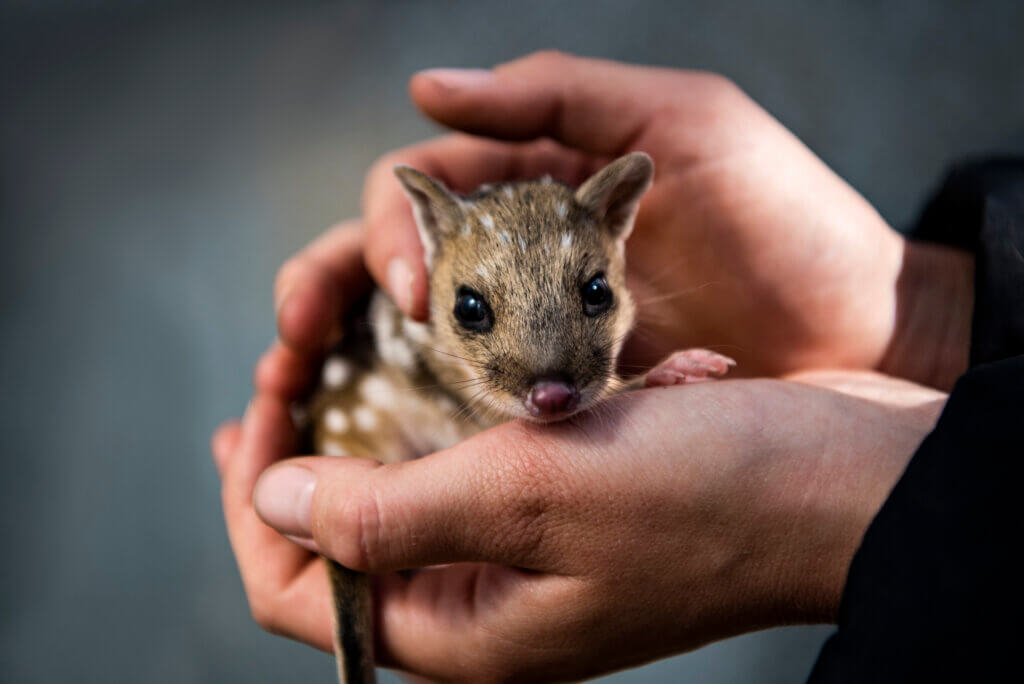
For threatened species, the difference between a vague principle and a clear outcome could be the difference between asking whether harm has been “managed” – or whether the habitat needed for survival and recovery is actually protected.
What happens now?
The consultation period has closed. The Government has been reviewing submissions and may make changes to the draft Standard before making it final.
We expect the Standard to be made as a legislative instrument. That means it is not a whole new Act of Parliament, but a legal instrument made under the authority of the Act.
Parliament may still have a role. Many legislative instruments can be disallowed, which means MPs and Senators may be able to object after the instrument is made.
That means this is not just a technical process that disappears into the bureaucracy.
When the next version of the Standard is released, we’ll be looking closely at whether the Government has fixed the problems raised during consultation.
We’ll be asking:
- Does the Standard require decisions to be measured against clear outcomes and objectives?
- Does it properly protect First Nations rights and require meaningful engagement?
- Does it deal with cumulative impacts?
- Does it apply to all relevant decisions?
- Will it actually help stop harm to threatened species and the places they need to survive?
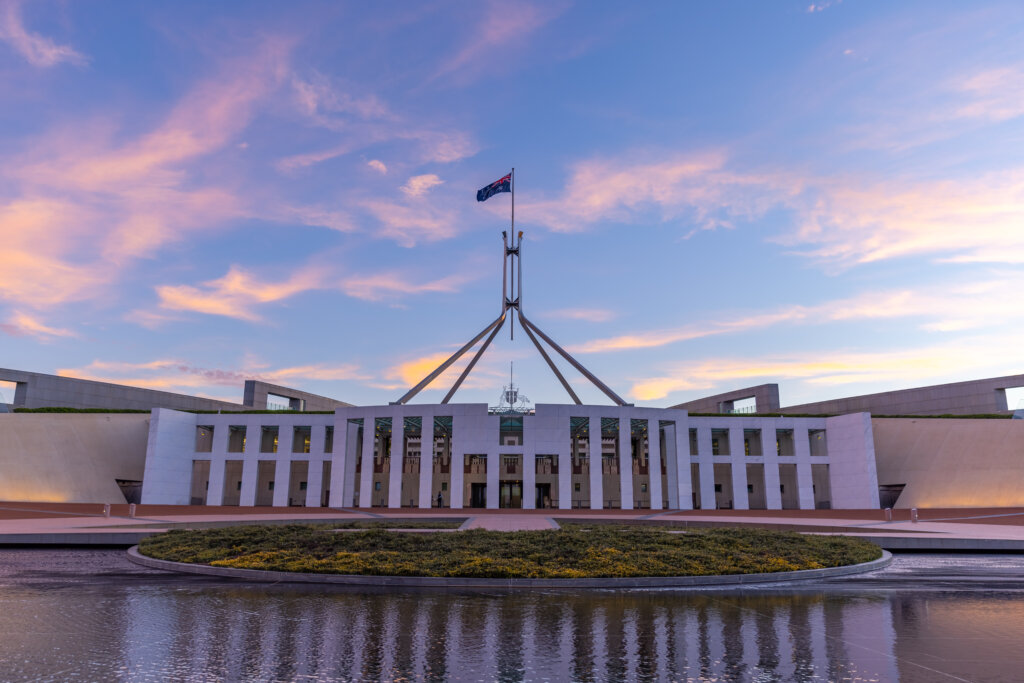
Supporters helped put these issues on the public record. Now, as the Standard moves closer to Parliament, we need to keep watching – and keep making it clear that Australia’s new nature laws must actually protect nature.
More on environmental standards