
FOLLOWING THE MONEY
Catch up on the webinar
Native forest logging was meant to end in Victoria… right?
Our new report, Following the money: The unfinished transition away from native forest logging, released alongside ABC Four Corners’ investigation into native forest logging, revealed a troubling reality: native forest timber is still moving, loopholes remain open, and Victoria’s forests still lack permanent legal protection.
At our recent webinar, EJA lawyers and campaigners unpacked where the claimed $1.5 billion in public transition funding appears to have gone, why serious transparency gaps remain, and what governments need to do now to finish the job for forests, workers and communities.
Catch up below.
Watch the recording
At a glance
When Victoria announced an end to VicForests, many people celebrated, expecting the state’s native forests would finally be protected.
But as our webinar unpacked, ending the logging agency did not end the harm – and it has not delivered legal protection for a single tree.
We walked through the report’s key findings, including how public money was spent, what remains unclear, and how native forest timber is still moving through loopholes and interstate supply chains.
The take-home message is clear: Victoria’s forest transition is messy and unfinished – and the rest of Australia should take note.
Public money needs public accountability
One of the biggest questions that we explored in the webinar was: where did the money go?
The Victorian government says $1.5 billion has been committed to the transition away from native forest logging. But EJA’s investigation could only identify approximately $884 million in transition-related funding, subsidies, compensation payments and industry support from available public information.
That leaves big questions about where the rest of the money went, what conditions were attached, who received it, and whether it helped deliver the transition the public was promised.
Communities deserve a clear public account of what that money delivered – and whether it helped secure lasting protection for forests, workers and communities.
Native forest timber is still moving
The webinar also unpacked how native forest logging and processing continues through a range of legal and policy loopholes.
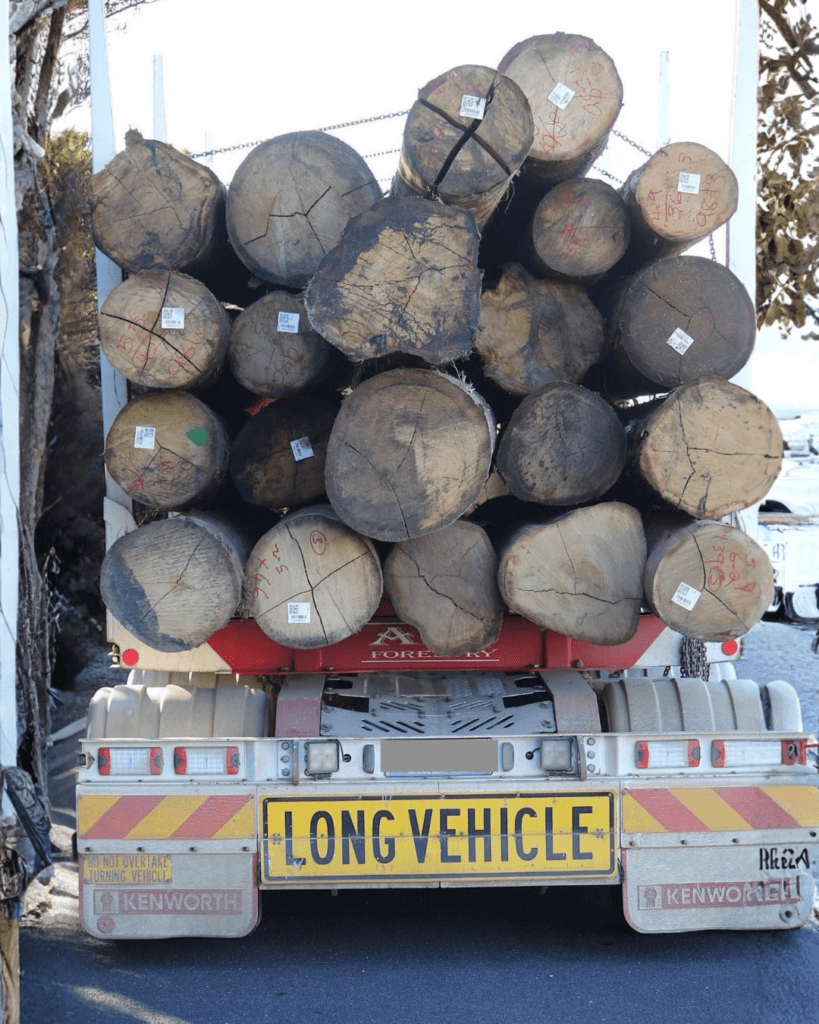
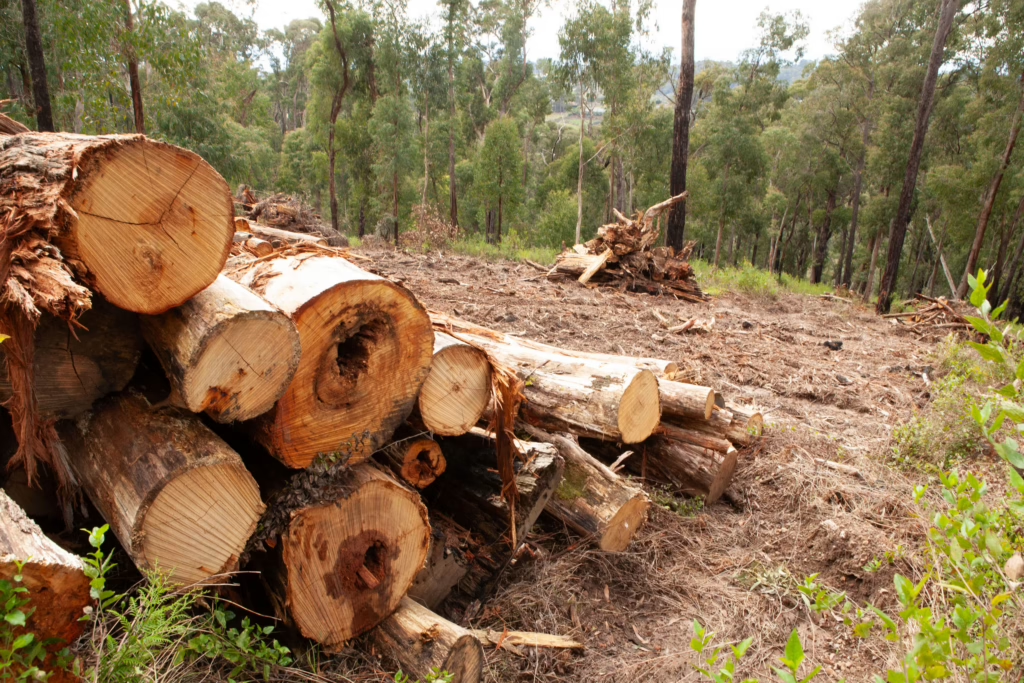
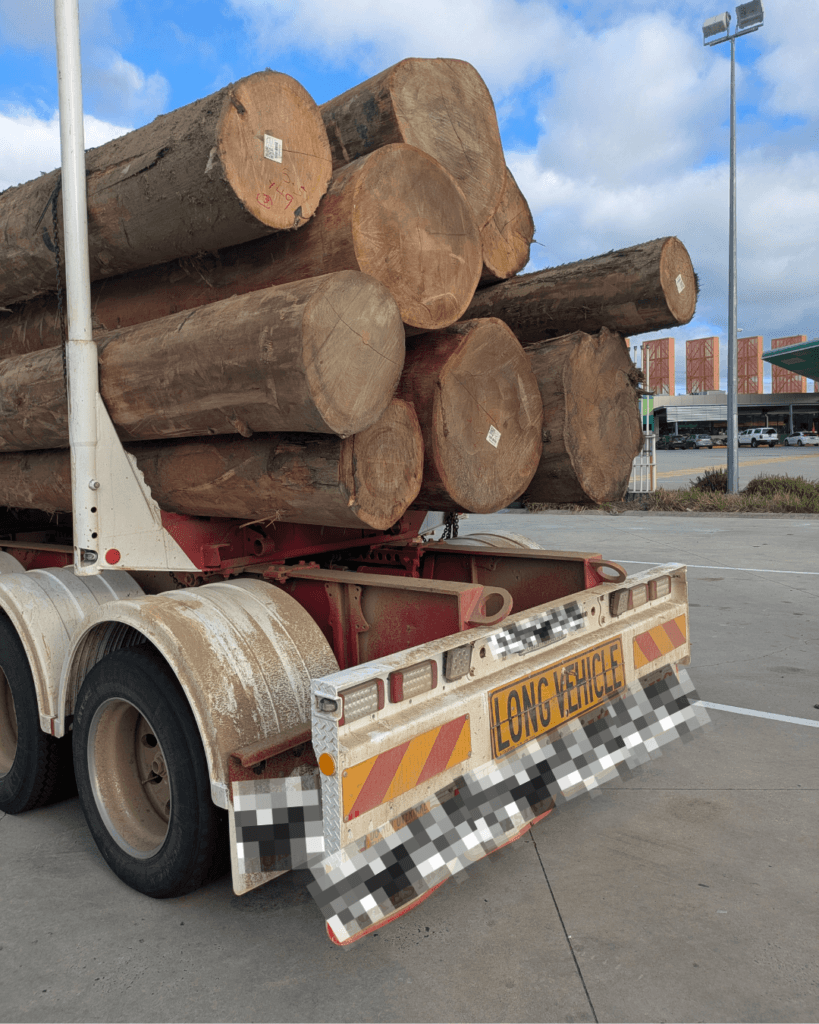
We shared images gathered throughout the investigation showing native forest logs still moving across Victoria, long after the state had supposedly ended native forest logging.
Although logging under VicForests has ended, native forest timber can still enter Victorian supply chains through private land logging, salvage logging, Forest Fire Management Victoria activities, forest produce licences, and logs imported from Tasmania and New South Wales.
The report found that native forest logging in Victoria has changed shape – but it has not really ended.
Forests still need permanent legal protection
When the Victorian government announced the end of native forest logging on public land, it also promised the largest expansion to the state reserve system in Victoria’s history.
But three years later, none of the 1.8 million hectares of Victorian state forest formerly managed under the native forest logging system in eastern Victoria has been transferred into a tenure that properly protects it from future logging and other extractive industries.
That means forests that should have been permanently protected remain vulnerable to future governments, industry pressure, shifting policy settings and new regulatory pathways.
As EJA’s lawyers and campaigners explained during the webinar, shutting down VicForests was an important step – but it was not the same as securing permanent protection.
Victoria is a warning for the rest of Australia
This story is not just about Victoria. It’s a warning bell for the rest of the country.
As NSW, Tasmania and the federal government make major decisions about the future of native forest logging, Victoria’s unfinished transition should be treated as a warning.
Governments cannot promise an end to native forest logging while leaving loopholes open, funding arrangements unclear and forests without permanent legal protection.
This is especially important as Regional Forest Agreement exemptions end and new federal-state pathways are negotiated. Governments must not allow native forest logging to continue under another name or through another legal pathway.
What needs to happen next
Our report makes five key recommendations to help deliver a genuine transition:
- Permanently protect Victoria’s native forests through law
- Close the loopholes that allow native forest timber to keep moving
- Improve transparency and accountability for transition funding
- Make sure NSW and Tasmania learn from Victoria’s experience
- End federal government support for native forest logging and support genuine transitions to plantation-based industries
The public paid for a transition. Now governments need to finish the job.
That means closing loopholes, protecting forests through law, making public funding transparent, and supporting workers and communities through a genuine transition away from native forest logging.

Take action for native forests
Will you email the Prime Minister and Federal Environment Minister?