NAIDOC WEEK
50 years of deadly, 65,000 years of caring for Country
Illustrations: Madi Mercer @_ghostgum
Celebrating a legacy thousands of generations in the making, and still standing strong today.
This NAIDOC Week marks 50 years since NAIDOC became a national movement celebrating the strength, culture, and leadership of Aboriginal and Torres Strait Islander peoples.
Fifty years is worth celebrating. In terms of environmental justice, it is also a reminder of a much longer story.
For more than 65,000 years, First Nations peoples have cared for Country, protected ecosystems, upheld Law and fought for the right to continue doing so. Long before Western environmental law existed, there were sophisticated systems of governance, responsibility, and stewardship grounded in Country. Today’s environmental justice movement has much to learn from the wisdom and enduring practices of First Nation’s Australians.
At Environmental Justice Australia, we’re quite a bit younger (35 years), but we’ve long been guided by the determination of Elders and knowledge holders before us. And we’ve also had the privilege to work alongside First Nations leaders and communities who continue that legacy today.

A legacy of environmental justice
While many of the milestones below are remembered as moments in Australia's legal or political history, they have also shaped environmental justice. As First Nations peoples secured greater recognition of their rights, they strengthened their ability to protect Country, defend cultural heritage and hold governments to account.
Together, these reforms recognise that environmental justice cannot be separated from self-determination.
The legal milestones tell only part of the story. Behind every legal victory are generations of Elders, communities and advocates who refused to give up, often without recognition or certainty that change would come.
This deadly legacy continues, today
Environmental Justice Australia is privileged to work alongside First Nations clients, partners and communities who are carrying justice forward in powerful ways, both ancient and contemporary.
Monica Morgan, a respected senior member of the Yorta Yorta Nation, has dedicated decades to protecting Country, advancing truth-telling and advocating for justice. Her leadership spans generations, continuing a legacy of defending Yorta Yorta rights that was also carried by her mother, the late Elizabeth Morgan, who faced racism while standing up to protect sites of cultural significance in the Barmah Forest.
In 2024, Monica achieved another landmark for First Nations justice. Represented by Environmental Justice Australia, she became the first First Nations person in Victoria to successfully prove racial vilification under the state's Racial and Religious Tolerance Act. The case arose after years of abuse, intimidation and racist attacks directed at Monica and the Yorta Yorta community over their support for the protection of Barmah National Park and the removal of feral horses to restore its environmental and cultural values.
"This decision is a small victory that shows the white legal system can sometimes acknowledge the detrimental harm of the society it represents. The system is stacked against us but this time it has worked. It's important our mob know they can utilise this."
Monica Morgan
Monica's case reminds us that protecting Country often also means confronting racism, defending cultural authority and ensuring First Nations voices can participate safely in decisions about their lands and waters.
Photo: Doug Gimesy

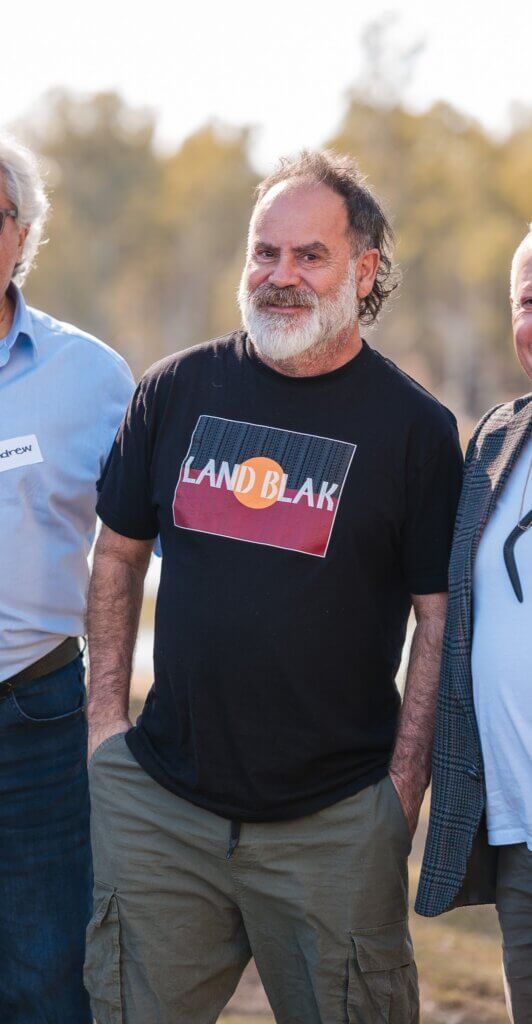
Along the Murray River, Brendan Kennedy, a proud Tati Tati and Wadi Wadi man, and leader with The Murray Lower Darling Rivers Indigenous Nations (MLDRIN), continues to champion healthy rivers, healthy communities and self-determination. Through his advocacy and his work with Environmental Justice Australia, Brendan demonstrates how environmental justice, disability justice and First Nations justice are deeply interconnected.
As Victoria reached the landmark Statewide Treaty in 2025, Brendan reflected on what the moment meant for his people and future generations:
"It's a celebration and it's a reward. I see all the little babies and the children, and I think how they get to experience this and it becomes a norm that they grow up with!
BRENDAN KENNEDY
We're activating and self-determining who we are. We just broke through a barrier, so now we look ahead and plant the seeds of the future."
Today, Brendan is helping shape the next chapter of Treaty as the Tati Tati Nation begins negotiations towards a Local Traditional Owner Treaty, following its inclusion on Victoria's Treaty Negotiations Register. As a Tati Tati Traditional Owner, he is part of the work to negotiate an agreement that reflects his Nation's priorities, responsibilities to Country and aspirations for future generations.
Photo: Mitchell Barkman
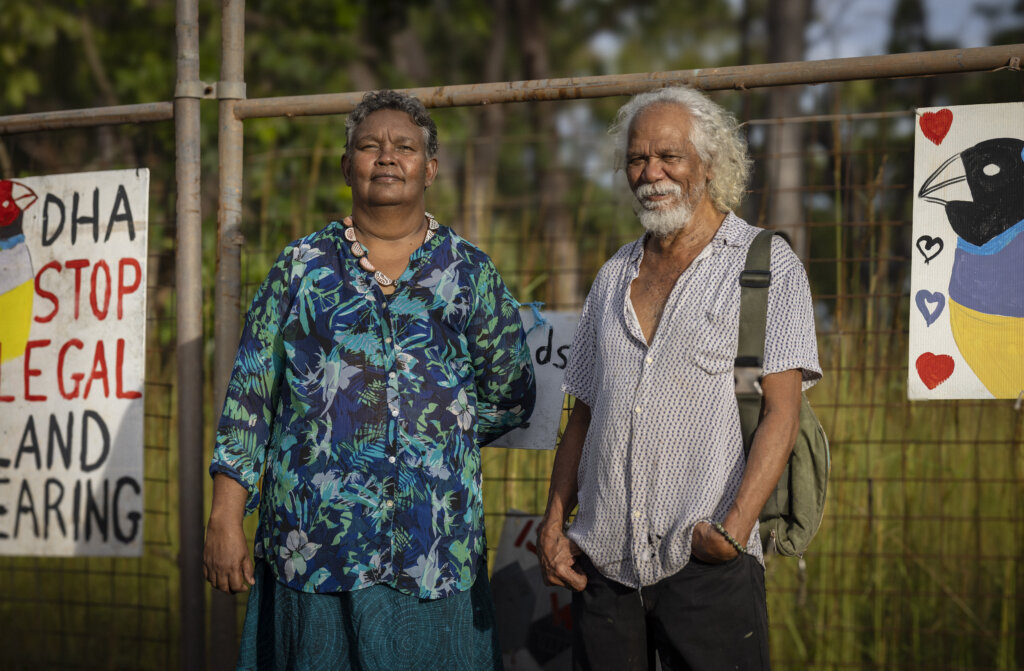
On Larrakia Country, Tibby Quall, a senior Larrakia Elder of the Danggalaba Kulumbirigin clan, and Lorraine Williams, also a Larrakia Elder of the Danggalaba Kulumbirigin clan, continue to fight to protect Binybara (Lee Point), one of Darwin's last remaining coastal woodland ecosystems and a place of profound cultural significance. Binybara contains important cultural artefacts and sacred places that are not simply remnants of the past, but part of a living culture, connecting Larrakia people to Country, law and identity.
Represented by Environmental Justice Australia, Tibby is challenging decisions that would allow these cultural artefacts to be removed for development. In 2025, the Northern Territory Civil and Administrative Tribunal found that the Heritage Council's decision-making process had been flawed, acknowledging that the system designed to protect Larrakia cultural heritage had fallen short. As the case continues, it raises important questions about whether Australia's cultural heritage laws are strong enough to protect First Nations Country, and whether Traditional Owners are genuinely heard when decisions affecting their Country are made.
"It's one of our most sacred areas, part of our laws and customs that we hold."
tibby quall
Together, Tibby and Lorraine's advocacy reminds us that protecting the environment also means protecting living culture, respecting First Nations authority and ensuring Traditional Owners can care for Country for generations to come.
"Larrakia People haven't been consulted with. We are the custodians of the Country, and our voices need to be heard."
Lorraine WILLIAMS
Photo: Rebecca Parker
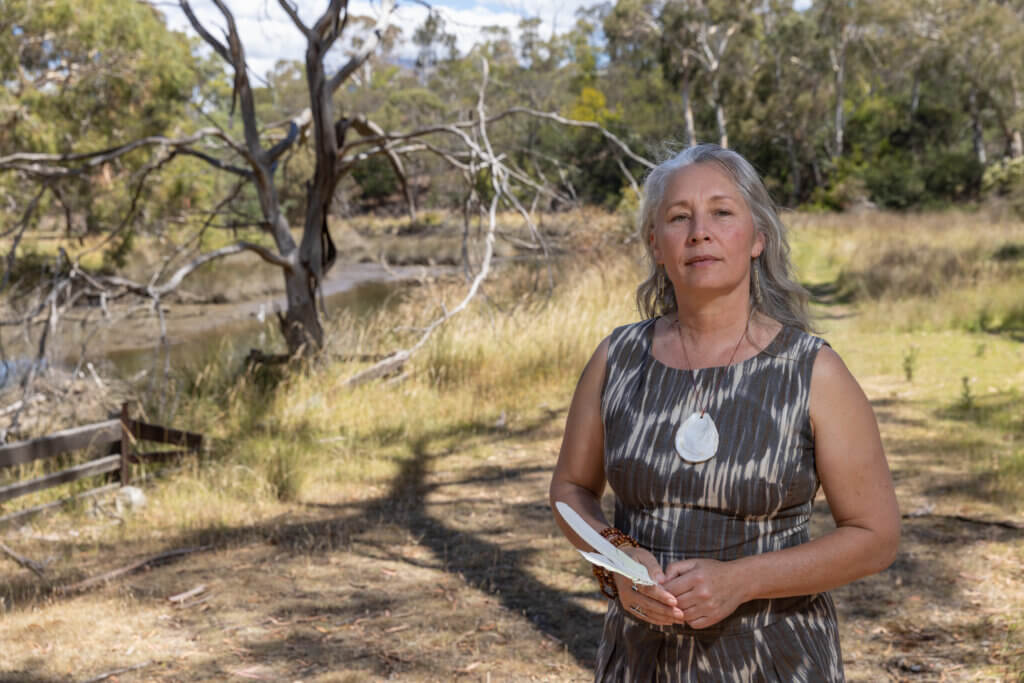
Ruth Langford/Tipruthanna is a Yorta Yorta and Dja Dja Wurrung woman born in Lutruwita/Tasmania and is deeply connected to the Palawa Aboriginal community.
Following peaceful actions to protect Tasmania’s native forests, Ruth is representing herself in court to give direct voice to her cultural obligations to protect Country. Her case raises profound questions about what happens when First Nations responsibilities to care for Country come into conflict with government-approved environmental destruction.
Ruth has asked the Court to hear evidence grounded in Aboriginal Law and responsibilities to Country. Through her current case, Ruth is helping challenge Australia’s legal system to reckon with Law in Country and legal traditions that have existed for tens of thousands of years.
“I am defending our cultural obligation to protect the very things that give us life.”
Ruth Langford/Tipruthanna
Photo: supplied
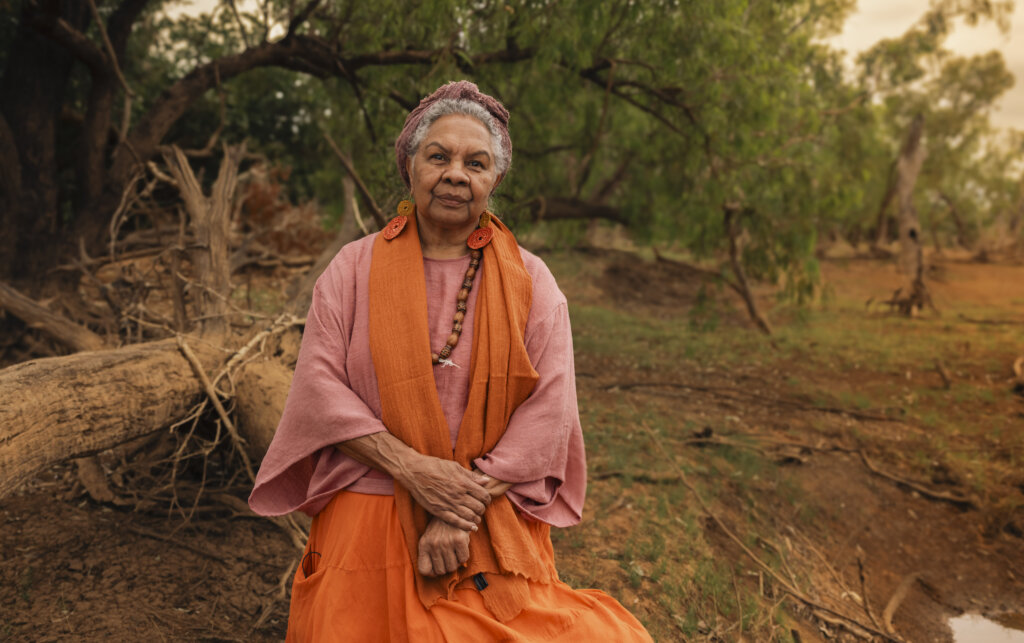
Professor Anne Poelina is a Nyikina, Warrwa and Warlungurru woman from the Kimberley a Traditional Owner who has guardianship o the Mardoowarra/Fitzroy River. She has spent her life caring for and protecting “the River of Life”. A scientist, filmmaker, poet and Executive Chair of the Martuwarra Fitzroy River Council, Anne brings together First Australian Nations law, governance and science to advocate for living waters, climate justice and the protection of Country.
After witnessing devastating floods, biodiversity loss and the growing impacts of climate change across her River Country, Anne has taken her advocacy to the international stage through the Hard Truths case. By challenging Australia's continued support for coal and gas exports before the United Nations Human Rights Committee, she is helping make the case that protecting Country, culture and future generations is not only a moral responsibility, but a human rights obligation.
"When the River is healthy, our people are healthy. When the River suffers, our people suffer."
Anne Poelina
Anne's leadership reminds us that rivers are more than waterways. They are a life force, living systems that sustain culture, identity and life itself, and protecting them is inseparable from protecting the people who belong to them.
Photo: Rebecca Parker
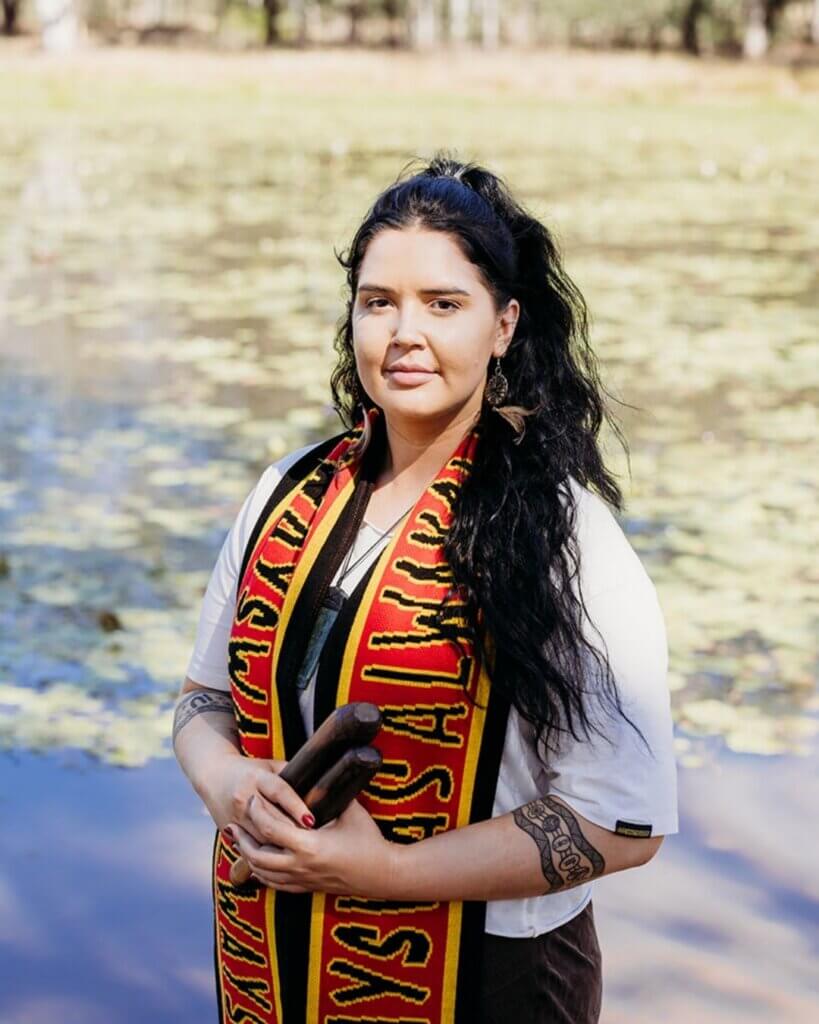
The next generation is already shaping the future. Zhanāe Dodd, a proud Ghungalu, Garingbal, Kaanju, Birri and Wirri Aboriginal woman, is helping lead a new generation of First Nations climate advocates. Through her leadership of Guyala Yimba, a consultancy embedding First Nations knowledge into leadership, business and cultural projects, and Burri Energy, a renewable energy start-up grounded in Indigenous ways of knowing and being, Zhanāe is championing climate solutions led by Country and culture.
Represented by Environmental Justice Australia, Zhanāe is also one of the young people bringing a human rights complaint before the United Nations Special Rapporteur on Climate Change, arguing that Australia's failure to take ambitious action on climate change is harming the rights of children, First Nations peoples and future generations.
"Country is always listening and keeps score."
Zhanāe Dodd
Zhanāe's leadership shows that the next generation isn't waiting to inherit environmental justice - they're already shaping it, drawing on the strength of the generations who came before them while creating new pathways for those yet to come.
Photo: Alice Rye
These leaders are continuing a movement that has existed for more than 65,000 years.