Defending cultural heritage on the Murray
“The mighty Murray River is my lifeline. That water runs through my veins. It keeps me alive...”
In 2026, EJA represented Wadi Wadi man, Vince Kirby in two cases challenging the Victorian government's approval of Cultural Heritage Management Plans for the Nyah and Vinifera floodplain engineering projects.
In the Nyah case, Vince argued the approval process failed to properly identify, assess and protect Aboriginal cultural heritage, and did not adequately consult Traditional Owners before works were approved.
In the Vinifera case, Vince argued that the Cultural Heritage Management Plan failed to properly assess Aboriginal cultural heritage.
Vince was successful in both legal challenges after the Victorian government conceded that the project approvals were made unlawfully, and the Supreme Court agreed. The Court ordered that the approvals for the projects’ flawed Cultural Heritage Management Plans be set aside.
These cases are an important win for Aboriginal cultural heritage and Wadi Wadi People.
But it’s also a frustrating reminder of what it takes for First Peoples to protect their cultural heritage.
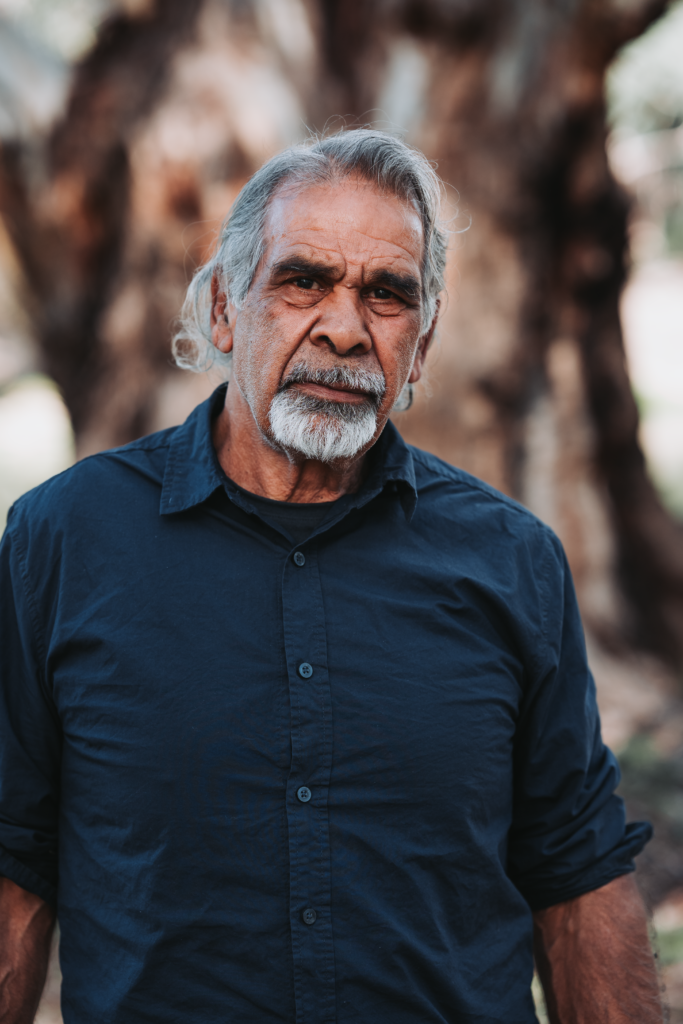
Vince Kirby"We shouldn’t have to keep going to court to make sure our cultural heritage is properly protected, and Traditional Owners are genuinely listened to.
Our knowledge of Country should be part of these decisions from the beginning."
How'd we get here?
Why were these cases necessary?
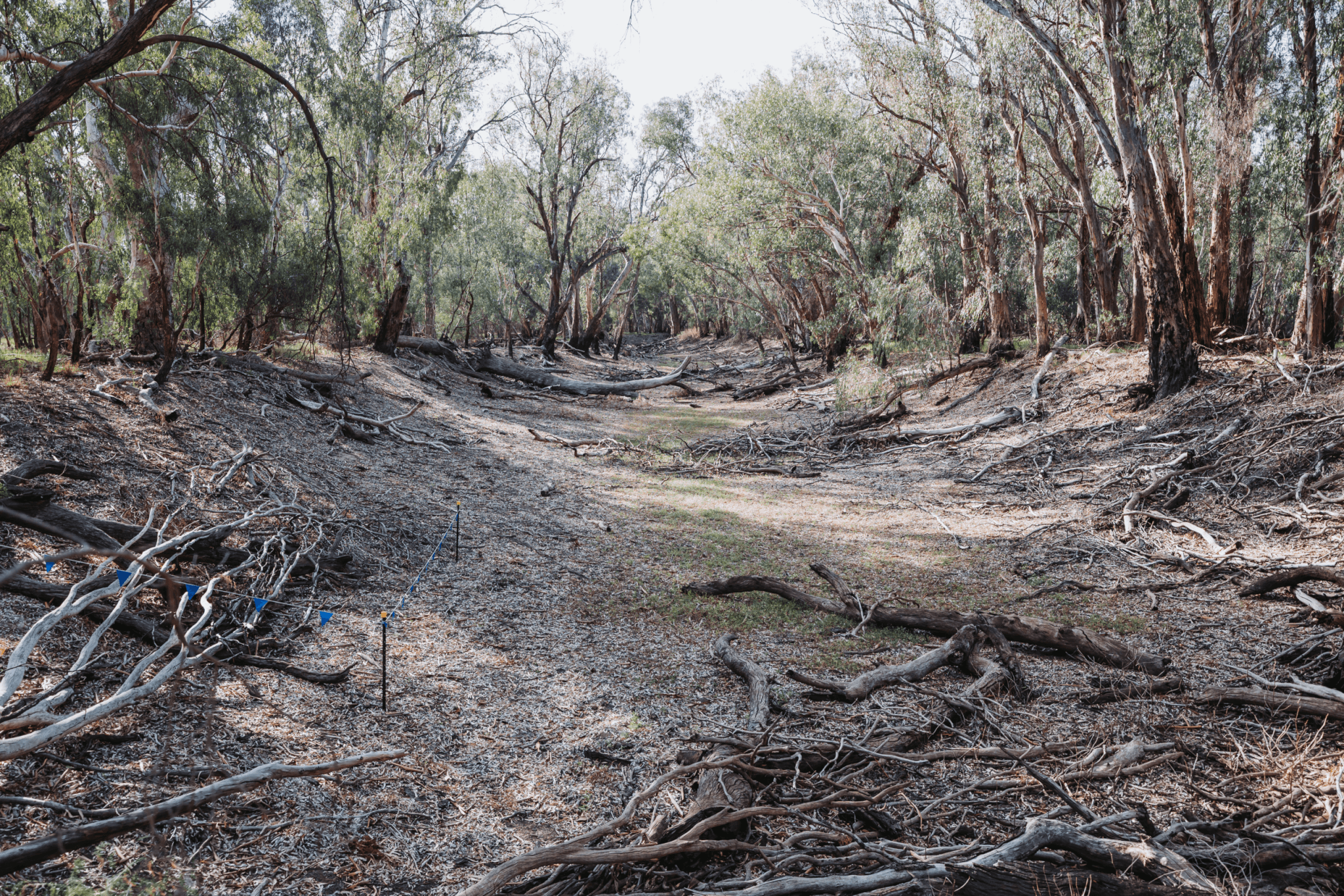
The Nyah and Vinifera floodplains are part of a living cultural landscape for Wadi Wadi people.
They hold waterways, camping places, ancestral burial sites, shell middens, earthen ovens, scar trees and fish traps. These places connect Wadi Wadi people with ancestors who have cared for this Country since time immemorial.
“We’ve looked after these rivers and wetlands forever... I am trying to protect my cultural rights, my burials, and my medicinal plants like old man weed.
— Vince Kirby
It’s important that any development at sites as significant as these is approved according to law and informed by the community. Vince said that hadn’t happened here, and that the artificial engineering projects risked permanent harm to cultural heritage on Country.
About the cases
Vince challenged the Victorian government’s approval of the Cultural Heritage Management Plan for the Nyah and Vinifera floodplain projects.
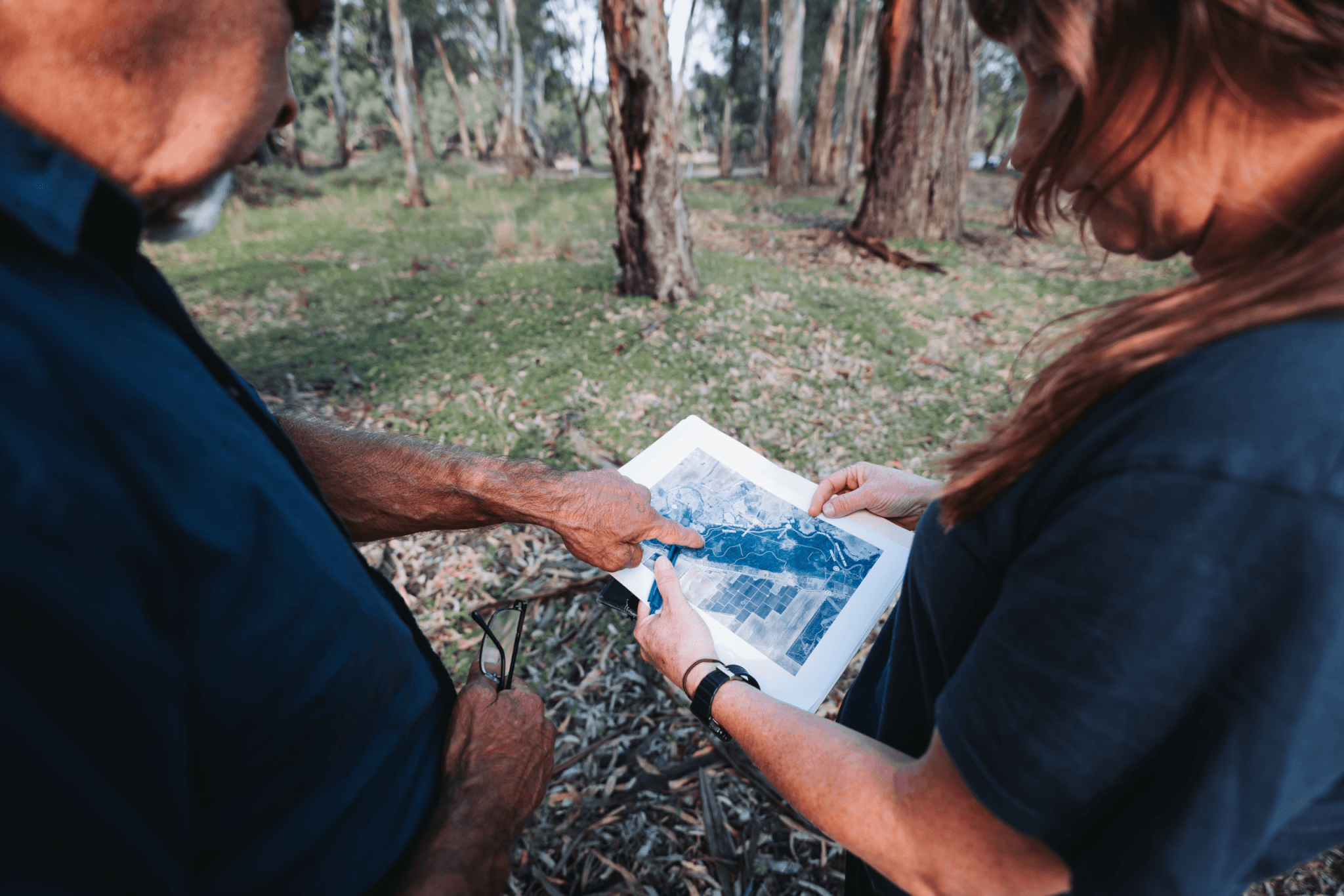
Both projects form part of a broader Murray-Darling Basin “water offset” scheme. They involve major infrastructure works on Wadi Wadi Country, including clearing floodplain forests to install levees, pumps and regulators that would divert water to selected floodplains.
“The whole process for approving these projects has shown no respect for my people. They can’t do this project without creating harm to the wetlands, the fish, the wildlife, and the heritage of the Wadi Wadi people.”
— Vince Kirby
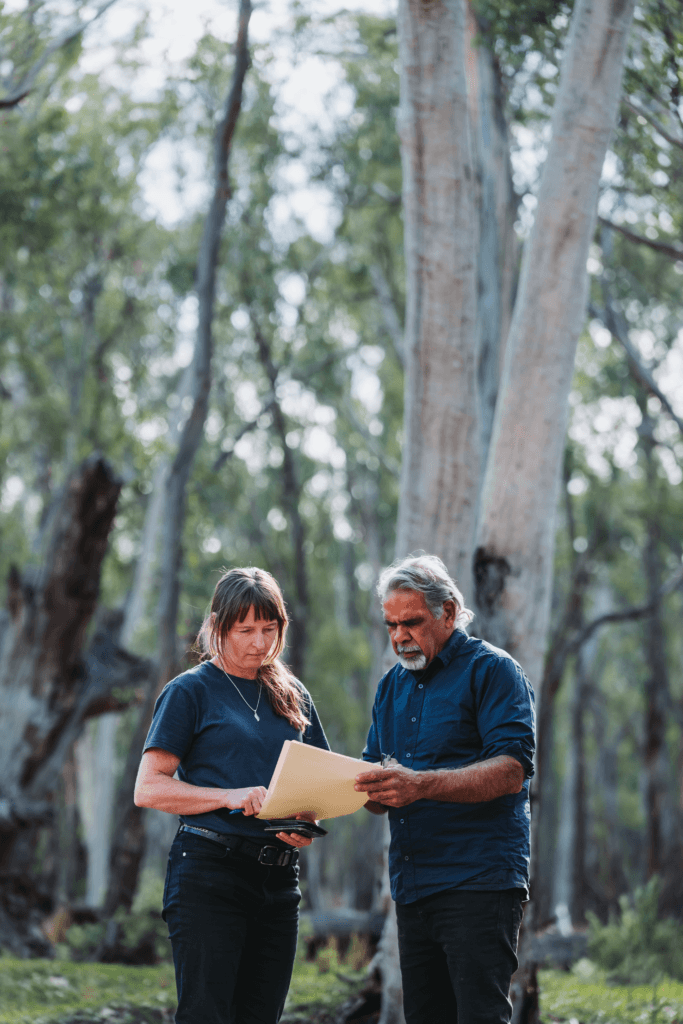
The Nyah case
In the Nyah case, Vince argued the approval process failed to properly identify, assess and protect Aboriginal cultural heritage before works were approved.
He said cultural heritage is a living and ongoing practice that extends well beyond a list of archaeological sites, and that the Cultural Heritage Management Plan should have considered impacts on living cultural heritage.
Vince argued that Traditional Owners were not adequately consulted about works that could permanently affect culturally significant places and ancestral remains on Country.
He also argued the decision breached his human rights as a Wadi Wadi person and failed to properly consider his rights under Victoria’s Charter of Human Rights and Responsibilities.
In July 2026, the Victorian Government accepted that Traditional Owners had not been properly consulted and that the approval was made in error.
The Supreme Court ordered that the approval be set aside, meaning the project could not proceed under its existing cultural heritage management plan.
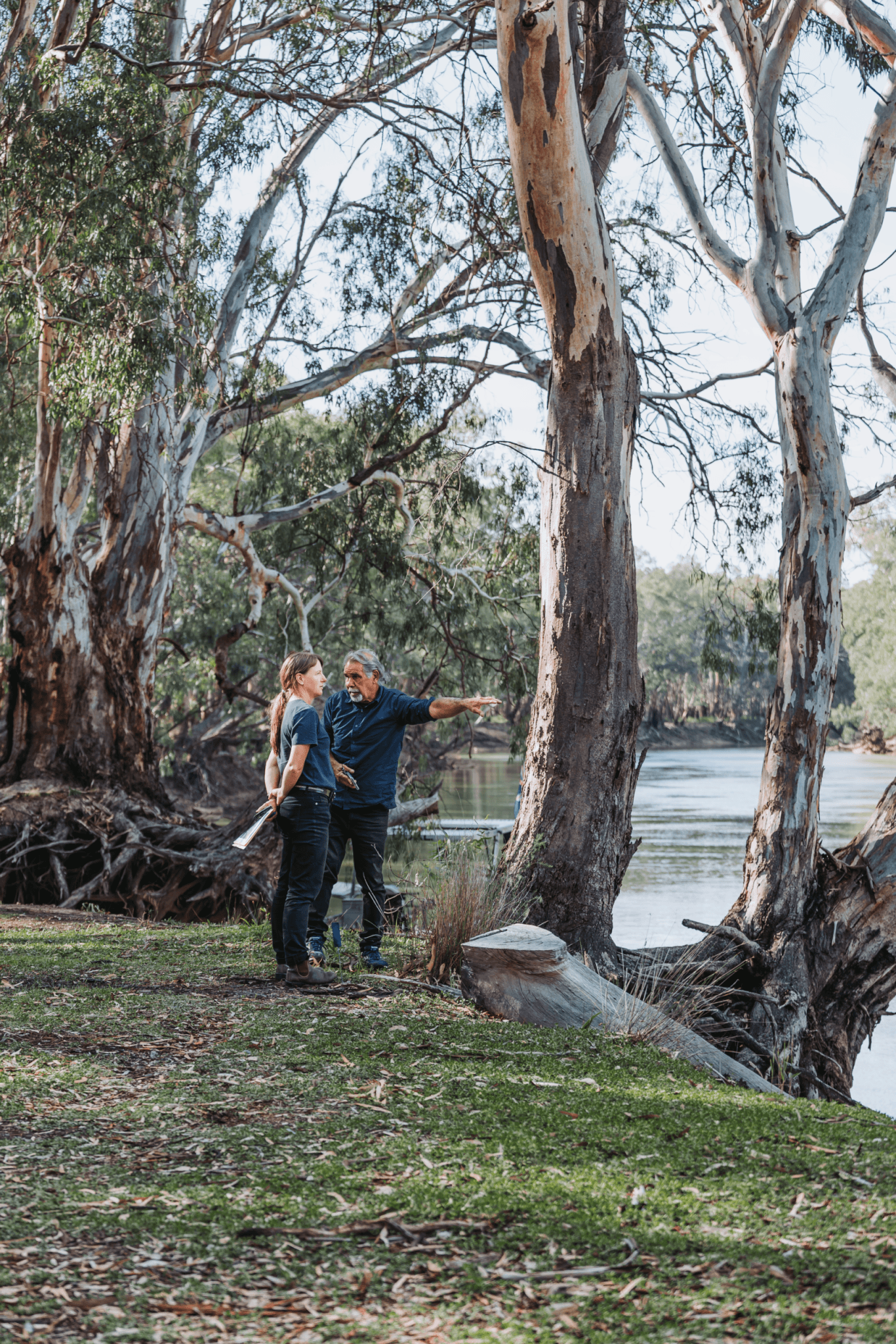
The Vinifera case
In the Vinifera case, Vince also asked the Supreme Court to review the approval of a Cultural Heritage Management Plan, but this time for a related project four kilometres downstream on the Murray River, at Vinifera.
He argued the plan failed to properly identify, assess and protect Aboriginal cultural heritage and did not comply with the standards required by law for these types of plans.
He said that cultural heritage includes waterways like the Murray River and Vinifera Creek but the Vinifera Cultural Heritage Management Plan did not take this precious cultural heritage into account.
In October 2026, the Victorian government conceded that Traditional Owners had not been properly consulted in relation to this project and that its approval was made in error. The Supreme Court ordered the approval to be set aside, meaning the project could not proceed under its existing plan.
Meet Vince
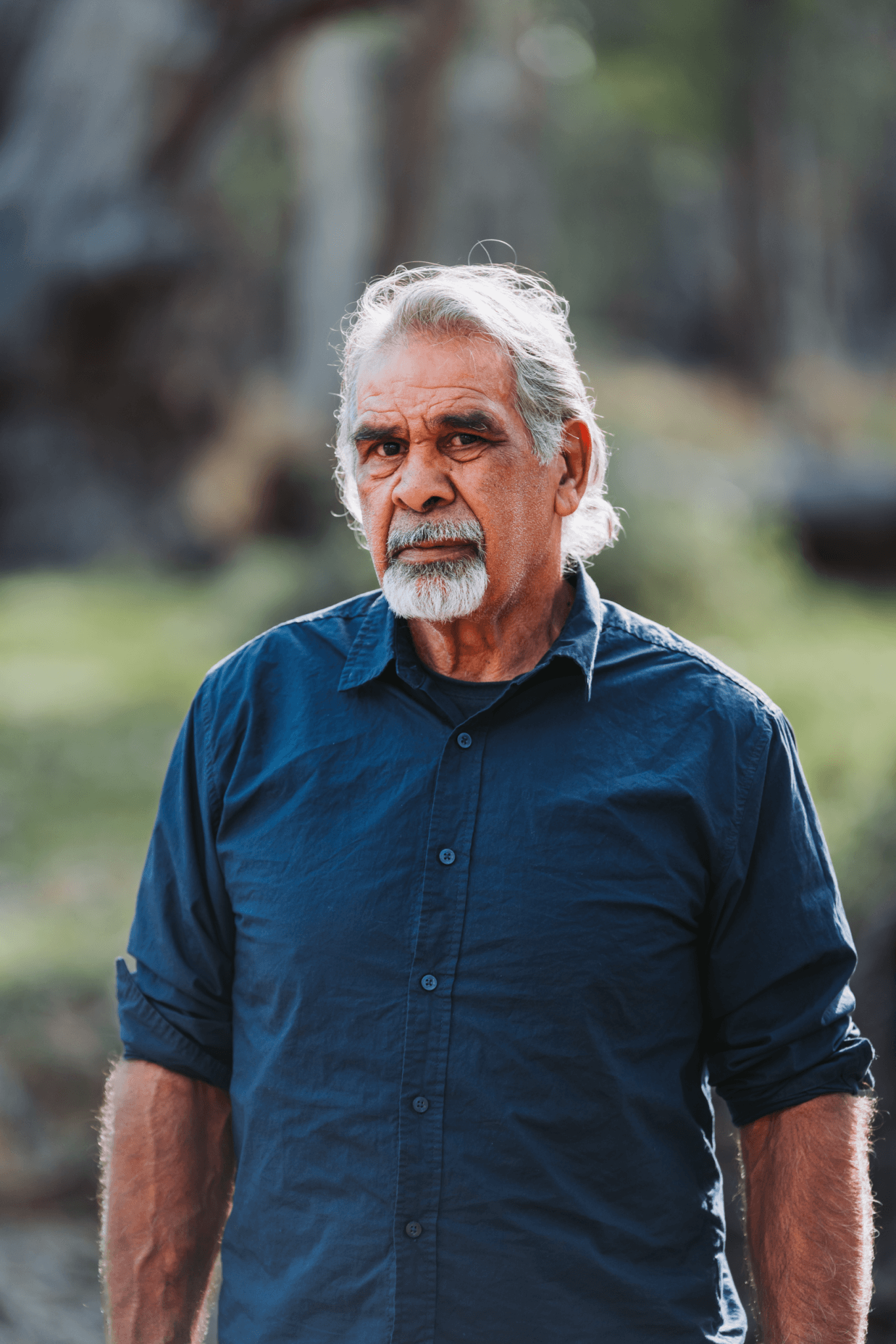
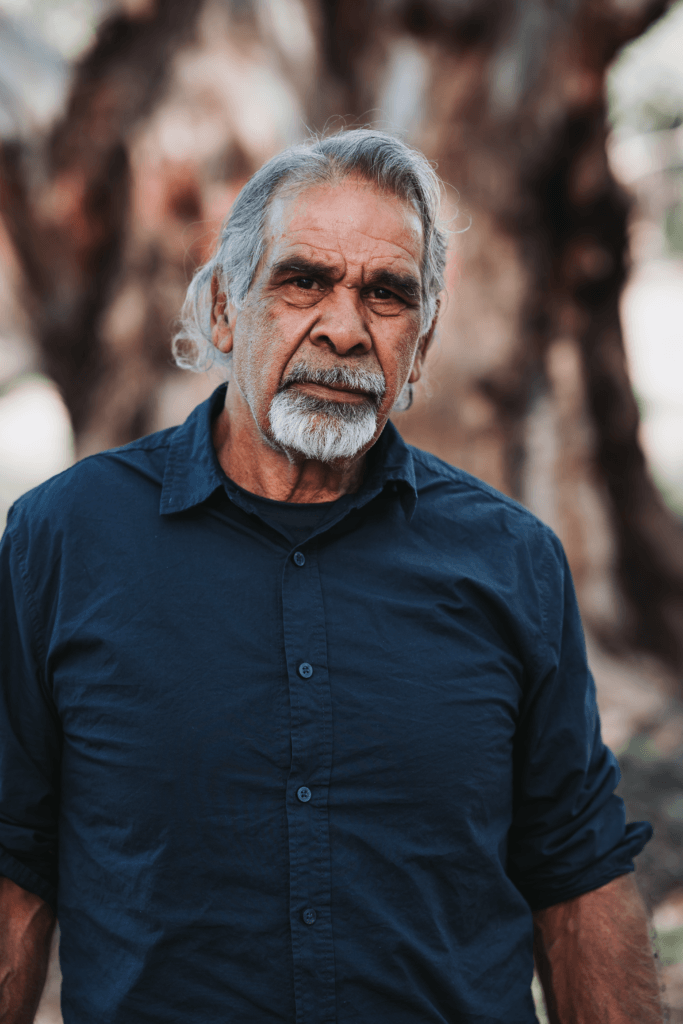
Vince Kirby is a Wadi Wadi man who grew up along the banks of the Murray River. His connection to Country spans countless generations.
Nyah is on Vince’s mother’s, grandmother’s and great grandmother’s Country, and Vince has spent much of his life camping and visiting the river, wetlands and places that hold deep cultural and family meaning.
“We’ve looked after these rivers and wetlands forever. My grandmother grew up here and now I take my great-grandchildren there. We have always camped out there at Nyah. It was where we went to be on Country and enjoy our connection to Country. "
— Vince Kirby
The bigger picture
For Vince, these cases were about protecting more than individual sites.
They were about protecting a living cultural landscape, and the rights of Wadi Wadi people to maintain their connection to Country and pass that connection on to future generations.
“I don’t want to take my grandkids to my beautiful rivers and the places we used to camp and have to explain why there is a giant concrete regulator in their river.”
“The river can’t survive without its floodplains, and the floodplains can’t survive without the river. Our people have understood that connection and cared for these places for thousands of years."
“Floodplains, wetlands, lakes and creeks are part of the river’s natural filtering system. You can’t treat them as separate from the river."
Vince Kirby