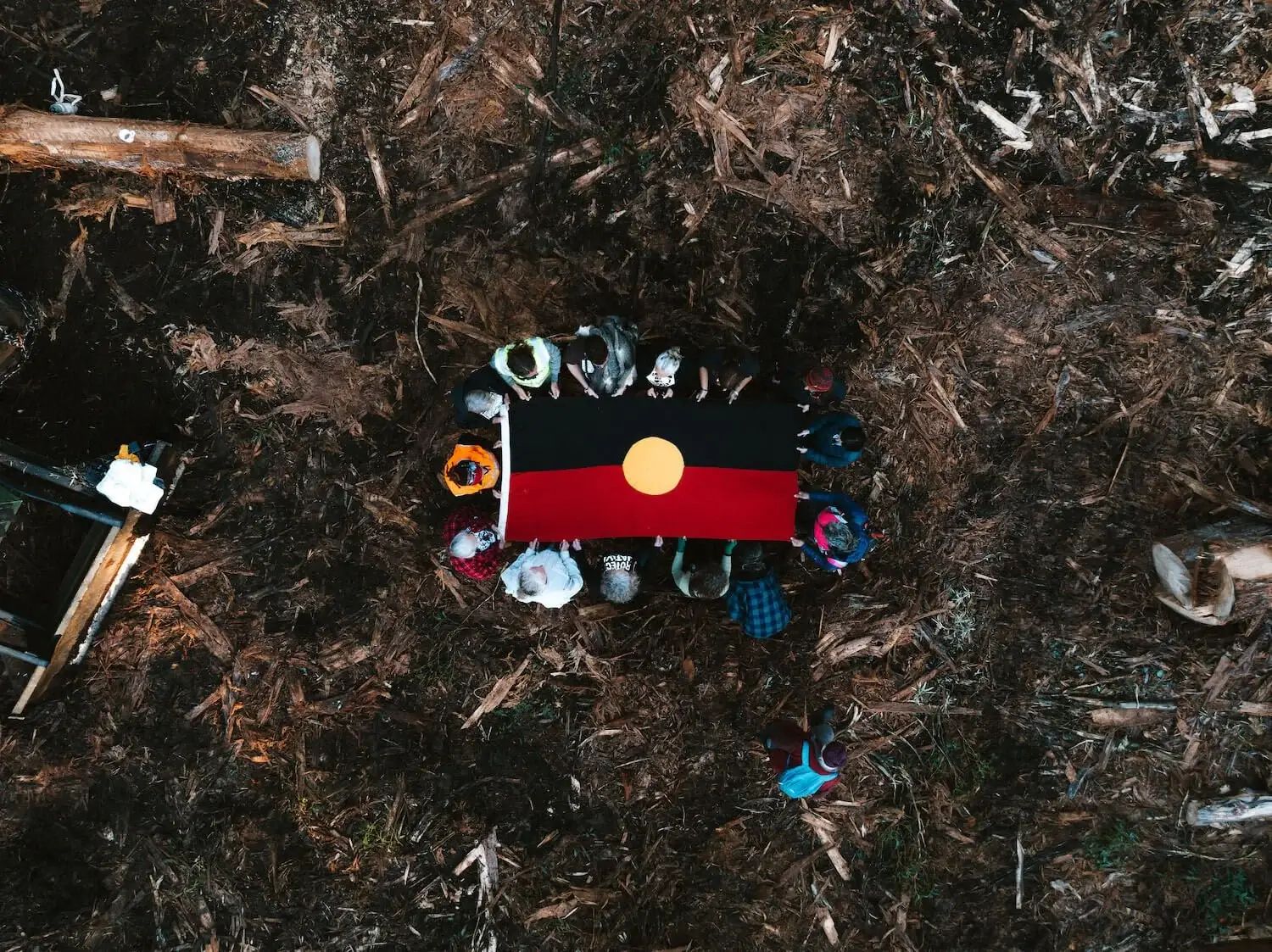
A forest protection case to watch
‘Law lives in Country’
“I am defending our cultural obligation to protect the very things that give us life.”
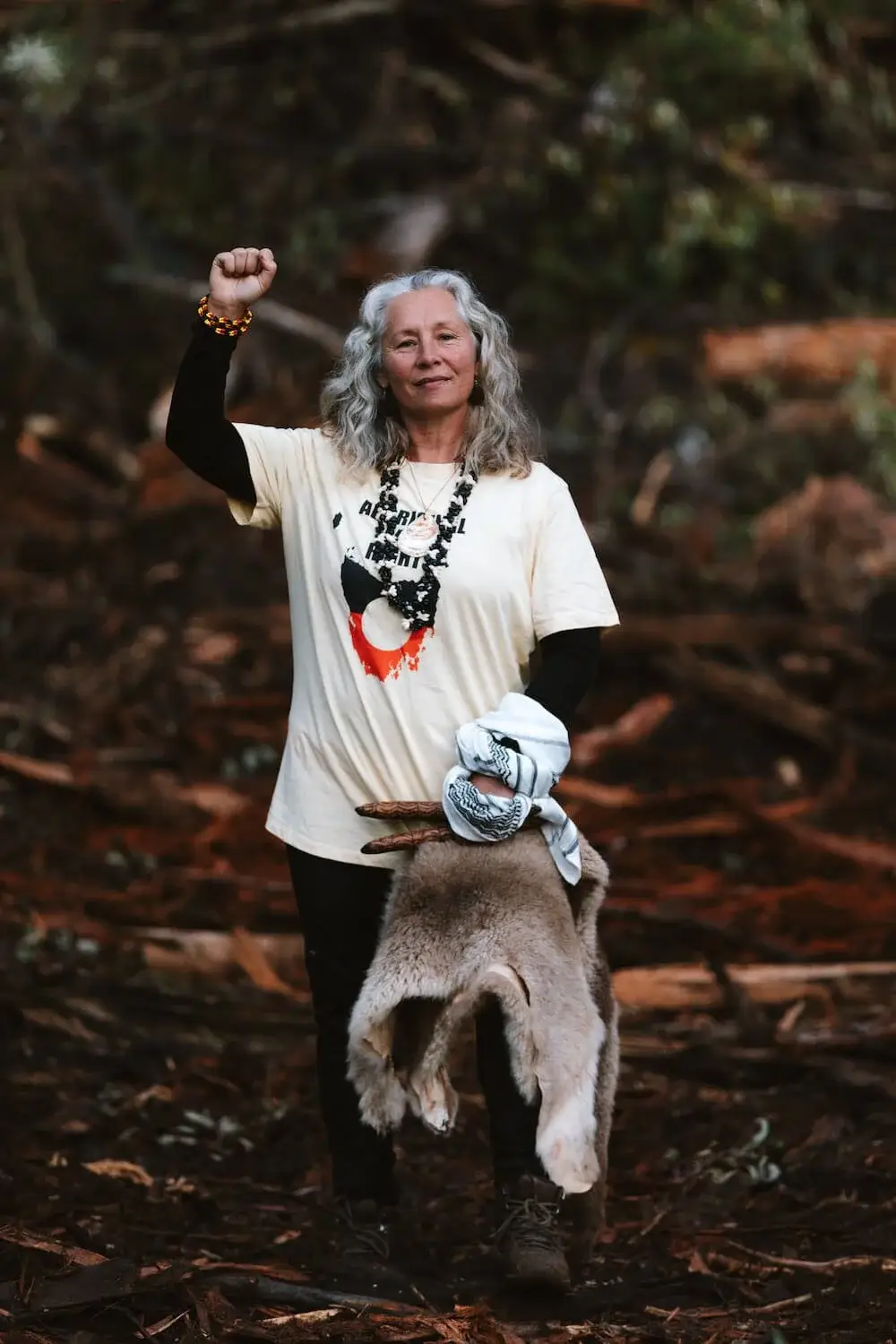
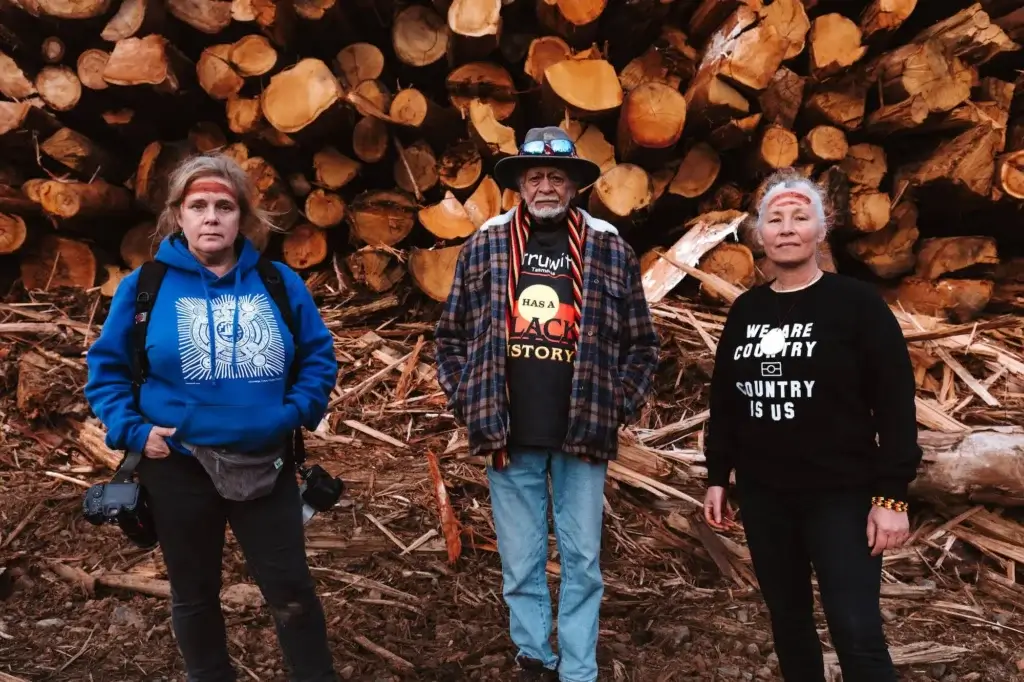
Those words were spoken in the Hobart Magistrates Court by Ruth Langford, a Yorta Yorta/Dja Dja Wurrung woman born in Tasmania and deeply connected to the Palawa Aboriginal community, who appeared before the Court following peaceful actions to protect native forests in lutruwita/Tasmania in 2025.
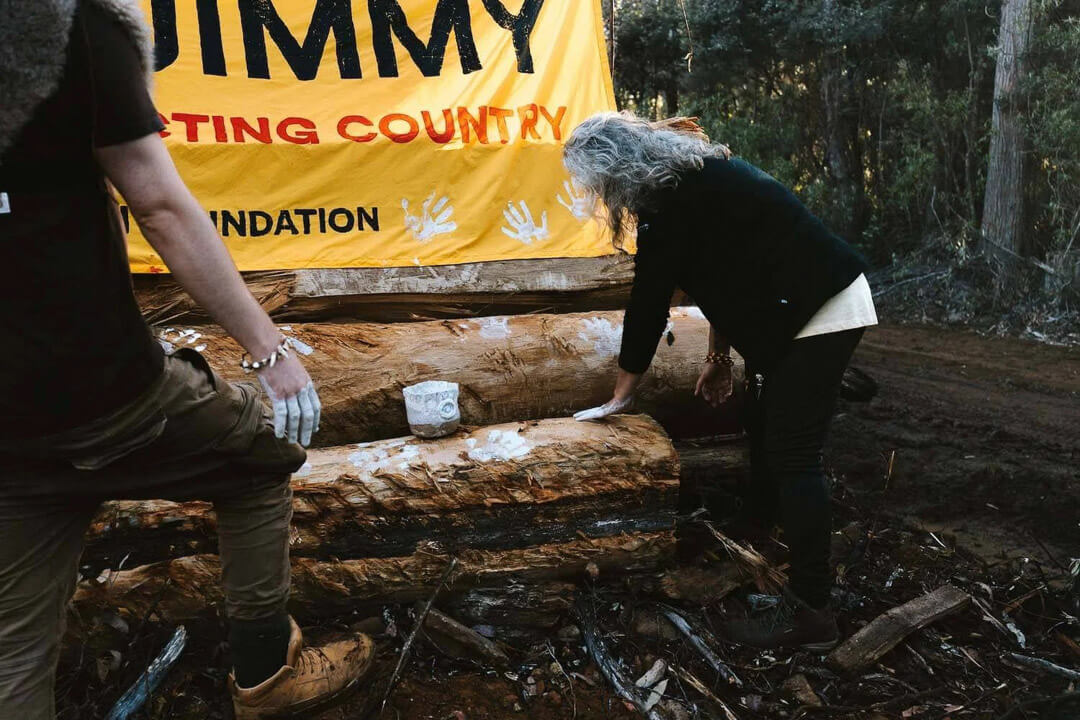
Ruth is representing herself in court
In order to give a direct voice to her cultural obligations to protect Country.
The case raises profound legal questions about what happens when cultural obligations to protect Country come into conflict with government-approved environmental destruction.
“The first responsibility of Law in Country is to protect the natural systems that give life to all. As an Aboriginal woman, & as an Australian, I am bound by that responsibility.
– Ruth Langford
I was not trespassing. I was acting with permission from a Senior Palawa Law Keeper to protect Country from destruction. I am following Palawa Law, which places a clear responsibility on us to defend Country from ongoing destruction.”
Unresolved tensions
Colonial law and Law in Country
Pleading not guilty to all charges arising from forest protection actions, Ruth is arguing that she was acting under a cultural and legal obligation to protect Country and that this obligation takes priority over the interests asserted by Forestry Tasmania.
“I am defending our cultural obligation to protect the beautiful forests and water that give us life,” Ruth explained. “If you live on this Country, you are bound by First Law - the Aboriginal Law that existed long before colonisation and continues in Country today. No colonial law can erase that responsibility. We are Country, and Country is us. I am simply honouring my obligation to protect it.”
A rare and powerful move
Ruth is now asking the Magistrates Court to hear her evidence on Country. She is calling on the Court to have Aboriginal expert witnesses give testimony at Piyura Kitina/Risdon Cove, the site of the first massacre of Aboriginal people in lutruwita/Tasmania.
The court is expected to make a decision on 20 April 2026.
If granted, this would be the first time the Tasmanian Magistrates Court hears evidence from Aboriginal people about responsibilities to Country, on Country.
As Ruth puts it: ““The Magistrates Court now has an opportunity to provide a pathway for Palawa and Aboriginal family and community members to attend this hearing in a culturally safe environment where they can feel supported and properly understood.”
Sign up to follow this case: https://www.tellthetruth.com.au/
“Across this continent, Law in Country is clear: our primary obligation is to protect the systems that sustain life. That obligation has never ended.”
– Ruth Langford
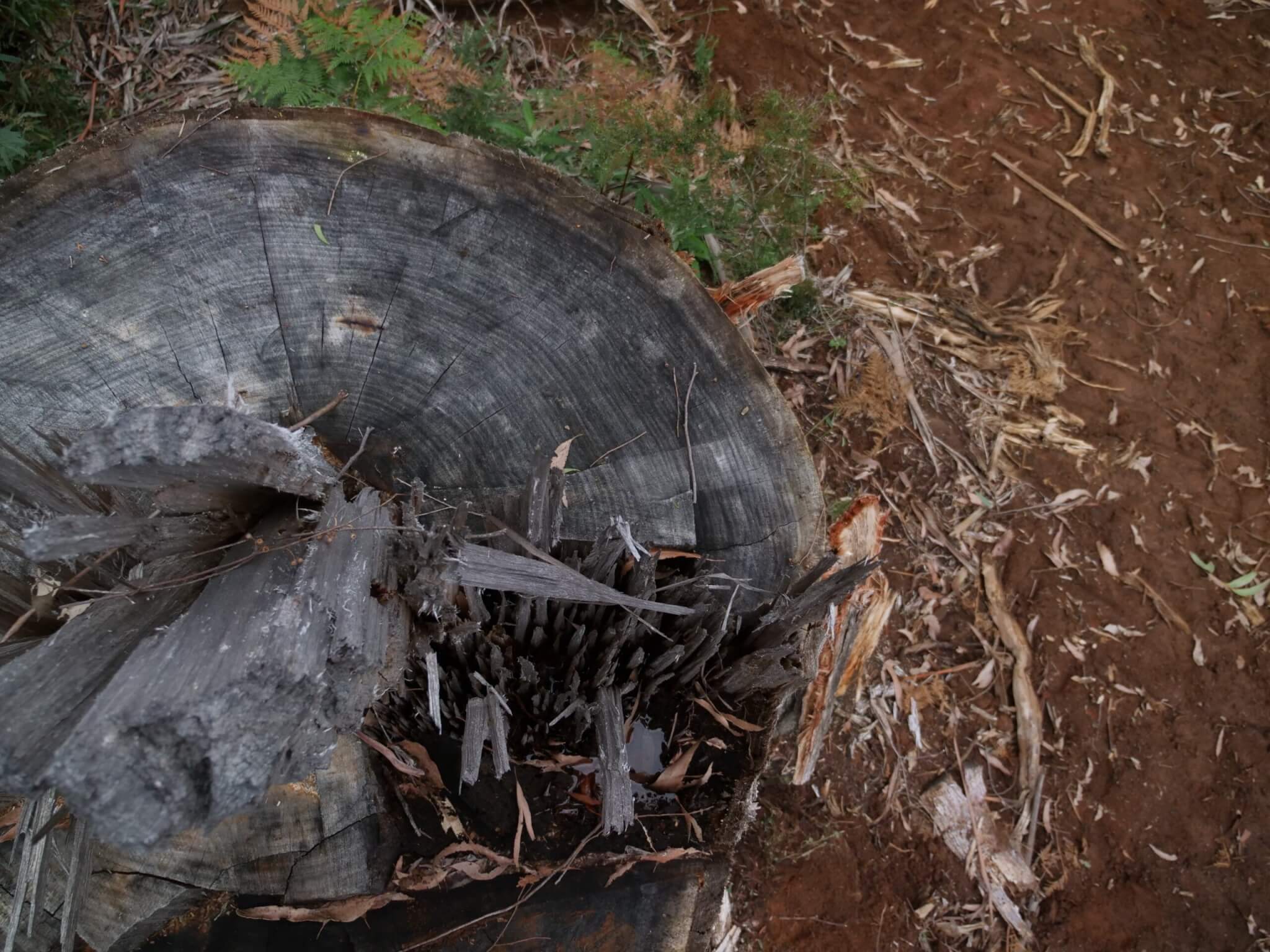
Her court appearance comes amid ongoing public concern about logging in Tasmania’s native forests and, in the lead-up to 26 January, highlights the unresolved reality of invasion – where First Nations law, authority and connection to Country remain largely unrecognised in Australia’s legal system.
Cases like this matter because they expose the limits of colonial law in responding to the climate and extinction crises, and they challenge courts to reckon with legal systems that have existed, and endured, for tens of thousands of years.
Image credit 1-3, 5: Ramji Ambrosiussen
Stay in the loop
Follow Ruth Langford as her case progresses, as well as the ‘Tell the Truth” campaign, led by Uncle Jim Everett, which is asserting the First Nations concept of Law in Country and that First Nations people are the Law Keepers of Country.