Great Northern Savanna case
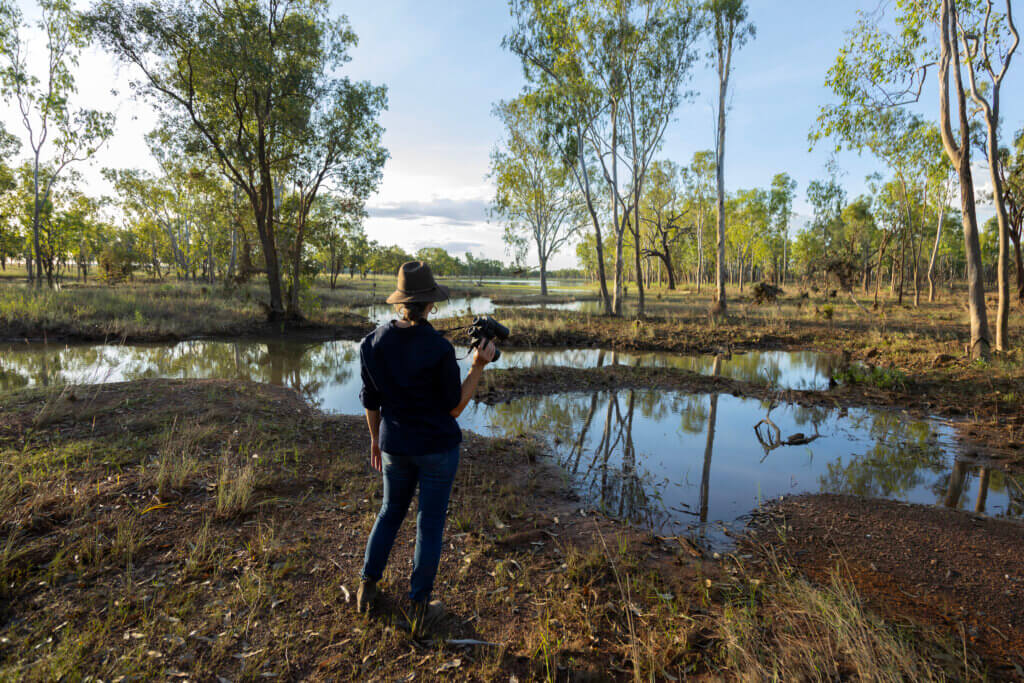
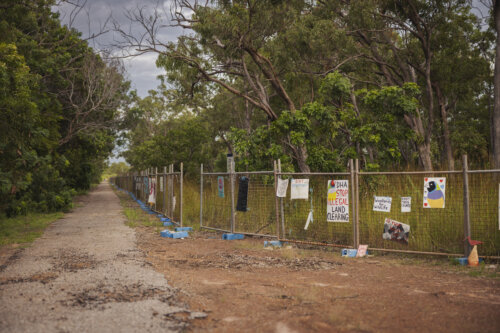
Environmental Justice Australia lawyers are representing the Environment Centre NT (ECNT) as they challenge the bulldozing of Australia’s Great Savanna at Claravale Station, near the Daly River.
Our client is challenging the Environment Minister’s decision not to assess plans to destroy almost 3,000 hectares of tropical savanna in the NT.
Thousands of hectares of savanna at risk. Habitat for more than 20 threatened species in the bulldozers’ path. Country, culture and connection under threat.
They say these plans point to a deforestation crisis unfolding across the Territory – with bulldozers rolling in while the Government looks away.

“Given the scale of the bulldozing and the risks to threatened wildlife in this biodiversity hotspot, this case raises serious questions about whether Australia’s nature laws are being properly applied.”
Nicola Silbert, Environmental Justice Senior Lawyer
Why this case matters
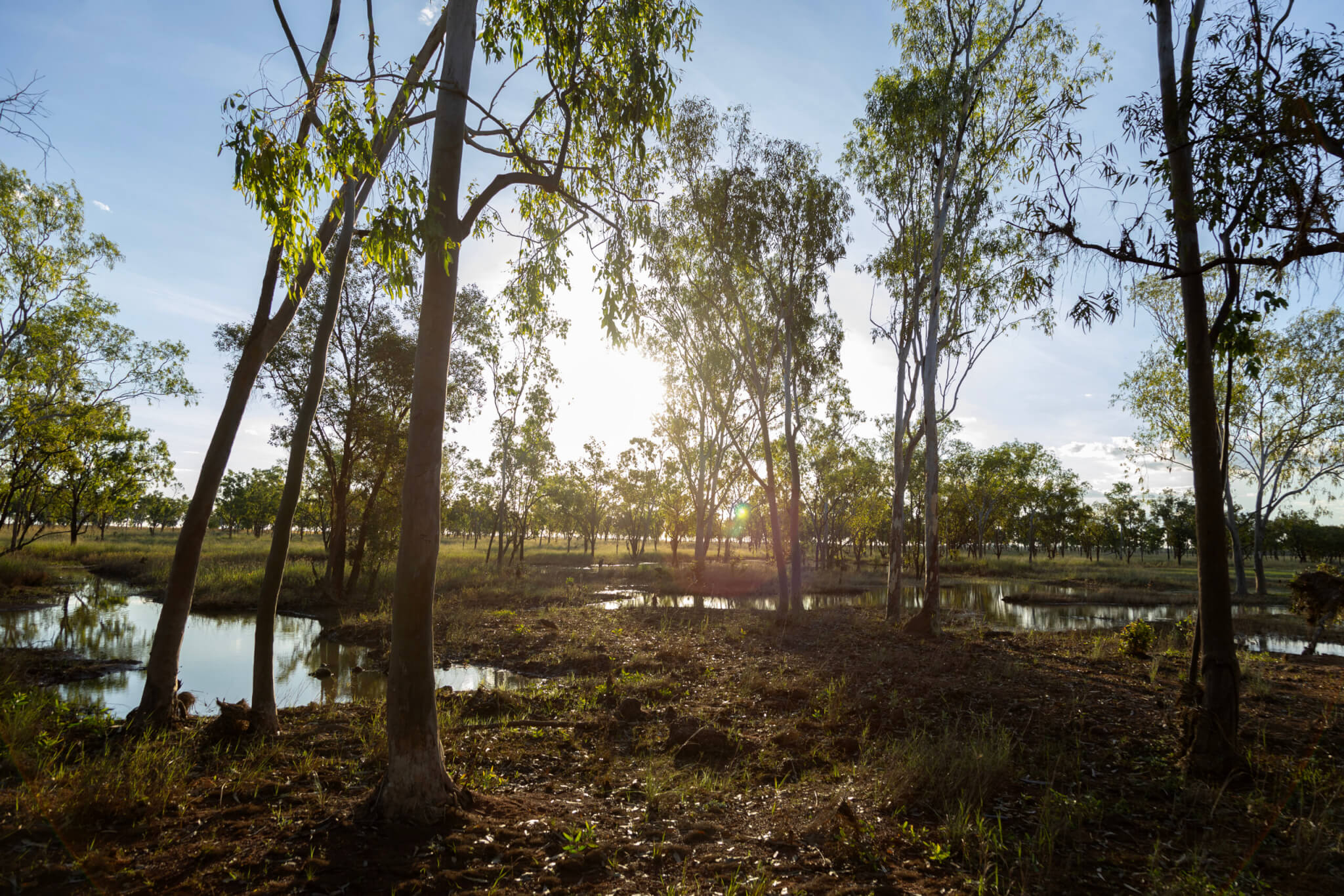
This case doesn’t just matter for Claravale or the NT’s great savannas.
Land clearing for agriculture is rapidly expanding across the Northern Territory, driven in part by the push for industrial-scale cotton. As the cotton industry moves north, thousands of hectares of tropical savanna are being opened up for bulldozing.
That makes this case an important legal test: what level of scrutiny should large-scale deforestation face when threatened wildlife habitat is at risk?
If successful, it could set a clear precedent that major land clearing in the NT cannot slip through without federal scrutiny.
ECNT's Legal Arguments
ECNT is challenging the federal Environment Minister’s decision not to assess plans to bulldoze almost 3,000 hectares of tropical savanna at Claravale Station and Farm.
Under Australia’s national environment laws, projects likely to have a significant impact on threatened species must be assessed by the federal Environment Minister.
In this case, the project was referred, but the Minister decided the clearing did not need federal assessment.
ECNT says that decision was unlawful. Their case has two main arguments:
The Minister had the power under national environment laws to reject the referral because it only included one component of a larger project. That power should have been used, given the proposed clearing is part of a larger project which includes past and future land clearing.
The 2025 application to clear almost 3,000 hectares at Claravale is only one part of a larger deforestation project.
The first clearing happened in 2021. Part of that clearing was later found to be unlawful. A third stage of clearing is also planned, but no formal application has been made for it yet.
Under national environment law, the Minister can decide not to accept a referral where it is a component of a larger project.
ECNT argues the Minister made an error by considering the 2025 clearing in isolation, instead of considering it in the context of the previous clearing and future planned clearing.ECNT is concerned the approvals process is being used to slice the project into separate pieces, avoiding proper scrutiny of the full scale of the development.
The Minister failed to properly consider the precautionary principle – a key principle in Australian environmental law.
Under Australian environmental law, decision-makers must apply the precautionary principle.
It means decision-makers can’t wait for perfect scientific proof before stepping in to prevent serious environmental harm. Instead, they must take a cautious approach that prioritises protecting the environment.
ECNT argues the Minister failed to properly consider that cautious approach. For example, the government’s own experts called for more surveys to understand the risks of this project to ghost bats, but the Minister still decided the project did not need federal assessment.
Click on the arrows for more information.
In making its decision, the court will decide whether the Minister’s decision not to assess the project was legal. As this is a judicial review case the Court can only find an error of law, it will not decide whether the clearing should go ahead.
Australia's Great Savanna
This case is about proposed large-scale clearing in one of the most important tropical savanna landscapes on Earth.
Northern Australia is home to the largest intact tropical savanna left in the world – a vast landscape of grasslands, woodlands, rivers and wetlands stretching across the Top End.
Claravale Station and Farm sit within this landscape, on Wagiman Country near the Daly River. The region has been cared for by Traditional Owners since time immemorial and holds deep cultural, ecological and environmental significance.
It is also habitat for threatened species protected under national environment law, including Gouldian finches, ghost bats and the prehistoric freshwater sawfish. These species are already under pressure from climate change, habitat destruction and ecosystem collapse.

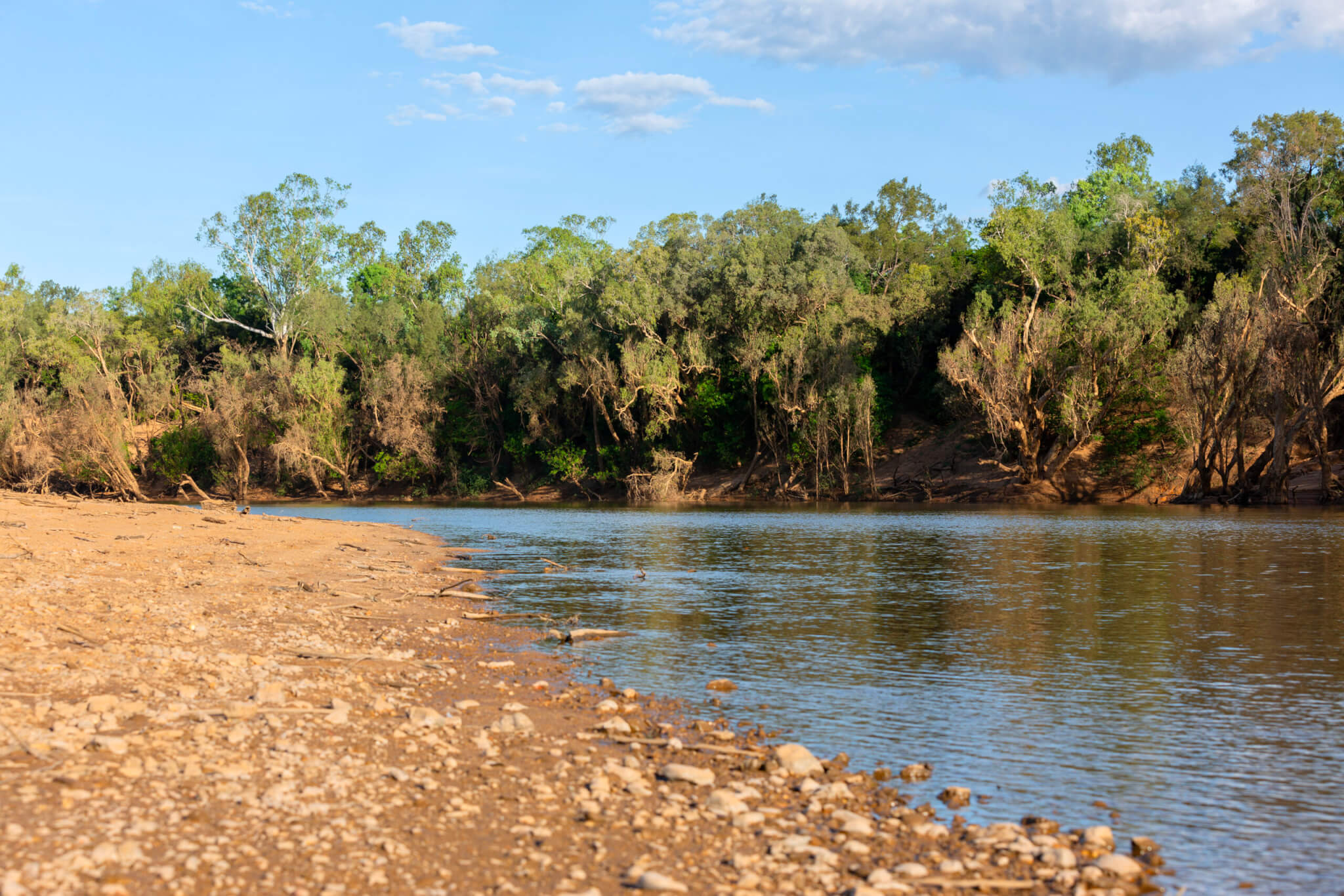
The Daly River system helps sustain life across this landscape.
It nourishes soils, waterways, plants and animals across the region. The savanna also stores vast amounts of carbon, helping keep it out of the atmosphere.
ECNT says proposed clearing at Claravale puts this landscape and its threatened wildlife at risk. Once tropical savanna is cleared at this scale, it cannot be restored in our lifetime.
Claravale and the Top End Pastoral Company
About the client
Environment Centre NT (ECNT) is the peak environment group in the Northern Territory. Since 1983, ECNT has worked to protect the Territory’s extraordinary natural and cultural values, from its free-flowing rivers and tropical savannas to its unique wildlife and climate.