Faces of Environmental Justice Australia
Meet Alina
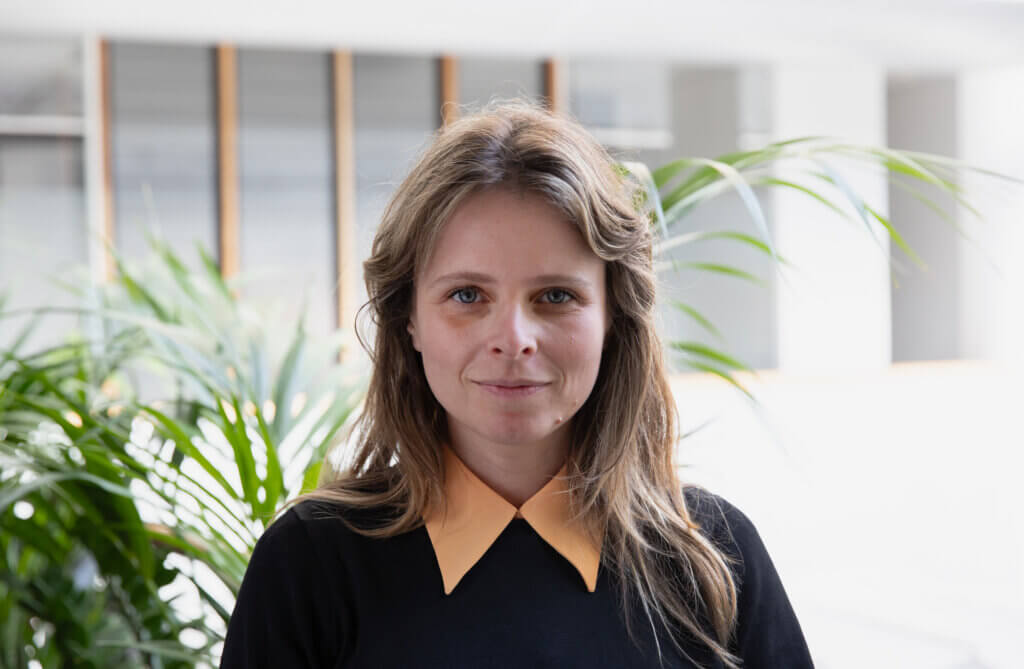
Alina Leikin is principal lawyer at Environmental Justice Australia, working across EJA’s legal practice to help shape strategy, strengthen cases and support our lawyers to do ambitious public interest work.
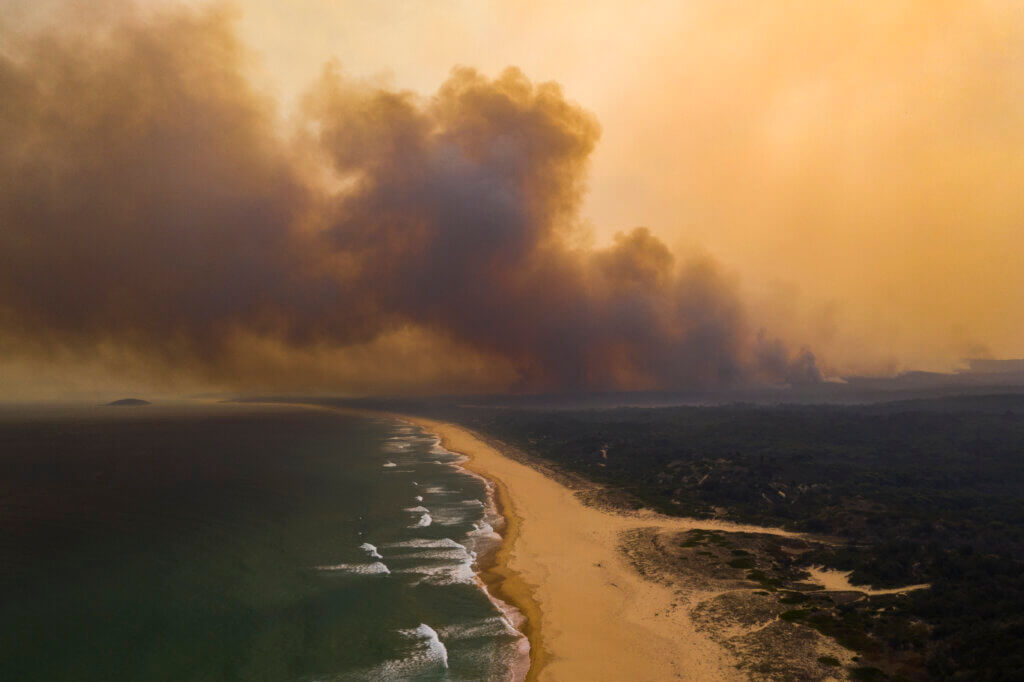
As a kid, Alina wanted to be a vet. By university, she had found another way to act on the same instinct to care deeply about the world around her: public interest law. Her career has since taken her through private practice, human rights and civil justice work across Victoria and the Northern Territory, before the Black Summer bushfires sharpened her focus on climate and environmental justice.
Alina is the kind of lawyer who finds the law surprisingly creative. She asks, “what does success look like for the client?” before getting too attached to any one legal pathway, and believes some of the best strategic insight comes from the clients and communities who have been fighting the longest.
Today, much of her work happens behind the scenes, helping EJA’s lawyers tackle difficult legal questions, think beyond individual cases and build the kind of collective, sustainable practice needed for long fights for justice. As Alina puts it, “you cannot sprint a marathon.”
What first drew you to law?
“When I was very little, I loved animals and the natural world. But from quite a young age, and I think through immigrating to Australia from a country my family was not welcome or safe in, I also had a sense of institutions of power holding a certain place in society and not always using that power in a way that was fair.
By the time I got to university, I was very clear that I wanted to be a lawyer. I wanted to play a role in equalising that power imbalance and working to serve communities that were often the subjects of power.
And then at law school, I always knew that I wanted to be a public interest lawyer. Although I didn’t quite know that articulation at the time, I knew I wanted to work for those holding power to account.
As EJA’s principal lawyer, what does your role look like day to day?
One of the most fundamental things in how I see my role is supporting people in whatever way they need to do their best work.
I’m not generally running the cases myself anymore. A day might involve helping a lawyer troubleshoot a really difficult legal problem, talking through the strategy on a case, working out which barrister is the right fit for a piece of work, or stepping back to think about the bigger impact we’re trying to have.
“Sometimes it’s very specific – one knotty legal question on one case. Other times it’s about how a whole team is working, what resources people need, or how we make sure ambitious work is also sustainable."
Alina Leikin
I feel very privileged to be able to show up for the people who are running the cases. Part of that is helping with the law and strategy, but part of it is also setting people up for success as a whole person, things like making sure they feel supported and don’t have to carry everything alone.
So, no two days really look the same. I might move between a barrister selection, a team issue, a case strategy discussion and a very specific point of law, all in the same day.
You’ve said you find the law surprisingly creative. What do you mean by that?
I absolutely see the deep systemic problems in the legal system, but I’ve always found it quite a creative thing, strangely, which probably not many people say about the law.
I think it invites a level of imagination, especially if you do the work that we do.
EJA talks about using the law to create systemic change. What does that mean to you?
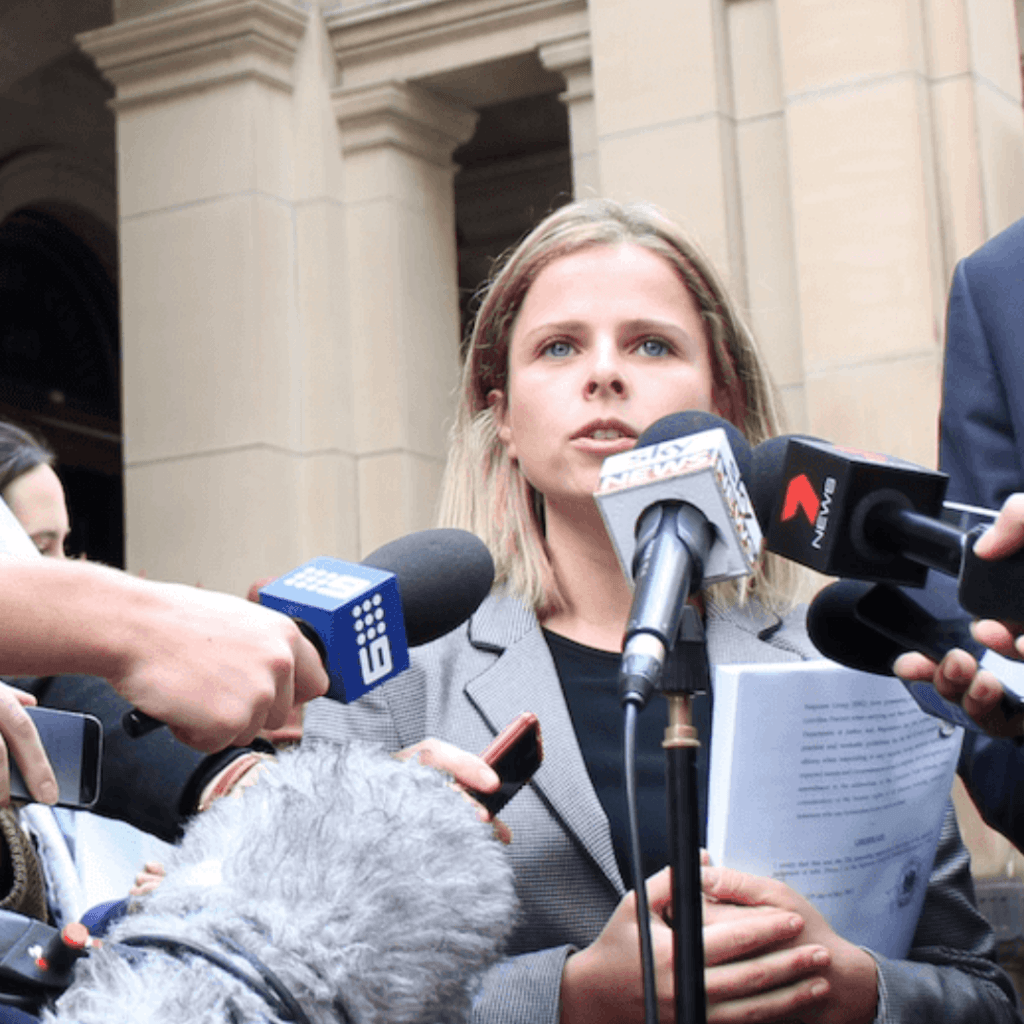
One thing we always try to do is zoom out from any single legal action or client problem and understand it contextually – to think about how one case or legal avenue can be part of a much longer arc of change, with implications far beyond the individual intervention.
Some of the questions I ask myself in my work include: what does success actually look like? What would it take to get there? What does impact mean and how do we assess it?
I’ve carried that way of thinking throughout my career – asking the big why, and working from that starting point.
Sometimes it can be really hard to predict the pathway for what systemic change looks like until after the fact.
As in, you don’t always know which case or intervention is going to open a door, or which intervention is going to really impact the policy, political and legal landscape.
What have you learned from working alongside communities fighting for justice?
They’re the experts.
As a lawyer, you have a lot of training and access to a language that many people don’t. It can be all too easy to think of yourself as an expert coming in to fix a problem.
But especially with communities fighting long, hard fights for justice, you usually come in as one little chapter in a much bigger story, or you offer one tool they can use.
The depth of expertise and the instincts that should be followed are in the communities themselves. Their journey is so much broader and more informed than any single legal intervention.
You can’t always control the outcome, but to a degree you can control the process through which you work. And often that – making sure you work with communities really thoughtfully and on their own terms – is much more important.
Environmental and climate justice can involve incredibly long fights. What gives you confidence that change is possible?
The past... When you look at movements that have created huge shifts – the land rights movement, the women’s rights movement and others – many of the things they were fighting for would have seemed utterly impossible at the time.
The forward momentum is never simple. There is always a pullback as well. But things do shift. The difficult thing is patience, which I certainly don’t always have enough of!
You have to take the long view. Sometimes you have to pass the baton to someone else. Just because you didn’t see success during your period of doing the work doesn’t mean that, in the long run, it won’t be successful.
Alina Leikin
If history shows us anything, it’s the important of patience and perseverance in big and important movements for progress.
What has changed about how you approach this work over your career?
I used to really believe that if I didn’t keep going through anything and everything, the work wouldn’t get done. Now, I really understand that you cannot sprint a marathon.
You need to see this work as a collective effort, where people step in and step out when they need to and when they can. And also trust that others will step in if you need to step out.
If you see yourself doing this work for the long term, you need an approach that keeps things sustainable, manageable, and hopeful.
On that, away from the law, what helps you switch off?
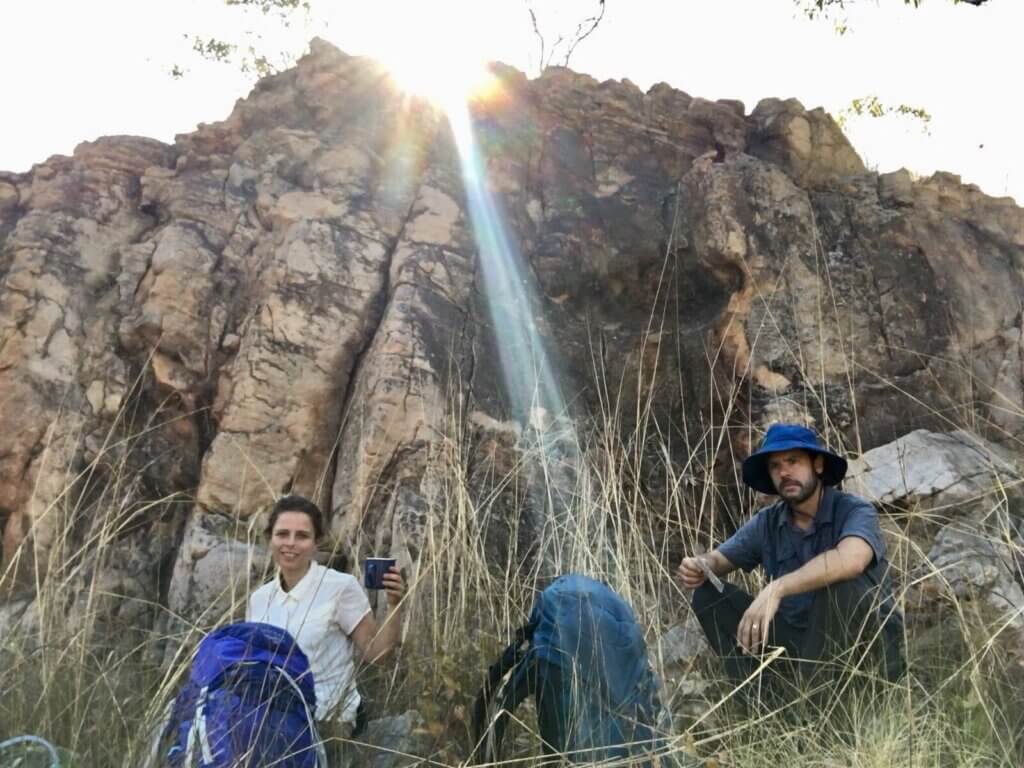
As clichéd as it sounds for a lawyer working in the environment space, it’s being in nature.
It can actually be hard to make the time to go and enjoy the places we are trying to protect. But I find it so restorative, especially getting to the ocean.
And, I have to admit the very immediate needs of my small children definitely help pull me out of thinking about work!

Lastly, what advice would you give someone who wants to use their career to make the world fairer?
Humility is a huge one. It’s being humbled over and over again, and not feeling like you have all the answers or that you’ve got the right answer. It’s keeping a really open mind and heart to what others offer in the collective effort.
And also finding ways to sustain yourself and the people around you. It’s important that we have people who can do this work over a long period of time.
A mentor once told me in my 20s that careers are very long. At the time, I didn’t really understand it because I was in a hurry to do all the things. But I come back to that advice a lot now.
There are phases in a career – times when you carry a big load, times when you carry a smaller one, detours, sidesteps, and time out.
You don’t have to do it all yesterday. So invest in the relationships, and invest in the how, not just the what.
Alina Leikin
Meet more of our people





Make a difference
The challenges we face are vast. The time to push for large-scale system change is now.