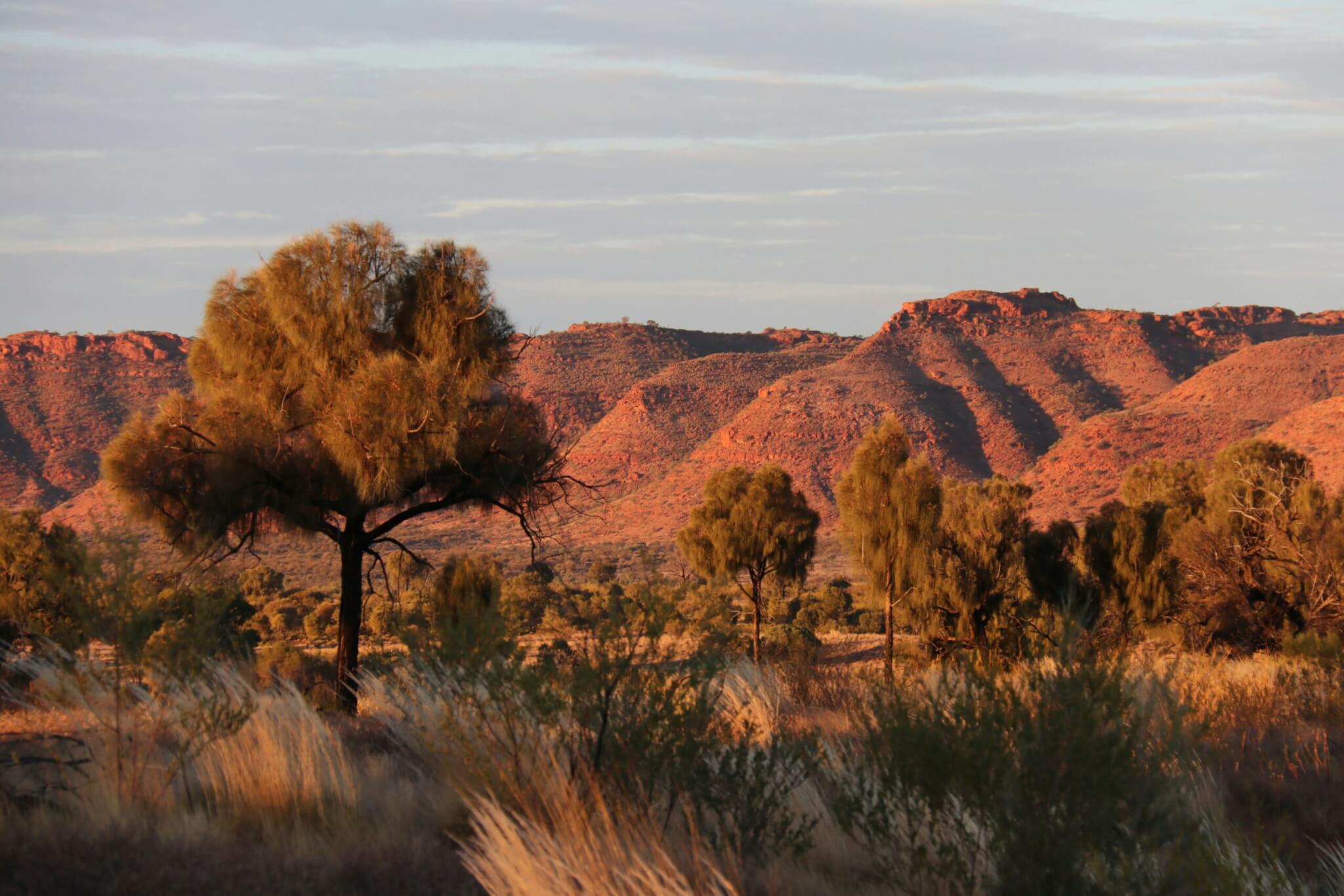
Faces of Environmental Justice Australia
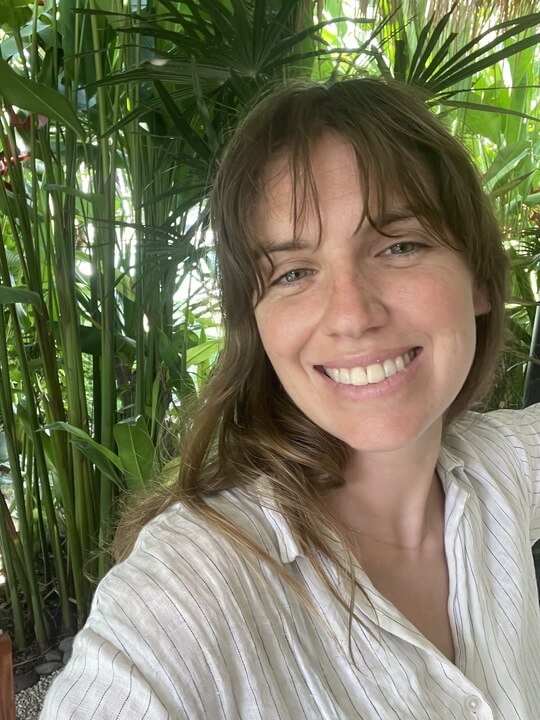
Meet Michaela
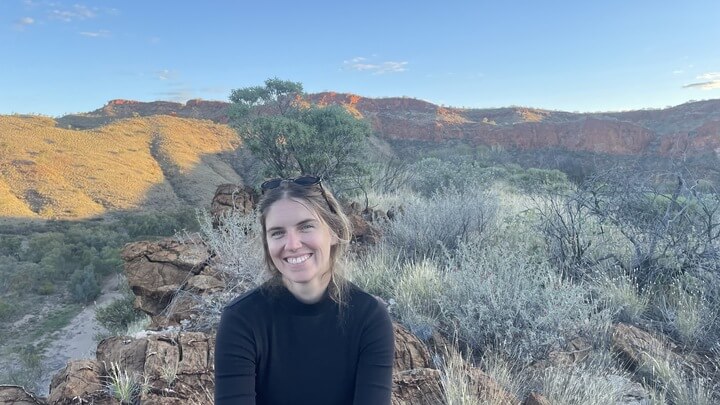
From serving as an associate to a Supreme Court judge to working as a regional lawyer in the Northern Territory, Michaela has seen firsthand how the law can entrench injustice.
Now, as a senior lawyer in EJA’s Justice team, she’s using the law to hold power to account and help rebalance the scales.
Michaela is a senior lawyer at Environmental Justice Australia, working at the intersection of environmental protection, community rights and justice.
Before joining EJA, she worked as a regional lawyer at the Northern Land Council and as a civil solicitor at the North Australian Aboriginal Justice Agency, and served as an Associate to a Supreme Court Judge. Across these roles, she’s seen firsthand how the law can both entrench injustice and be used as a powerful tool for change.
Michaela holds a Bachelor of Arts/Law (Hons) from the University of New South Wales and a Bachelor of Arts (Hons) from the University of Sydney. She also completed a Graduate Certificate of Arts in Yolngu Languages and Culture – an experience that continues to shape how she approaches her work and relationships.
She now lives and works on Wurundjeri Country, where she brings deep experience, care and clarity to EJA’s community-powered legal work

What does environmental justice mean to you in practice – not just as a concept, but in the day-to-day of your work?
Environmental justice is so many things but practically it often feels as simple as turning up day after day for your clients. It’s rare that you see big changes happen overnight – legal matters usually run for several years and that's often off the back even more years of effort by our clients.
Environmental justice in a practical sense also requires keeping an open mind. I’m excited to see how this space is developing – I'm really proud that our organisation has been involved in treaty work in Victoria, as an example. Environmental justice seems to be ever-expanding and I think that’s a good thing. There are opportunities to see the linkages between once disparate things.
"Environmental justice is so many things but practically it often feels as simple as turning up day after day for your clients. "
Can you share a moment in your career that shifted how you see the role of the law?
For a time up in the Northern Territory, I had the enormous privilege of working with Traditional Owner groups that had secured hard-fought Aboriginal land rights. These rights are the strongest land rights in the country and give rights holders the ability to veto projects and also generate an income.
However, we found that not everyone respects these rights or is even aware that these rights exist. There were constant breaches, including conduct which amounted to criminal offences, but we had no ability to enforce the law.
It gave me a concrete example of the need for enforcement of the law, not its mere existence, to feel its full strength. I also was able to observe up close the politics of whose rights are prioritised and protected. To overcome this, we ended up working with the Commonwealth Prosecutions, and I believe we made history when four people were fined for the first time for illegally fishing in Aboriginal waters.
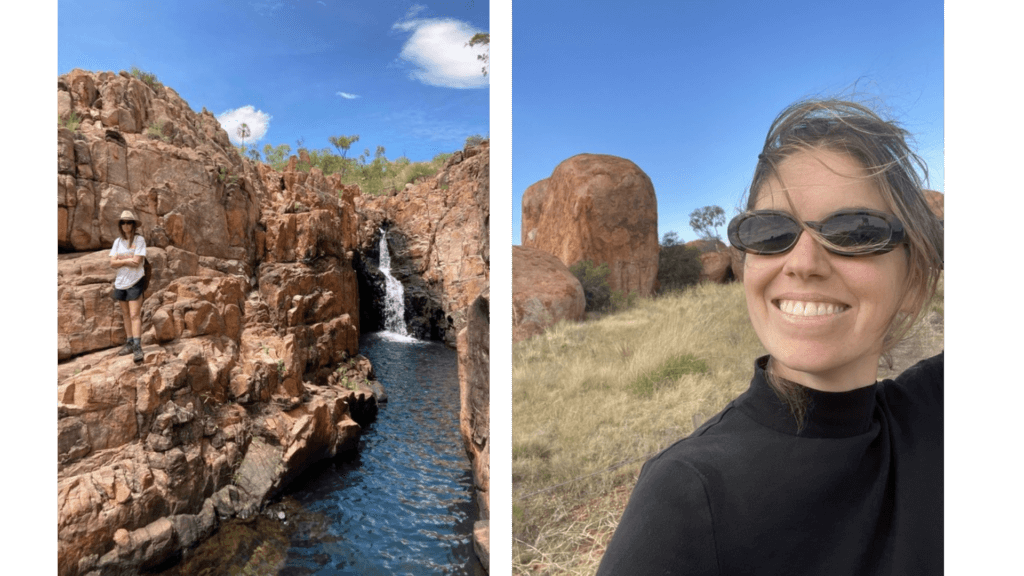
What does community-powered legal action actually look like from your side of the table?
I am always blown away by the tenacity, graciousness and courage of our clients. Not only have I met my heroes but I get to work for them every day.
Legal action is often unglamorous but our clients have an incredible ability to not lose sight of the bigger picture. I think they realise that reviewing yet another track-changes document is one step closer to the desired legal outcome even if it pains them. Legal action can be a behemoth and I am grateful for the trust of our clients to navigate often confusing, alienating processes.
What’s something about your job that might surprise people?
Every matter I’ve worked on at EJA has involved a new area of law! The learning never stops! Environmental law may sound like a specialisation but it’s so broad and varied that two people can easily develop entirely different skill sets.
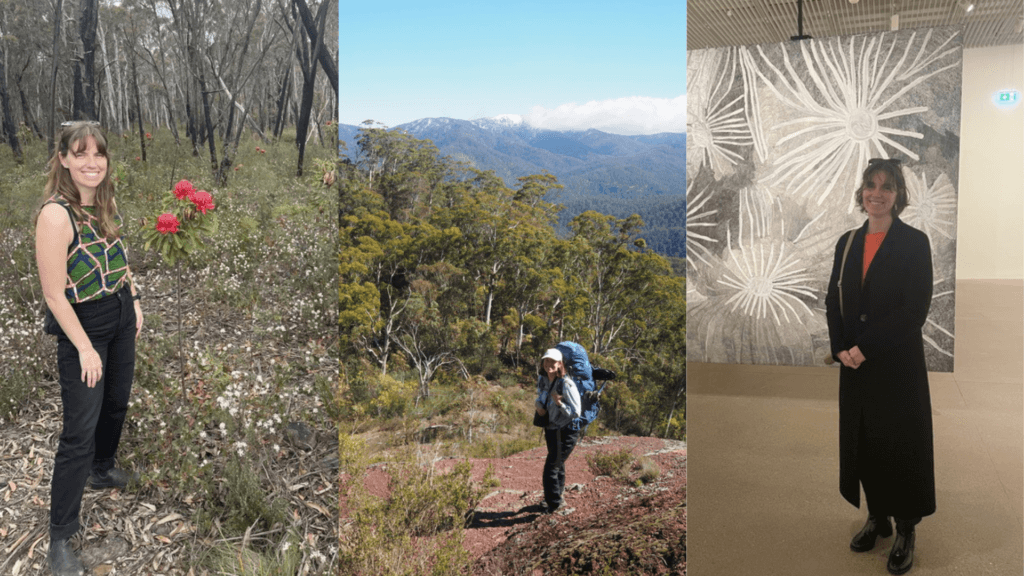
You’ve worked closely with First Nations organisations and communities. What has that taught you about how the law should – and shouldn’t – operate?
Every community is different but it’s clear we are still a very long way away from truly incorporating Indigenous knowledge and perspectives into our legal decisions and laws.
Our legal system was born out of a particular historical, social and cultural context, which often leads to poor outcomes for First Nations communities. There is momentum building for changing how we educate law students on First Peoples-related subjects including from but not limited to recommendations from the Yoorrook Commissions’ Final Report. Victoria Aboriginal Legal Service is also leading a project to create a First Nations cultural capacity framework for all Victorian legal practitioners.
There is such a need for this kind of work across Australia including expanding the cultural competency of the judiciary. In my view, properly educating people working within the legal system is just as important as having laws which give First Nations people the benefit of the equality before the law.
How do you navigate the tension between slow legal processes and the urgency of climate and environmental harm?
That tension isn’t something that weighs heavily on me. I am more frustrated by the lack of political will from our elected representatives that it causes our clients to seek legal help.
The law is just one tool to deal with the urgency of the various climate and environmental crises. If we had stronger protections for the environment, climate and human rights that would be a game-changer but our clients often find ways to work successfully within our current system which is very inspiring.
What skills or qualities matter most in your role that aren’t taught in law school?
All our work is relational and it requires deep trust from both sides. To build that trust I believe you need to be able to work with all kinds of people, stay compassionate and be prepared to read up on a community’s history to understand the contemporary effects of colonisation.
What keeps you motivated when the work feels complex or systemic?
It’s rare that I feel overwhelmed by the enormity of it all but our clients and my colleagues are an endless source of support and motivation. In particular, our First Nations clients’ stories of survival, resilience and hope in the face of it all is truly awe-inspiring. It also helps knowing you are part of a broader environmental movement full of brilliant, dedicated people who are also doing all they can.
When you imagine a “radically better world,” what role do you see the law playing in getting us there?
I believe the law holds an important place in creating a “radically better world” and is certainly a powerful tool when used effectively. I’m always relieved when courts strike down governments' attempt to encroach upon our rights, like the freedom of political communication, when there seemed to be no other options to resist oppressive new laws. Those wins can feel like a true David and Goliath triumph and send a strong message to decision-makers about how we wish to be governed.
However, in a country like ours, we also need to understand and truly reckon with our past in order to pave a way for a brighter, more inclusive future. I firmly believe the work of truth telling is so important and should form part of the foundations of the radically better world we wish to create.
Read more about our game-changing work


Make a difference
The challenges we face are vast. The time to push for large-scale system change is now.