High Court rules on climate change (and it's a win!)
A small grassroots community group from the Upper Hunter Valley is celebrating – alongside friends across the climate movement.
Why?
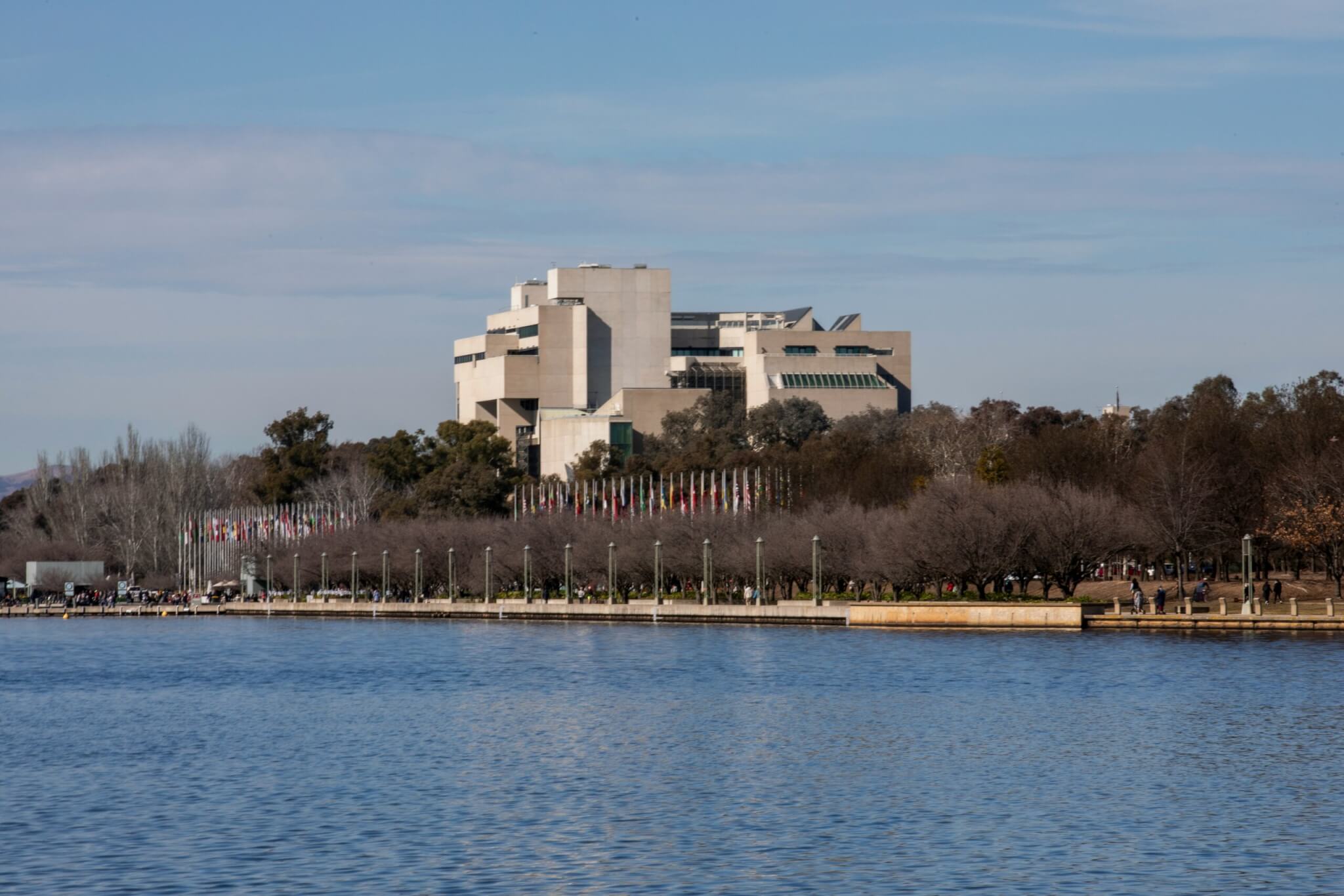
Because Australia’s highest court ruled in their favour, delivering a major setback to MACH Energy’s plans to extend the Mount Pleasant coal mine by another 22 years.
This decision is significant – not just for the community that took on the case, but for climate law and fossil fuel approvals across Australia.
Read on to catch up on the MACH Energy Australia Pty Ltd v Denman Aberdeen Muswellbrook Scone Healthy Environment Group Inc case, what the High Court, decided and what's next
About the case
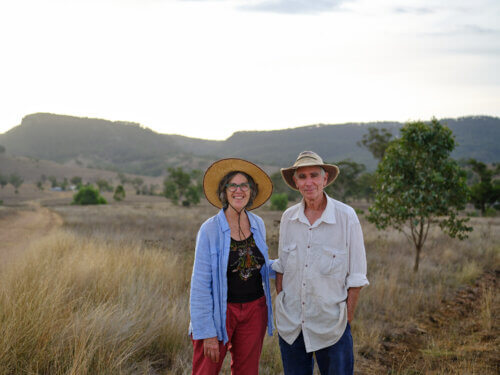
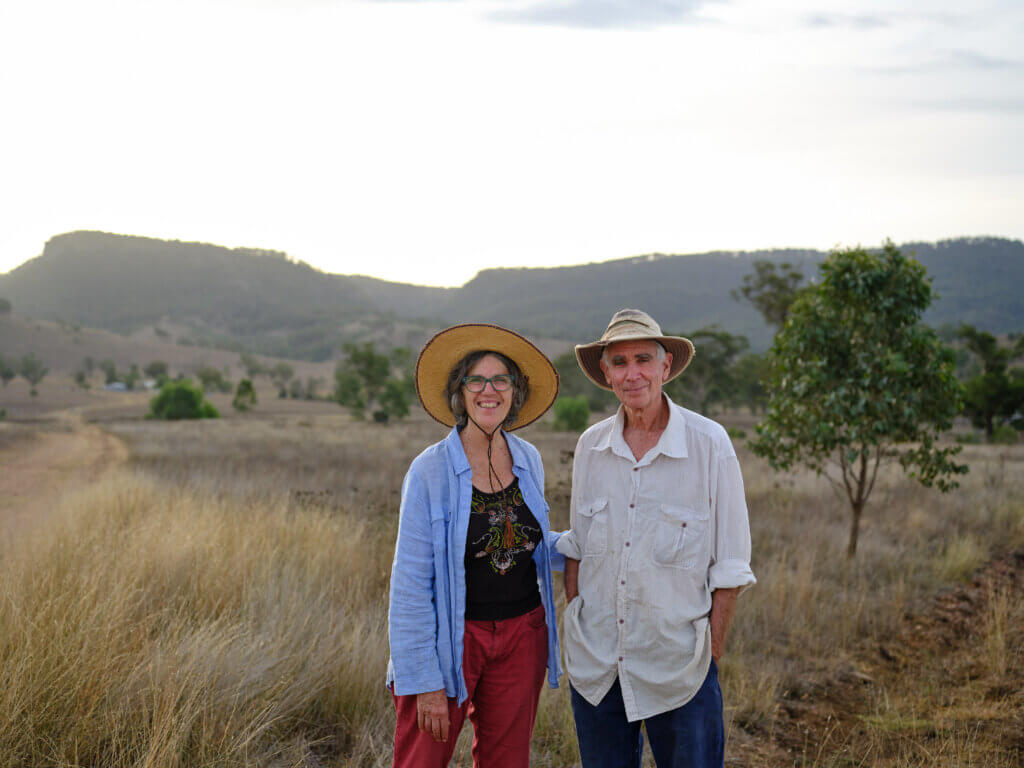
Led by retired science teachers Wendy Wales and Tony Lonergan, Denman Aberdeen Muswellbrook Scone Healthy Environment Group (DAMS HEG) challenged the Mount Pleasant coal mine extension after seeing their community hit by repeated climate shocks.
The small Hunter Valley community group was represented by Johnson Legal.
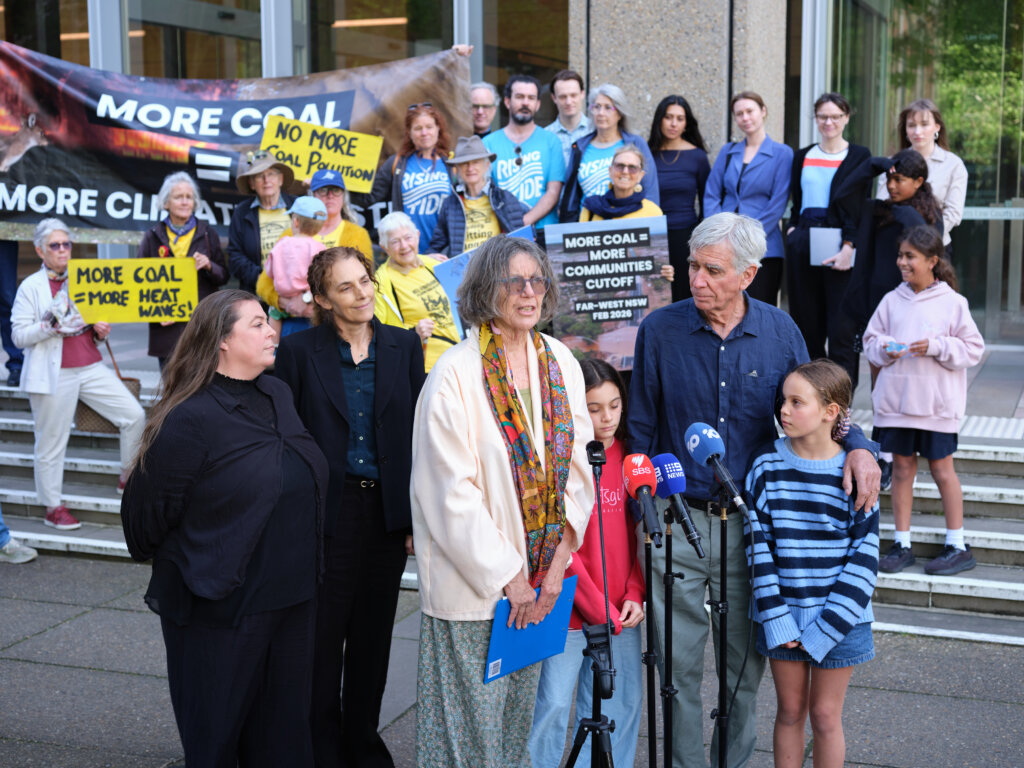
We cannot dig up coal, ship it overseas, watch it drive climate change, and then pretend the consequences have nothing to do with us and won’t be felt by us.”
Wendy Wales
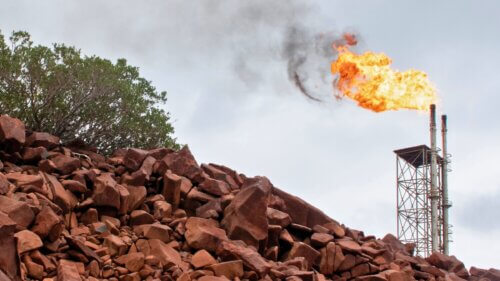
The Independent Planning Commission of NSW (the Commission) granted consent for MACH's proposal to extend the life of the Mount Pleasant coal mine. If the extension proceeds, the mine could double its production from 10.5 million tonnes to 21 million tonnes of coal a year and operate until 2048. It is expected to produce around 870 million tonnes of additional greenhouse pollution, with the vast majority coming from Scope 3 emissions – the pollution released outside the mine’s operations, particularly when its coal is ultimately burned.
The case took a winding path through the courts...
DAMS HEG first challenged the mine extension in the NSW Land and Environment Court and lost. They then appealed to the NSW Court of Appeal, which found in their favour. MACH Energy then took that decision to the High Court, where three key questions were asked:
- Did the Commission properly consider the likely environmental impacts of the mine extension?
- Did the Commission properly consider whether conditions should be imposed to minimise the project’s greenhouse gas emissions – including Scope 3 emissions – to the greatest extent practicable?
- Can the impacts of climate change be considered an environmental impact in the locality of the mine under NSW planning law?
The fact that these questions made it to the High Court was a significant moment for climate litigation.
In part this is because it was the first time Australia’s High Court had been asked to consider questions about climate change and the approval of a fossil fuel project.
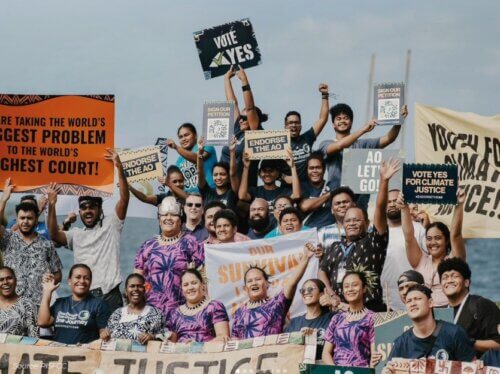
But also, this is because the case attracted international attention. In a rare move, four organisations from Australia and overseas asked to participate as amicus curiae – or “friends of the court” – to provide expertise that could help the Court consider the issues. All four applications were accepted.
The decision
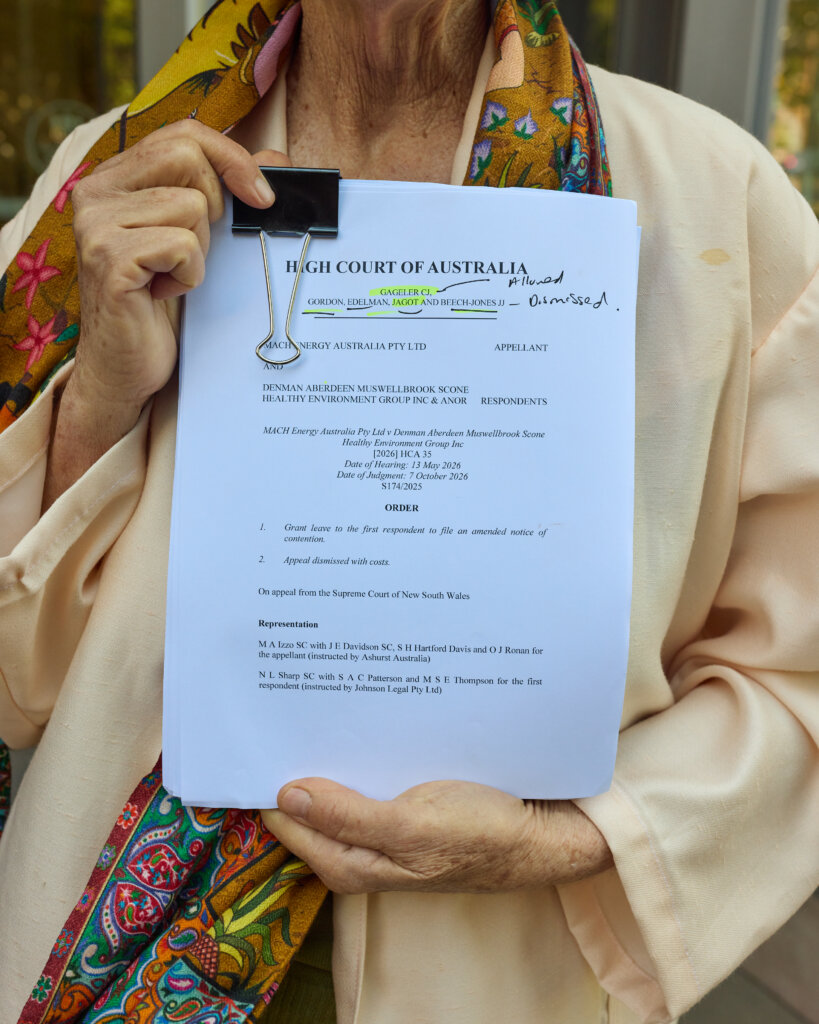
On 7 October 2026, the High Court dismissed MACH Energy’s appeal, finding the Commission failed to properly consider potential conditions to reduce the project’s Scope 3 emissions.
What are scope 3 emissions?
- Scope 1 emissions are the greenhouse gas emissions released directly from a coal mine’s own operations, such as diesel burned in trucks, excavators and other mining equipment.
- Scope 2 emissions are the indirect emissions from the electricity a coal mine purchases to power its offices and mining infrastructure.
- Scope 3 emissions are the indirect emissions that occur outside the mine's own operations, including the emissions released when the coal it produces is ultimately burned in facilities such as power stations.
- For most coal mines, Scope 3 emissions make up the vast majority of the project's total climate impact
.
Here's how the court dealt with the three key questions at the heart of the case:
Did the decision-maker properly consider the likely environmental impacts of the mine extension?
Yes. A majority of the Court overturned the Court of Appeal’s finding and concluded that the Commission had properly considered the project’s likely environmental impacts, including its contribution to climate change, for the purposes of the NSW Environmental Protection Act.
Did it properly consider whether conditions should be imposed to minimise the project’s greenhouse gas emissions – including Scope 3 emissions – to the greatest extent practicable?
- No. A majority found that the Commission failed to properly consider whether conditions should be imposed to minimise all greenhouse gas emissions from the project, including Scope 3 emissions from burning the coal. Justice Gordon’s finding was clear: “The Commission’s approval was invalid.”¹
- This error created a “realistic possibility” that the decision could have been different had the Commission properly considered the issue.2
- By focusing only on conditions to be imposed on the project’s Scope 1 and 2 emissions, the Commission had focused on just “two per cent of the project’s emissions” while failing to properly address the other 98%.3
Can the impacts of climate change be considered an environmental impact in the local area under NSW planning law?
The Court did not decide this question. Because the case was resolved on other grounds, the Court said it was unnecessary to answer it.
The bigger picture
For decades, communities and climate advocates have been pushing governments to properly grapple with the pollution created when Australian coal and gas is exported and burned overseas. Wendy put it simply after the decision:
“We can’t ignore physics, chemistry and biology. We must live within Nature’s limits.”
From the Gray case in NSW in 2006, to Rocky Hill, Youth Verdict and now DAMS HEG, communities have repeatedly gone to court to challenge the idea that emissions from exported fossil fuels are simply someone else’s problem.
This High Court decision is another important step in that long-running fight.
It confirms that, under the NSW law considered in this case, a decision-maker required to consider conditions to minimise greenhouse gas emissions must turn its mind to all of the project’s emissions (including when it's exported and burned overseas). This may directly affect coal proposals subject to the NSW planning system and could impact other proposed coal and gas projects in Australia.
With other major climate cases still before Australian courts – including the challenge to the North West Shelf extension and the appeal of the Pabai v Commonwealth case – the judgment adds to a growing body of litigation asking governments and fossil fuel companies to confront the full climate consequences of the projects they approve and operate.
What next?
The High Court did not decide whether the mine extension should ultimately go ahead, or what conditions should be imposed. Which means this isn’t the end of the road for the case – or for the proposed coal mine extension.
“The statutory requirement was for the Commission to do that and it did not.”
HCA 35, [80] (Gordon J).
The matter will now return to the NSW Land and Environment Court, which will decide what orders should be made following the High Court’s ruling.
A community-led win worth celebrating
Pollution from exported coal and gas has long been treated as someone else’s problem. This case is another important step towards making sure those emissions cannot simply be ignored.
For DAMS HEG treasurer Tony Lonergan, the motivation is deeply personal:
“Wendy and I have seven grandkids between us. We did this for them, and for all the kids across the Hunter who are going to grow up in a world shaped by the decisions being made right now.”
Taking a challenge like this all the way to the High Court takes persistence, courage and an enormous amount of work. This result also reflects the efforts of DAMS HEG’s legal team at Johnson Legal, counsel, experts, and supporters who backed the community along the way.
¹MACH Energy Australia Pty Ltd v Denman Aberdeen Muswellbrook Scone Healthy Environment Group Inc [2026] HCA 35, [78] (Gordon J).
2 MACH Energy Australia Pty Ltd v Denman Aberdeen Muswellbrook Scone Healthy Environment Group Inc [2026] HCA 35, [77] (Gordon J).
³ MACH Energy Australia Pty Ltd v Denman Aberdeen Muswellbrook Scone Healthy Environment Group Inc [2026] HCA 35, [209] (Edelman J).