Climate change in the High Court
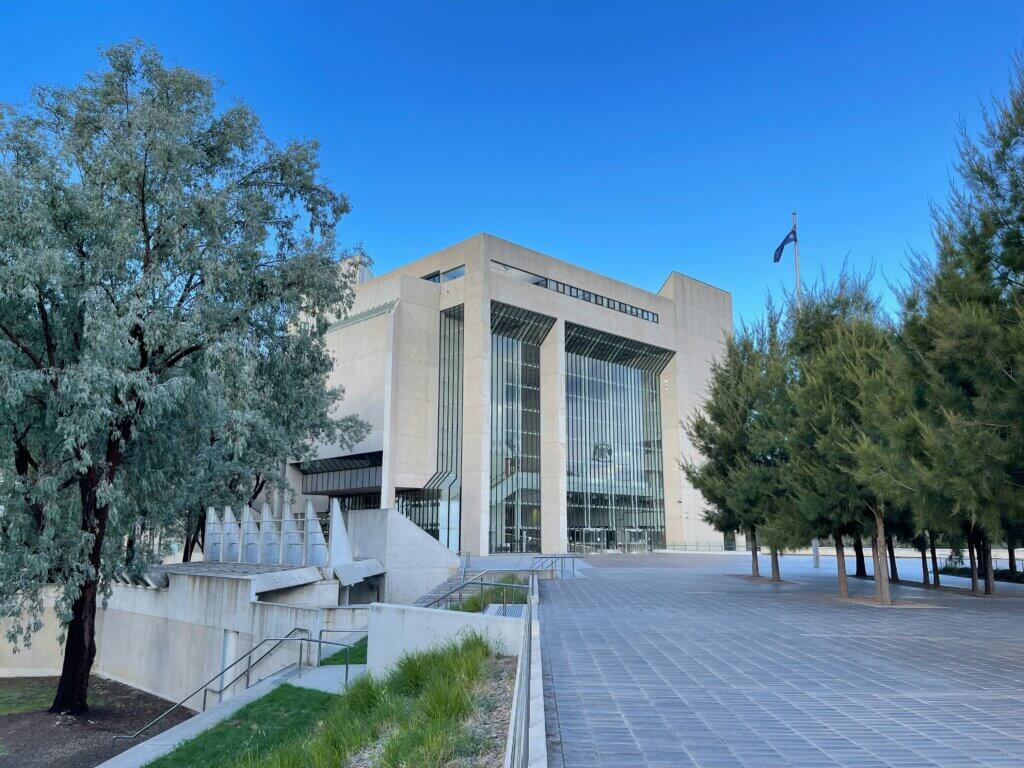
The High Court will officially hand down its decision this coming Wednesday, October 7, at 10:00 AM
Stay tuned for our legal explainer on the judgment and what it means.
This case could change how Australian courts deal with climate cases, with major implications for future fossil fuel project approvals.
Johnson Legal are representing Denman Aberdeen Muswellbrook Scone Healthy Environment Group (DAMS HEG) in this important High Court case.
Its outcome could have significant implications for how climate impacts are considered in future fossil fuel project approvals. Because of those broader implications, at EJA we are following the proceedings closely and sharing our perspective on why the case matters.
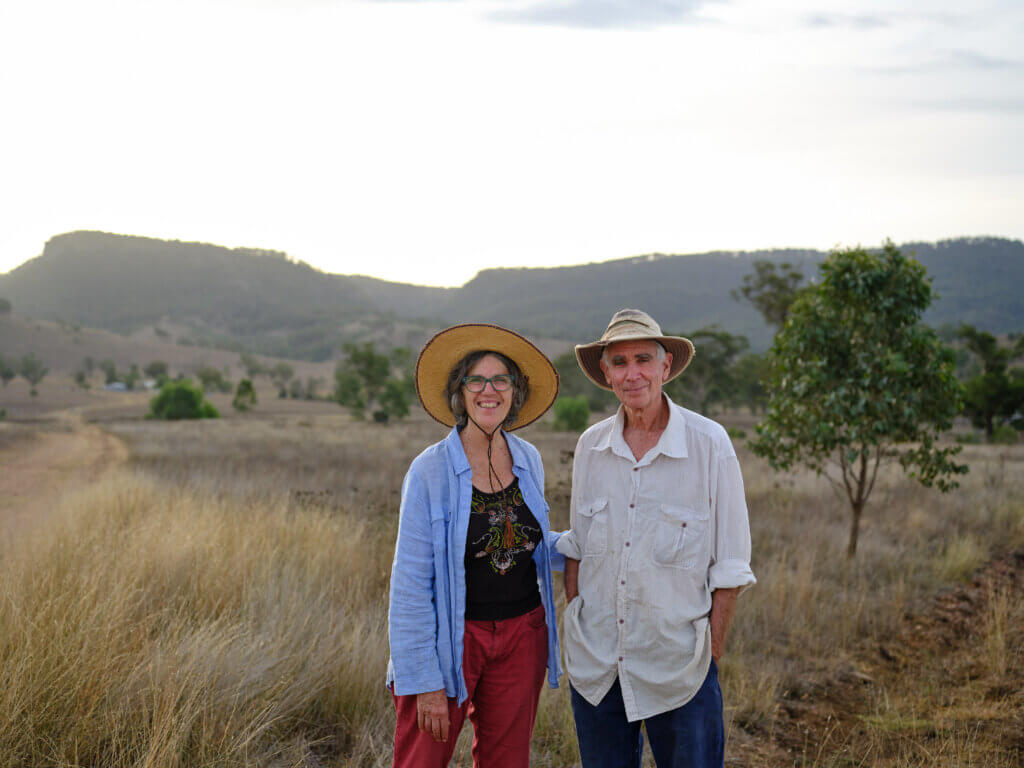
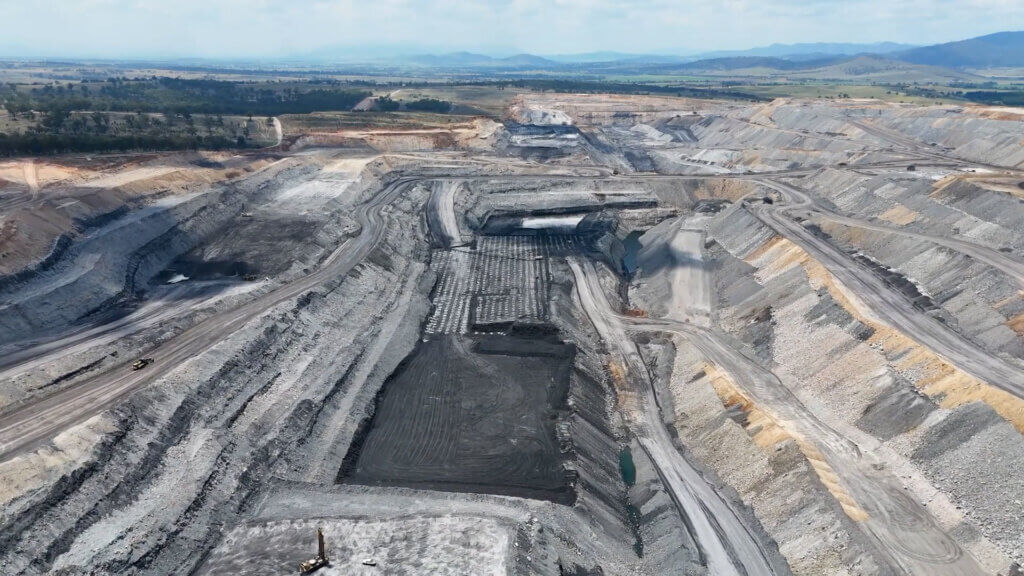
It all began when a small grassroots community group from the Hunter Valley, Denman Aberdeen Muswellbrook Scone Healthy Environment Group Inc (DAMS HEG) decided to challenge a decision to extend the Mount Pleasant open-cut thermal coal mine for another 22 years.
The mine is run by MACH Energy, and the extension had been approved by the NSW Independent Planning Commission.
DAMS HEG, led by president and local resident Wendy Wales, brought this case after watching their community suffer in the wake of multiple climate shocks.
“Our communities are enduring increasingly terrifying climate disasters, and nature is disappearing before our very eyes. Yet our governments are continuing to throw fuel on the fire by approving massive new coal projects like MACH Energy's Mount Pleasant.”
— Wendy Wales, President, DAMS HEG
The case was first dismissed, but the NSW Court of Appeal later found in favour of the community group. The Court said the Planning Commission had a duty to consider how the project’s scope 3 emissions could affect the Hunter region’s environment.
Scope 1 emissions are the greenhouse gas emissions released directly from a coal mine’s own operations, such as diesel burned in trucks, excavators and other mining equipment.
Scope 2 emissions are the indirect emissions from the electricity a coal mine purchases to power its offices and mining infrastructure.
Scope 3 emissions are the indirect emissions that occur outside the mine's own operations, including the emissions released when the coal it produces is ultimately burned in facilities such as power stations.
For most coal mines, Scope 3 emissions make up the vast majority of the project's total climate impact.
Appeal to the High Court
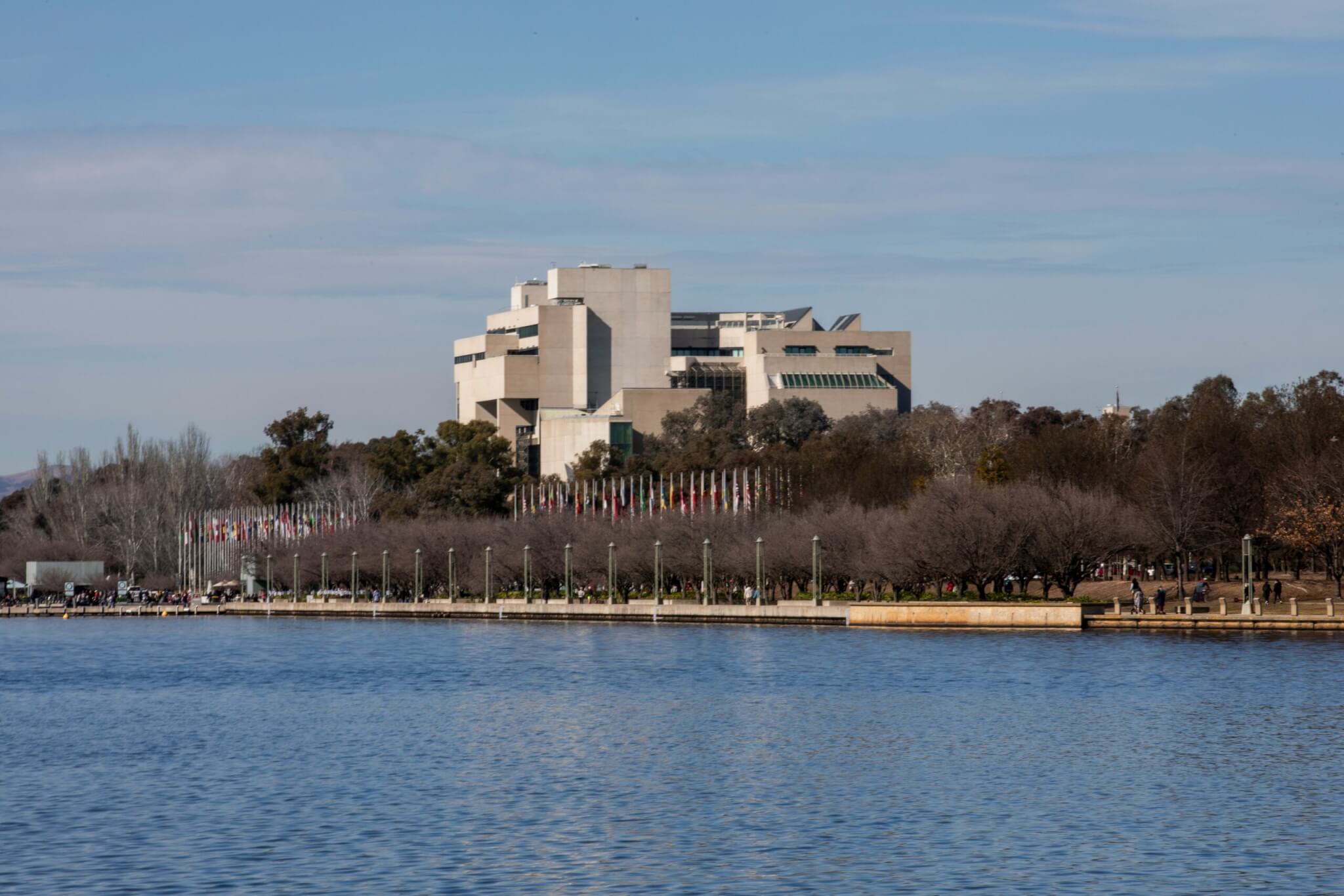
On 18 December 2025, MACH appealed this decision to the High Court, arguing that:
- The Planning Commission was not required to consider environmental impacts of the project in the local region;
- It was up to the Planning Commission to determine whether it needed to consider a specific sub-issue like Scope 3 emissions when considering the impacts of the project on the environment; and
- Impacts of climate change are not capable of being considered environmental impacts of the project, because it is impossible to find the necessary causal link between the Scope 3 emissions of this particular project and specific effects of climate change in the local region.
In the High Court
On 13 May, DAMS HEG (the Respondent, represented by Johnson Legal, and counsel Naomi Sharp SC together with Matthias Thompson and Stephanie Patterson) presented their arguments to the High Court, including:
- The requirement of the IPC to consider the likely impacts of the development on the environment must include, but is not necessarily limited to, “the likely impacts on the environment in the vicinity of the development”[1]
- “A consent authority cannot limit its consideration of the likely impacts of a development only to the first link in the chain…The material before the IPC…required the IPC to consider not only the likely impacts of the Project’s [greenhouse gas] emissions on global warming, but also whether the consequential impacts of that warming on the environment including in the Hunter region were likely impacts and if so, to take them into account.”[2]
- “The evidence before the IPC…provided a scientific basis to establish a sufficient causal link between the Project’s emissions and likely impacts on the environment in the vicinity of the Project. The causal link exists because of the cumulative impact of GHG emissions. Every source of GHG emissions, including the Project, consumes the carbon budget remaining to hold global warming to 1.5°C. Every increment by which that temperature is exceeded increases the likelihood and severity of adverse impacts on the environment, including in the Hunter region.”[3]
Why this case is important?
This is the first time the High Court has agreed to hear submissions on questions like:
- Who is responsible for Greenhouse gas emissions and the harm they cause?
- What duty do decision-makers have to properly consider how projects like this add to the climate crisis?
While the case concerns a specific provision within the NSW Environmental Planning & Assessment Act, the Court’s findings could have much wider implications for establishing the link between particular projects and current and future climate harms.
The decision could help clarify when governments must consider the link between fossil fuel projects, emissions and future climate harm.
A global spotlight
This case has also captured global attention.
In a rare move, four organisations from around the world asked the High Court for permission to take part as amicus curiae – or “friends of the court.”
An amicus is not one of the parties in the case. Instead, the court allows them to listen in and provide expert information that may help it decide key issues.
Applications were made by:
- The Union of Concerned Scientists (Massachusetts, USA),
- Melbourne Climate Futures (University of Melbourne)
- the Centre for Climate Engagement (Cambridge University); and,
- the Sabin Center for Climate Change Law (Columbia Law School).
All four were accepted as amicus curiae.
International focus on Australian climate jurisprudence is growing. Just recently, the UN Special Rapporteur on the human right to a clean, healthy and sustainable environment, Astrid Puentes Riaño, applied to intervene as amicus curiae in the legal challenge to the proposed North West Shelf Extension. This application was also accepted by the court.
This DAMS HEG case, and the North West Shelf Extension challenge, come at a pivotal time in international jurisprudence on state obligations with respect to climate change.
Last week, the UN General Assembly voted overwhelmingly in favour of a resolution to adopt the findings of the International Court of Justice Advisory Opinion on the obligations of states with respect to climate change, in what the UN Secretary General António Guterres called “a powerful affirmation of international law, climate justice, science & the responsibility of states to protect people from the escalating climate crisis.”
What's next?
After hearing the parties’ arguments on 13 May, the High Court has reserved its judgment.
It will likely be a number of months before the High Court hands down its ruling, but any updates will be available via the High Court website.