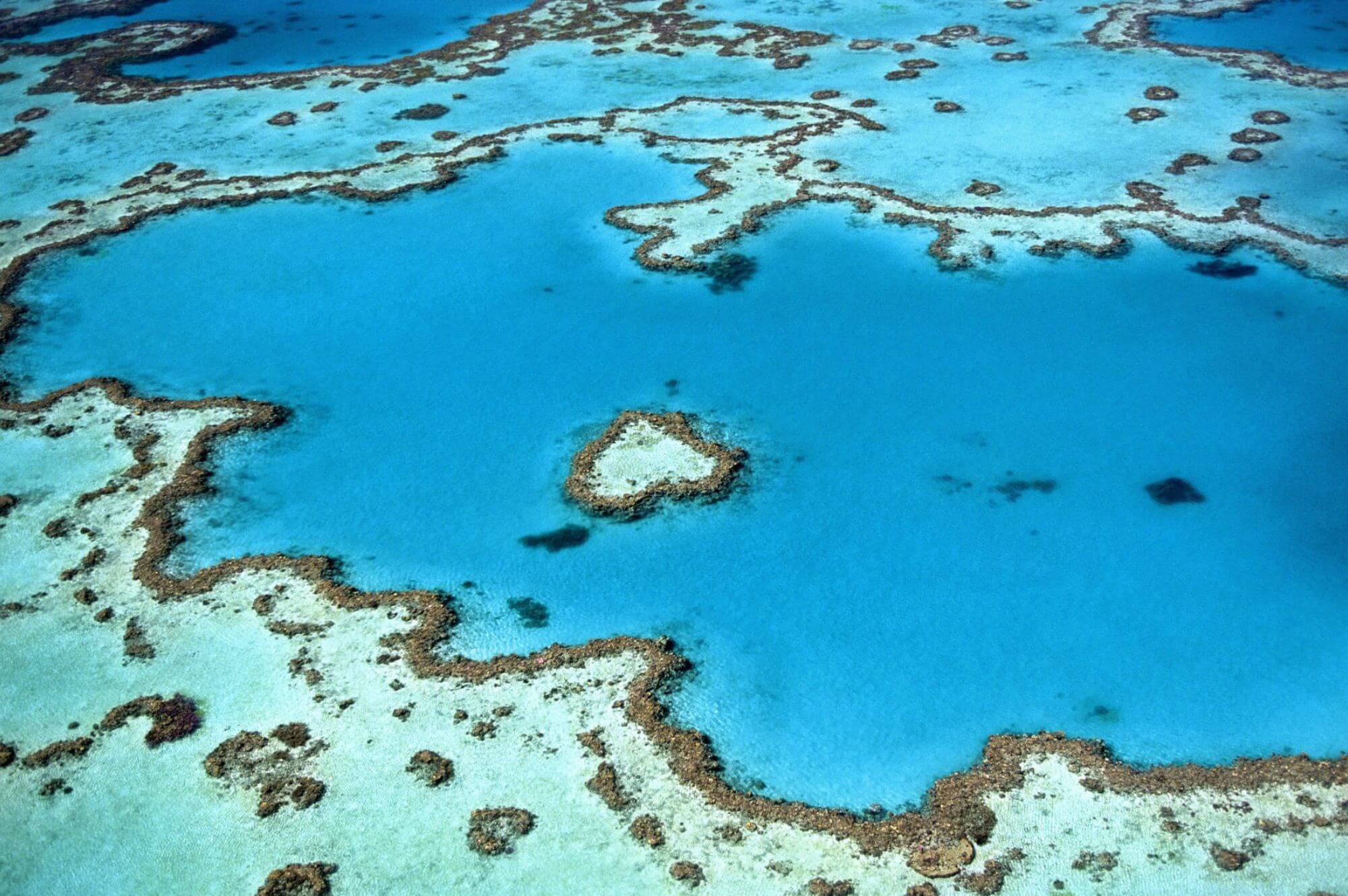
Browse gas project
Legal intervention to Woodside over reef climate harm
Distance does not erase responsibility.
Woodside’s Browse gas project linked to climate harm to the Great Barrier Reef.
EJA lawyers are representing the Australian Conservation Foundation (ACF) as they launch a legal intervention to Woodside’s proposed Browse offshore gas project.
In a legal request made to the Minister, ACF argued that new evidence directly linking the project's emissions to coral devastation on the Great Barrier Reef means that the project’s environmental assessment must be reconsidered.
In June 2026, Minister Watt accepted the “reconsideration request” as valid and opened the project for public comment, asking Australians whether he should consider this new evidence when he makes his final decision to approve or reject Woodside’s drilling near Scott Reef.
The public can make written comments on the EPBC portal until 21 July 2026.

“The climate crisis is moving fast, but so is climate science. As the evidence evolves, so too must the decisions made under Australia’s environment laws.“Research now links the Browse gas project’s emissions to the loss of roughly 30 million coral colonies in every single future mass bleaching event on the Great Barrier Reef. Our client says the Minister cannot ignore this evidence.”
— Hannah White, EJA Senior Lawyer

What is a “reconsideration request"?
In February 2026, EJA lawyers lodged a reconsideration request on behalf of the Australian Conservation Foundation, asking the federal Environment Minister to revoke and remake the 2019 controlled action decision for Woodside’s Browse to North West Shelf Development.
Under Australia’s environment laws, the Environment Minister must decide whether a project is likely to have a significant impact on matters of national environmental significance – including the Great Barrier Reef – based on the best available evidence.
That decision, known as a controlled action decision, is not always set in stone.
If substantial new information emerges or circumstances significantly change, a person or organisation can ask the Minister to revisit it. This is called a reconsideration request. The Minister then has the power to revoke the original decision and substitute a new one.
In June 2026, Minister Watt accepted the reconsideration request as “valid.” He has opened the project for public comment, asking Australians whether he should consider this new evidence when he makes his final decision to approve or reject Woodside’s plans for the Browse gas project.
ACF's legal arguments
- Australia’s national environment laws - the EPBC Act, allow the Environment Minister to revoke and substitute a controlled action decision if there is substantial new information.
- Since 2019, major advances in attribution science have strengthened the evidence linking the greenhouse gas emissions of individual fossil fuel projects to measurable ecological harm.
- The Browse project is estimated to generate approximately 1,597.41 million tonnes of CO₂ by 2068. This volume of emissions is expected to contribute to climate change impacts, including quantifiable mass coral bleaching in the Great Barrier Reef Marine Park.
- This scientific evidence was not available when the original decision was made. ACF argues it constitutes substantial new information about the significant impact that the Browse project poses to the Great Barrier Reef, which the Minister must properly assess.
Woodside’s Browse offshore gas project
300km off the Kimberley coast lies the Browse Basin – a collection of offshore gas deposits buried deep beneath the seabed. Woodside, Australia’s largest independent oil and gas company, plans to exploit this field alongside other offshore projects, including North West Shelf and Scarborough, as part of the “Burrup Hub”.
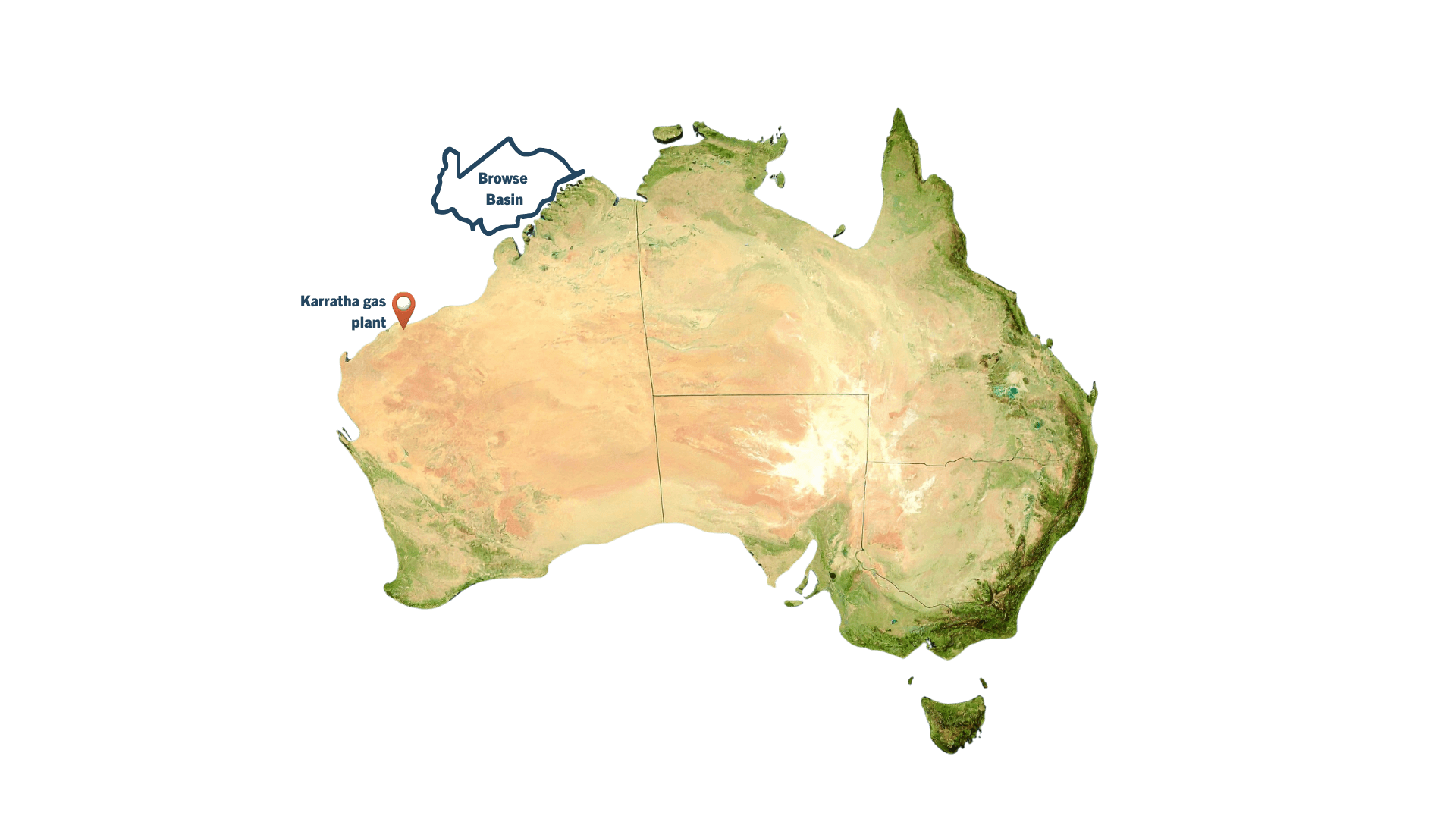
To develop Browse, Woodside proposes drilling gas wells beneath Scott Reef and piping the gas 900 kilometers to Karratha for processing at the North West Shelf plant, beside the Murujuga World Heritage rock art site. The project would extract gas until 2068. Over its lifetime, it is expected to generate around 1,597.41 million tonnes of CO₂ – more than three-and-a-half times Australia’s total annual emissions, including every household, car, school and small business in the country combined.
In 2019, the Environment Minister assessed the project’s local impacts on nationally protected species – including whales, turtles and dolphins that rely on the reef above the drilling site. But the government failed to assess the climate harm to the Great Barrier Reef, saying it was too far away.
What’s the link: WA gas to QLD's coral reefs
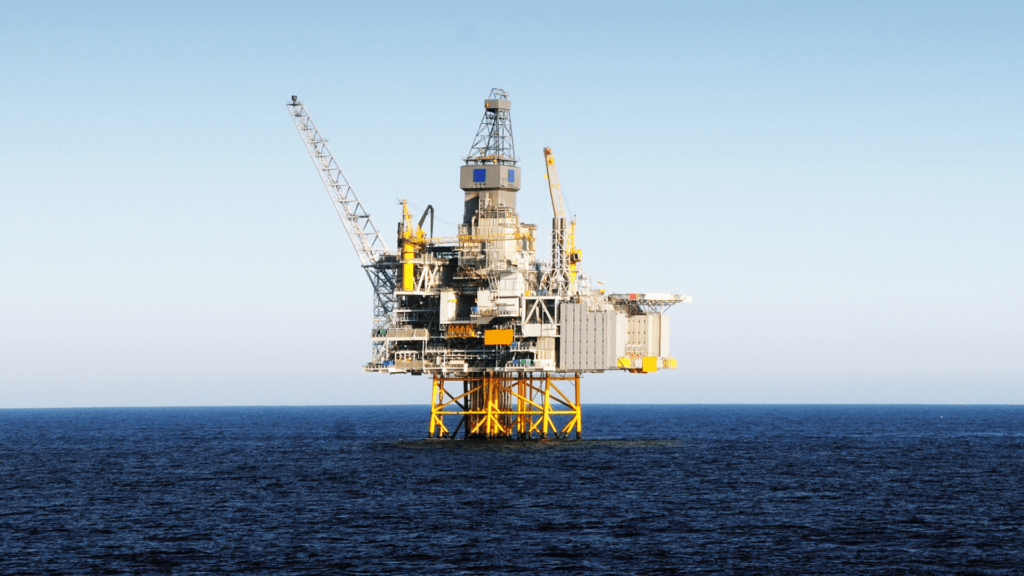
Gas is a highly polluting fossil fuel that drives climate change.
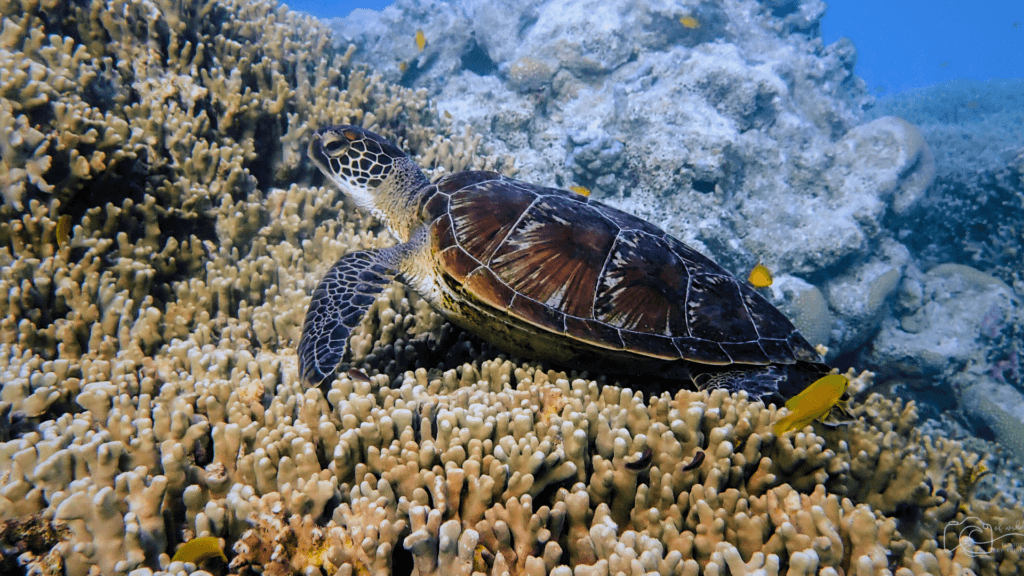
When burned, it releases greenhouse gas emissions that heat our oceans and intensify marine heatwaves – the primary cause of mass coral bleaching on the Great Barrier Reef.
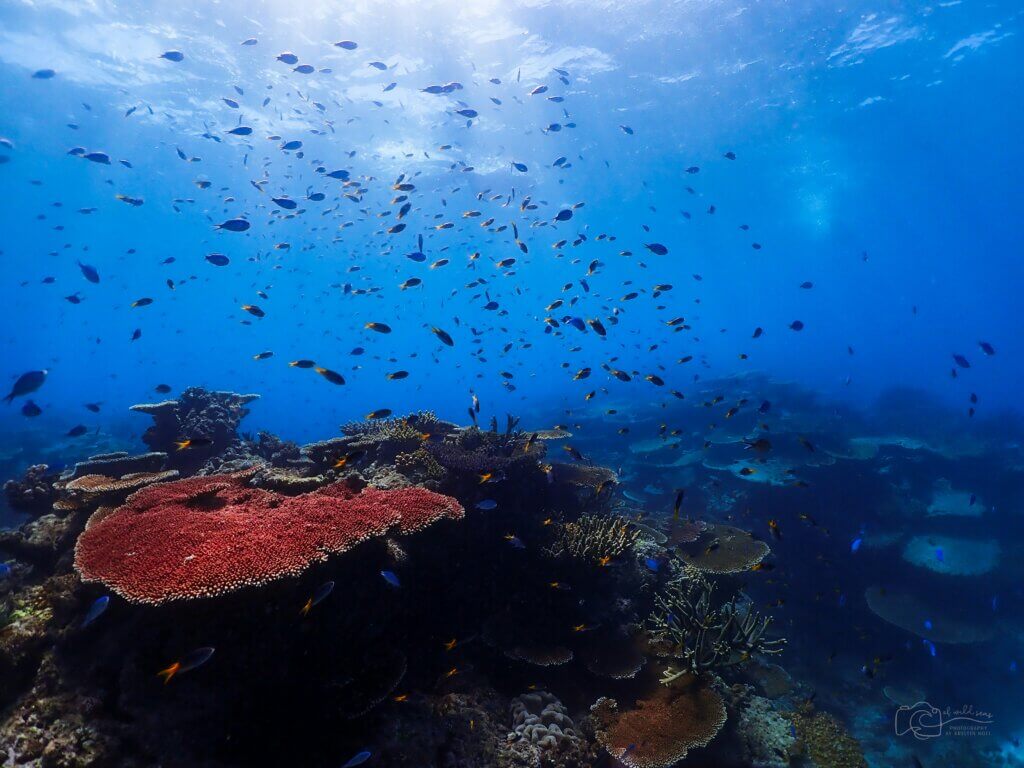
Burning gas is supercharging marine heatwaves and coral bleaching, placing the Great Barrier Reef at risk of collapse.
It doesn't matter where it is drilled or burnt – Woodside's proposed gas hub will add to the global emissions driving marine heatwaves, coral bleaching and further decline of the Great Barrier Reef.
Major advances in attribution science now show that climate emissions from Woodside’s Browse project are likely to damage 29.35 million individual coral colonies during every future mass bleaching event that occurs on the Great Barrier Reef.
The estimated coral loss figure reflects the incremental impact of the Browse project’s emissions alone and does not include other stressors such as ocean acidification or extreme weather.
The big picture
The climate crisis is moving fast, but so is climate science. As the evidence evolves, so too must the decisions made under Australia’s environment laws.
The law requires the Environment Minister to base decisions on the best available evidence. When credible new science shows a project’s emissions are linked to harm to nationally protected places like the Great Barrier Reef, that evidence must be taken into account.
This case is about ensuring decisions are lawful and grounded in the most current scientific understanding.
About the client
The Australian Conservation Foundation is Australia's national environment organisation – more than half a million people who speak out for the air we breathe, the water we drink and the places and wildlife we love.
ACF is represented by lawyers at Environmental Justice Australia
Make a difference
The challenges we face are vast. The time to push for large-scale system change is now.
Our financials
We have a long-standing commitment to sound fiscal management, accountability and transparency.
We encourage you to investigate before you donate.
Join us
The law is a powerful circuit breaker to hold governments and corporations to account.
Join us and let's build a radically better world.