Webinar recap
Why a UN expert wants to weigh in on NWSx
A major moment in Australian climate law just unfolded, and more than a hundred people joined us to unpack what it all means.
Environmental Justice Australia hosted a live webinar to explain and discuss an unprecedented move by the United Nations Special Rapporteur on the right to a clean, healthy and sustainable environment.
The Special Rapporteur Astrid Puentes Riaño, has asked the Federal Court for permission to intervene as amicus curiae (friend of the court) in the legal challenges to the proposed North West Shelf gas extension.
The conversation brought together experts in human rights, international law and climate litigation: the Hon. Kevin Bell AO KC, Gillian Moon, and EJA senior lawyer Hannah White.
Below are some of the big takeaways.

The North West Shelf extension is one of the biggest climate decisions in Australia’s history
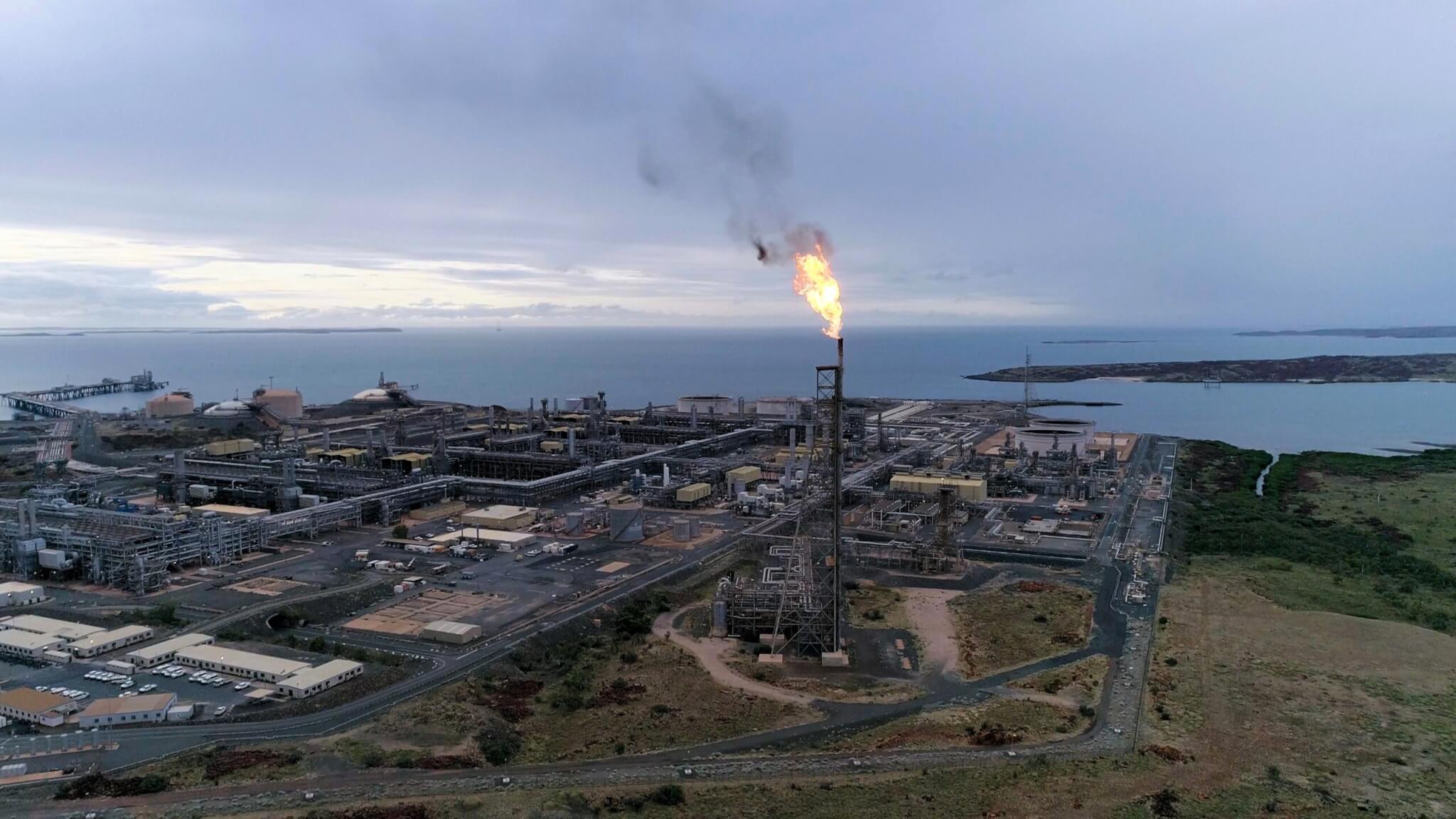
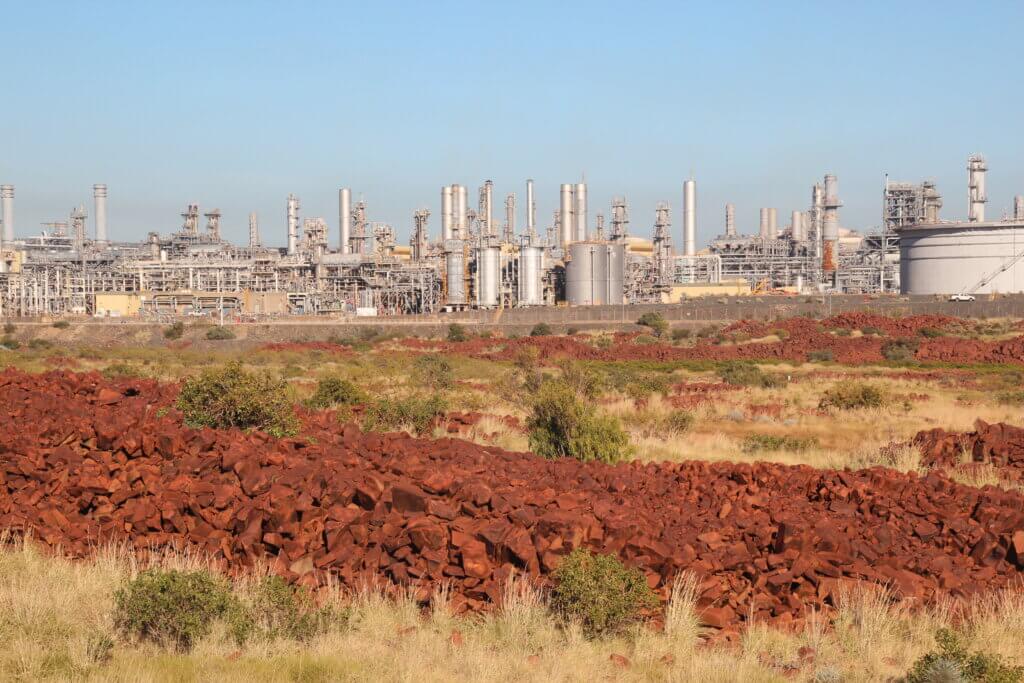
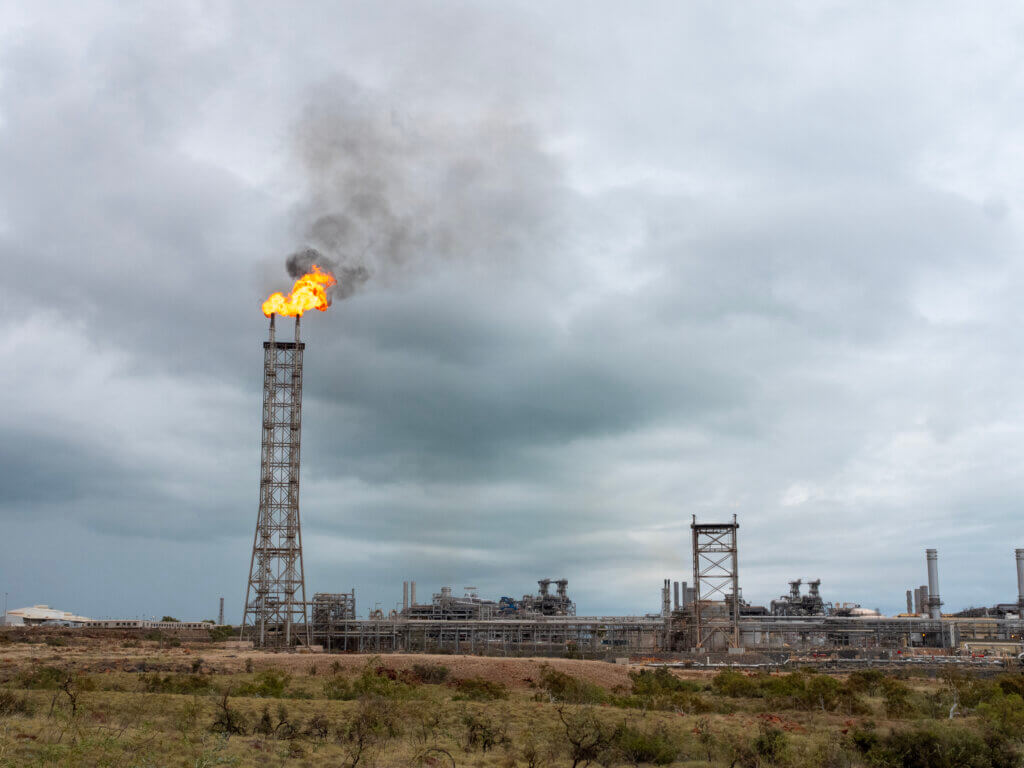
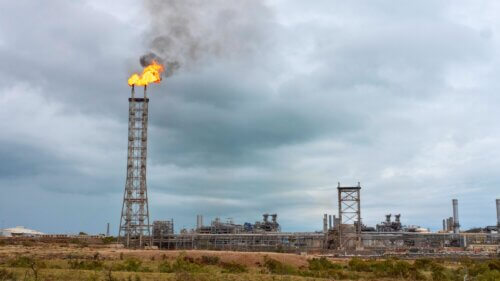
In September, the Environment Minister approved a 45-year extension to Woodside’s gas plant. This would allow the facility to continue operating until 2070 and process up to 18.5 million tonnes of liquified natural gas each year.
It would be Australia’s longest running, largest and most polluting fossil fuel project.
Three legal challenges have now been lodged in the Federal Court. Two are brought by the Australian Conservation Foundation (represented by EJA); one by Friends of Australian Rock Art (represented by Johnson Legal).
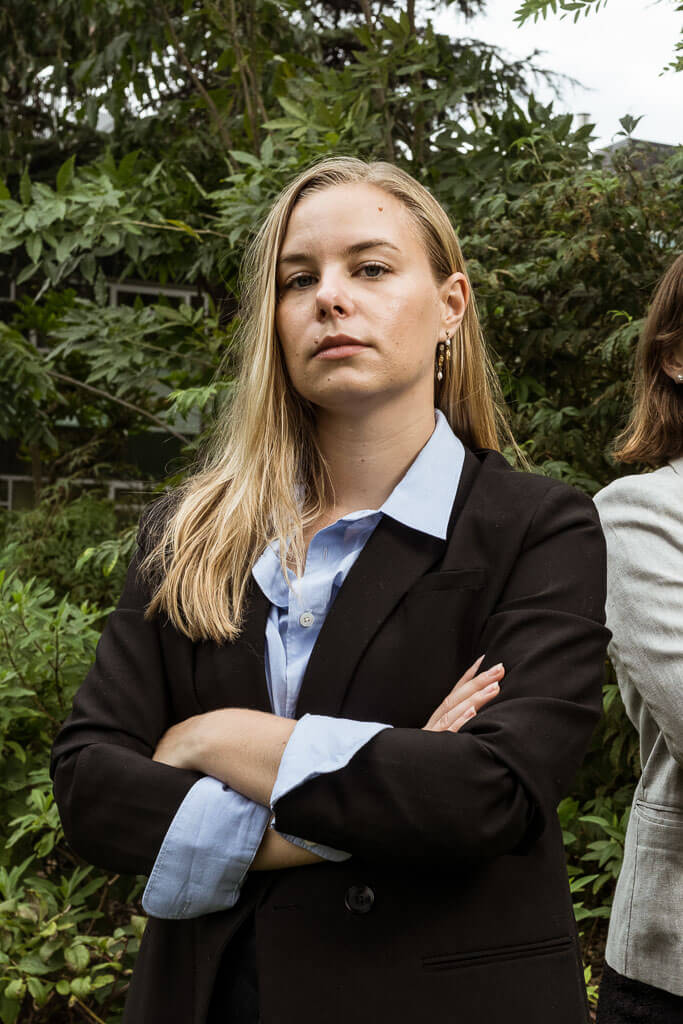
“These cases are significant because they challenge the lawfulness of the Minister's approval decision. If they are successful, they could set a precedent which ensures that climate impacts from coal and gas projects can no longer be ignored.”
Hannah White, senior lawyer, EJA
Why the UN Special Rapporteur’s amicus request matters
This is the first time a UN Special Rapporteur has sought to join an Australian environmental approval challenge.
“An amicus curiae is a friend of the court… somebody who has something special, or different, to say that emerges from their particular expertise. They are able to bring in particular, factual, or policy perspective to bear, which is important for the resolution of the issues before the court.”
The Hon. Kevin Bell AO KC

“[Astrid Puentes Riaño] is in the absolute upper echelon of experts in climate change, global warming, the protection of the environment, and the link between human rights and those things. She is the repository of the vast amount of knowledge, factual information, including the science, which is so important to this area ," added Bell.
“The North West Shelf project, is a real monster. It will result in really significant increases in emissions from Australia, by comparison with the past. This would really wave a red flag in front of [Riaño] and she would see it as directly within the mandate of the Special Rappourter, as undoubtedly it is, to try to influence the outcome of cases”
Her intervention signals something powerful:
“The fact of the application shows that the world is watching, from a human rights point of view," Bell shared. "By comparison with other places, we don't link human rights effect with climate change causes in any satisfactory way. And for us, as a nation to be able to grapple fully with the impact of climate change, we do need to make that link.”
The global legal context has shifted, dramatically
As set out in EJA’s previous explainers, the International Court of Justice’s advisory opinion in July 2025 marked a turning point. Gillian Moon told the audience that it clarified states’ binding obligations to prevent climate harm.
“Australia's argued for years that those [2015 Paris Agreement] obligations are pretty much all that it’s required to do under international law as its share in countering climate change,” she explained. “But in July this year, the ICJ, which is the world's highest authority on international law, blew Australia's argument out of the water when it handed down a comprehensive advisory opinion on states obligations to prevent climate change.

"Australia has a binding obligation under international law to prevent significant harm to the climate system through its fossil fuels, and that where these emissions occur is irrelevant.”
Gillian Moon
Gillian also stressed that Australia’s huge fossil fuel exports cannot be ignored:
“Australia is the world’s second largest exporter of coal and gas… We can measure the global mean temperature rise that is attributable to just our fossil fuel exports, where literally those exports are pushing up, global temperatures. We can quantify the harm – that those exports are making worse for us.” – Gillian Moon
This is exactly the type of expertise the Special Rapporteur can bring before the court.
Australia’s domestic human rights protections are lagging behind
Former Justice Bell was frank about Australia’s legal gaps:
“There's not a positive picture… Australia does not have a national bill of rights… human rights generally in this country are not good when compared with international requirements.” – The Hon. Kevin Bell AO KC.
While some states recognise the right to a healthy environment, there is no national equivalent in Australia, and climate impacts are not clearly addressed in the EPBC Act or the proposed reforms currently being debated by the Senate.
[Learn more about the EPBC reforms + take action]
The Special Rapporteur’s application as amicus shines a spotlight on Australia’s lagging protections.
What happens next?
“The legal challenges are listed for hearing between the 21st and 24th of July next year… The decision about whether the Special Rapporteur can join will be decided prior to the hearing.” – Hannah White, EJA.
EJA, ACF and Friends of Australian Rock Art will continue to share updates as the case progresses.
Why this moment matters
This is a watershed moment for climate accountability in Australia. If the amicus bid is accepted, and even if it isn’t, Australia’s courts will, for the first time, directly grapple with the human rights implications of major fossil fuel approvals.
“The North West Shelf extension is very much a case about human rights – our human rights – and our government's legal obligations to respect and protect them.”
Gillian Moon
Explore more of our work


Make a difference
Help power more game-changing court cases and urgent legal actions for the people and places you love.