Environment law reform
Strong laws stop destruction
Fighting extinction doesn’t have to be complicated.
Take the humpback whale: not long ago they were on the brink of disappearing. But when the world banned commercial whaling, their numbers bounced back. Today, they’re no longer considered threatened.
Tackling deforestation could be the same kind of turning point – for koalas, pink-tailed worm-lizards, and thousands of other species across the country.
But it won’t happen unless we fight for it – and reform of Australia’s environment laws is our best chance to make it happen.
Want to skip straight to action?
📸 Add a photo, artwork or drawing of your favourite species threatened by deforestation – and include a short message about why it matters to you.
We’ll package these up and send them to key decision-makers.
How to add your photo to the wildlife wall
- Hit the button “Add to the wildlife wall”.
- Depending on your browser settings, it might try to open your webcam.
- To upload a photo instead:
- Click the three lines on the left
- Select “My device” and choose your image
- On mobile, tap “Take photo” → “Photo library” to pick an image from your phone.
What is deforestation and land clearing?
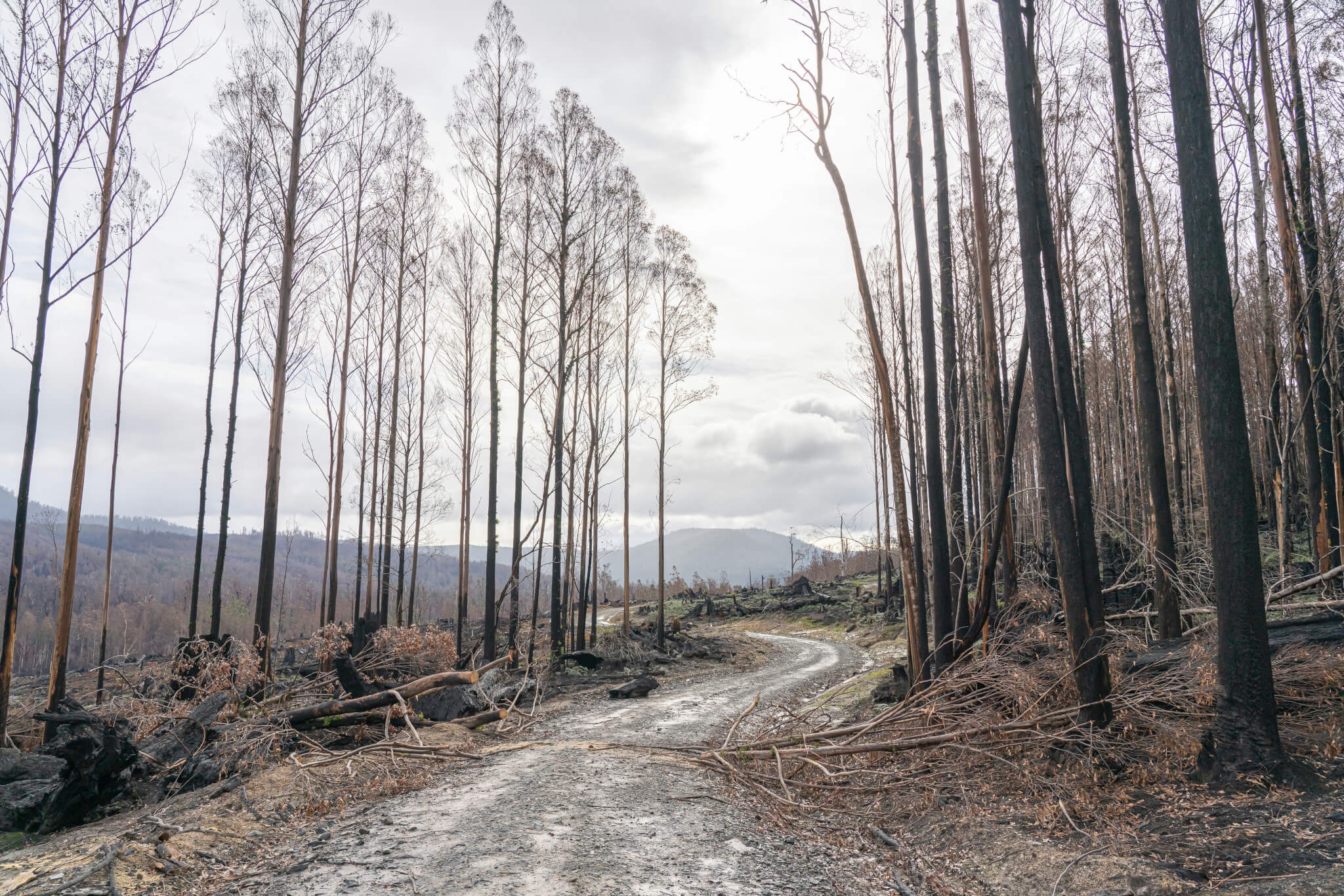
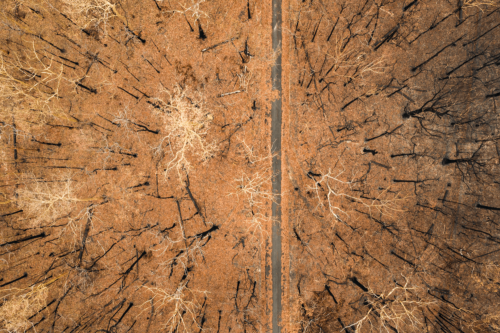
Deforestation is a big word with a simple meaning: destroying habitat – including savannahs, grasslands, and of course, forests.
Australia is the only developed nation ranked as a global deforestation hotspot. Pair that with our title as the world leader in mammal extinction, and it paints a stark picture.
The scale is staggering. Every year, deforestation destroys the homes of millions of animals, and kills them in the process. For every 100 hectares of native woodland cleared, about 2,000 birds, 15,000 reptiles and 500 native mammals will die.
That adds up to 50 to 100 million animals injured, displaced or killed by deforestation in Australia every single year.
What are our environment laws doing about this?
So, if there are bulldozers destroying habitat and killing animals across the country in epidemic proportions - you'd think our national environment laws would do something about it?
Right?!
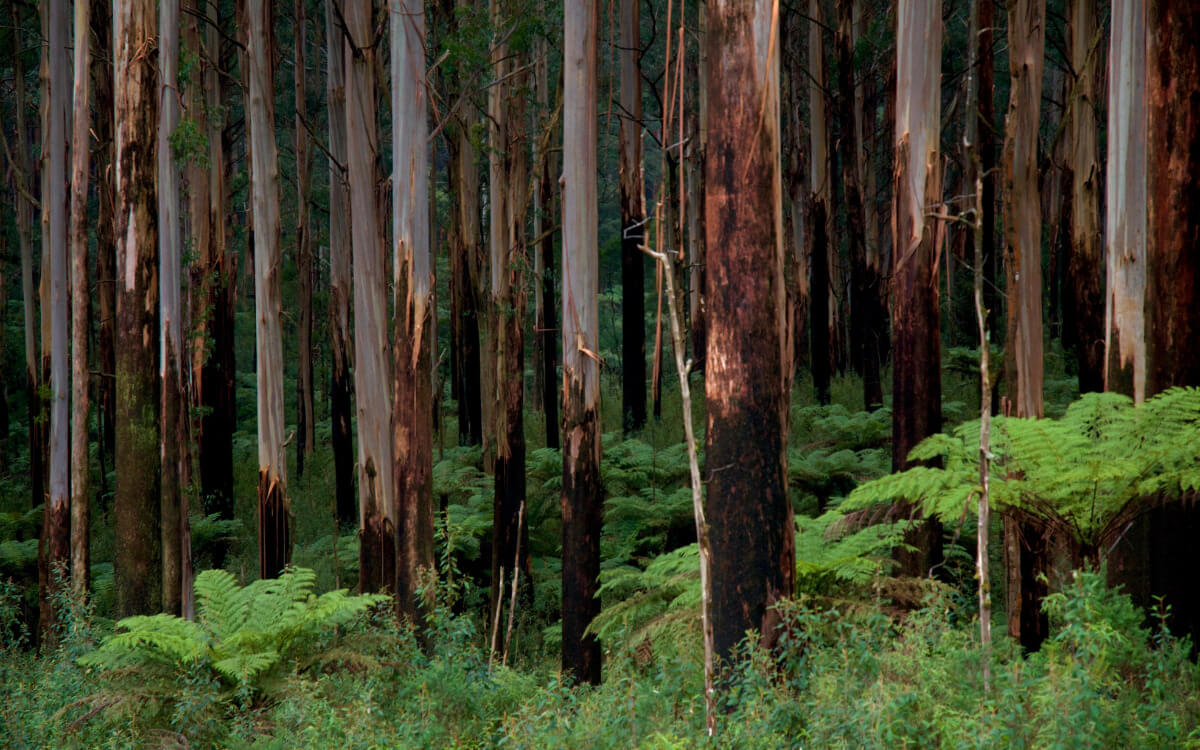
Most deforestation is never assessed under our national environment laws – even though those laws are supposed to protect threatened species and ecosystems.
How can this happen?
When the laws were drafted one very important loophole was written in and one very important blind spot was ignored.
The loophole: logging and Regional Forest Agreements (RFAs)
When John Howard’s government wrote the Environment Protection and Biodiversity Conservation Act (EPBC Act) in the late 1990s, they carved out a special deal for the logging industry. Section 38 says that “forestry operations” don’t need assessment under national laws if they’re covered by a Regional Forest Agreement (RFA).
That means vast areas of forest in Tasmania and New South Wales can be logged without any real federal oversight.
This loophole was a gift to the industry in the 1990s. It has no place in modern laws meant to protect nature in 2025.
The possums case
The RFA exemption has been tested in court – and its failures to protect threatened species from logging is clear.
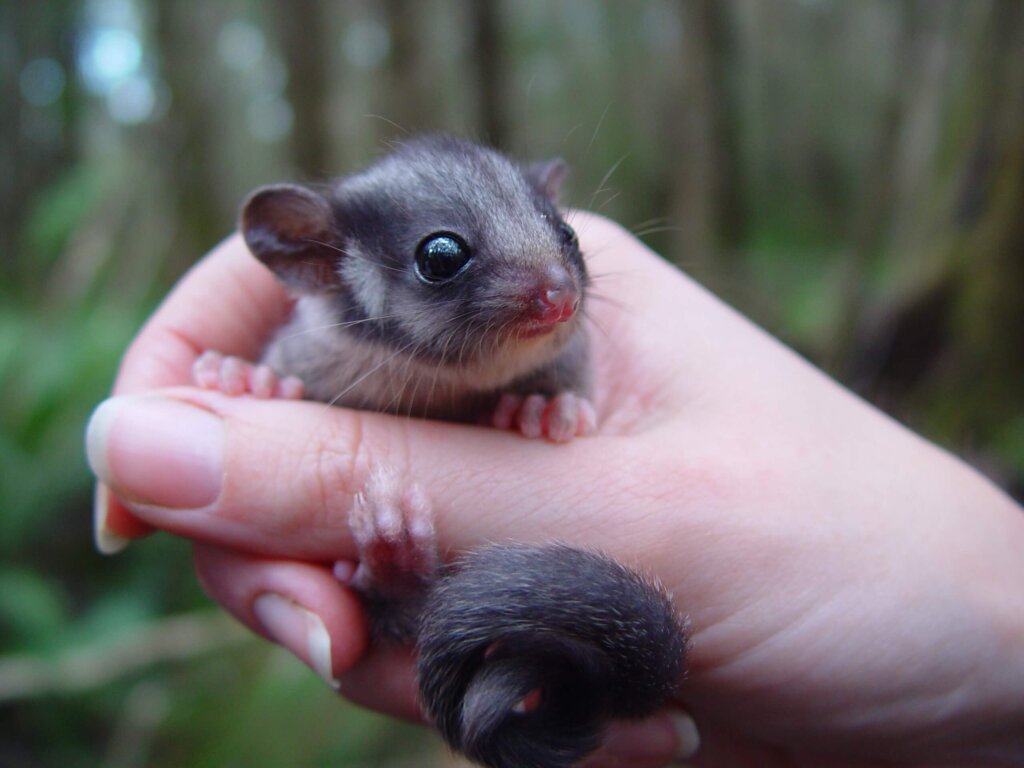
In the Friends of Leadbeater’s Possum case, the Full Federal Court found that logging is exempt from federal environment laws – even when it happens in habitat critical to the survival of threatened wildlife, and even when it breaches state law.
The Court confirmed that VicForests’ logging was permanently destroying habitat critical to the survival of the Leadbeater’s Possum and Greater Glider, and driving down important populations of the species.
VicForests was shut down in 2024 as part of the end of native forest logging in Victoria.
The blind spot: clearing for agriculture
Agriculture is the biggest driver of deforestation worldwide – and Australia is no exception. More than half our continent is used for sheep and cattle grazing. To make space for these animals, forests, scrublands and grasslands are bulldozed at massive scale.
In Queensland alone, one investigation found 400,000 hectares of threatened species habitat was destroyed in a single year to make way for grazing. Not one hectare of this was assessed or approved under national environment laws.
On paper, the law makes it an offence to clear land without assessment or approval if it is likely to significantly impact threatened species. In practice, there’s next to no monitoring or enforcing this.
And buried in the fine print is an even older dodge: the continuation of use exemption. If a farming or clearing practice was happening before the EPBC Act came into force in 2000 – like routine regrowth clearing or heavy grazing – it can legally continue today, without ever being checked against modern science or environmental standards
It’s a relic that locks in last century’s damage, and it still shapes the landscape for threatened species.
The opportunity
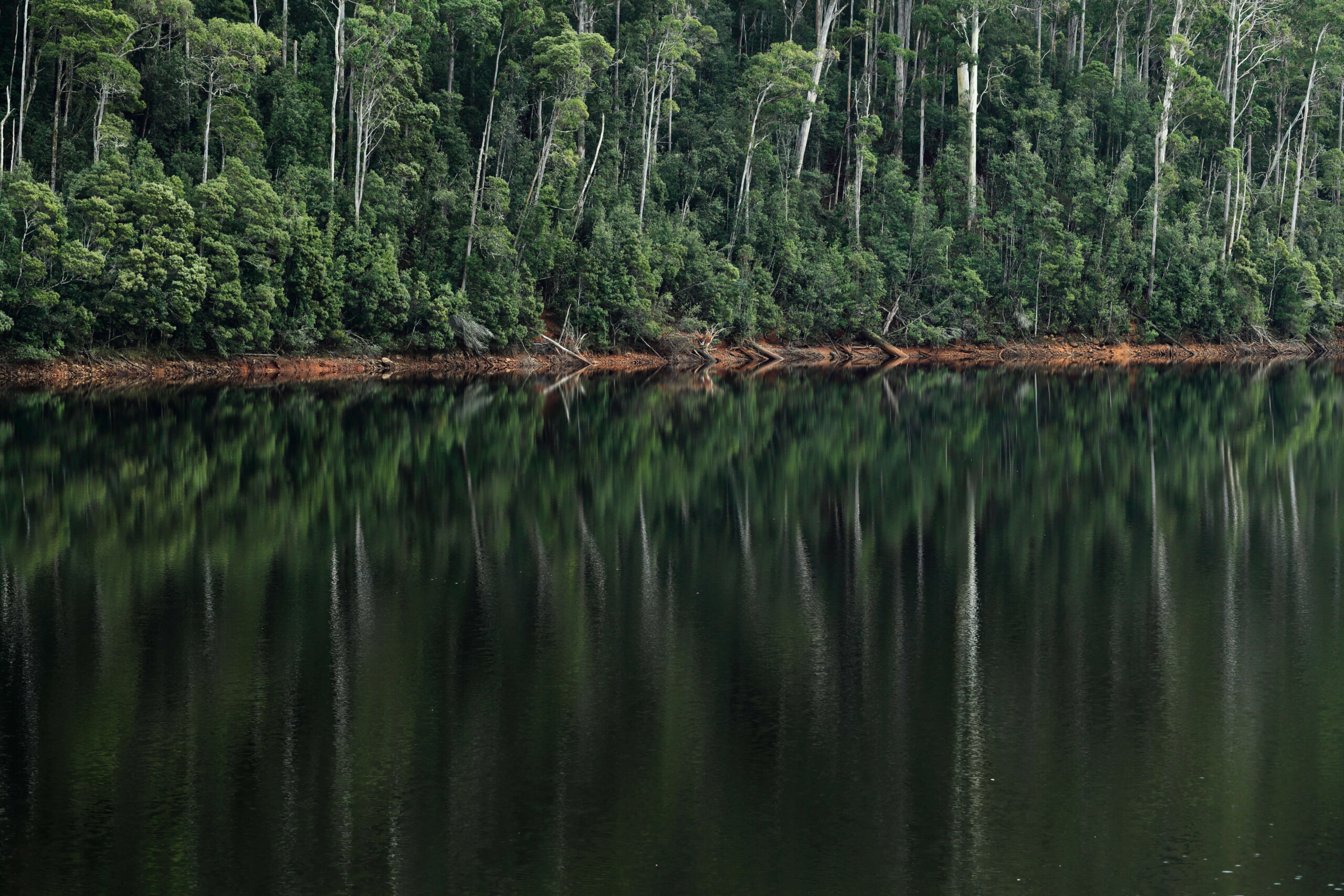
Just like the whaling ban gave humpbacks a second chance, strong environment laws could finally tackle the destruction caused by large-scale deforestation and land clearing in Australia.
Reform of our national environment laws is our once-in-a-generation chance to close the loopholes, require assessment of logging, and give our native wildlife a fighting chance.
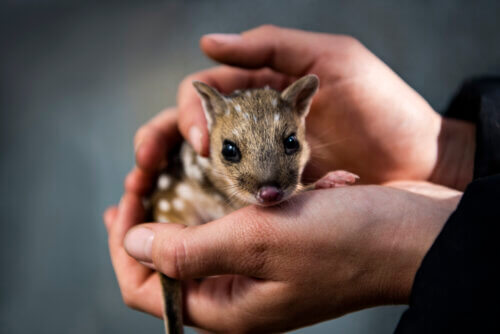
See what others posted on the wildlife wall

Make a difference
Help power more game-changing court cases and urgent legal actions for the people and places you love.
Our financials
We have a long-standing commitment to sound fiscal management, accountability and transparency.
We encourage you to investigate before you donate.
Join us
The law is a powerful tool to disrupt the status quo and make governments and corporations accountable.
Join us and let's build a radically better world.