EPBC Act
What's the deal on environment law reforms?
In the early hours of this morning we got the news: a deal with the Greens has been done, and Australia is getting new environment laws.
It’s taken more than two decades of advocacy, countless volunteer hours and thousands of community submissions to reach this point – but we’re finally here.
So, the big question is: are these new laws any good?
Join a webinar on Wednesday 10 December 2026 with EJA's legal experts, or read on for our first impressions.
JOIN THE WEBINAR
'Meet Australia's new environment laws'
Join Environmental Justice Australia's legal experts to hear what’s new, why it matters and what comes next.
Wed 10 December, 5-6pm AEDT
Here’s our first impressions…
Labor's original reform package
Labor’s original Bills had some good elements, but they also came with gaping holes: king-like discretionary powers, deforestation loopholes, a massive climate damage gap, a pay-to-destroy offsets scheme and a worrying handover of national leadership to the states (more on that here).
The Greens-Labor reform package
The agreement on Thursday makes the reform package better than it was a few days prior, thanks to genuinely important improvements secured through Greens negotiations. These include:
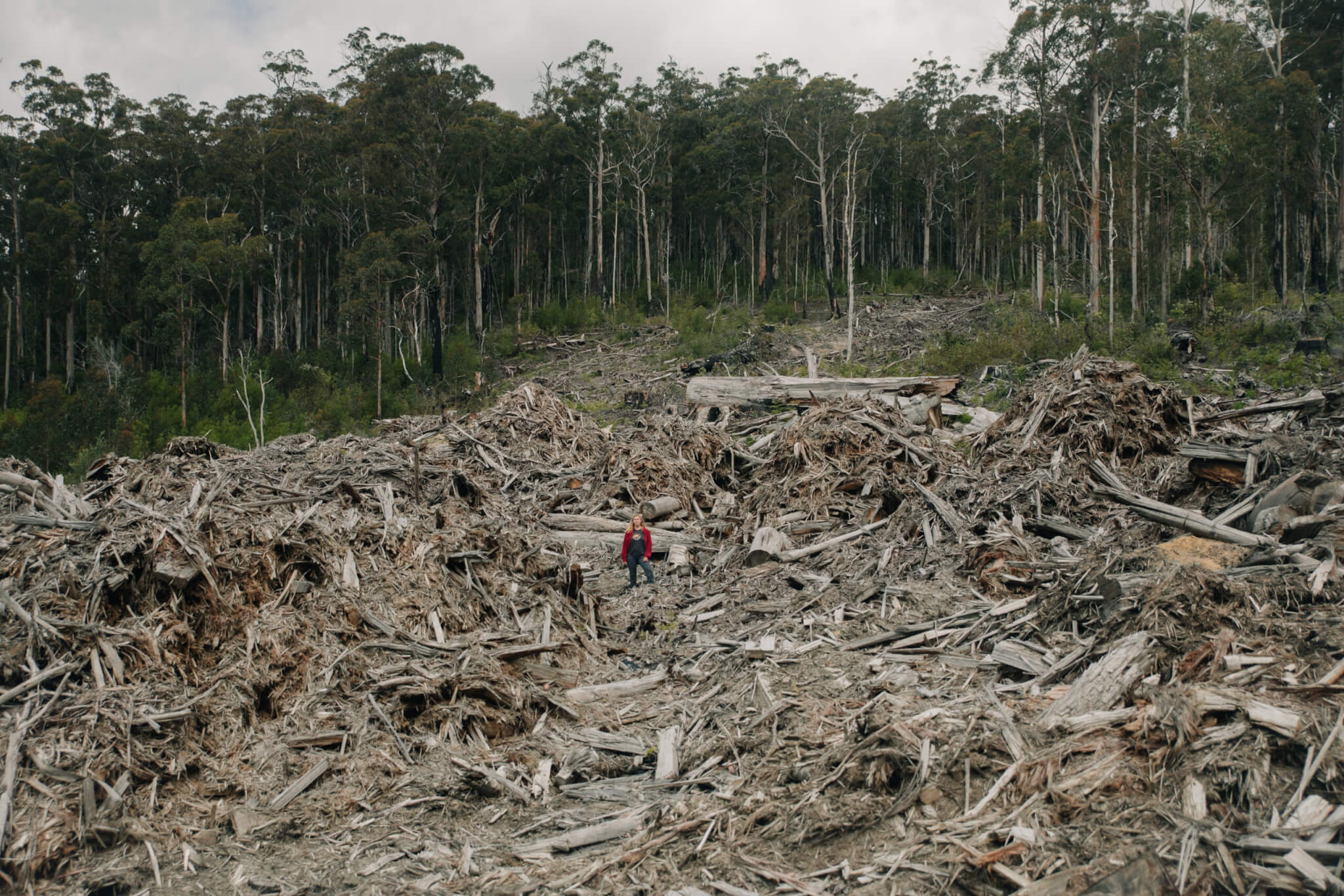
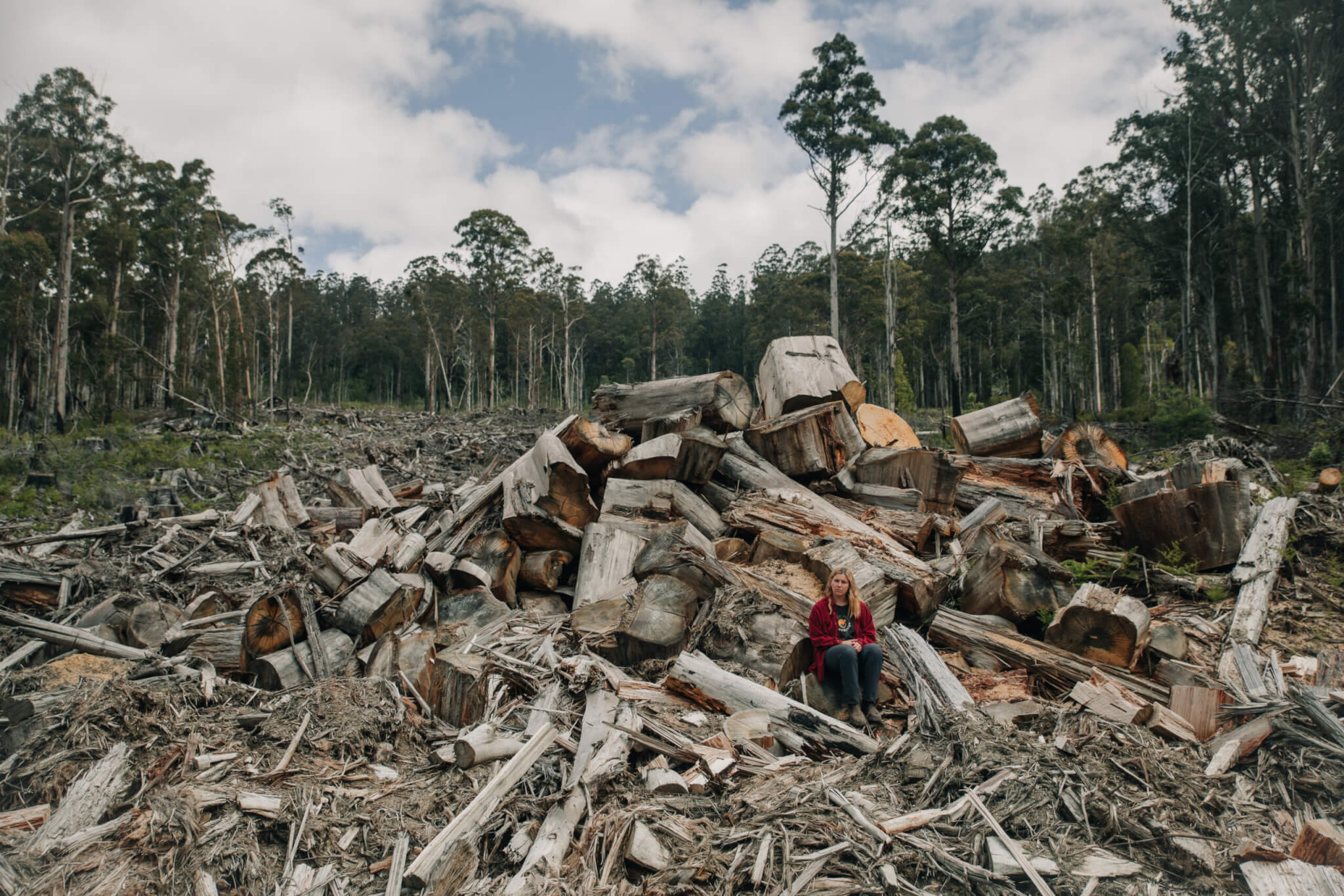
- A long-overdue end to the destructive deforestation loopholes (RFAs) that have allowed native forest logging to escape national oversight for decades. (While this is great, much work needs to be done to ensure old growth forests are not cleared in the mean
- Blocking the fast-tracking of
- Some checks on handing approval powers to states and territories
- Improved assessment and focus on of land clearing
- A strengthening of how environmental standards will be applied
- The “pay-to-destroy" offsets scheme will not apply to critically endangered species habitat)
- A commitment to ongoing scrutiny with five-yearly reviews and a continuing Senate inquiry.
These improvements are a better outcome for nature than what the Coalition was proposing.
Nevertheless, it’s a serious concern that Australia’s environment laws will still not assess fossil fuel projects for their climate harm.
Plus as environmental lawyers, we’re alert to the ways a government could avoid their obligations to protect nature under these laws.
The detail (and the gaps that remain)
Logging loopholes will close (eventually)
Regional Forest Agreements (RFAs) will end in Tasmania, NSW and Queensland in 18 months. Clearing in forests and in Great Barrier Reef catchments will also face real assessment and national standards
...But a lot of logging can happen in 18 months. To protect important old growth forests the federal government must implement safeguards now.
Fossil fuels cannot be fast-tracked (but other damaging projects can)
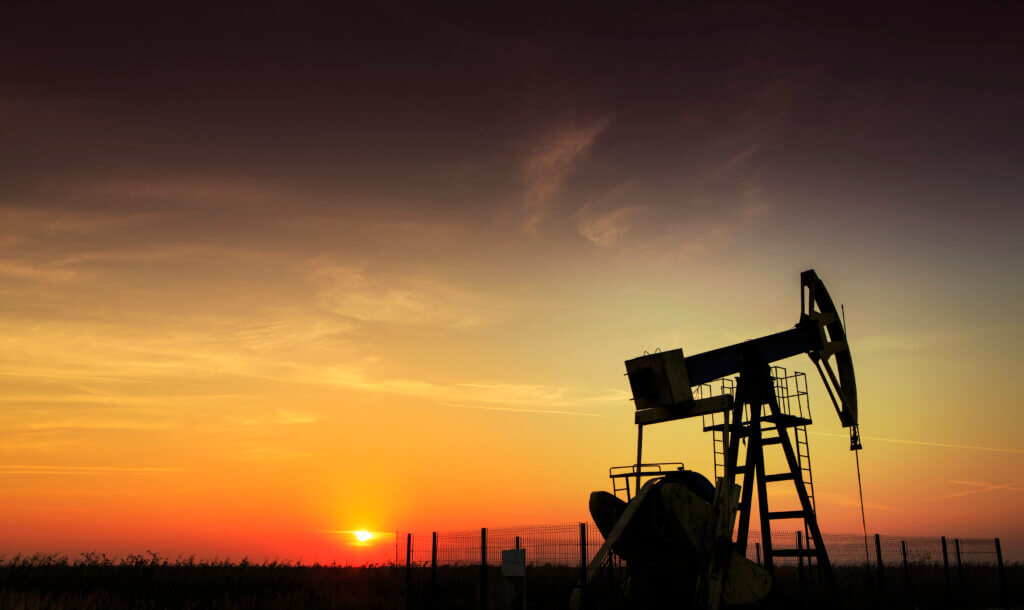
Labor’s original bill proposed streamlined approvals and a “national interest” exemption to fast-track projects. These broad pathways carried real risks – they could have allowed major polluting projects, including new fossil fuel developments, to bypass important environmental checks. The Greens secured an amendment that prevents these pathways from being used for fossil fuel projects.
...But other damaging developments could still be rushed through without proper consultation or scrutiny. Strong national environmental standards and oversite are essential to prevent this.

National standards will be created (but politicians decide how to apply them)
National standards are meant to be the backbone of these reforms, and the bills set up the framework for creating them. The real test will be how clearly these standards are defined and how firmly they’re implemented.
...But we don’t know what will be in the standards, and they will be vulnerable to political discretion. Many requirements in the new laws hinge on whether the Minister is “satisfied” a standard has been met, which leaves significant room for discretionary decision-making. These standards must be developed with genuine community input. The First Nations Standard in particular needs to be done well, embedding meaningful consultation with – and consent of – First Nations communities.
Stay tuned... we’ll share a submission guide to help you have a say in the public consultation on these standards.
An environmental watchdog will be created (but it’s missing some teeth)
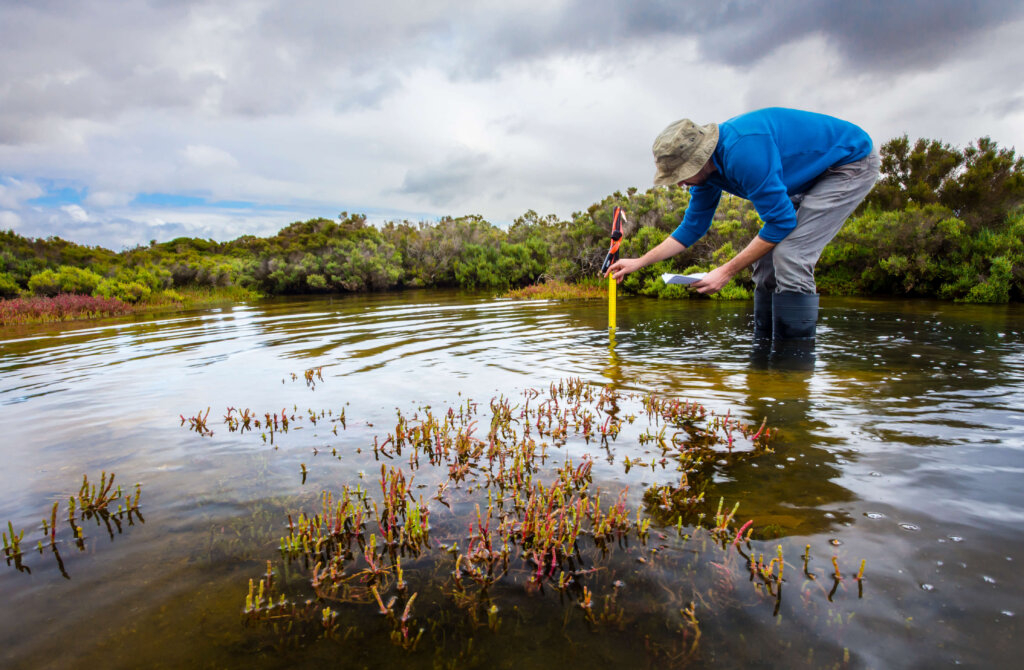
A national EPA, giving Australia a much-needed federal watchdog will be established.
…But its powers will be limited. It won’t have authority to make approval decisions, and without an independent board it remains open to political influence – including the risk of politically motivated CEO appointments. The Minister will also be able to direct the EPA when it’s acting under delegation, such as when assessing project applications.

Polluters must disclose emissions (but there is no requirement for decision makers to assess climate risk)
Polluters must disclose their scope 1 and 2 emissions when applying for project approvals.
…But there is still no specific requirement for the environment minister to assess (or reject) projects for their climate risk to nature.
Damage to some threatened species can’t be offset (but most still can)
The Greens deal means harm to some threatened species can no longer be offset, which is an improvement.
But… Labor’s original offsets fund will still let companies pay-to-destroy nature and misses the important safeguard of requiring like-for-like offsets.

Bioregional planning will be created (but it may not deliver real protection)
Bioregional planning could be a powerful tool if used well – identifying what ecosystems need, setting clear limits and mapping genuine no-go zones.
…But the laws don’t guarantee this. Poorly designed plans could become a license to create large “development zones” where the real impacts of individual projects escape proper assessment. As with much of this package, implementation will make or break these reforms.
Right now, EJA’s legal team is combing through the Bills to prepare detailed, honest and easy-to-understand explainers to help you make sense of what’s changed. We’ll keep sharing clear, accessible updates as these reforms roll out.