
Environment law reform
Australians have high standards
Every day, as you move through the world, invisible legal guardrails – standards – are quietly keeping you safe.
You can grab your favourite sandwich without worrying about how it was made, because food handlers must follow strict food safety standards.
You can rent a car without thinking twice about the airbags or seatbelts, because standards make sure they all meet the same safety requirements.
Even the sunscreen you put on this morning is bound by a quality standard. And you can be confident the device you’re reading this on won’t blow up, thanks to consumer safety rules.
Standards cover almost everything in our world – and for good reason. But right now, they don’t exist for nature.
Below, we’ll dive into the world of environmental standards – the game-changing foundation for Australia’s environmental law reform.

What’s the big deal about a standard?
When we talk about national environmental standards, we mean a universal set of rules that set the minimum expectations for every decision affecting nature in Australia. Think of them as a clear line in the sand that says: “anything below this isn’t good enough.”
In the context of environmental law reform, standards were the centrepiece recommendation of the 2020 independent Samuel review of our national environment laws. That review heard that successive governments had failed to protect Australia’s unique ecosystems and species, and identified outcome-focused environmental standards as the key framework needed to turn things around.
Legal experts at EJA agree: without clear rules and strong standards, nature will keep being chipped away until there’s nothing left to protect.
Strong laws backed by clear, enforceable standards are essential to safeguard the living systems we all depend on – now and for generations to come.
A STANDARD FOR FIRST NATIONS ENGAGEMENT
Right now, Australia’s environment laws do not require the Free, Prior and Informed Consent of Traditional Owners to projects on their Country. That means major developments are approved without proper consultation, consent, or respect for cultural values and rights.
The 2020 Samuel review recommended a First Nations Engagement Standard be co-designed, with its intended outcome being that:
“Indigenous Australians are empowered to be engaged and participate in decision-making, and their views and knowledge are respectfully and transparently considered in the legislative and policy processes that support the protection and management of the environment under the EPBC Act.”
Australia's new laws should embed Free, Prior and Informed Consent, and reflect the authority, knowledge and leadership of First Nations peoples in decisions that affect their Country.
Reform could look like:
- Including a strong First Nations Engagement Standard
- Recognising First Nations cultural heritage, knowledge and law as essential to caring for Country and environmental protection
- Embedding Free, Prior and Informed Consent at the earliest possible stage in project planning.

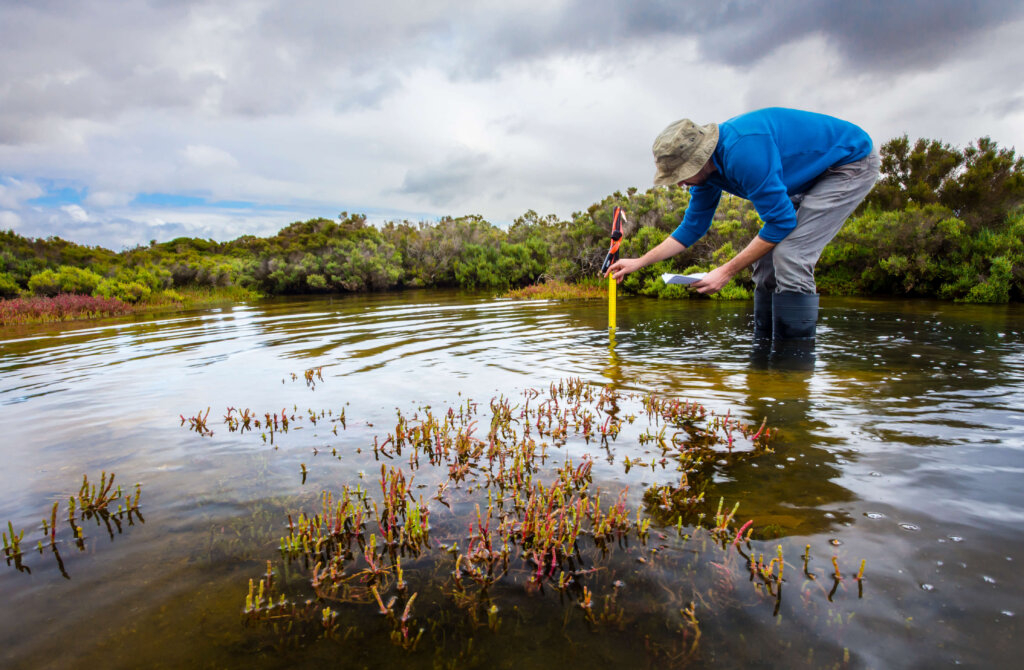
A STANDARD FOR WETLANDS
Australia is home to some of the most extraordinary wetlands on Earth – places like Kakadu, the Coorong and the Gippsland Lakes – that are recognised under international law for their ecological importance. Yet these sites are still under threat from pollution, development and climate change.
The 2020 independent Samuel review called this out and recommended a National Environmental Standard for Wetlands of International Importance – or Ramsar wetlands – with a clear environmental outcome:
“The ecological character of each Ramsar wetland is maintained through the conservation, management and wise use of the wetland, having regard to ecologically sustainable development.”
In other words, this standard would make sure these globally significant wetlands are cared for properly – not left vulnerable to the same weak laws that have allowed their gradual decline. It’s a practical example of how strong, outcome–based standards can protect irreplaceable ecosystems before it’s too late.

What makes a good standard?
Australia’s new laws must:
AU
If we’re serious about protecting nature, we need high standards – clear, enforceable rules that set the bar for every decision.
Australia’s environment laws must set strong National Environmental Standards with clear requirements and outcomes that everyone must follow, to ensure every decision supports healthy ecosystems for people and nature.
- Create strong, legally binding National Environmental Standards that all decisions must follow – including standards for matters of national environmental significance (like threatened species and Ramsar wetlands), First Nations engagement and community participation.
- And reflect the minimum expectations set by Standards throughout our national laws by:
- Being backed by a non-regression principle, so standards can only improve over time – not go backwards.
- Embedding the mitigation hierarchy in legislation – avoid damage first, don’t just offset it later, legislate limits on when offsets can be used and don’t allow companies to pay to destroy.
- Mandating comprehensive conservation planning and critical habitat protections.
- Clearly defining unacceptable impacts and ensuring that the most damaging projects are ruled out from the start.
How do these fit in with the current laws?
There’s currently nothing equivalent to a standard in Australia’s national environment laws.
What standards can bring, that’s currently missing in our environment laws, is clarity and accountability. Standards would replace vague, box-ticking processes with clear, measurable outcomes for nature and climate.
They’d draw bright legal lines around what’s acceptable and what’s not, removing the political discretion that too often lets destructive projects slip through.
Creating National Environmental Standards could be game-changing; and we’re not starting from scratch. In 2020 Graeme Samuel AC prepared the text of some key draft standards as part of his review.
In short, good standards make strong laws – and that’s exactly what nature needs.
The conversation in Parliament House
At a recent Senate Estimates hearing, Environment Minister, Murray Watt said he won’t include proposed national environmental standards in the legislation expected to be tabled in 2025 – even though they’re meant to be the backbone of the reform. These standards are critical, and we need to see the detail up front. When it comes to national standards, the fine print really matters.



Make a difference
Help power more game-changing court cases and urgent legal actions for the people and places you love.
Our financials
We have a long-standing commitment to sound fiscal management, accountability and transparency.
We encourage you to investigate before you donate.
Join us
The law is a powerful tool to disrupt the status quo and make governments and corporations accountable.
Join us and let's build a radically better world.