
SUBMISSION GUIDE
Have your say: national environment standards
It's time to shape the detail of the Albanese Government's environment reforms
Until Friday 30 January 2026, the Department of Climate Change, Energy, the Environment and Water (DCCEEW) is asking people and organisations to share their views on the Albanese Government’s draft:
- Matters of National Environmental Significance (MNES) national environmental standard
- Environmental Offsets national environmental standard
These draft standards are the heart of Australia’s environment law reform.
In this guide, EJA’s legal experts outline what’s missing, what’s promising, and what needs to change to ensure the standards actually protect nature.

Making your submission in three easy steps:
1. Read the guide
Scroll down for EJA’s step-by-step instructions or download the PDF.
2. Have your say on the MNES standard
Fill in the survey or draft and upload a written submission. Keep it short and clear – who you are, why you care, the issues you’re worried about, and any amendments you recommend.
3. Have your say on the offsets standard
Fill in the survey or draft and upload a written submission. Same approach: be clear about who you are, why this matters to you, the issues you see, and the changes you want.
Looking for general advice on submission writing?
The best submissions are unique. Good submissions generally:
- Are concise and well-structured
- Emphasise the key points so that they are clear
- Outline concerns as well as suggesting recommendations to address them
- Only include information and documents that are directly relevant to your key points.
You can find more advice from EJA on how to write a good submission, here.

About the consultation + why it matters
Australia’s national nature laws – the Environment Protection and Biodiversity Conservation Act (EPBC Act) – have long been criticised for failing to protect the environment. Our record speaks for itself: Australia is a global leader in extinctions, land clearing and nature destruction.
After years of reviews, inquiries and debate, significant changes to the laws passed at the end of 2025. Australia now has a new (or at least seriously amended) EPBC Act.
Under these reforms, the Environment Minister can create National Environmental Standards. These are universal requirements that guide environmental decision making across the country. They’re designed to deliver:
- Stronger environmental protection and restoration
- More efficient and robust project assessments
- Greater accountability and transparency in environmental decision making.
The standards are made by the Minister and tabled in Parliament as legislative instruments.
A lot of the real-world power of the new laws sits with national environmental standards. They spell out how the new system should work in practice, which is why the detail matters so much. Strong, clear standards will lift environmental protection across the board. Weak or vague standards will undermine the new laws before they even commence.
Two standards have already been drafted and are now open for public consultation until January 30:
- Matters of National Environmental Significance (MNES) national environmental standard
- Environmental Offsets national environmental standard
This consultation is seeking feedback specifically on these two drafts
Getting started
You can make your submissions in two ways:
- Option 1: Respond using the survey prompts
- Option 2: Upload a written submission using the same survey
We encourage you to upload written submissions on each standard so that you can tailor your comments to your concerns.
There are separate surveys for each draft standard. If you want to have your say on both standards you’ll need to complete two surveys and/or upload two submissions.
1. Draft your submissions
Draft your submissions and save them to your desktop using file names you’ll remember. If you’re planning to answer only using the survey prompts, you can skip this step.
2. Lodge your MNES submission
Open the consultation page
Click on this link: https://consult.dcceew.gov.au/natl-environmental-standards-mnes
Start the survey
Scroll to the bottom of the page and click ‘Survey on draft MNES Standard Policy Paper and legislative instrument’.
Agree to the privacy statements
You’ll be shown three separate privacy statements. Read each one and use the button at the bottom of the pages to agree and continue.
Enter your details
Add your personal or organisational information, then scroll down and click ‘Next’.
Rate your support for the draft standard
Choose a rating from 1–5. You’ll need to do this even if you plan to upload a written submission.
Choose the topics you’re giving feedback on
Tick the relevant boxes. Options include:
- Objectives
- Outcomes
- Principle 1 – Actions appropriately consider the mitigation hierarchy
- Principle 2 – Actions appropriately consider impacts to protected matters
- Principle 3 – Actions with residual significant impacts to protected matters are compensated
- Principle 4 – Actions are supported by evidence
You can select as many as you like, based on this submission guide you may wish to select tick the relevant boxes. Options include: .
Add your feedback
- If you’re responding directly in the survey, type your comments into the text box provided. If the box feels cramped, draft in a separate document and paste your text in.
- If you’re uploading a prepared submission, scroll to Option 2, click ‘Click to choose a file’, and upload your document from your desktop.
Press submit!
3. Lodge your offsets submission
Open the consultation page
Click on this link: https://consult.dcceew.gov.au/natl-environmental-standards-mnes
Start the survey
Scroll to the bottom of the page and click ‘Survey on draft Environmental Offsets Standard Policy Paper and legislative instrument’
Agree to the privacy statements
You’ll be shown three separate privacy statements. Read each one and use the button at the bottom of the pages to agree and continue.
Enter your details
Add your personal or organisational information, then scroll down and click ‘Next’.
Rate your support for the draft standard
Choose a rating from 1–5. You’ll need to do this even if you plan to upload a written submission.
Choose the topics you’re giving feedback on
Tick the relevant boxes. Options include:
- Objectives
- Outcomes
- Principles 1 - Feasibility
- Principle 2 – Security
- Principle 3 – Direct and tangible
- Principle 4 – Net gain
- Principle 5 – Additionality
- Principle 6 – Like-for-like
- Principle 7 – Relevant area
- Principle 8 – Offset commenced prior to impact
You can select as many as you like, based on this submission guide you may wish to select all of them.
Add your feedback
- If you’re responding directly in the survey, type your comments into the text box provided. If the box feels cramped, draft in a separate document and paste your text in.
- If you’re uploading a prepared submission, scroll to Option 2, click ‘Click to choose a file’, and upload your document from your desktop.
Press submit!
If you have any questions, feedback on this submission guide, need additional support or want to share your submission with us, get in touch at hello@envirojustice.org.au.

Draft standard: Matters of National Environmental Significance (MNES)
OVERVIEW
To be protected under Australia’s national environment laws, a plant, animal, place or ecosystem must be listed as a Matter of National Environmental Significance (MNES). Think of this as a golden ticket to federal protection – it signals that something is so important it should be protected by the Commonwealth, not just by state or territory laws.
The MNES standard is a legal document that has the potential to set expectations for, and limits on, how decision-makers, developers and the community assess the risks a project may pose to protected matters. It sets out core principles for decision-making, alongside definitions designed to provide clarity and consistency. The standard was a cornerstone of the Samuel Review, which even included a draft version for the Australian Government to adopt.
The environment department has provided a draft MNES standard policy paper and legislative instrument for consultation. The policy paper explains the government’s intent and approach to developing the standard. The legislative instrument is the delegated law that, once made and registered, would have legal effect.
EJA’s legal experts are concerned that the draft MNES standard does not provide the strong, enforceable protections recommended as essential by the Samuel Review. The MNES standard is the heart of Australia’s national environment law framework and must be outcomes-based, clear and enforceable. However, we do not believe the current draft meets these requirements. In particular, we are concerned that:
- Weak wording throughout the draft waters down key environmental protection concepts, such as “cumulative impacts” and “best available information”.
- Gaps in the drafting create uncertainty about when the standard will apply, including to what projects – there is little point having standards unless they clearly apply to all relevant decisions.
- Failure to describe how the Standard would apply allows for inconsistent application. Decision-makers can apply the Standard in different ways, such as only needing to “have regard to” the standard or be “satisfied” their decisions are “not inconsistent with” it. This application threshold has not yet been defined.
None of these issues are deal-breakers. By strengthening the draft MNES standard the framework could deliver real, positive outcomes for nature and communities.
If you share these concerns, our recommendations are outlined below.
Recommendations:
- Strengthen the draft MNES standard to be outcomes-based and enforceable, as recommended by the Samuel Review. Specifically,
- Ensure the standard is outcomes-based, clear and enforceable.
- Include clear and robust obligations for applying the mitigation hierarchy, replace language like “should generally” with “must”.
- Require robust assessment of cumulative impacts.
- Strengthen the requirement to use the best available information in line with established conservation science and practice.
- Ensure the MNES standard applies to all relevant decisions.
- The standard should clearly apply to all decisions under the Act. There is little value in national standards if they do not apply consistently and comprehensively.
- The standard should also apply to actions, plans and policies, as recommended by Samuel.
- Tighten discretion
- The Act and regulations should require compliance with the MNES standard, not merely that decision-makers “have regard to” it. Weak wording risks inconsistent application and undermines the purpose of the standard.
- Embed First Nations consent
- Expand the First Nations engagement consultation requirements in Principle 4 to require free prior and informed consent.
- Keep the positive aspects of the Standard – ensure that essential aspects of the standard remain when it is made. This includes the wording of the objectives for protected matters.
Draft standard: offsets
OVERVIEW
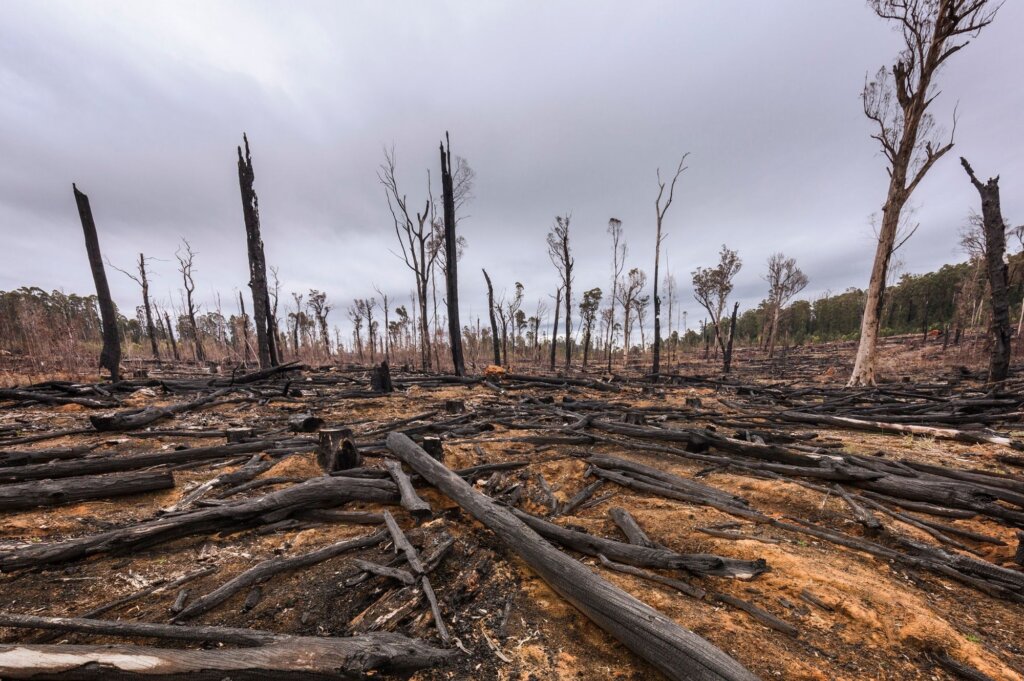
The Albanese Government’s 2025 reforms created a new environmental offsets scheme and introduced “payment in lieu” offsets. This allows projects that will significantly impact nationally important nature to be approved even when genuine offsets for this destruction are not available. Instead of restoring or protecting equivalent habitat, companies can pay “restoration contributions” into an offsets fund.
The draft environmental offsets standard sets out the objectives and intended outcomes of the offsets scheme, along with principles to guide its implementation. The environment department has released both a draft environmental offsets standard policy paper and a draft legislative instrument for consultation. The policy paper explains the government’s intent and approach to developing the standard. The legislative instrument is the delegated law that, once made and registered, would have legal effect.
EJA’s legal experts are concerned that the offsets scheme risks becoming a pay-to-destroy system and do not believe the draft standard includes adequate safeguards to prevent this. As with the MNES standard, the environmental offsets standard must be outcomes-based, clear and enforceable. However, we do not believe the current draft meets these requirements. In particular, we are concerned that:
- The limits to offsetting are not recognised. The standard fails to acknowledge that some protected matters, such as endangered and critically endangered species and ecological communities, may be at such risk that impacts cannot be appropriately offset. There is a power for the Minister to make a declaration for species which cannot be offset – this declaration should be made concurrently with the Offsets Standard.
- Weak wording risks inconsistent application and undermines enforceability. For example, the draft standard states that decision-makers “should” apply the principles, rather than requiring that they must, it is also unclear which projects the standards apply to.
- Ambiguous framing creates uncertainty about whether the fund-holder – the body responsible for spending money paid into the offsets fund – is bound by the principles of the standard. This raises the risk that contributions could be collected but not invested in accordance with the standard, with no clear mechanism for enforcement. For example, the fund-holder would not need to secure like-for-like outcomes. This would allow damage to one type of habitat to be offset by investment in a totally different ecosystem, weakening the purpose of the offsets scheme.
- Excessive discretion allows inconsistent application and limits enforcement. Decision-makers only need to “have regard to” the standards or be “satisfied” their decisions are “not inconsistent with” them – language so weak it risks undermining their purpose
If you share these concerns, our recommendations are outlined below.
Recommendations:
- Create a declaration alongside the standard specifying that some species and ecosystems cannot be offset, including impacts on endangered and critically endangered species and ecosystems.
- Introduce stronger upfront restrictions on the use of restoration contribution charges, including a requirement to confirm, before approval, whether a suitable like-for-like offset is genuinely available.
- Rewrite each principle to be outcomes-based and enforceable. In particular, replace “should” with “must” throughout the standard.
- Ensure the standard applies to all relevant decisions under the Act. There is little value in national standards if they do not apply consistently and comprehensively.
- Ensure the fund-holder is bound by all principles in the standard. The body responsible for administering and spending offset funds must be required to comply with all requirements of the environmental offsets standard.
More helpful resources
Need more information? Explore EJA’s library of environment law reform analysis, legal explainers and video briefings:


Our financials
We have a long-standing commitment to sound fiscal management, accountability and transparency.
We encourage you to investigate before you donate.
Join us
The law is a powerful tool to disrupt the status quo and make governments and corporations accountable.
Join us and let's build a radically better world.