LAW REFORM
Last day to have your say on Australia’s water laws
Make your submission by 11.59pm AEST on 31 August 2026.
https://consult.dcceew.gov.au/water-act-review
If you care about healthy rivers, First Nations water rights, and how Australia manages water in a changing climate, the current review of the Water Act 2007 (Cth) matters.
The Water Act provides the legal foundation for the Murray-Darling Basin Plan and helps shape how water is managed across this vast, interconnected river system. Almost 20 years after it became law, the Australian Government is reviewing the Act.
It’s an important opportunity to ask whether our national water laws are delivering what they were designed to do – and how they could work better for rivers, wetlands, communities and First Nations.
With submissions to the review closing on 31 August, we brought together Anna McGuire, National Policy Lead at the Murray-Darling Conservation Alliance (MDCA), Grant Rigney from Murray Lower Darling Rivers Indigenous Nations (MLDRIN) and EJA senior specialist lawyer Bruce Lindsay to unpack what’s at stake, what needs to change and how people can have their say.
If you’re thinking about making a submission, watch our webinar recording below and keep reading for three key issues to consider.
1. Water is more than a commodity: why strong national water laws matter
One of the clearest messages from the webinar was that the Water Act provides an important national framework that is worth protecting – and strengthening.
Before the Commonwealth Water Act became law in 2007, water management, including across the Murray-Darling Basin, was largely driven by state governments.
But there’s an important difference in what these different layers of water law are designed to do.
State and territory water systems can largely focus on how water resources are allocated, distributed and used. The Commonwealth Water Act provides something crucial: a national framework with the protection and restoration of water ecosystems at its heart.
As EJA senior specialist lawyer Bruce Lindsay explained, the Water Act is essentially an environmental law. It was designed to address the over-extraction and overuse of water and help protect and restore the Basin’s rivers, wetlands and other water-dependent ecosystems.

“There’s a real need to defend the Commonwealth Water Act, as an architecture, and the fundamental principles and premises behind it.”
— Bruce Lindsay, Nature team lead and senior specialist lawyer, EJA
That national environmental focus matters because rivers and ecosystems don’t stop at state borders.
Water taken or managed in one place can affect rivers, wetlands, wildlife, communities and Country hundreds of kilometres away. Decisions made within one jurisdiction can have consequences upstream and downstream, across borders and across generations.
But defending the Water Act doesn’t mean defending the status quo.
Almost 20 years after the Act became law, there remains a significant gap between its environmental objectives and what is happening across the Basin.
“Water extraction remains at unsustainable levels, and ecosystem health is declining.”
— Anna McGuire, National Policy Lead, MDCA

The review is an opportunity to examine why the Act has fallen short of its objectives and strengthen the national framework so it can better protect rivers, wetlands and communities into the future.
It’s also important that reform doesn’t take us backwards.
As Anna warned:
“We think it’s possible that there could be calls during this process to weaken the Water Act.”
This review is an important moment for people who care about healthy rivers, First Nations water rights, and the future of our water systems to speak up.
2. Water doesn’t stop at state borders. Our laws need to reflect that
Several questions during the webinar came back to the role of state governments and whether the Commonwealth should have a greater role in water management.
It’s an important question because water doesn’t neatly divide itself along the lines we draw on maps.
Healthy rivers depend on what happens upstream and downstream. Rivers, groundwater, floodplains and wetlands interact across enormous landscapes and multiple jurisdictions.
Yet states and territories continue to exercise significant power over water management, including through local water planning and implementation.
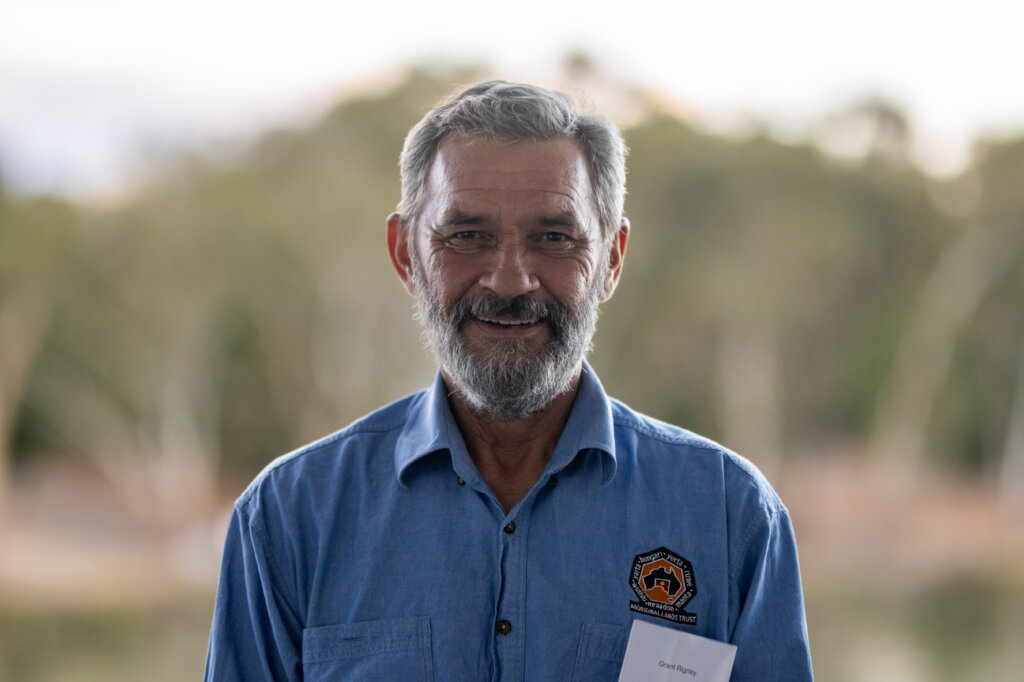
“We’re not looking at it from a national perspective, because the state and the territory do have too much power.”
— Grant Rigney, Ngarrindjeri Citizen and Deputy Chairperson, MLDRIN
A stronger national role doesn’t necessarily mean the Commonwealth taking over every water decision.
But our panellists identified opportunities for stronger Commonwealth coordination, oversight and intervention where state-based systems aren’t delivering the environmental outcomes our national water laws are meant to achieve.
That could include stronger accountability for state water management, greater independent scrutiny of modelling and data, and national rules that better ensure local water planning contributes to the health of the whole river system.
The webinar also highlighted the need for water planning to properly account for climate change.
Decisions about how much water can be taken, how environmental flows are managed and how ecosystems are restored need to reflect the realities of a hotter, drier and increasingly unpredictable climate.
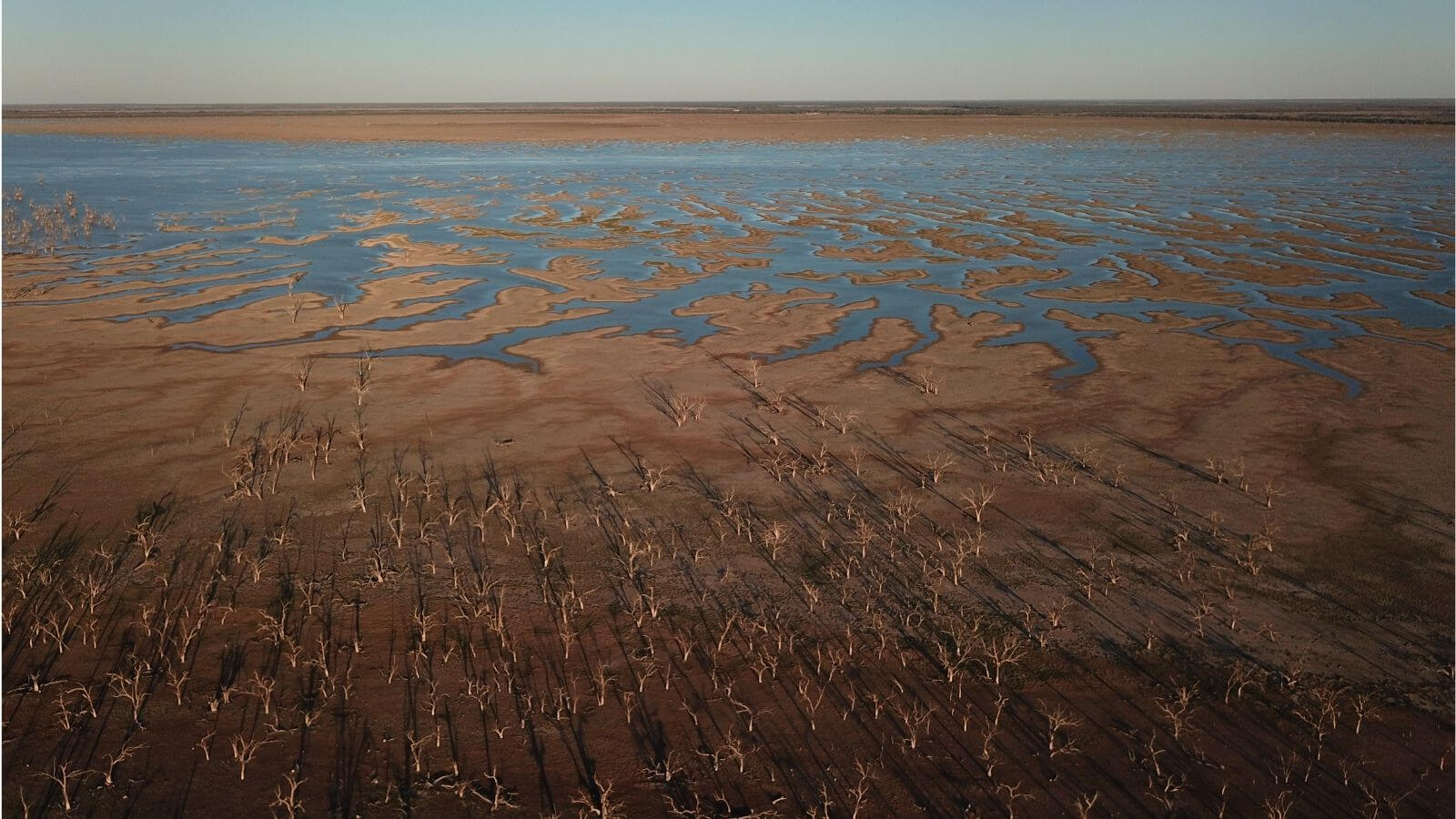
Planning around the past isn’t enough when the future is likely to look very different.
3. First Nations rights can’t remain at the margins of water law
A major focus of the webinar was the inadequate recognition of First Nations rights and interests within the existing water management framework.
First Nations peoples have cared for rivers, wetlands and Country since time immemorial. Yet the Water Act provides very limited mechanisms for First Nations peoples to exercise rights and decision-making authority over water and Country.
Consultation alone isn’t enough.
Grant spoke about the need for a rights-based approach, including greater First Nations participation in decision-making and proper recognition of First Nations knowledge in determining what sustainable water management actually looks like.
This matters at every level of the system.
Decisions about how much water can sustainably be taken from rivers rely heavily on scientific knowledge and modelling. Yet First Nations knowledge of Country has not been adequately incorporated into the foundations of those decisions.
As Grant explained:
“First Nations science and knowledge should, and must, be incorporated into the Western system.”
Bruce also highlighted the limitations of the existing law:
“There is a need for considerable strengthening of First Nations rights and interests.”
The review is considering how the Water Act could better reflect the principles of the United Nations Declaration on the Rights of Indigenous Peoples. There are also existing international legal foundations for stronger recognition of First Nations rights and interests in water, including the Convention on Biological Diversity, which already underpins aspects of the Water Act.
That creates an important opportunity to move beyond weak consultation requirements towards laws that meaningfully recognise First Nations rights, knowledge, self-determination and authority in water management.
First Nations water rights aren’t an add-on to the broader question of how Australia manages water. They need to be central to it.
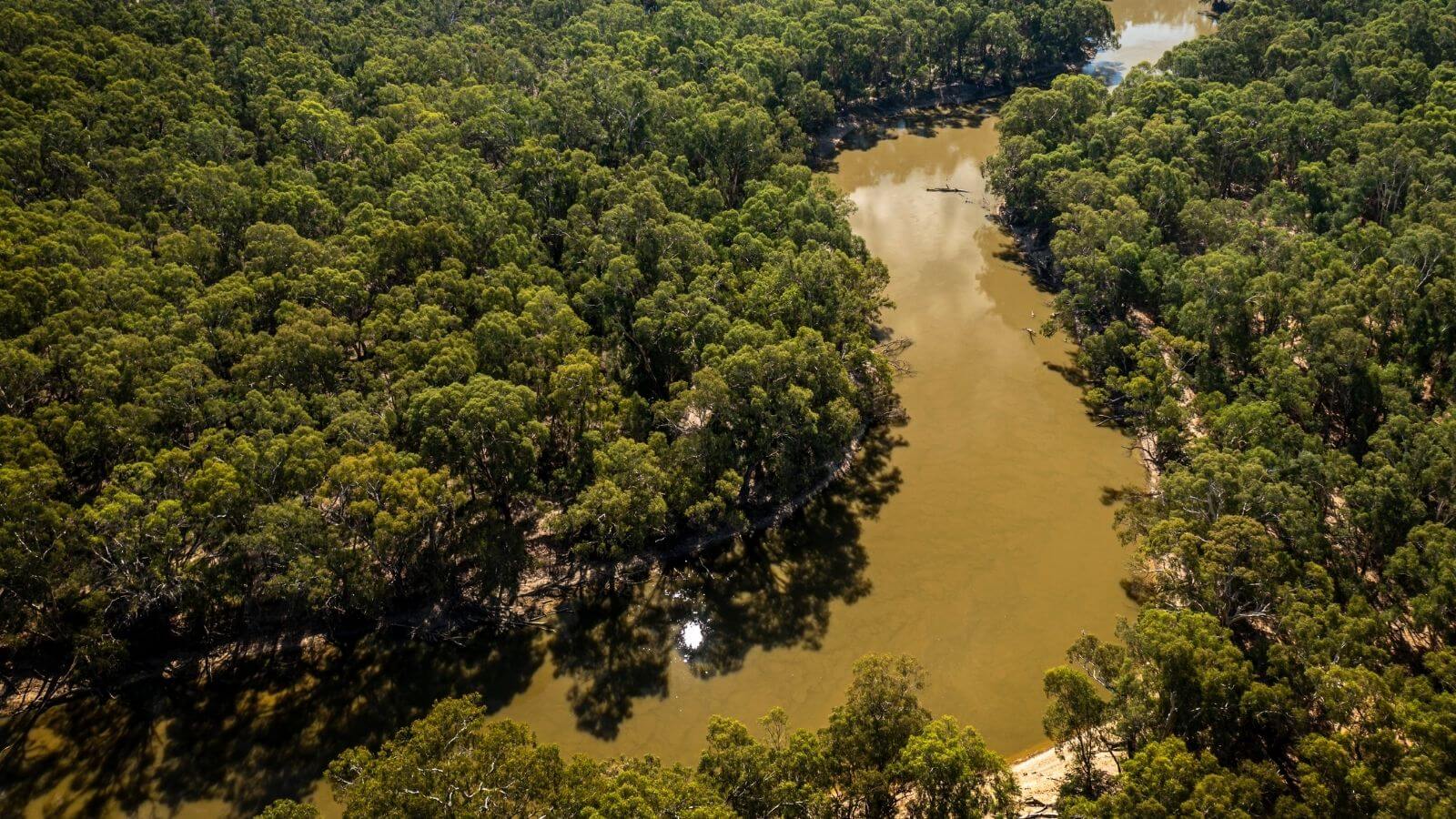
First Nations water rights aren’t an add-on to the broader question of how Australia manages water.
They need to be central to it.
You don’t need to be an expert to have your say
Water law can get technical quickly. But one of the most practical messages from the webinar was that you don’t need to be a lawyer, scientist or water policy expert to contribute to this review.
If you know and care about a particular river, wetland, community or issue, you can start there. Explain what matters to you, what you’ve observed and what you think Australia’s national water laws should achieve.
If you want to contribute, these resources can help you get started:
- Use the Murray-Darling Conservation Alliance submission guide
- Explore MLDRIN’s reports and resources
You can also use the questions in the review’s discussion paper below to guide your submission. Remember, you don’t need to answer every question or cover every issue.
Even a short submission focused on the issues that matter most to you can contribute to the review.
Have your say by 31 August
Submissions to the Australian Government’s Water Act review close 31 August 2026.
This review won’t resolve every challenge facing Australia’s rivers. But it is an important opportunity to defend what is strong in our national water laws and push for reforms that better reflect the interconnected nature of water, the realities of climate change and the rights and knowledge of First Nations peoples.
Read more