HUGE WIN
Court orders action to protect threatened species
The Wilderness Society, represented by Environmental Justice Australia’s lawyers, has settled a landmark case that will deliver stronger protections for threatened wildlife on the brink of extinction.
The Federal Court has ordered the government to act, compelling the Environment Minister to finally make long-overdue recovery plans for species including the ancient Australian lungfish, ghost bats, greater gliders and sandhill dunnarts.
In a huge win for nature, for the very first time, these threatened species will get legally binding roadmaps to help them survive and recover.

The Court also confirmed that recovery plans for seven other threatened species remain in force and cannot simply expire.
That means stronger, ongoing protections for species like Australian graylings, Baudin’s black cockatoos, Carnaby’s black cockatoos, forest red-tailed black cockatoos, long-footed potoroos, red goshawks and Tasmanian wedge-tailed eagles.
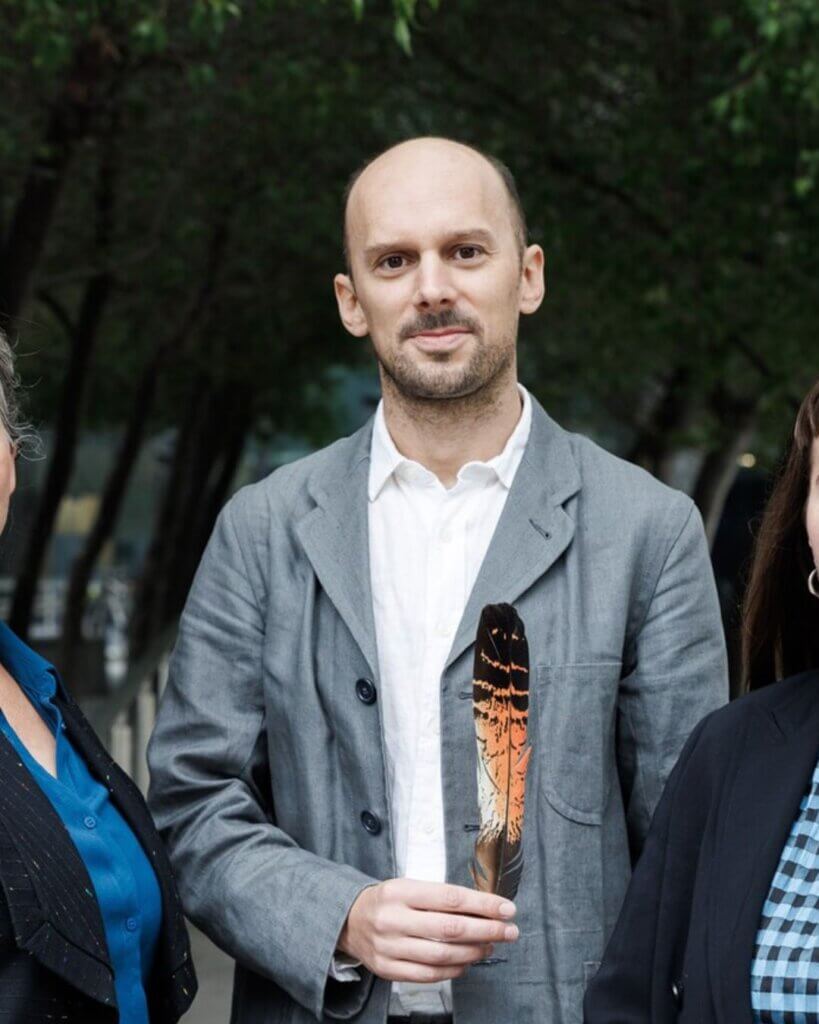
"Today is a win for threatened wildlife across Australia. After decades of neglect by government after government, we took to the courts to fight for Australia's pride and joy—its diverse and world-important environment."
The resolution of this case provides much-needed certainty for Australia’s iconic plants and animals, some of whom have been waiting for over a decade for a legally-required recovery roadmap to give them a better chance at surviving extinction."
— Sam Szoke-Burke, The Wilderness Society
What this win means
Recovery plans are legally binding tools under the Environment Protection and Biodiversity Conservation Act (EPBC Act) that set out the actions needed to stop the decline of a threatened species and support its recovery.
The Federal Court confirmed that recovery plans remain in force until a species is no longer listed as threatened, providing certainty for hundreds of Australia’s unique animals and plants.
"Recovery plans are one of the good legally enforceable tools that exist to stop Australia's wildlife sliding into extinction – and one of the important checks on the Environment Minister’s discretion when approving damaging projects."
"For decades, successive governments have failed to follow their own laws and deliver these vital recovery plans. The Court has now compelled the Environment Minister to do his job and make the required plans."
— Ellen Maybery, Senior Specialist Lawyer, EJA

This outcome sets a national precedent that governments cannot ignore their legal duties to threatened species.
Even as the EPBC Act is reformed, recovery plan provisions are unlikely to change – meaning this win will continue to safeguard wildlife into the future.

Why it matters
This outcome shows the power of communities and civil society to use the law to hold governments to account. It also adds pressure on the Albanese government to prioritise nature and deliver the protections that threatened wildlife desperately need.
This result will continue to safeguard threatened wildlife; it’s a huge step forward.

"While it is deeply frustrating that we had to resort to the courts to get the government to do its job, this outcome confirms the expectations on the Albanese government to start prioritising nature and helping Aussie wildlife beat extinction.
The government now knows that when the law says the Minister must do something, that doesn’t mean maybe. This outcome should set a new tone for how the government treats Australia’s iconic and unique natural environment. It’s time to prioritise nature, or face legal action and further community outcry."
— Sam Szoke-Burke, The Wilderness Society
Which threatened species were missing Recovery Plans and won in this court outcome?
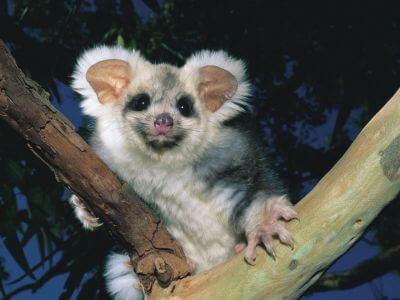
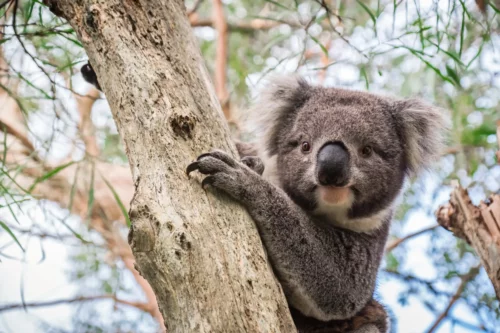
Greater gliders silently glide across treetops, making their nests up to 20 tree hollows at a time.
Greater gliders are Australia's largest gliding mammal. They can glide up to 100 metres between treetops, using their furry gliding membranes and big fluffy tails to steer.
They can only survive in healthy forests with big old trees, yet their habitat's been decimated by deforestation and fire, leaving them on the brink of extinction.
Southern and central greater gliders were listed as Vulnerable under the EPBC Act in 2016 and Endangered in 2022 – yet destruction of their habitat continues today.
Greater glider populations plummeted by at least 50 percent between 2000-2022.
The Environment Minister decided greater gliders required a Recovery Plan in 2016.
Still no recovery plan in 2025.
Today – the Court ordered the Environment Minister deliver a recovery plan by July 2026
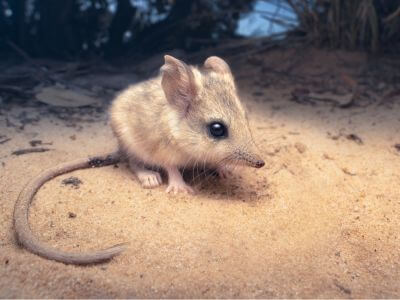
Found in arid sand dunes of South Australia and Western Australia, these carnivorous marsupials need intact spinifex habitat to survive.
Dunnarts sleep by day in sandy burrows, then forage all night long for insects and reptiles.
Protecting remnant sandplain ecosystems from land clearing, including the north of the Nullarbor Plain, is crucial for their survival.
Sandhill dunnarts were officially listed as Endangered in 2000 under the EPBC Act (they were also listed under the preceding Act).
In 2009, the Environment Minister decided sandhill dunnarts needed a Recovery Plan.
Still no recovery plan in 2025.
Today – the Court ordered the Environment Minister deliver a recovery plan by July 2026
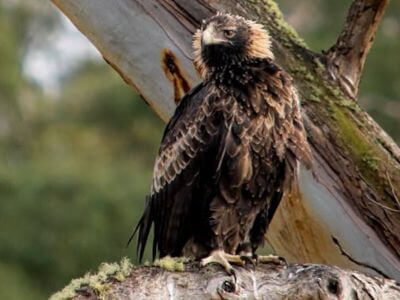
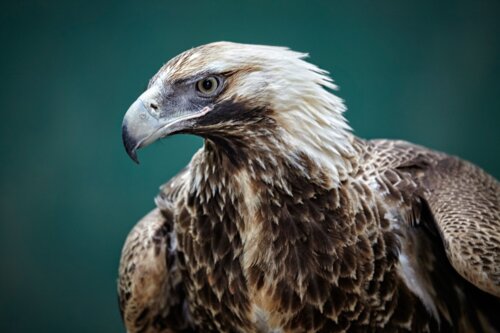
Tasmanian wedge-tailed eagles are Australia’s largest bird of prey.
They soar on wings up to 2.3 metres wide, playing a vital role maintaining the ecological integrity of the Tasmanian Wilderness World Heritage Area.
But logging in Lutruwita's spectacular forests and attempts to establish tourism operations within the World Heritage Area pose a significant risk to this severely endangered bird.
There's currently less than 1,000 estimated to remain in the wild.
These top-order predators were listed as Endangered 25 years ago in 2000.
The Environment Minister decided the species needs a Recovery Plan in 2007 and a plan was made that same year, but it was meant to expire in 2017. The government attempted to expand the expiration to April 2024.
Today – the Federal Court ordered its old recovery plan is still in force.
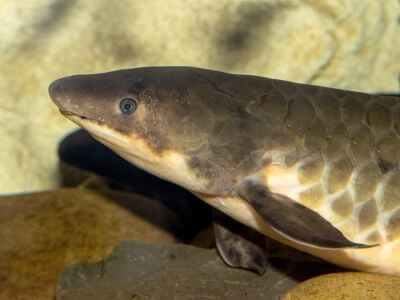
Lungfish are living fossils of immense scientific importance from Queensland’s Mary and Burnett Rivers.
Lungfish have a single lung and the unique ability to breathe air when there’s no water, or through their five pairs of gills.
They grow very slowly and live for decades, with one estimated to have lived to 109 years old.
They have poor eyesight and can use electroreception (ability to sense electric fields) to locate hidden prey like frogs, earthworms, small fish, shrimp and snails.
This ancient species relies on slow-moving waters with abundant aquatic plants.
Protecting river flows and preventing habitat destruction are critical for its survival.
But habitat destruction and drying rivers are leaving lungfish in peril, and they were listed as Vulnerable back in 2003.
The Environment Minister decided Australian lungfish required a Recovery Plan in 2009.
In May 2025, still no recovery plan.
Today – the Court ordered the Environment Minister deliver a recovery plan by July 2026
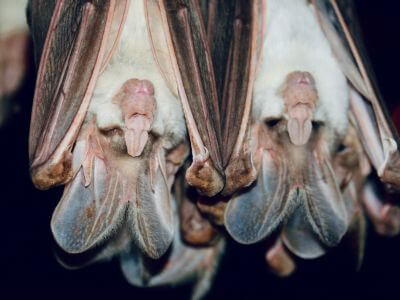
Ghost bats are Australia’s largest microbat and the only carnivorous bats, living in caves and abandoned mines where they devour their prey whole – feathers, bones and teeth.
They once lived in permanent roosts across Australia, but now, there are only a few isolated, scattered colonies left in the Top End.
Helping them means protecting precious bushland and savanna threatened by deforestation in Northern Australia.
Ghost bats were listed as Vulnerable in 2016 and the Environment Minister decided the species requires a Recovery Plan that same year.
In May 2025, still no recovery plan.
Today – the Court ordered the Environment Minister deliver a recovery plan by July 2026
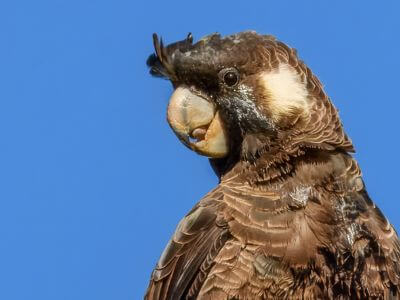
These incredible cockatoos used to live in flocks of thousands but now there are so few, they are listed as endangered.
Carnaby’s black cockatoos live in native woodlands in WA, migrating back and forth from the Swan Coastal Plain where they feed in summer, to the Wheatbelt where they breed in winter.
But much of this bushland, one full of tree hollows, has been cleared for wheat.
They live as monogamous pairs, returning to the same tree hollow each year to breed. But most of the remaining population are beyond breeding age and there may be very few younger birds to take their place.
Their population declined by more than 50% over the 58 years to 1998.
Carnaby’s black cockatoos were listed as endangered way back in 2000.
The Environment Minister decided they needed a Recovery Plan in 2009 – and a plan was eventually made in 2014. But this plan expired in April 2024.
Today – the Federal Court ordered its old recovery plan is still in force.
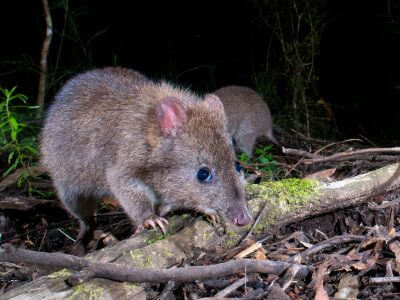
Endemic to the dense forests of Victoria and New South Wales, these shy, truffle-eating marsupial depend on undisturbed undergrowth.
Stopping logging is essential to their survival.
It’s estimated long-footed potoroos lost 80% of their known habitat in the black summer bushfires and today, these rare marsupials are only found in three places in the world.
The Long-footed potoroo’s population declined at least 50% over the 21 years up to 2021.
These shy marsupials were listed as Endangered under the EPBC Act in 2000 (they were already listed under the preceding Act).
They had a recovery plan made in 2001, and the Minister confirmed the species indeed needed a recovery plan in 2007. However when this recovery plan was meant to expire in 2017. The government attempted to expand the expiration to 2022 and then once again to April 2024.
However this recovery plan has not been updated and has now expired
Today – the Federal Court ordered its old recovery plan is still in force.
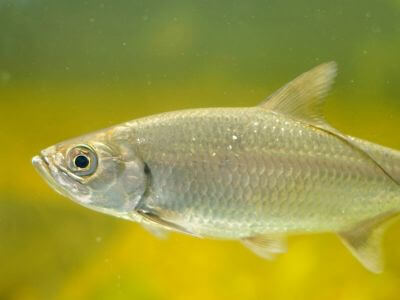
These curious freshwater fish, found in coastal rivers from NSW, SA and Victoria to Tasmania, need free-flowing streams for migration and spawning.
These medium-sized fish are also known as the Cucumber Mullet due to their cucumber smell when freshly caught.
Adult Australian graylings spawn in lower freshwater reaches of water systems. Their larvae then drift downstream to the sea, and juveniles migrate back upstream into freshwater.
Restoring river connectivity and maintaining water quality are vital for their future.
Freshwater graylings were listed as Vulnerable in 2000 (and had also been listed under the previous legislation).
The Environment Minister decided they need a recovery plan in 2009. Their plan was meant to expire in 2018, but the government attempted to expand the expiration to 2022, and once again to 1 April 2024.
Today – the Federal Court ordered its old recovery plan is still in force.
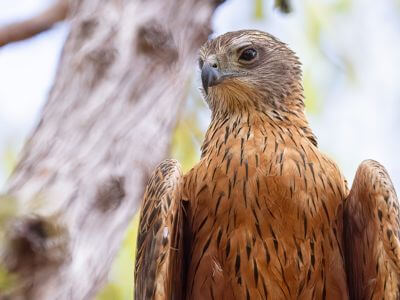
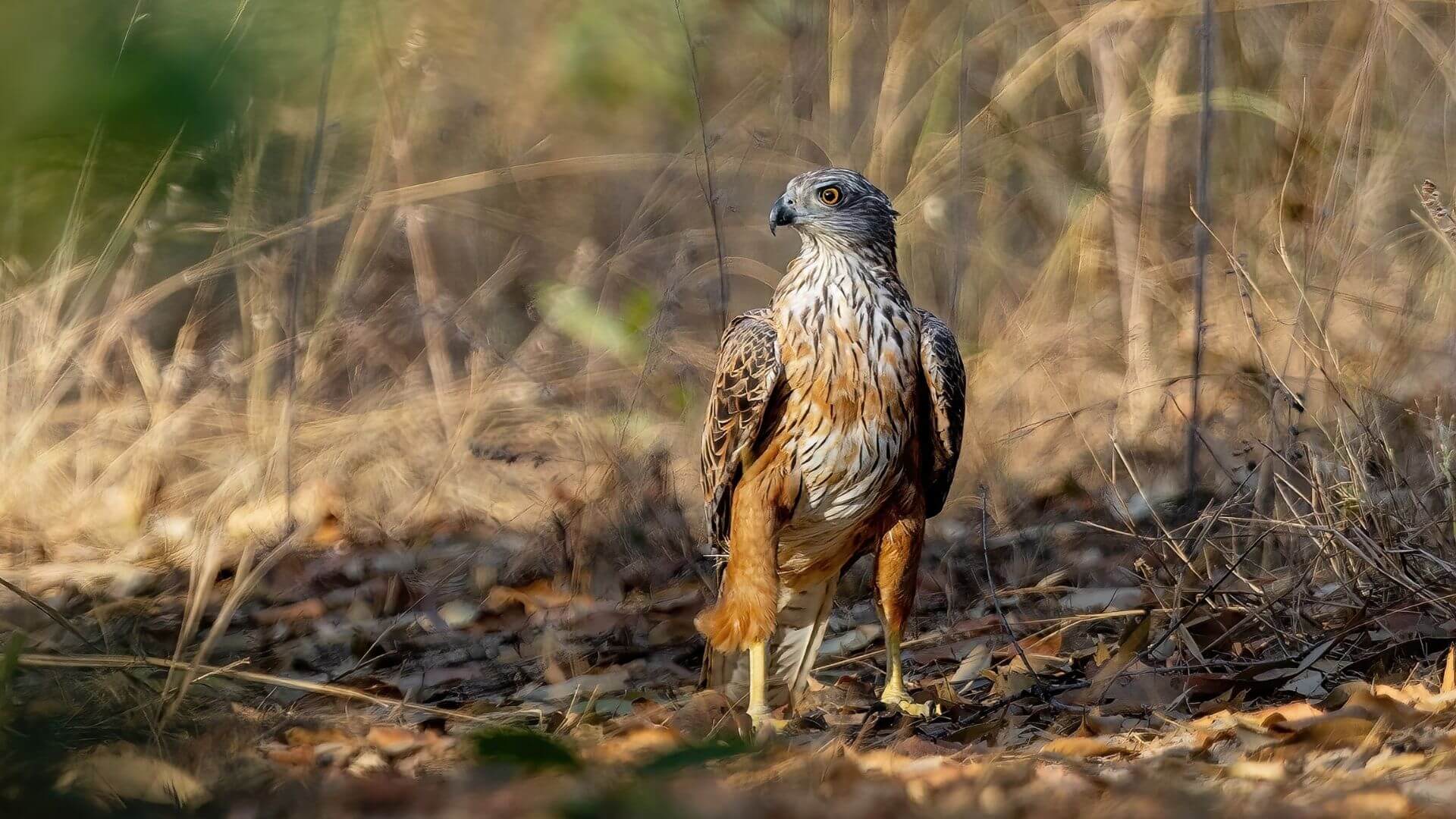
Red goshawks, affectionately called The Red, are believed to be Australia’s rarest bird of prey.
These almighty raptors have huge yellow feet and powerful talons. They are evolutionary oddities, with no near relatives in Australia.
Once widespread across northern Australia, these powerful raptors now rely on intact woodlands and riparian forests to survive.
There are currently estimated to be less than 1,400 mature red goshawks in the wild, and their population is declining.
Red goshawks have been listed as Endangered – and the last remaining mature birds live in a single population, which faces ongoing threats.
Preventing deforestation, much of which is agriculture driven, and safeguarding breeding sites are key to its recovery.
Red goshawks were listed as Vulnerable in 1999 and Endangered in 2023.
The Environment Minister decided they needed a Recovery Plan in 2012, but this plan was meant to expire in 2022. The government attempted to expand the expiration to April 2024.
Today – the Federal Court ordered its old recovery plan is still in force.
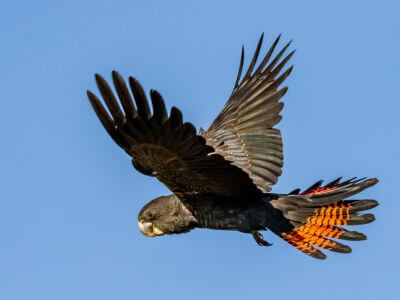
Forest red-tailed black cockatoos are endemic to forests in the south west of WA, from Albany to Perth.
They make a short call that sounds like their Noongar name ‘karak’.
They’re monogamous, live in small family groupings and breed in tree hollows. Females only have one chick at a time, sometimes breeding only once every two to three years.
The population has declined by an estimated 30% since they were listed as in danger of extinction.
They were listed as Vulnerable in 2009. A recovery plan was made in 2011, but it expired in 2021.
Today – the Federal Court ordered its old recovery plan is still in force.
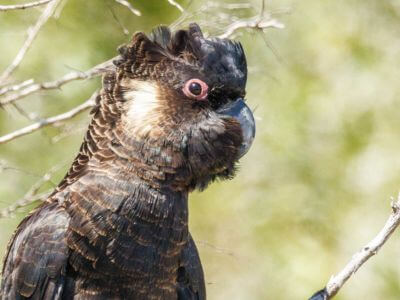
Baudin’s black cockatoos are on the brink of extinction.
Also known as the long-billed black cockatoo, these social birds have white patches on their cheeks and make a loud, whistling ‘weeoo wee-oo’ call.
This species needs mature trees for nesting, but rapid land clearing has left them without breeding hollows or food trees.
The population of Baudin’s cockatoos have plummeted by more than 50 percent over three generations since the 1960s.
They were listed as endangered in 2018. The Environment Minister decided they needed a recovery plan in 2009, and a plan was made in 2011. But this expired in 2021
Today – the Federal Court ordered its old recovery plan is still in force.
We're only here because people like you power EJA’s work.
Taking the government to court, and winning, takes deep expertise, persistence, and resources.
And there are more cases ahead where we’ll need to hold governments to account.