Decision coming: Ruth’s forest case
“This is a moment to stand together for the very things that give us life”
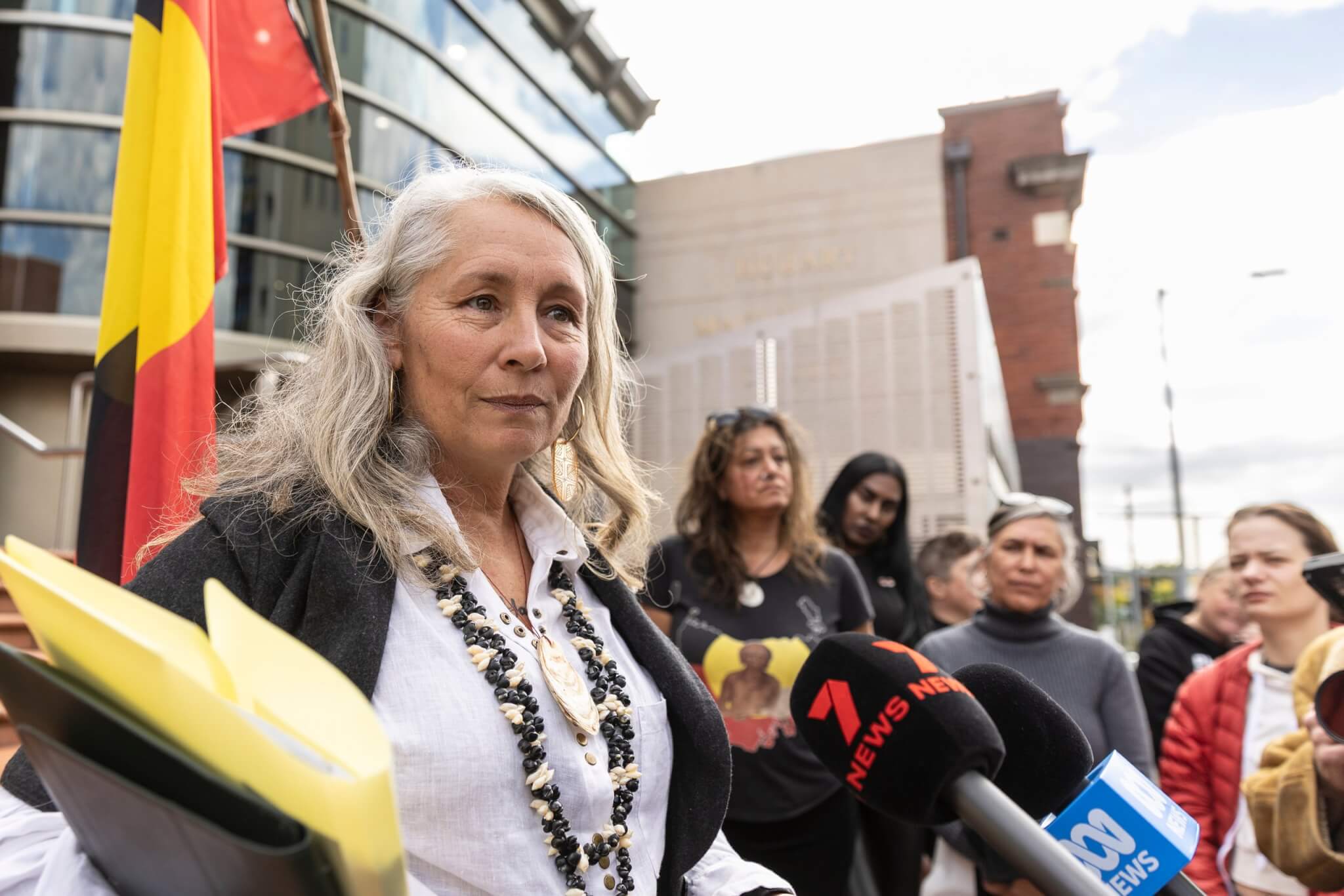
Tomorrow, EJA will be at the Magistrates Court in Tasmania, standing in solidarity with Yorta Yorta / Dja Dja Wurrung woman Ruth Langford as the Court hands down its decision in her case.
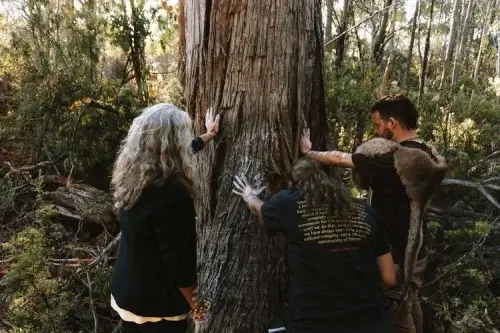
Ruth has been representing herself in proceedings linked to peaceful actions to protect native forests. Ruth says she was acting under First Law by fulfilling cultural obligations, with permission from Senior Palawa Elder Uncle Jim Puralia Meenamatta Everett.
Whatever the outcome, this case has raised profound questions and highlighted just how far the legal system still has to go in recognising First Nations cultural Law and Law in Country.
Help amplify her voice by sharing her story and showing your solidarity online. Together, we can send a powerful message that protecting Country and recognising First Nations cultural Law matters, whatever the Court decides.
For thousands of generations, First Nations people have cared for Country through systems of Law, knowledge and responsibility grounded in the land, waters and living things that sustain us.
Yet these systems of Law remain largely unrecognised within Australia's legal institutions.
As Ruth explains:
“I am asking the Court to recognise that First Nations people have our own law, grounded in Country. Our cultural obligations guide how we live, how we connect to the land, water and skies, and how we care for it.”
Earlier this year, Ruth invited the Magistrates Court to hear evidence On Country at Piyura Kitina / Risdon Cove, where Aboriginal witnesses could speak about their responsibilities to Country in a culturally safe setting and the Court could receive that evidence in context.
The Court declined that invitation.
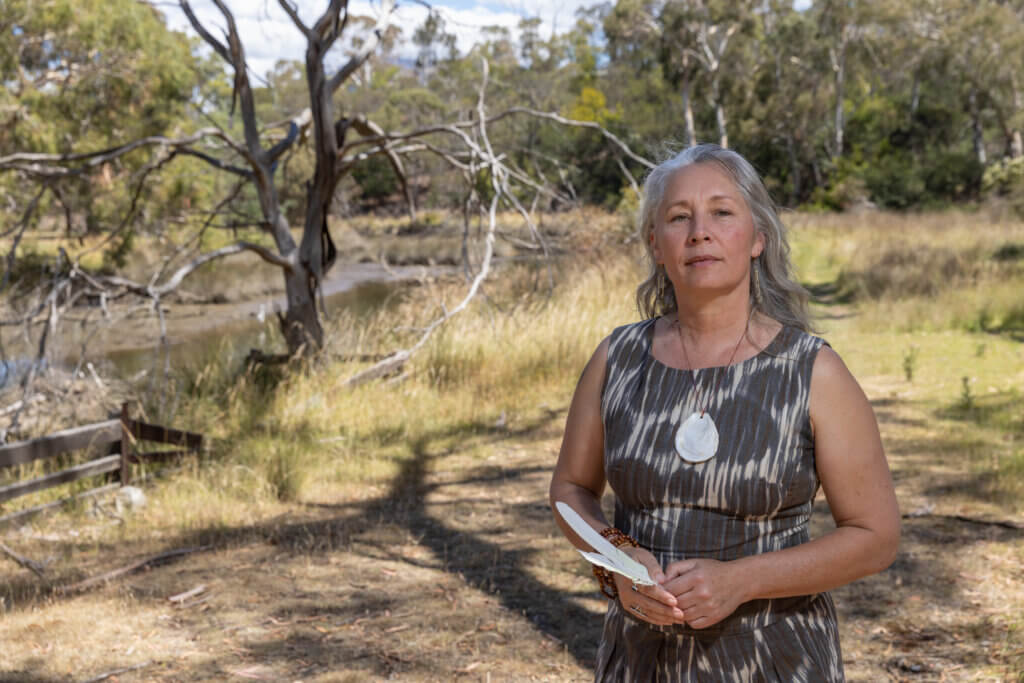
“My invitation was about creating that pathway - not just for me, but for my community and for future generations, who will increasingly feel responsible to speak about caring for Country in this critical time of climate change and threats to our natural and cultural heritage."
Read more about On Country hearings...
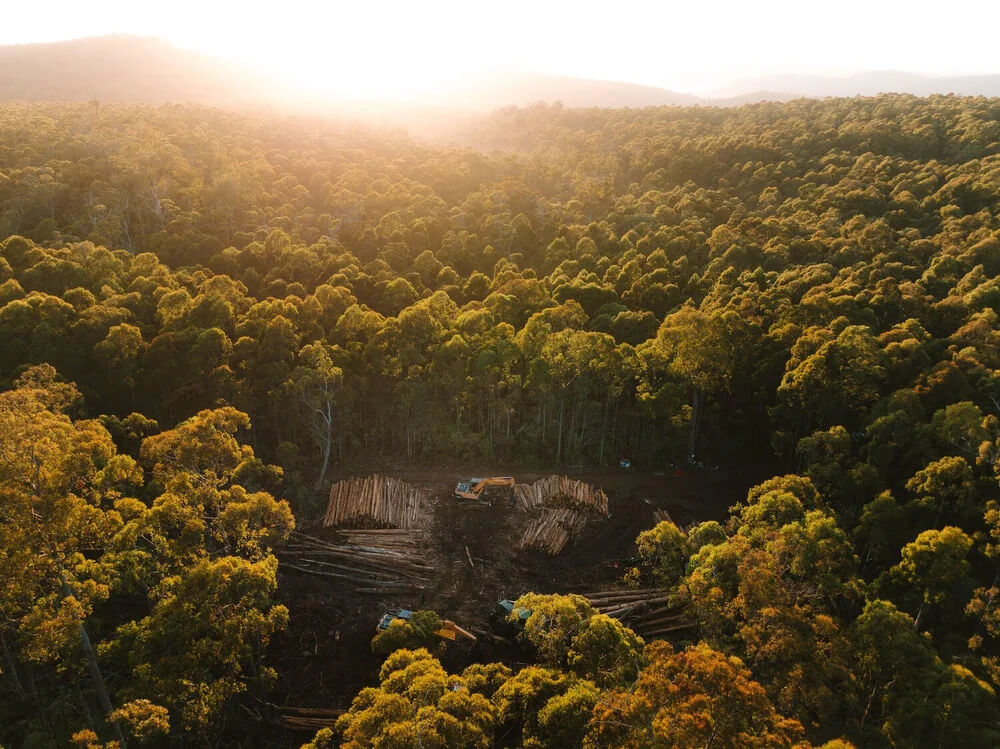
At the heart of Ruth's case is the question: what happens when cultural obligations to protect Country come into conflict with government-approved environmental destruction?
While Ruth has faced court proceedings arising from actions to protect native forests, the destruction of mature trees, precious waterways, biodiversity and irreplaceable cultural landscapes continues.
As Ruth has said:
“The first responsibility of Law in Country is to protect the natural systems that give life to all.”
Whatever the Court decides, this case has highlighted how far our legal systems still have to go in recognising First Nations cultural Law and Law in Country
Whatever the Court decides, this case has highlighted how far our legal systems still have to go in recognising First Nations cultural Law and Law in Country
But it has also shown the extraordinary power of women, Aboriginal communities and conservationists coming together to care for Country.
Mothers protecting mothers. Mothers protecting mother trees.
Tomorrow, we'll stand alongside Ruth. And we're inviting you to stand with her too.