Can environmental justice be about more than punishment?
Restorative Justice offers a different way to think about what justice can look like after environmental harm.
It asks not only who should be held accountable, but what it might take to repair the harm done.
When environmental laws are broken, courts have an important role in holding offenders to account. Criminal prosecutions and penalties help uphold the law, deter future wrongdoing, and reinforce that damage to nature has real consequences.
But when harm extends beyond damaged ecosystems to Country. culture, and community, some are asking whether justice can do more than punish. Could it also help acknowledge harm, repair relationships, and support restoration?
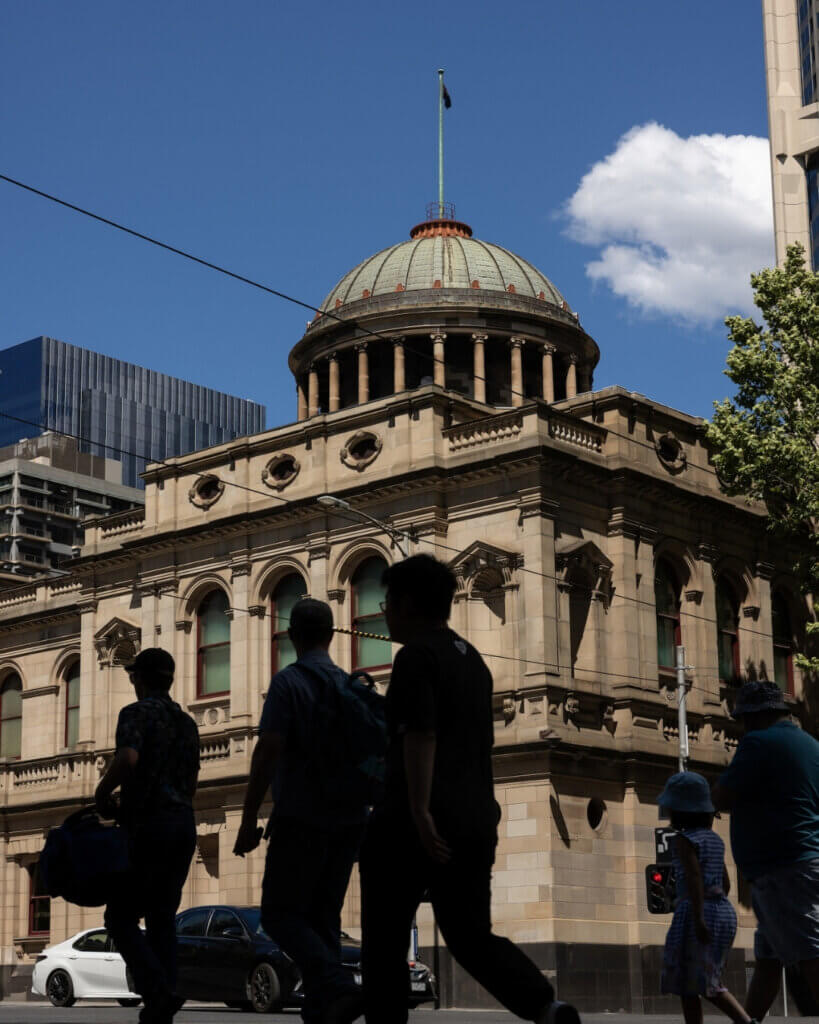
These questions have come into sharp focus following a landmark NSW case involving the unlawful logging of giant trees in Wild Cattle Creek State Forest (Environment Protection Authority v Forestry Corporation of NSW (No 3) [2026] NSWLEC 25).
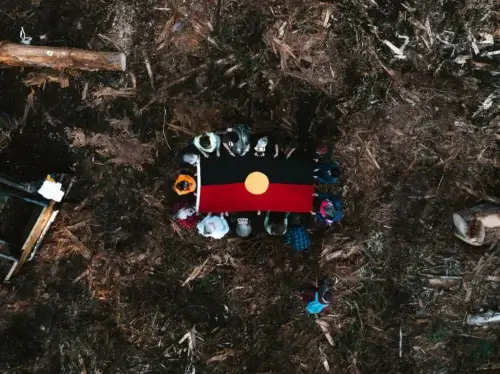
Alongside criminal penalties, the case incorporated a restorative justice process that brought together the offender and Gumbaynggirr representatives to consider how the harm might begin to be repaired.
The case has prompted important conversations about accountability, environmental justice, and the role communities can play in responding to environmental harm.
Ahead of our webinar, Beyond Fines: Rethinking justice for crimes against nature, we've delved into some common questions about restorative justice, why it matters, and what it could mean for the future of environmental law.
What is restorative justice?
Restorative justice is an approach to justice that focuses on repairing harm rather than simply punishing wrongdoing. It brings together those affected by an offence to acknowledge to what happened, understand its impacts and explore meaningful ways to make amends.
While restorative justice is often associated with criminal law, its principles can apply more broadly. Instead of asking only "What law was broken and what penalty should apply?" restorative justice also asks "Who has been harmed? What do they need? And how can the harm begin to be repaired?".
When environmental laws are broken, the impacts can extend well beyond damaged ecosystems. They can affect Traditional Owners' connection to Country, communities' sense of place, local wildlife and future generations. Restorative justice offers one way of recognising these wider impacts and giving affected communities a more meaningful role in the justice process.
It doesn't erase the harm or replace accountability. Rather, it seeks to ensure accountability includes listening to those affected and considering how repair might begin alongside legal consequences.
Aren't environmental fines enough?
Fines play an important role in environmental law. They punish unlawful conduct, deter future breaches, and reinforce that environmental laws must be taken seriously. Yet, fines alone don't always address the full impact of environmental harm.
When a forest is unlawfully logged, a threatened species habitat is destroyed or a culturally significant place is damaged, the consequences can't simply be measured in dollars. The harm may continue long after the court case has ended, affecting ecosystems, communities and cultural connections that have developed over tens of thousands of years.
In most cases, court-imposed fines are paid to the government. While this remains an important part of the justice system, the communities most directly affected by environmental harm may have little opportunity to participate in the process or shape what happens next.
Restorative justice doesn't suggest fines are unnecessary. Instead, it asks whether justice can do more than punish wrongdoing. Can it also acknowledge harm more fully, involve affected communities, and contribute to repairing what has been damaged?
What happened in the Wild Cattle Creek case?
The Wild Cattle Creek case was brought after the Forestry Corporation of NSW unlawfully felled six giant trees and three hollow-bearing trees during logging operations in 2020 in Wild Cattle Creek State Forest, within the footprint of what is now the Great Koala National Park.
The NSW Environment Protection Authority prosecuted the Forestry Corporation in the NSW and Environment Court for offences under the Forestry Act 2012 (NSW). The Forestry Corporation pleaded guilty and was convicted.
What made this case different was what happened during the sentencing process.
The Bellingen Environment Centre was granted leave to appear as amicus curiae - or "friend of the court" - to help the Court understand the broader environmental, cultural and community impacts of the offences. The Court also approved a restorative justice conference involving representatives of Forestry Corporation, Gumbaynggirr Elders and the Yurruungga Aboriginal Corporation.
The process informed a sentencing outcome that directed a $450,000 penalty towards projects identified by the affected Aboriginal community. The case has attracted national attention because it demonstrates how restorative justice principles can be incorporated within environmental sentencing.
Why has this case attracted so much attention?
Environmental prosecutions are not new. Neither are criminal convictions for breaches of environmental law.
What has drawn attention to the Wild Cattle Creek case is the way the Court incorporated restorative justice into the sentencing process, recognising that environmental harm can also be cultural, social, and deeply personal.
The case created space for Gumbaynggirr voices to be heard within the justice process and considered how accountability might extend beyond punishment alone. Rather than focusing solely on the offence itself, the process also explored the impacts of the unlawful logging and how repair could begin.
Many legal experts see the case as an important development in Australian environmental law because it raises new questions about what justice should look like when harm is caused to Country and community.
Whether similar approaches become more common remains to be seen. Every case depends on its facts, the legislation involved, and the willingness of those participating. But the case has opened an important conversation about the future of environmental justice in Australia.

How does First Nations leadership matter in this?
For many First Nations peoples, caring for Country has always been about relationships - between people, place, culture and future generations. Harm to Country is not only environmental; it can also be cultural, spiritual, and intergenerational.
In the Wild Cattle Creek case, Gumbaynggirr Elders and the Yurruungga Aboriginal Corporation played a central role in the restorative justice process. Their participation helped ensure the impacts on Country and community were recognised alongside the legal offences before the Court.
The resulting penalty will support projects identified by the affected Aboriginal community, including remediation of Wild Cattle Creek, cultural mapping, and establishing the Gumbaynggirr Guardians ranger program. These outcomes recognise that those closest to the harm should have a meaningful voice in how repair begins.
While restorative justice has developed within contemporary legal systems, many of its underlying principles: listening, accountability, repairing relationships and caring for Country, resonate with ways First Nations peoples have practiced justice and stewardship for millennia.
Is this the future of environmental justice?
It's too early to know.
The Wild Cattle Creek case doesn't create a new legal rule requiring restorative justice in future environmental prosecutions. But it does demonstrate one-way existing legal processes can respond differently to environmental harm.
The case raises important questions for lawyers, policymakers, communities, and courts. Are there some environmental offences where restorative justice could lead to more meaningful outcomes? What role could affected communities and Traditional Owners play? How should courts recognise cultural and ecological harm that can't easily be measured or replaced?
These questions are becoming increasingly relevant as Australia grapples with biodiversity loss, climate change, and growing recognition of First Nations knowledge and leadership in caring for Country.
The Wild Cattle Creek case doesn't provide all the answers. But it does invite an important conversation, and one that is likely to shape how we think about accountability for environmental harm into the future.

Join the conversation
If you're interested in the future of environmental justice, join us for Beyond Fines: rethinking justice for crimes against nature.
We'll hear reflections from Gumbaynggirr Elder Aunty Alison Buchanan and Dean Kelly, CEO of the Yurruungga Aboriginal Corporation, who participated in the restorative justice process.
We'll be joined by Professor Miranda Forsyth from the Australian National University, one of Australia's leading researchers on environmental restorative justice; Dr John Corkill OAM, who represented the Bellingen Environment Centre as amicus curiae in the case; and Kip Frawley, Special Counsel at Environmental Justice Australia.
This webinar is hosted by Tracey Ferrier from the Nature Media Centre, and Rev Dr Jason John, Forest Chaplain will also join the audience discussion to explore what this landmark case could mean for you, your community, and the future of environmental law.
Whether you're an environmentalist, policymaker or simply curious about new approaches to environmental justice, we'd love you to be there – RSVP here.