COP31
Communities are demanding action
As Australia helps lead international climate negotiations at COP31, Environmental Justice Australia clients and First Nations advocates Rikki Dank and Zhanāe Dodd joined Pacific leaders and legal experts to explore how communities are using the law to hold governments accountable for climate harm and continued fossil fuel expansion.
Pacific nations and young people helped secure a landmark climate advisory opinion from the International Court of Justice (ICJ) in July 2025, clarifying governments' legal obligations to address climate change.
Now, communities are using international law, human rights mechanisms and domestic legal challenges to seek accountability for climate harm and continued fossil fuel expansion.
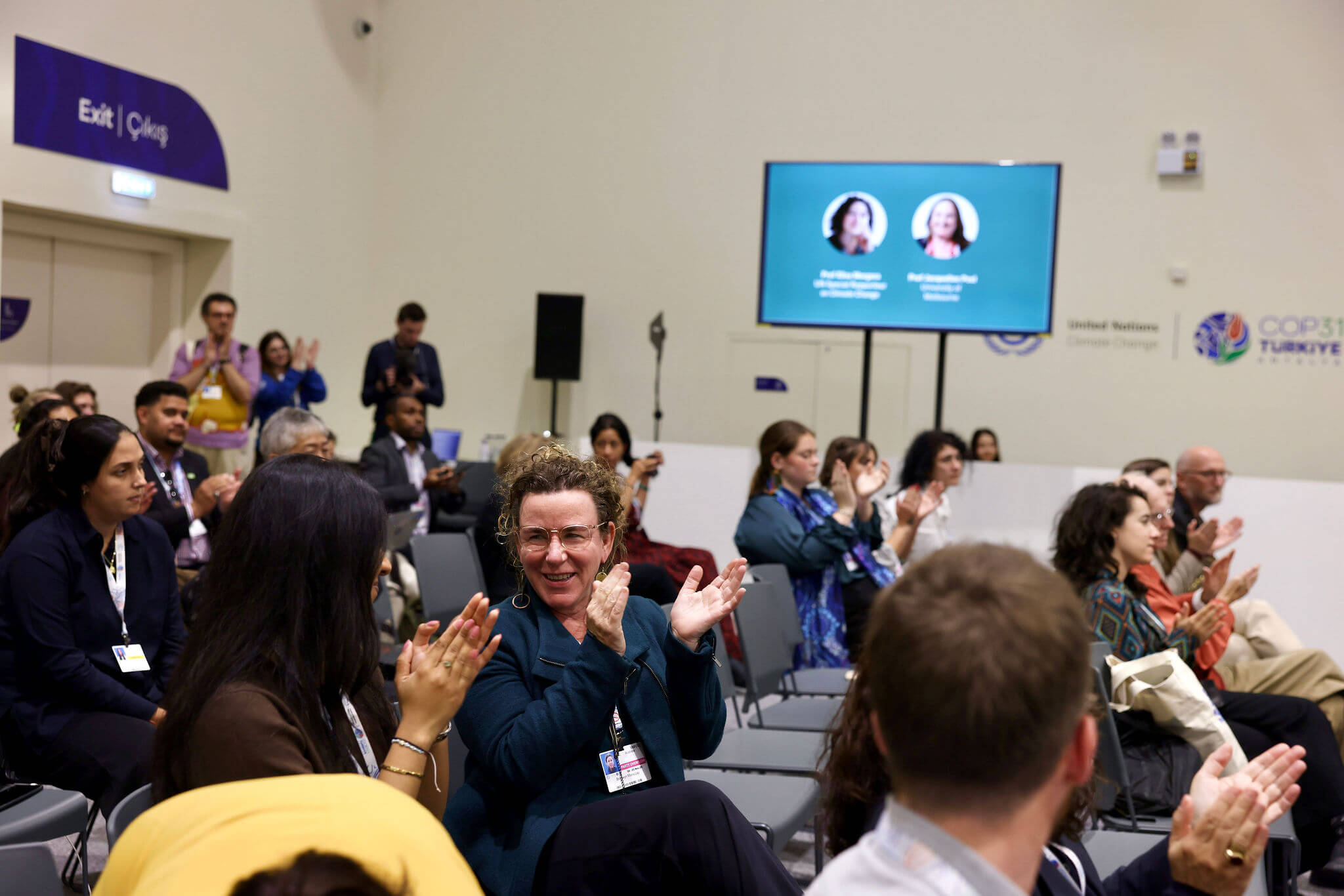
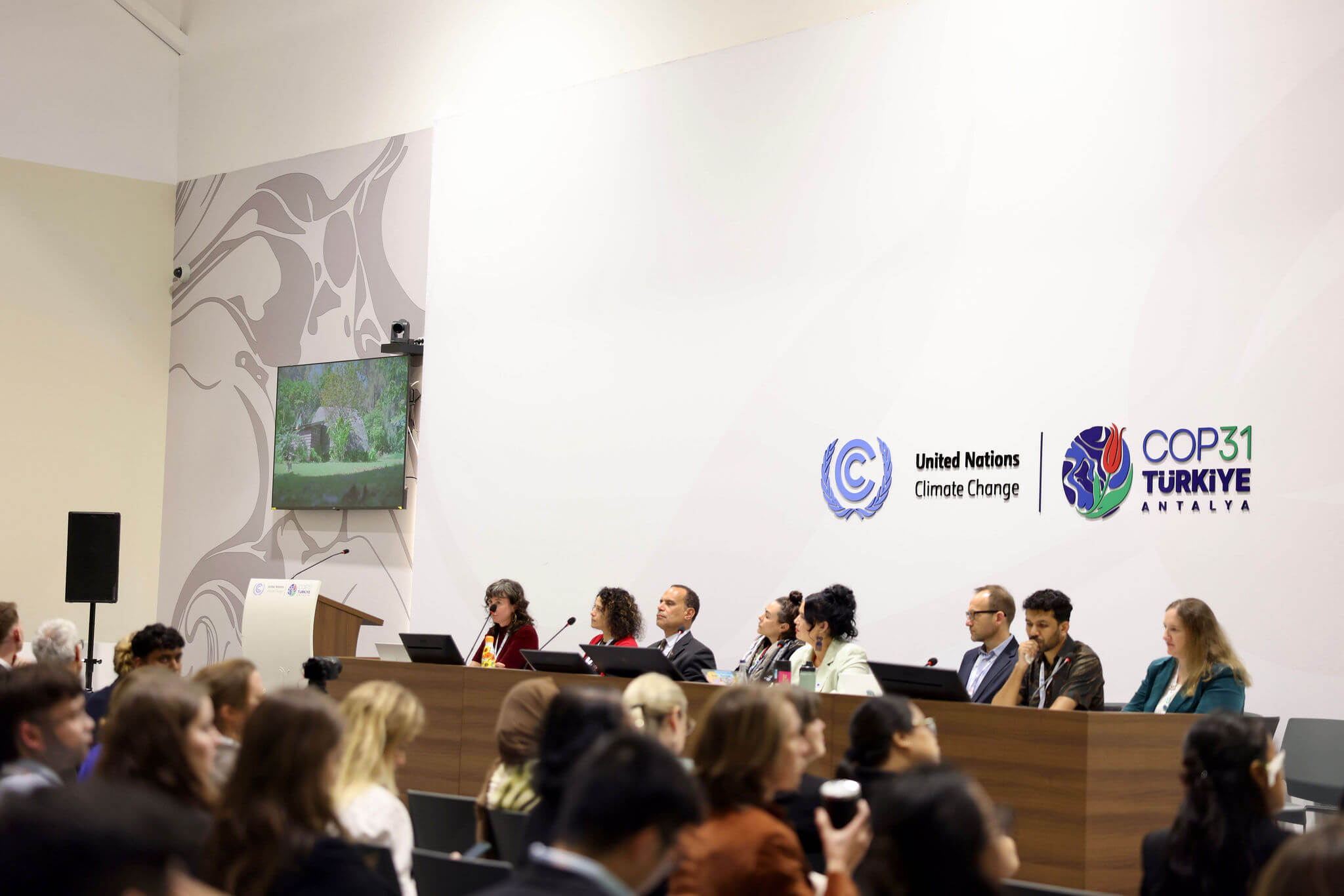
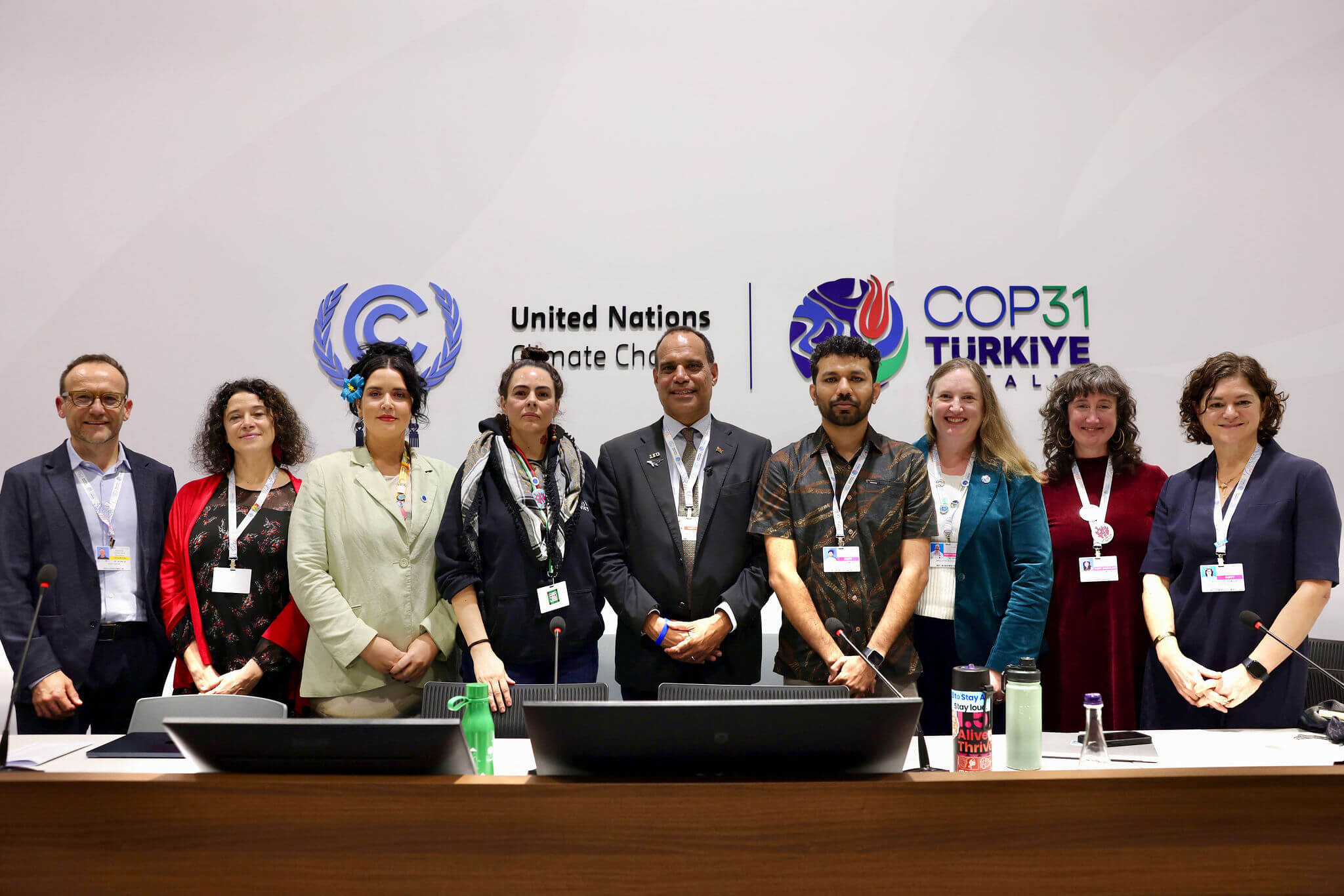
On 16 November, Environmental Justice Australia hosted a special COP31 documentary premiere and panel discussion - Advancing the ICJ Advisory Opinion on Climate Change: Frontline communities holding governments accountable - in Antalya, Türkiye, alongside ODI Global, Earthjustice and the Australian Conservation Foundation.
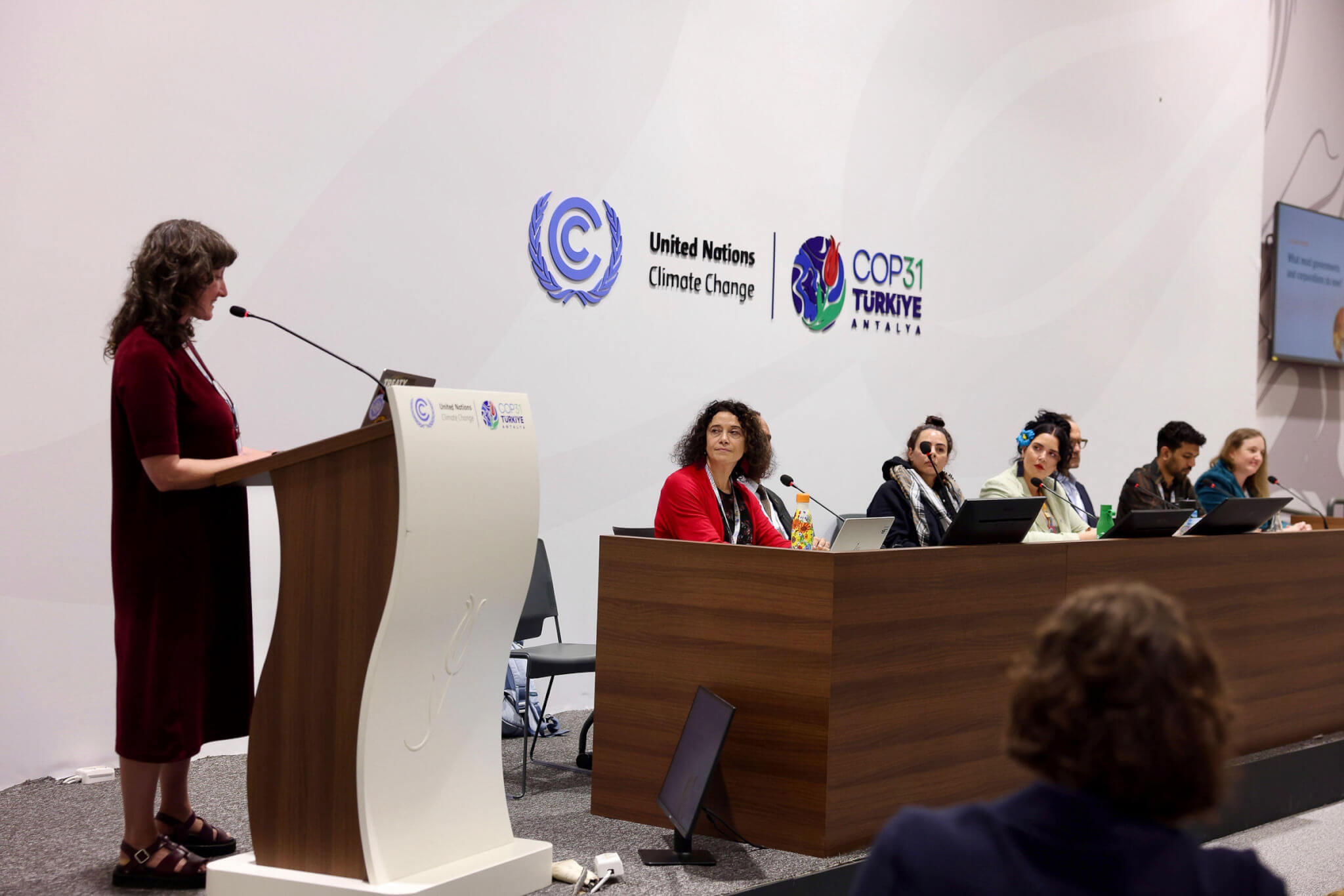
Moderated by EJA's Head of Engagement, Dr Tessa Fluence, the event brought together Pacific leaders, First Nations and frontline communities, and international legal experts to explore how this growing legal momentum is translating into action.
From the Pacific to the world's highest court
The event opened with a documentary about Vanuatu's leadership in advancing international climate justice: Climate Blueprint: Vanuatu.
The discussion then heard from Siosiua Veikune of Pacific Island Students Fighting Climate Change and H.E. Minister Ralph Regenvanu of Vanuatu, who reflected on the Pacific-led effort to secure the advisory opinion and efforts to have it recognised in COP31 negotiations.
Professor Elisa Morgera, UN Special Rapporteur on climate change, explored governments' international human rights obligations and the implications for continued fossil fuel expansion.
Communities putting the law to work
The discussion then turned to Australia, where communities are using international human rights mechanisms and domestic legal challenges to seek accountability for climate harm.
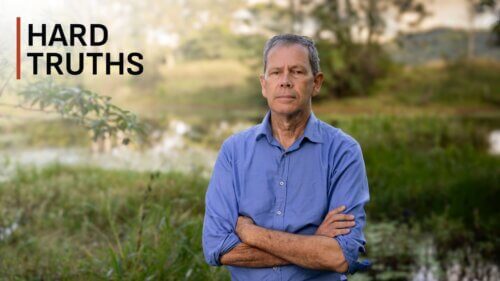
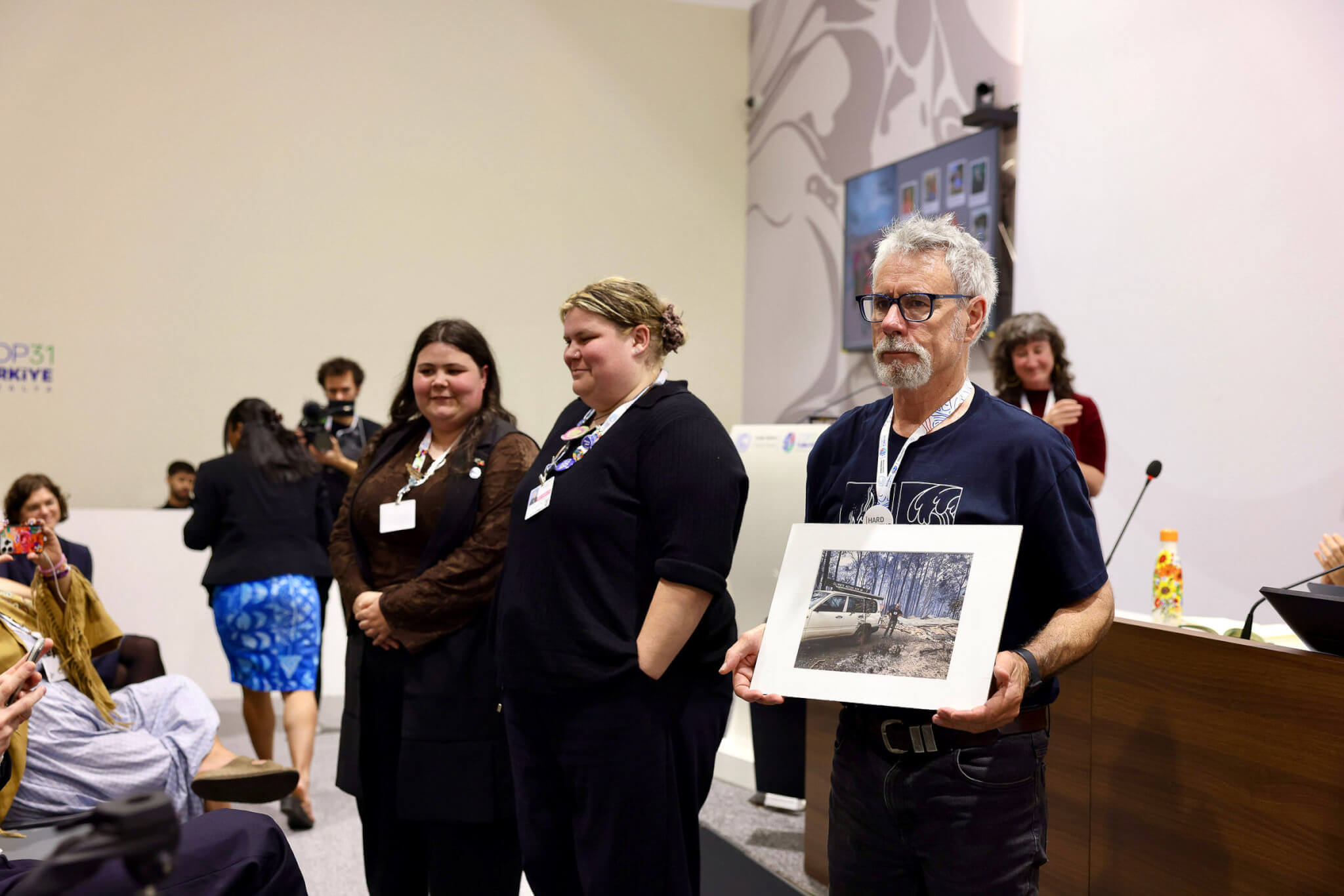
Gudanji and Wakaya Traditional Owner Rikki Dank, an EJA client and one of 10 Australians behind the Hard Truths case, shared how extreme heat and changing seasons are making life on Country in the Northern Territory increasingly difficult and dangerous.
"We cannot take our Elders out to practice our cultural obligations to country. We cannot travel our Songlines and fulfill those obligations to country or to community, because it's becoming too dangerous for our families to do that."
Rikki Dank, Gudanji and Wakaya Traditional Owner, Hard Truths claimant
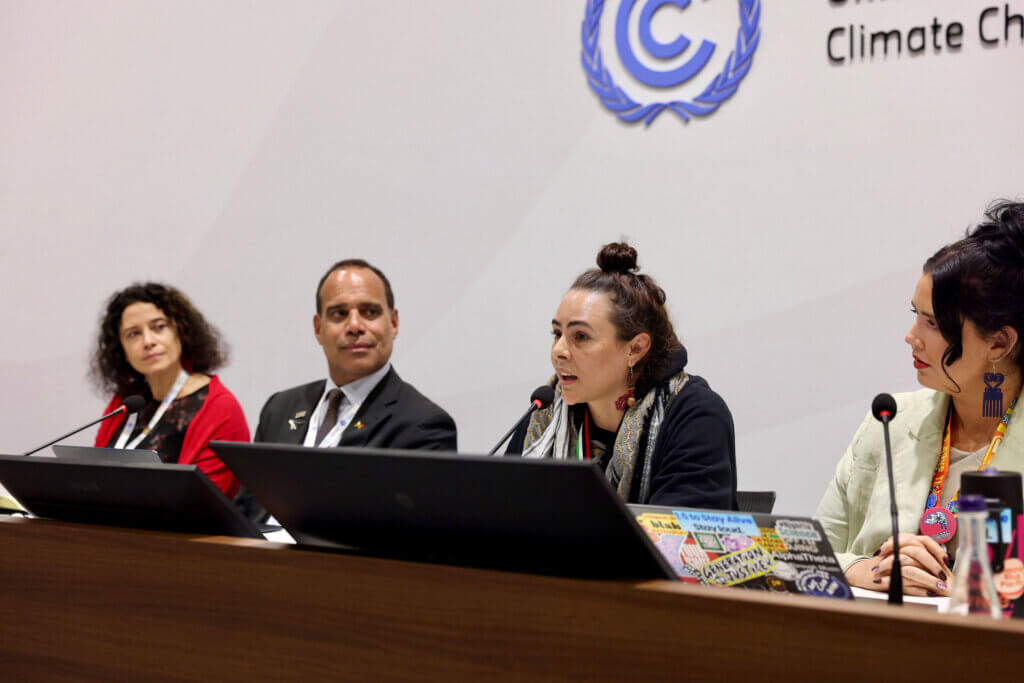
Rikki also spoke about the threat of fracking to groundwater on Country and why she joined the Hard Truths case.
The 10 Australians behind the case have brought a human rights complaint before the UN Human Rights Committee challenging Australia's continued approval of coal and gas for export and the climate harm associated with those exports. They are represented by EJA the Human Rights Law Centre and Earthjustice.
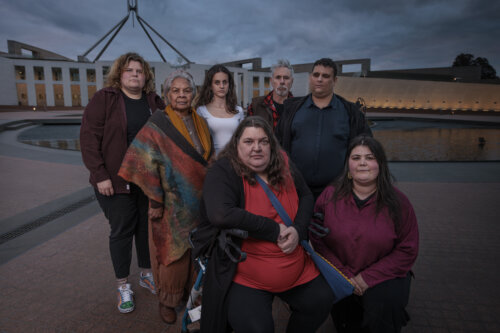
Zhanāe Dodd, a Ghungalu, Wadja, Kaanju, Birri, Wiri and Wungun woman from Central Queensland, spoke about why she joined Generation Justice, a complaint brought by nine young Australians to a UN Special Rapporteur, represented by EJA.
Zhanāe described threats from coal mining on her ancestral Country and the need for First Nations people to have genuine power over decisions affecting their lands and futures.
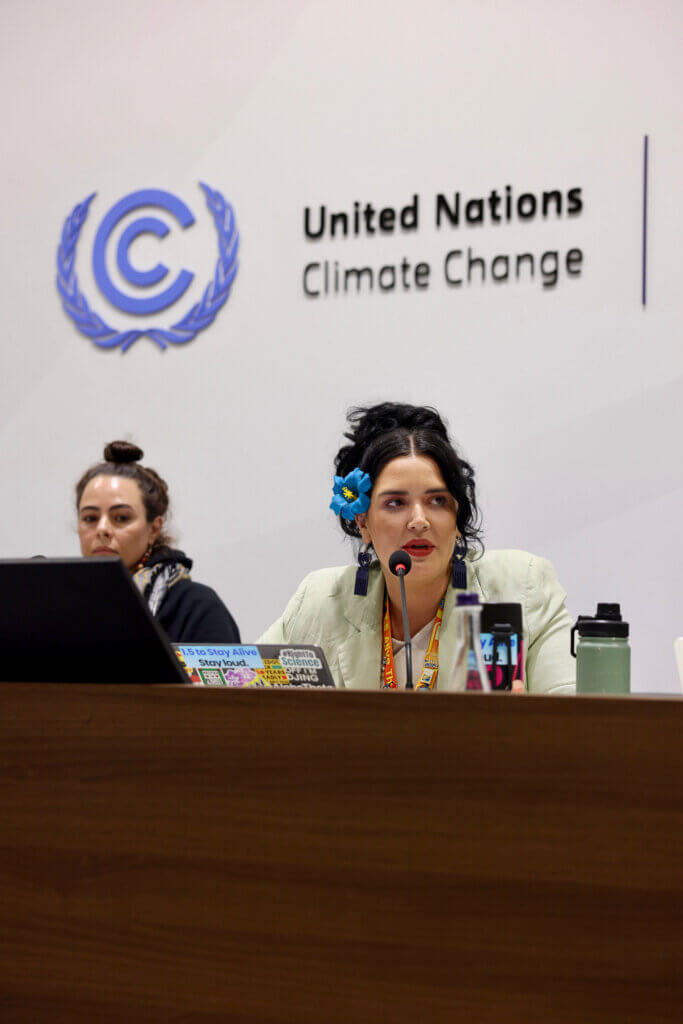
"This is why I joined the Generation Justice complaint, because all the legal avenues that I have attempted to access to Protect Country have failed. All of the round tables I've sat at have been lip service, and for me, having a seat at the table is not enough."
Zhanāe Dodd, Ghungalu, Wadja, Kaanju, Birri, Wiri and Wungun woman, Generation Justice claimant
The Generation Justice complaint recently prompted a joint communication from two UN Special Rapporteurs - Elisa Morgera, UN Special Rapporteur on climate change, and Astrid Puentes Riaño, UN Special Rapporteur on the human right to a clean, healthy and sustainable environment - raising concerns with the Australian Government about its climate laws, fossil fuel policies and human rights protections.
Australian Conservation Foundation CEO Dr Adam Bandt also spoke about legal challenges to major Australian gas projects, including the North West Shelf extension and proposed Browse gas project, brought by ACF and represented by EJA.

From legal obligations to action
Can Australia continue treating the climate pollution from its exported coal and gas as someone else's problem?
Professor Jacqueline Peel, a leading climate law expert from the University of Melbourne, explained how the ICJ advisory opinion is changing the legal landscape, particularly for major fossil fuel-producing and exporting countries like Australia.
"...essentially, the ICJ says that that's the completely wrong way of looking at the problem. What we need to do is look at the climate system and the impact on the climate system, and that's the same wherever those emissions are taking place. If you are contributing to activities that lead to emissions of greenhouse gases, then you are engaging in activities that could amount to an internationally wrongful act for which you could be held accountable."
The Hard Truths case, Generation Justice complaint and Australian legal challenges discussed at COP31 are examples of communities putting the law to work to seek accountability for climate harm and continued fossil fuel expansion.
“So as we leave tonight, I hope we carry not just a greater understanding of the law, but a sense of what's possible when people come together and change it and use it. And also a healthy dose of rage. The next chapter is still being written, and all of us, of course, have a part to play and we're all busy playing it."
Dr Tessa Fluence, EJA
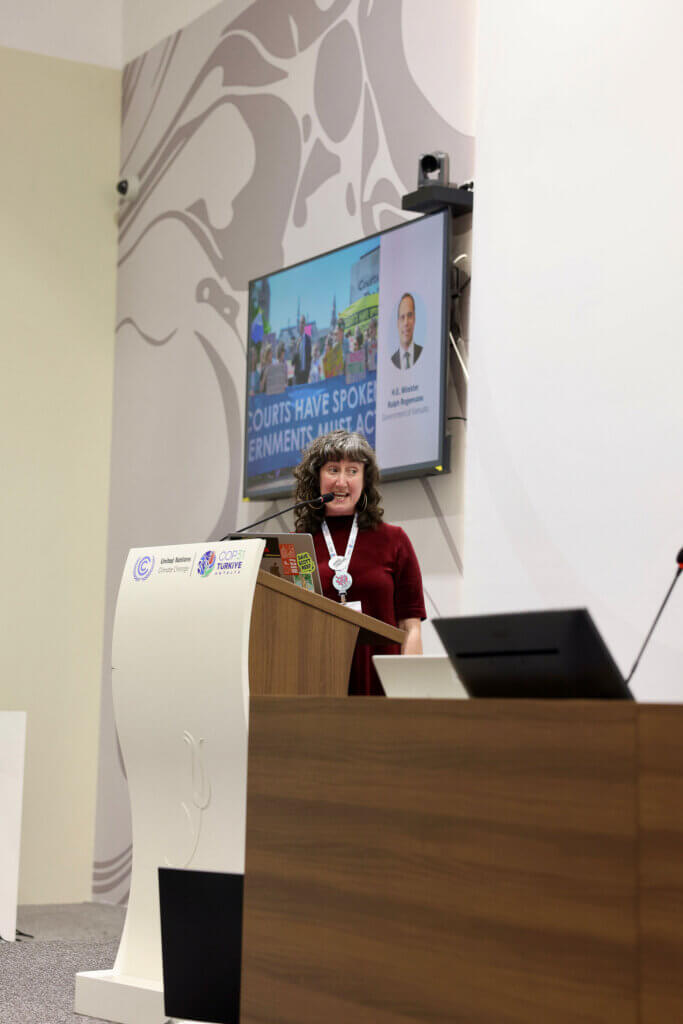
Watch the full COP31 panel discussion