
WEBINAR
Beyond fines: rethinking justice for crimes against nature
Exploring what a landmark NSW case means for Country, community, and accountability.
When
Wednesday, 26 August
5pm - 6pm, AEST
Where
Online via Zoom – RSVP to receive the link.
WHAT
When environmental laws are broken, courts can impose penalties. But when harm extends beyond damaged ecosystems to Country, culture and community, is punishment alone enough?
A landmark NSW case involving the unlawful logging of giant trees in Wild Cattle Creek State Forest has sparked a new conversation about restorative justice – an approach that asks not only how environmental harm should be punished, but how it might begin to be repaired.
In a first for the NSW Land and Environment Court, the sentencing process included a restorative justice conference and resulted in a $450,000 penalty being directed to Gumbaynggirr-led restorative justice projects.
Join EJA and the Nature Media Centre as we explore what this landmark case means for environmental justice in Australia. Hear from Gumbaynggirr leaders who participated in the restorative justice process, alongside legal practitioners and researchers, as they discuss what this case could mean for the future of accountability for crimes against nature.
Register here
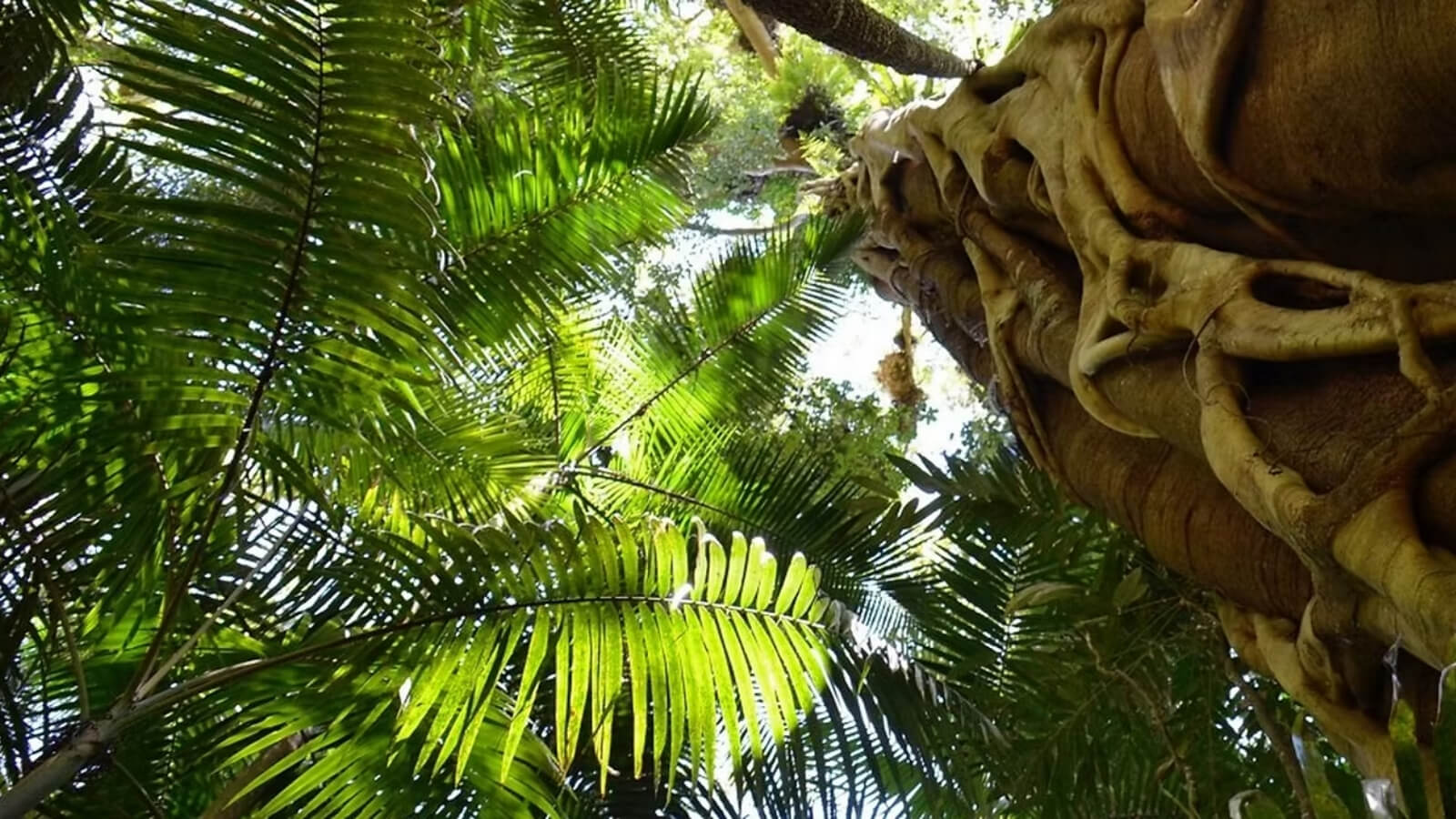
WHAT IS Restorative justice?
Understand the key concepts, and the landmark Wild Cattle Creek case ahead of the webinar
We'LL EXPLORE:
- What restorative justice is and how it differs from traditional approaches to environmental crime.
- How the Wild Cattle Creek case incorporated restorative justice into environmental sentencing.
- How community groups helped shape this landmark case through the rare role of amicus curiae, ensuring community perspectives were heard.
- The role of First Nations leadership in responding to harm to Country.
- What this case could mean for the future of environmental justice in Australia.
- Your questions, answered during a live audience Q&A.
FEATURING:
- Aunty Alison Buchanan, Gumbaynggirr Elder
- Dean Kelly, CEO, Yurruungga Aboriginal Corporation
- Tracey Ferrier, Nature Media Centre, host
- Professor Miranda Forsyth, Australian National University, environmental restorative justice researcher
- Dr John Corkill OAM, legal academic and Bellingen Environment Centre
- Kip Frawley, Special Counsel, Environmental Justice Australia
- Rev Dr Jason John, Forest Chaplain and Bellingen local
This is a free event and open to the public. Please feel free to share it with your networks.
Read more
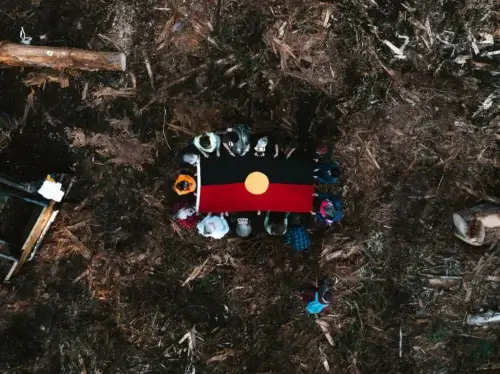

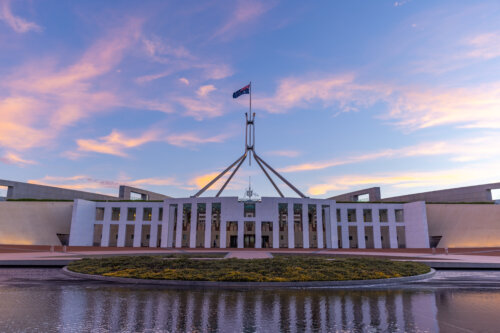
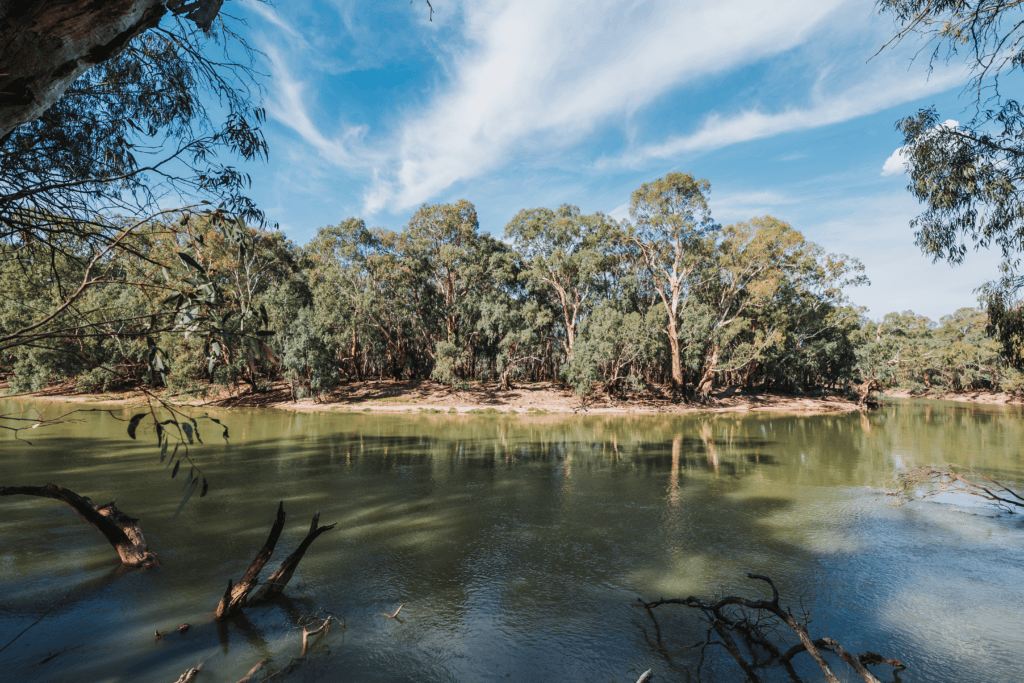
Make a difference
The challenges we face are vast. The time to push for large-scale system change is now.
Our financials
We have a long-standing commitment to sound fiscal management, accountability and transparency.
We encourage you to investigate before you donate.
Join us
The law is a powerful tool to disrupt the status quo and make governments and corporations accountable.
Join us and let's build a radically better world.