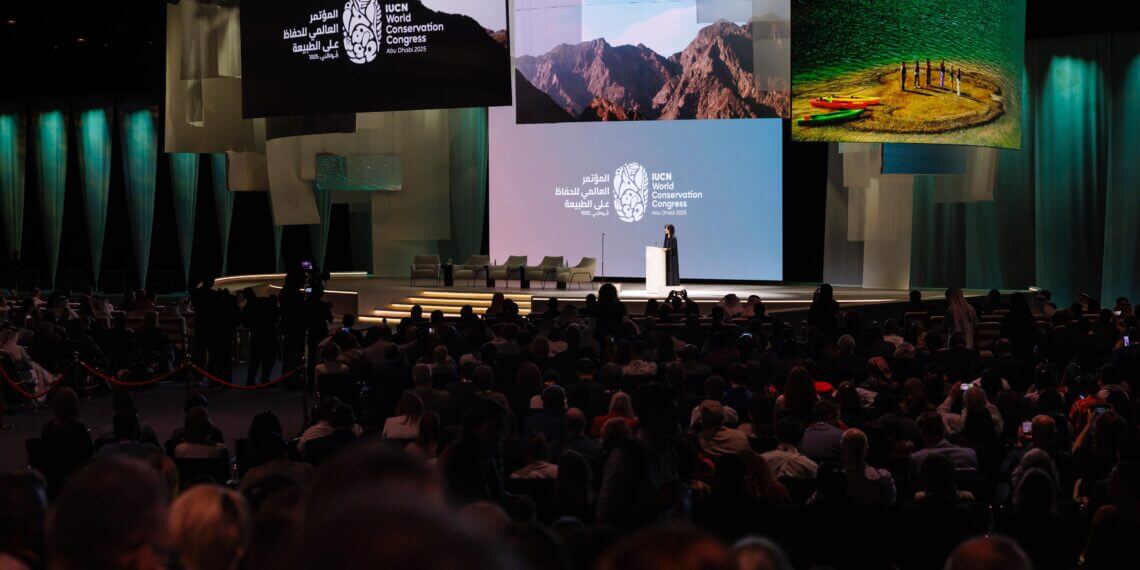
Nicola's lessons from:
The largest nature conference
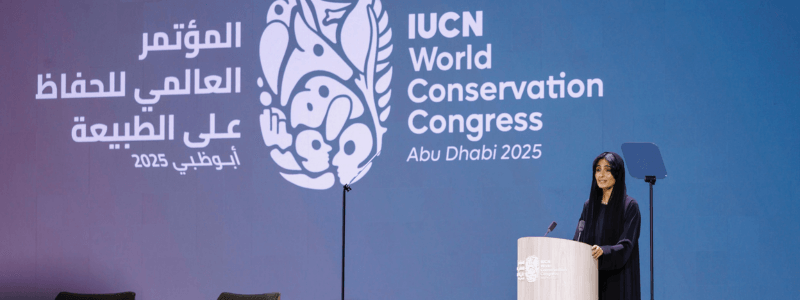
Attending the IUCN Congress reminded EJA’s co-CEO Nicola Rivers just how interconnected our struggles, and our solutions, really are.
This month, I joined thousands of conservation and climate leaders in Abu Dhabi for a week of deep discussion on how we protect the living world.
As a legal organisation, Environmental Justice Australia is part of a growing movement demanding that rights, justice and community power are central to how we care for nature – here in Australia and around the world.
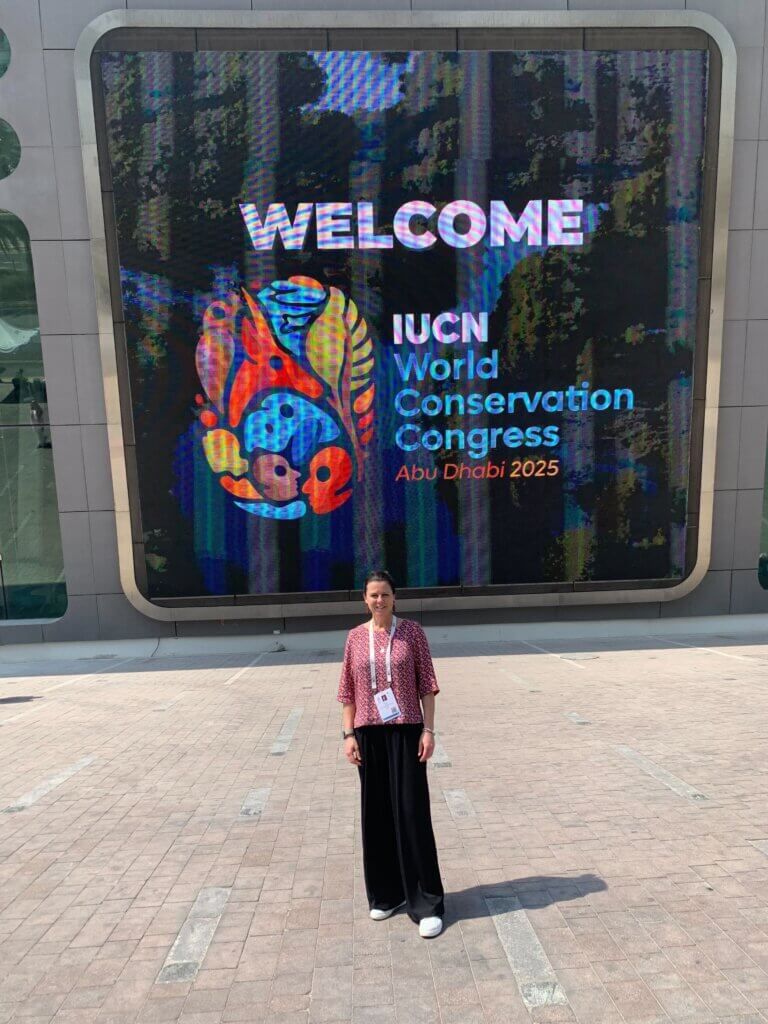
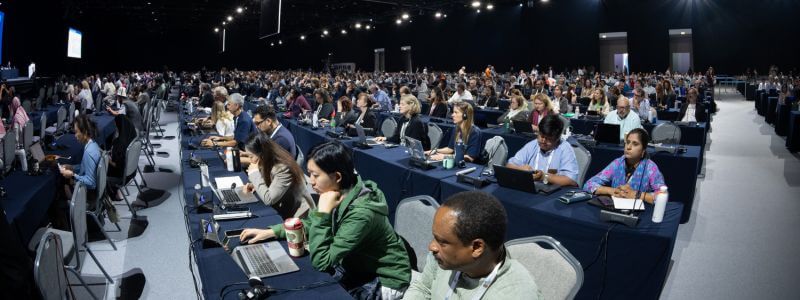
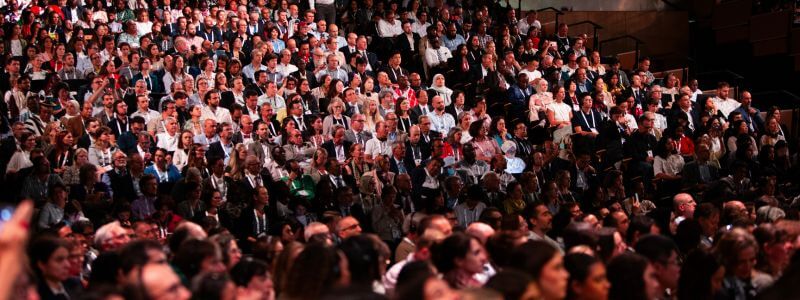
More than 10,000 people from across the globe came together to debate, collaborate and set the conservation agenda for the next four years. Walking into the Congress was extraordinary – a sea of colour, culture and connection, with delegates from over 160 countries representing every corner of the planet. Scientists, lawyers, First Nations leaders, youth activists, judges, community advocates and government representatives filled the halls.
It truly felt like a global movement in motion.
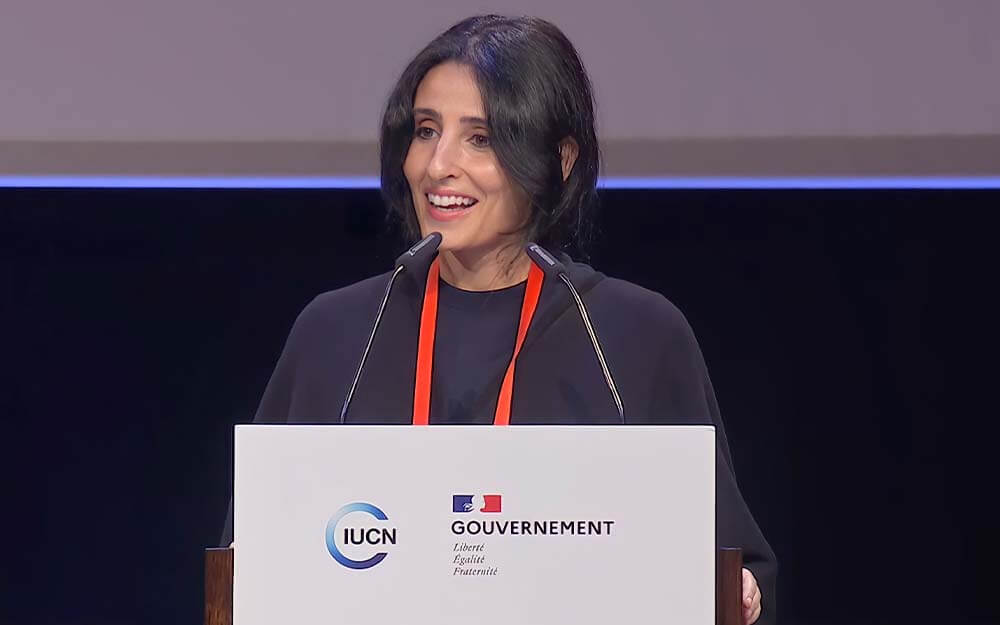
“As Jane Goodall said - let us choose hope courage and clarity. At IUCN we do not give up. We trust science and traditional wisdom. We are an unstoppable force for change.”
— Razan Al Mubarak, IUCN President
As a member of the IUCN, EJA joined other Australian and international organisations in bringing a legal and rights-based perspective to the global conservation conversation. For me, it was a chance to connect our work at home to global movements, and to see how international law and advocacy can shape the environmental standards that guide us in Australia.
Here are some of the things that surprised me, moved me, or strengthened my resolve:
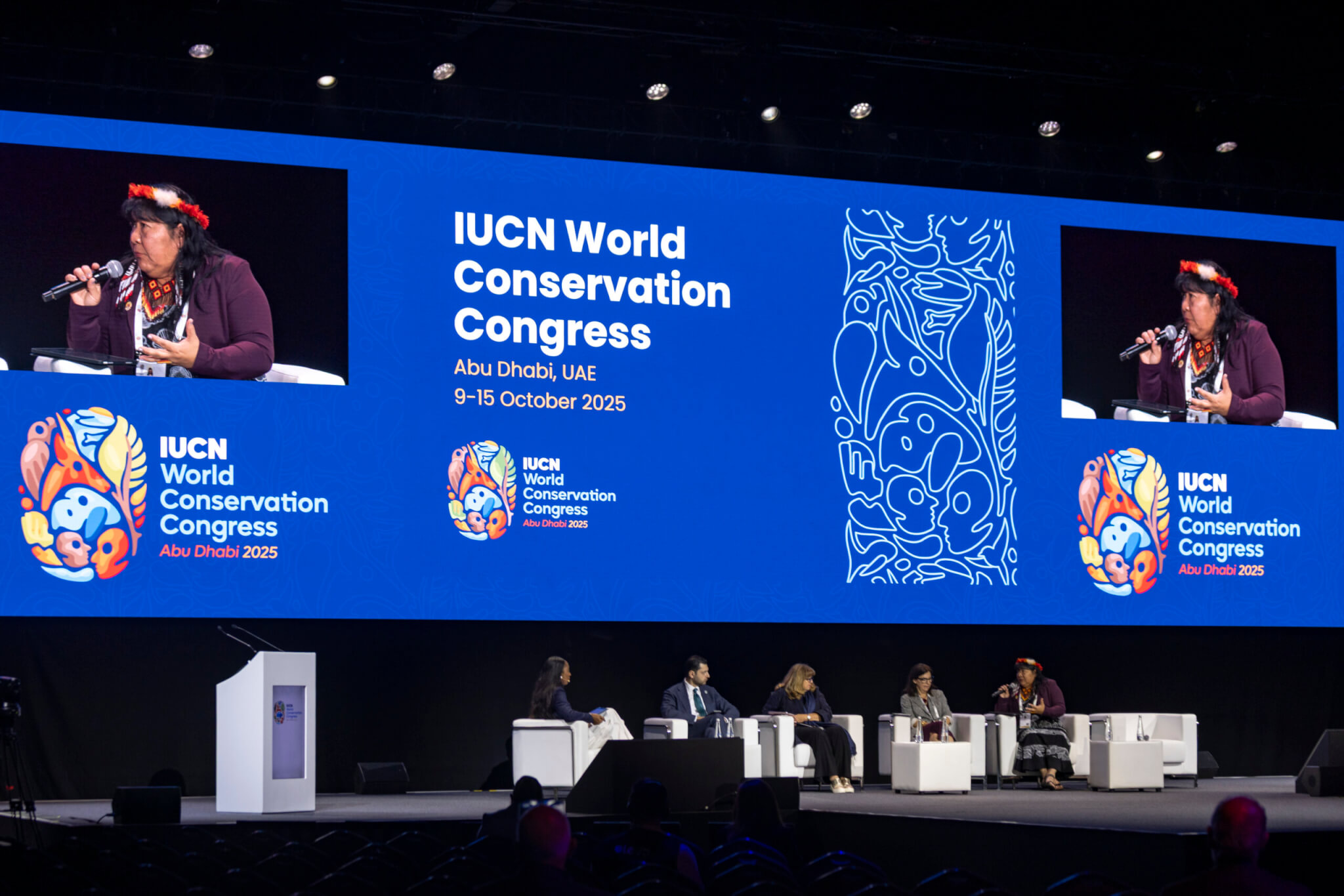
A global forum for environmental law and justice
IUCN is a vast and complex organisation: 1,400 members strong, across 160 countries, and supported by seven expert commissions, including the World Commission on Environmental Law (WCEL). Every four years, the Congress brings these networks together for a week of presentations, regional meetings, negotiations and voting on motions that shape IUCN’s global work program, and deeply influence international efforts around the world.
Each day was filled with a dizzying array of forums, exhibits and collaborations. I was constantly thinking about how the resolutions and debates unfolding there could translate into action through EJA’s legal and advocacy work back home.
This year, justice was front and centre. From Indigenous leadership and human rights to climate accountability and the right to a healthy environment, the Congress made clear that protecting nature is inseparable from protecting people. As the IUCN President put it, “The wellbeing of people and the wellbeing of nature are inseparable – and yet we continue to act as if they are.”

Indigenous leadership at the heart
One of the most inspiring aspects was the first-ever Indigenous Peoples’ Pavilion and Summit at the Congress. Indigenous delegates from around the world gathered to share wisdom, culture and knowledge – and to remind the global conservation community that Indigenous people are the original custodians of land and water everywhere.
A highlight was the Walk with Nature – a joyful procession of Indigenous representatives in traditional attire, walking together with pride to honour their shared resilience and diversity. It was a powerful celebration of identity and leadership, and a vivid reminder that justice and conservation must go hand in hand.
Nearly every motion debated at the Congress recognised Indigenous rights and knowledge as central to global conservation efforts – a shift that mirrors EJA’s commitment to First Nations justice and leadership here in Australia.

Law as a lever for accountability
As a member of the World Commission on Environmental Law, I was particularly drawn to the sessions exploring how international courts are advancing environmental accountability.
There was immense excitement about the recent International Court of Justice (ICJ) Advisory Opinion on climate change and human rights, along with related opinions from the International Tribunal on the Law of the Sea and the Inter-American Court of Human Rights. Hearing directly from the women who led WCEL’s submissions to these courts was a highlight.
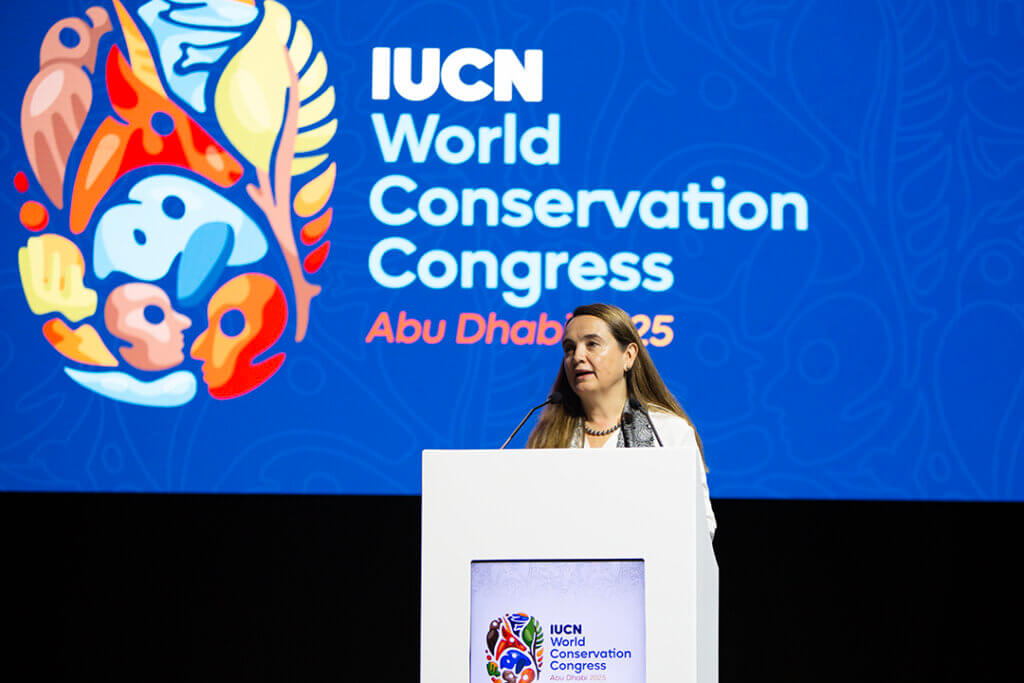
“The ICJ opinion has shifted the climate accountability landscape.”
— Dr Grethel Aguilar, Director General, IUCN
The Advisory Opinion clarifies states’ legal obligations to protect people and ecosystems from climate harm. These developments are already changing the interpretation of international law, influencing COP negotiations, shaping domestic action and litigation (including in Australia), and strengthening the global movement for climate justice.
Another fascinating session explored how the judiciary itself is evolving to meet the demands of the climate era. Chief Justice Antonio Benjamin of Brazil spoke powerfully about the need for courts worldwide to better grapple with ecological and climate issues. Benjamin noted that 165 countries now recognise a right to a clean and healthy environment through their constitutions or laws.
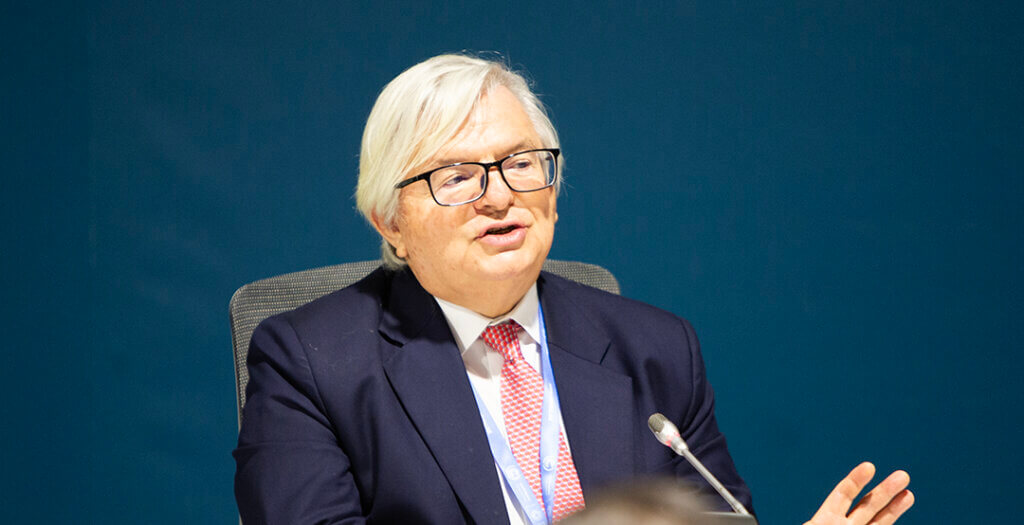
“There are 195 countries in the world. Every country will get their chance to find in favour of the right to a life-sustaining climate.”
— Chief Justice Antonio Benjamin of Brazil
Resolutions that matter for EJA’s work
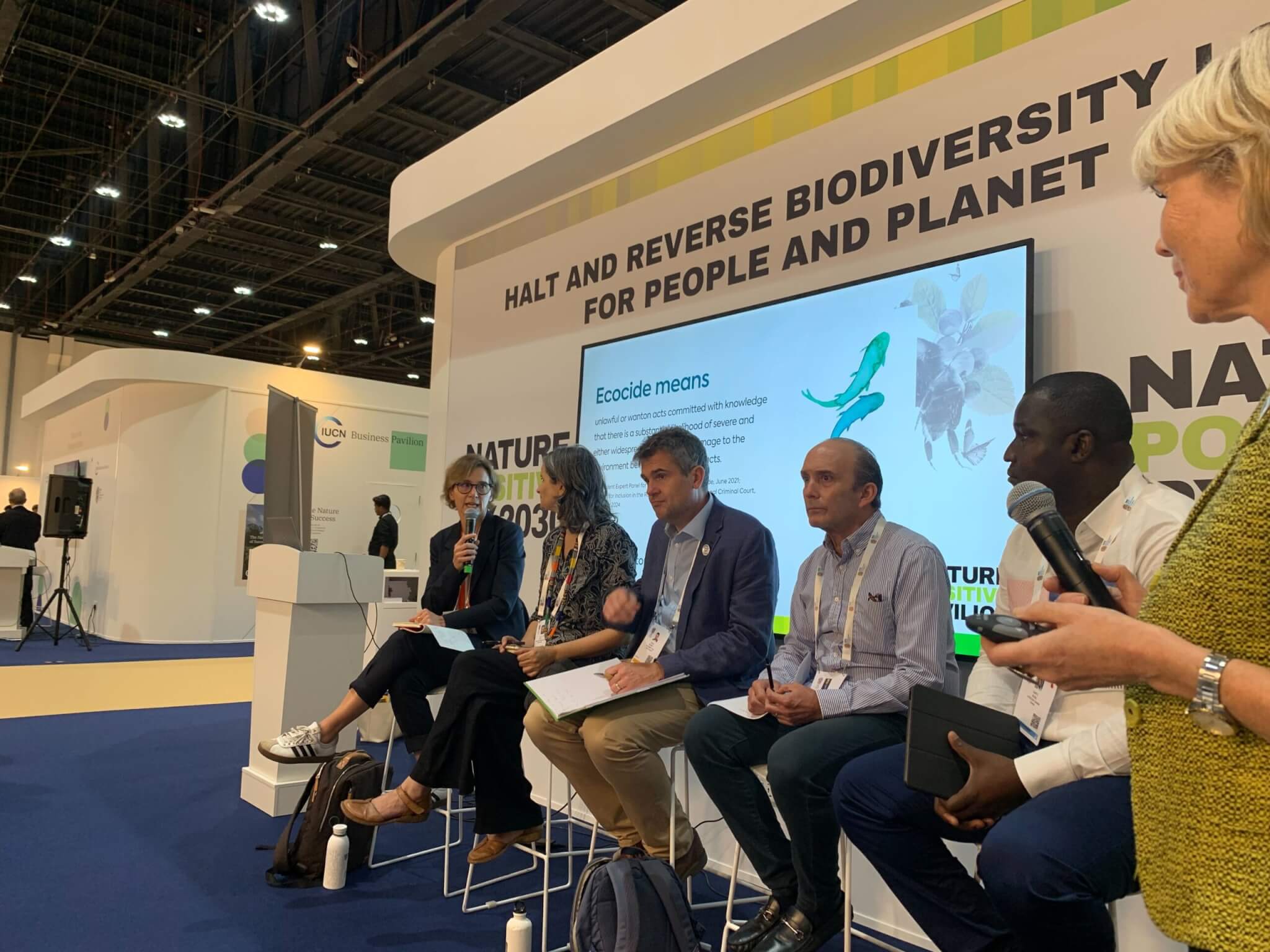
Of the 48 motions debated at the Congress, all but two passed – including landmark resolutions on recognising ecocide as an international crime, implementing the ICJ Advisory Opinion, and advancing a global Fossil Fuel Non-Proliferation Treaty.
I was particularly involved in the motions on ecocide and climate accountability, joining the negotiating groups that worked on their final language. It was a fascinating process and very different to COP negotiations – a room where governments, NGOs and Indigenous groups sit side-by-side as equal members, each arguing for stronger protections for people and planet. I supported the proponents’ push for robust, rights-based text and joined others in resisting efforts by some governments to water down commitments.
That unique process of collective negotiation – where civil society stands shoulder to shoulder with states – was a powerful reminder of what genuine environmental democracy can look like. .
A call for unity and urgency
Throughout the Congress, leaders urged countries to strengthen rather than move away from multilateralism, and create greater collaboration and integration between global climate and biodiversity frameworks. As the Deputy Executive Director of the United Nations Environment Programme, Dr Musonda Mumba reminded us, “We cannot dislodge from multilateralism. Nature knows no borders.”
The message was clear: the world is halfway to the 2030 Sustainable Development Goals, but far from achieving them. We must accelerate, integrate and rebuild trust across governments, regions and movements if we’re to meet the moment.
Bringing these lessons home
Being part of this global community reminded me that Australia’s environmental challenges are inseparable from the world’s. The ideas and standards debated in Abu Dhabi will influence how we think about biodiversity protection, Indigenous rights and climate accountability in the years ahead.
For EJA, it reinforced the importance of bringing community voices and legal expertise together to push for stronger, fairer laws – and to hold governments and corporations accountable to both people and planet.
I left the Congress feeling energised and hopeful. I was grateful to stand alongside so many others fighting for justice and a liveable planet.
The path to a fairer, greener world depends on all of us walking it together
As part of the IUCN network, EJA will keep working to strengthen environmental laws, amplify community voices, and push for accountability, both in Australia and globally.
Read more



Make a difference
Help power more game-changing court cases and urgent legal actions for the people and places you love.
Our financials
We have a long-standing commitment to sound fiscal management, accountability and transparency.
We encourage you to investigate before you donate.
Join us
The law is a powerful tool to disrupt the status quo and make governments and corporations accountable.
Join us and let's build a radically better world.