EVENT
Heard of the IUCN World Conservation Congress?
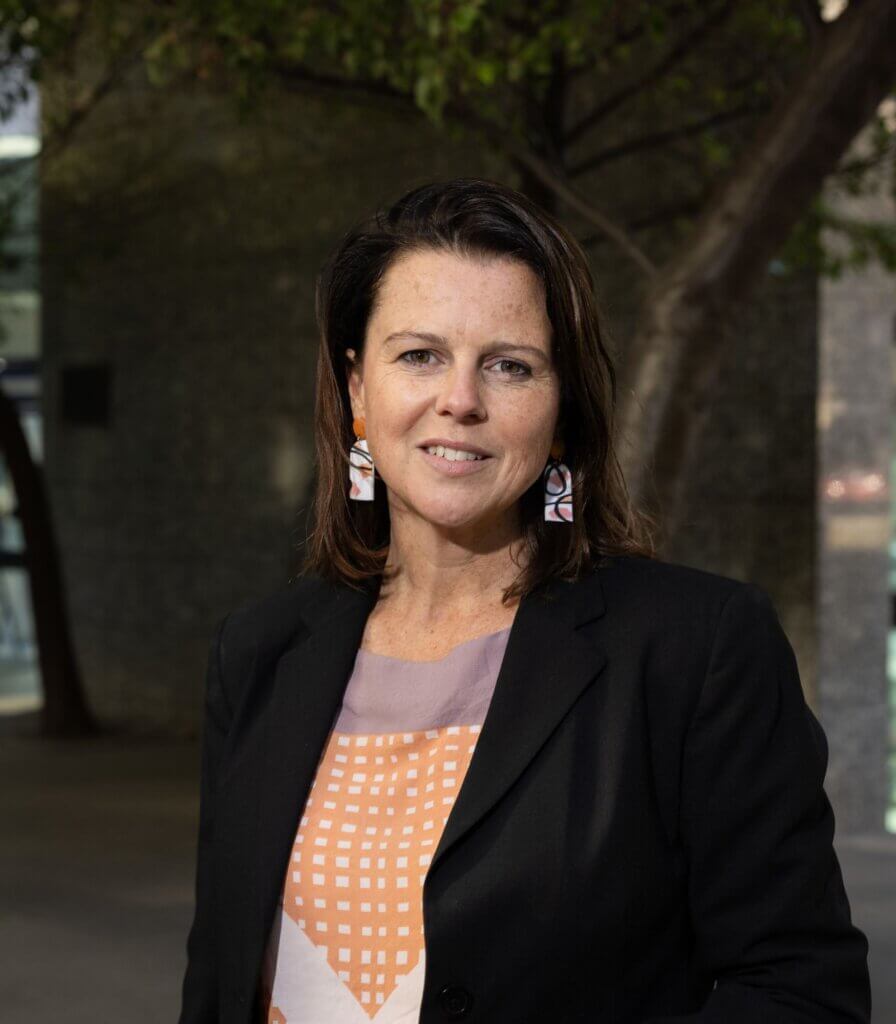
EJA co-CEO Nicola Rivers is heading to the largest and most inclusive gathering focused on nature next month.
Here she shares what you need to know about this global forum, which will bring together governments, scientists, First Nations leaders, and civil society to shape the future of conservation.
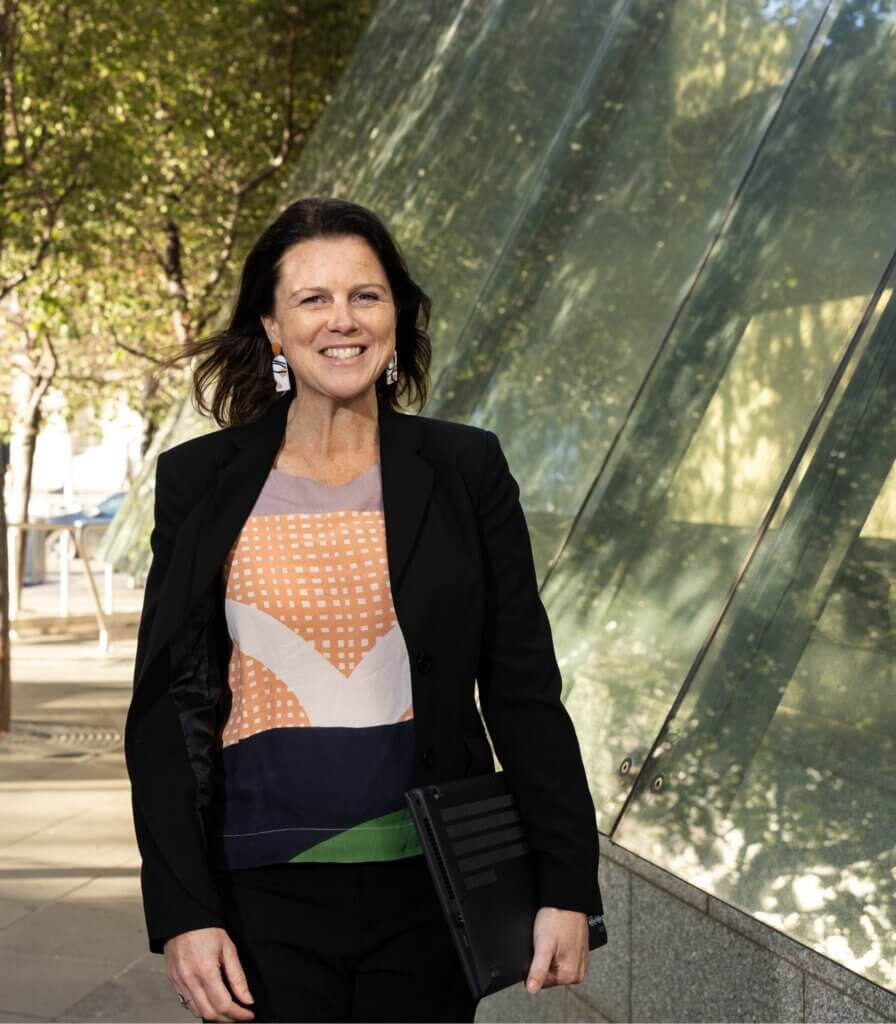
In mid-October I’ll be attending the IUCN World Conservation Congress. As a member of the International Union for Conservation of Nature (IUCN), EJA is part of a global network working to advance environmental governance and protect biodiversity.
Held every four years, this Congress brings together governments, scientists, First Nations leaders, civil society, and legal experts from around the world to collaborate on solutions to the planet’s most urgent environmental challenges – from species loss and climate change to land rights and legal reform.
Held every four years, this Congress brings together governments, scientists, First Nations leaders, civil society, and legal experts from around the world to collaborate on solutions to the planet’s most urgent environmental challenges – from species loss and climate change to land rights and legal reform.
For EJA, this is more than just an international event. It’s an opportunity to learn from the experiences and wisdom of the global community and to bring the voices and experiences of the brave clients we work with into international forums.

Why the IUCN matters for our fight for environmental justice
At Environmental Justice Australia, we see first-hand how interconnected our work is with global movements for environmental and climate justice.
While we often work in Australian courts and communities, the ideas and standards that shape our work are influenced by organisations across the world. A lot of Australian law, particularly at the federal level, is influenced by concepts and standards agreed at the international level.
One of the most important and interesting international environmental organisations is the IUCN.
Not the UN, but just as powerful in its own way
People often confuse the IUCN with the United Nations, but they’re very different.
The UN is an intergovernmental body – states talking to states.
The IUCN, on the other hand, is a membership organisation that brings together governments, Indigenous organisations, NGOs, scientists and communities. That mix makes the IUCN powerful and unique: its solutions come from the ground up, informed by science and lived experience.
The IUCN has a number of Commission, including the World Commission on Environmental Law. The Commission is a group of experts from around the world working together to create international standards and action, and to bring that international agenda back to their own countries and communities.
Science, knowledge and justice on a global stage
The IUCN is best known for the Red List of Threatened Species, which tracks the status of plants and animals worldwide. That data shapes laws, treaties and conservation efforts across the globe, including here in Australia.
The IUCN has also been heavily involved in the creation and ongoing work of many UN conservation treaties such as the Convention on International Trade in Endangered Species of Wild Fauna and Flora and the Ramsar Convention on Wetlands.
It set standards for protected areas which many countries adopt, pushes for recognition of Indigenous land rights, and feeds science and community knowledge into international agreements on biodiversity and climate.
The 2025 event
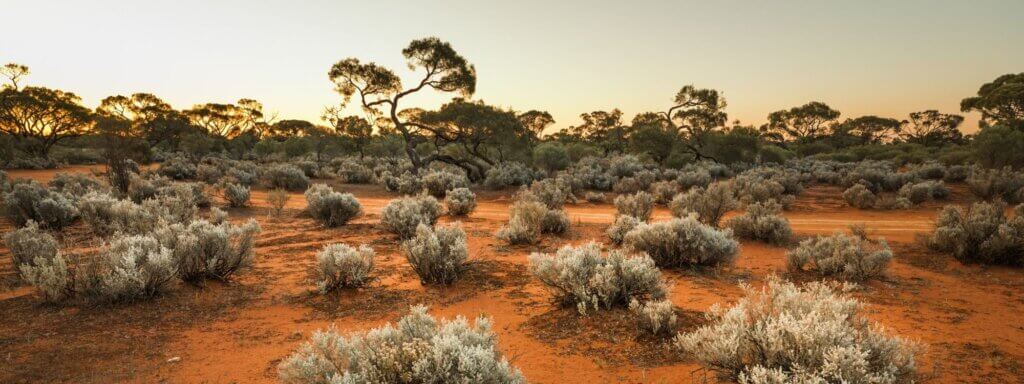
Every four years, IUCN members gather in person and online for the World Conservation Congress to share knowledge, debate and vote on resolutions, and set the global conservation agenda for the next four years.
There are 40 motions being debated at Congress next month, on issues ranging from a national treaty on plastic pollution to establishing the crime of ecocide, to protecting seamounts and marine ecosystems from mining and fishing, to recognising the importance of indigenous language and knowledge.
As an environmental justice legal organisation, many of these motions are relevant to our work, such as forest protection, rights of nature, indigenous rights and a just energy transition.
Further, at EJA, we know that environmental challenges don’t stop at borders, and neither should the solutions. Being part of a global community of conservation leaders helps us better serve the communities we work with here in Australia. It also reminds us that justice, rights, and accountability must be at the heart of every effort to protect nature.
Follow all the IUCN action next month
I am looking forward to joining other Australian and global NGOs as we push forward the international agenda on these critical issues.
I’ll be sharing what I learn (and what surprises me!) live from the IUCN World Conservation Congress and preparing a recap afterwards.
Follow EJA on LinkedIn, Instagram, Facebook, Bluesky and make sure you’re subscribed to our newsletter for all the highlights!

Learn more about our work

Make a difference
The challenges we face are vast. The time to push for large-scale system change is now.