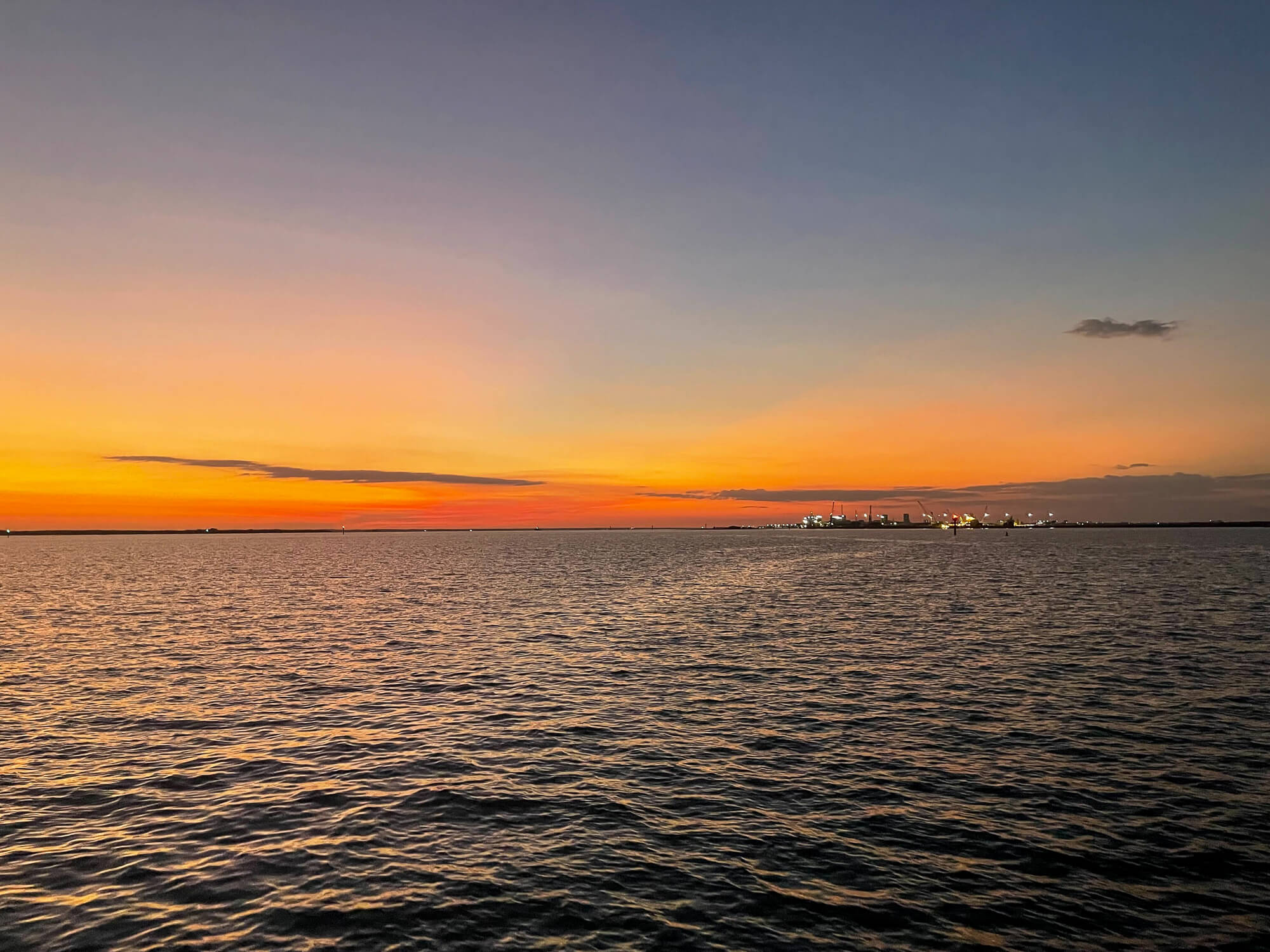
Australia's Great North Conference
5 things I learnt
EJA’s Laura Dreyfus, a senior lawyer in our nature team, shares her reflections from the event in Garramilla/Darwin.
This week, I joined Traditional Owners, land councils, scientists, rangers and advocates from across northern Australia for Australia’s Great North Conference, hosted by the Environment Centre NT, Arid Lands Environment Centre, Environs Kimberley and Cairns and Far North Environment Centre on Larrakia Country.
The goal of this gathering? To spotlight the growing threats to northern Australia’s globally significant landscapes – and the leadership already happening to protect them.
Why it matters?
Northern Australia holds some of the oldest lore, cultures and living landscapes in the world. This region might sometimes feel quite far away or even be forgotten about for Australians living in our biggest cities along the East Coast. Yet, what happens up here matters for climate, for Country, and for justice.

Alongside my colleagues from our climate and justice teams, and several of our inspiring clients, I was excited to be at Australia’s Great North Conference. Not only because this region is a place of astonishing biodiversity, but because it’s where the fight for stronger nature laws and First Nations justice is unfolding right now.

From defending savannas and free-flowing rivers to challenging weak approvals and broken systems, EJA is proud to support communities pushing for change.
What I learnt...

1. The fight for water is also a fight for justice
One of the biggest water licences in Australian history: the Singleton water licence, has been fiercely contested by Traditional Owners and the Central Land Council for years.
Just recently, they secured special leave to take their case to the High Court, marking a huge step forward in their struggle.
At the conference, I learnt how this battle connects to a broader issue across the north: land clearing and water extraction are happening on pastoral estates where native title rights co-exist. Too often, these activities escape scrutiny under federal nature laws and proceed without the free, prior and informed consent of Traditional Owners.
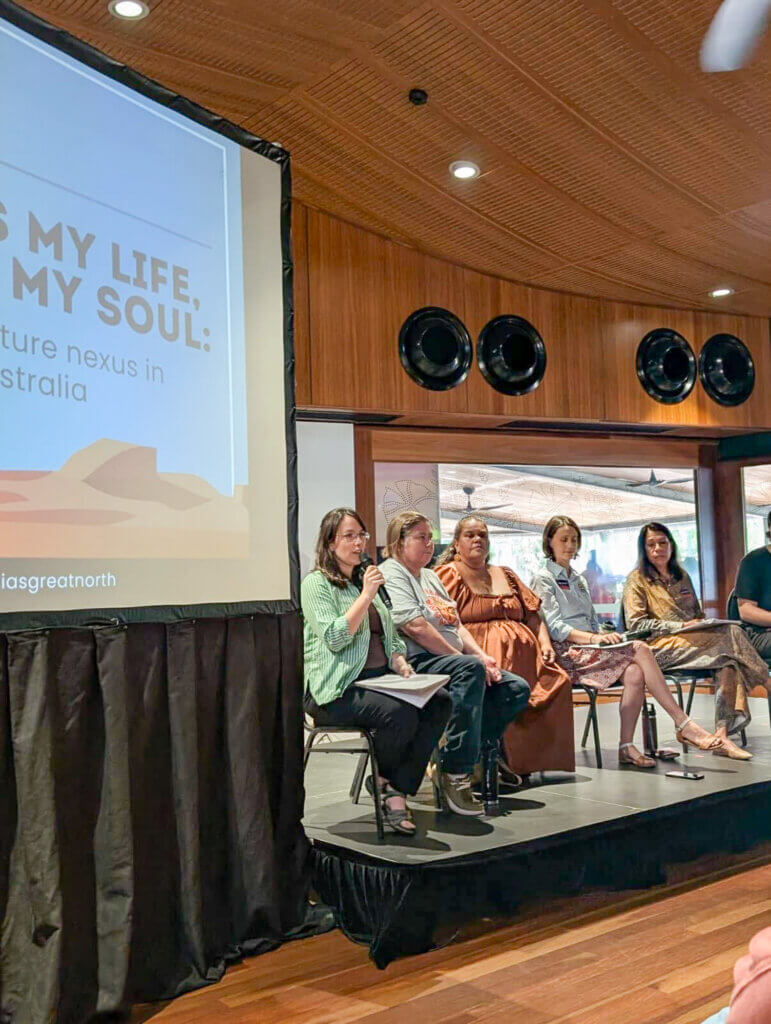
On day one, I had the chance to join a panel called “The tree is my life – the soil is my soul” about the links between land clearing and cultural dispossession, and what’s missing in both native title and nature laws.
Other speakers included: Josie Douglas, general manager at the Central Land Council; Cath McLeish, the legal practice manager (native title) at the Northern Land Council; and Nerida Brown from Teppethiggi Ni'Ripono Landcare Aboriginal Corporation, and there was also a powerful speech delivered on behalf of artist, writer, storyteller and story keeper Maureen O’Keefe.
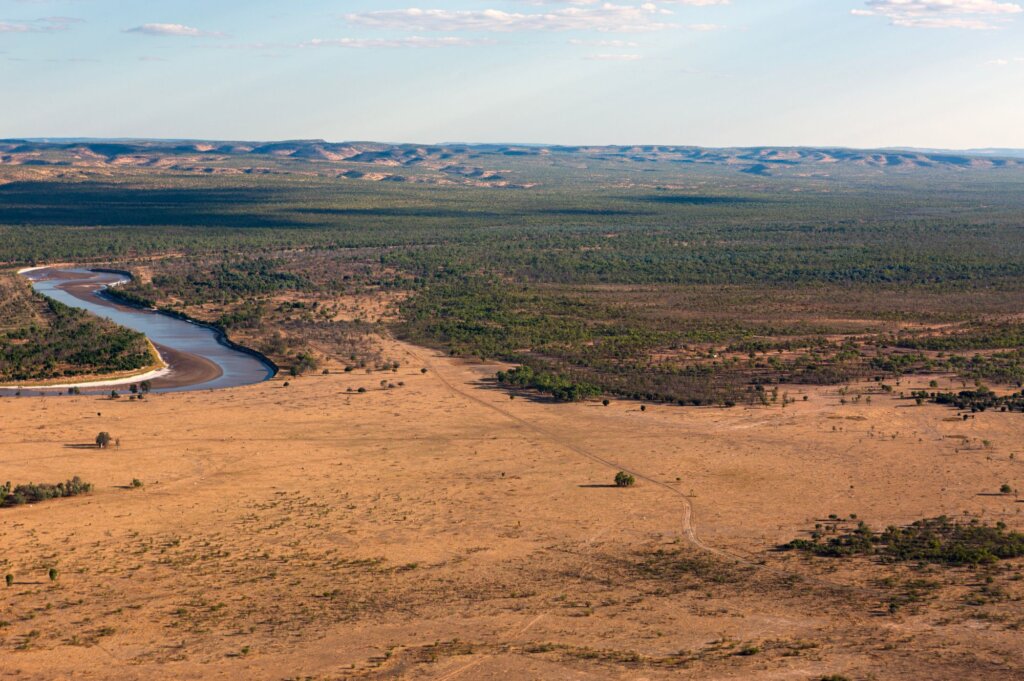
It was sobering to hear how development on the pastoral estate, which makes up nearly half of the Northern Territory, is impacting the rights of Traditional Owners. Right now, native title holders in the NT have no right to veto land clearing permits or water licences. For some land clearing applications, they don’t even have a right to specific consultation.
Yet, alongside these injustices, it was inspiring to hear the tenacity, passion and commitment of communities fighting to protect their culture and land.

2. Exposing the structural blind spots in our laws
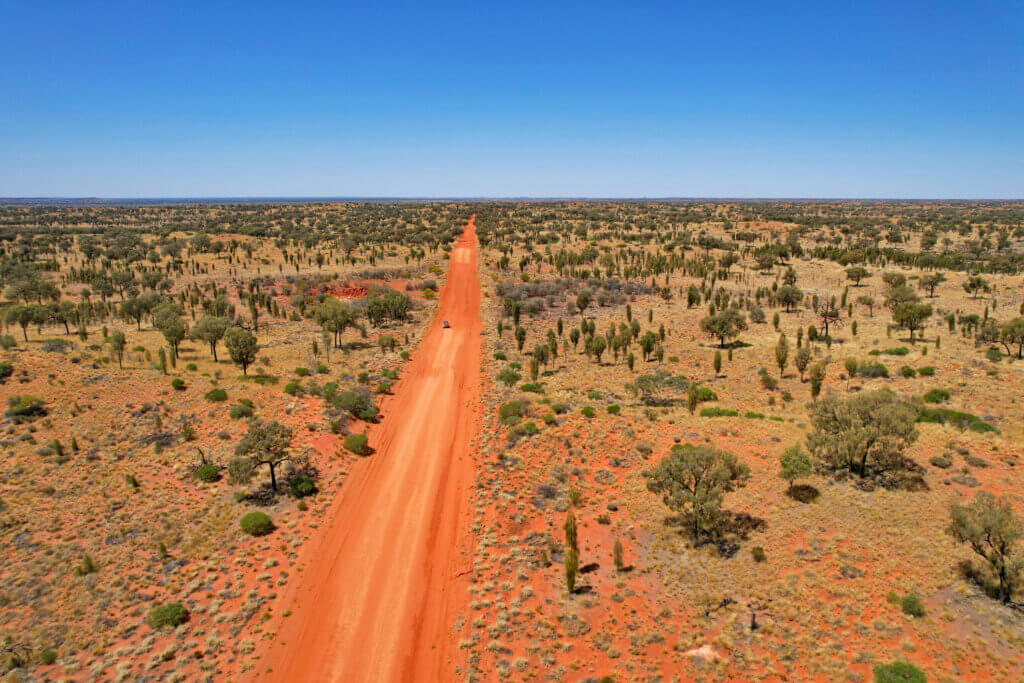
Northern Australia makes up a third of the continent and holds the most extensive tropical savannas on Earth.
Yet inadequate laws at the Federal and Territory levels, mean that land clearing, mining and water extraction often proceed with little oversight or accountability.
Eco-philosopher Val Plumwood reminds us that we cannot just protect the places we see and love while ignoring the "shadow places" that bear the hidden costs of a nation's way of life.
Northern Australia is too often treated as one of these shadow places, a 'resource frontier' for extraction and deforestation. Being here, listening to communities and supporting their struggles is part of rejecting that logic and insisting on justice.

“Northern Australia is too often treated as one of these "shadow places", a 'resource frontier' for extraction and deforestation.”
— EJA senior lawyer, Laura Dreyfus
3. Frontline leadership shows us the path forward
One of the strongest themes of the conference was the courage and leadership of First Nations peoples across the north.
The Tiwi people have been relentless in their fight to protect their Sea Country from offshore gas extraction, taking action through federal court cases, international advocacy in Japan and Korea, human rights complaints and direct conversations with politicians. Their perseverance is both inspiring and instructive for anyone who cares about justice.
Speakers also reminded us that the role of Indigenous rangers in reducing emissions and protecting biodiversity is still under-recognised in national policy, despite its proven success. As conservation scientist John Woinarski put it, the natural values of the north are of “universal importance” and a global asset that we all share responsibility to protect.
The second day opened with a keynote from Professor Anne Poelina from the Kimberley. She spoke of wanting a world of “we and not me,” and of finding new ways to tell stories. Her words stayed with me: “The planet will go on, it will go on thriving, but it will be lonely without the vibrations of humans.”
4. Climate change is already reshaping lives in the north
The social impacts of climate change are not a future problem, they are already here.
Katherine-based Vet and environmentalist Dr Sam Phelan shared that the rising number of days over 40 degrees is fuelling more violence, driving skilled people out of towns and leaving communities feeling abandoned.
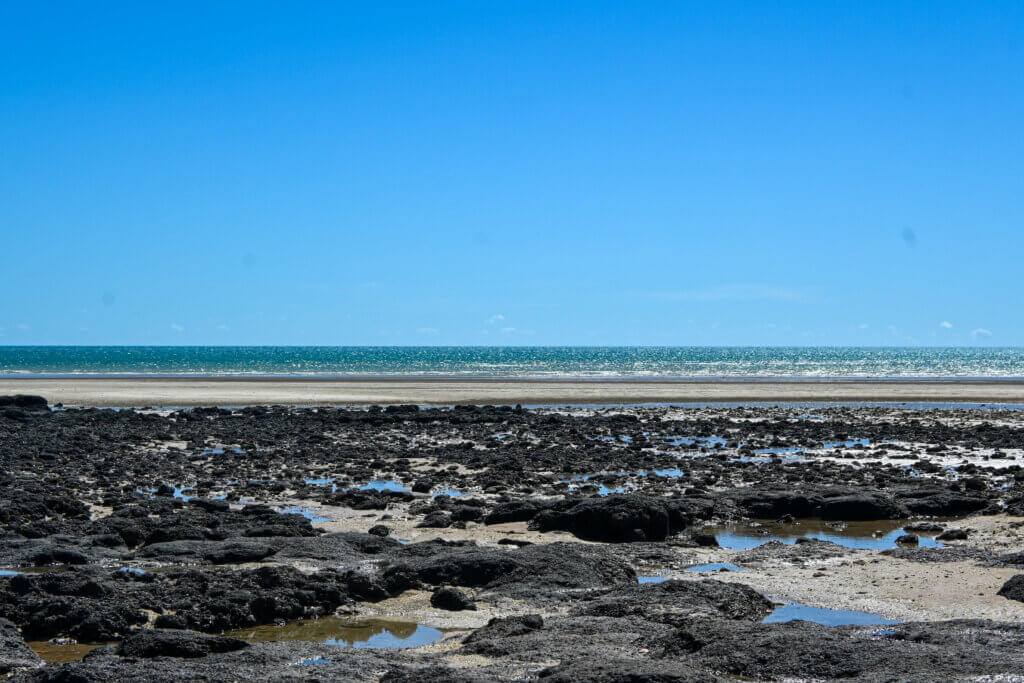
These pressures on people are mirrored in the natural world, with heat stress and extreme conditions also threatening wildlife, ecosystems and cultural practices tied to Country. The message was clear: the climate crisis is inseparable from the wellbeing of both people and nature in the north.
5.Building a movement for change
The feeling in the room at the end of the conference was one of strength and solidarity.
People spoke of a powerful movement that is growing, bringing together communities, organisations and allies who want to shift from destructive industries that benefit a few to economies that benefit everyone and nature.
The challenges facing northern Australia are complex, but the leadership, resilience and knowledge of the communities who live here is deep and enduring. Their vision offers a pathway to a future where Country is protected, rights are respected, and development is grounded in justice.
For us at EJA, it was a privilege to listen, learn and speak, alongside people who are fighting for a future where Country, culture and climate are protected, together. We are proud to stand with them, using the law as a tool to ensure accountability, prevent unlawful destruction and strengthen the movement for change.
These reflections only scratch the surface of what was shared at Australia’s Great North Conference. For me, the biggest takeaway was the sense of possibility that comes from listening to communities on the frontline and standing with them. Their courage and clarity light the way towards a future that is fairer and more sustainable for all of us.
Explore more of our work

Make a difference
Help power more game-changing court cases and urgent legal actions for the people and places you love.
Our financials
We have a long-standing commitment to sound fiscal management, accountability and transparency.
We encourage you to investigate before you donate.
Join us
The law is a powerful tool to disrupt the status quo and make governments and corporations accountable.
Join us and let's build a radically better world.