“This decision doesn’t make the project right”
“The court ruled on the law, and we respect that. But we know what the river needs – and it’s not more concrete.”
Nicole McKay, Friends of Nyah Vinifera Park
That was the message from Nicole McKay, chair of Friends of Nyah Vinifera Park, after the Federal Court upheld approval of the controversial Nyah floodplain project on the Murray river.
A Victorian government water authority wants to artificially engineer the floodplain at Nyah near Swan Hill, and build levy banks, concrete regulators, and pump stands to irrigate these fragile and much-loved seasonal wetlands.
Why? To justify reducing the amount of water recovered for the environment under the Murray Darling Basin Plan.
Friends of Nyah Vinifera Park – with their EJA legal team – brought this case because they believe Murray floodplains need real environmental water and natural flows, not more concrete levees, pumps and regulators.
For decades, Friends of Nyah Vinifera Park have fought to protect these floodplain forests near Swan Hill and all the life that depends on them.
The decision is a setback. But it doesn’t make the environmental risks disappear or the struggle for genuine protection of these wetlands any less urgent.
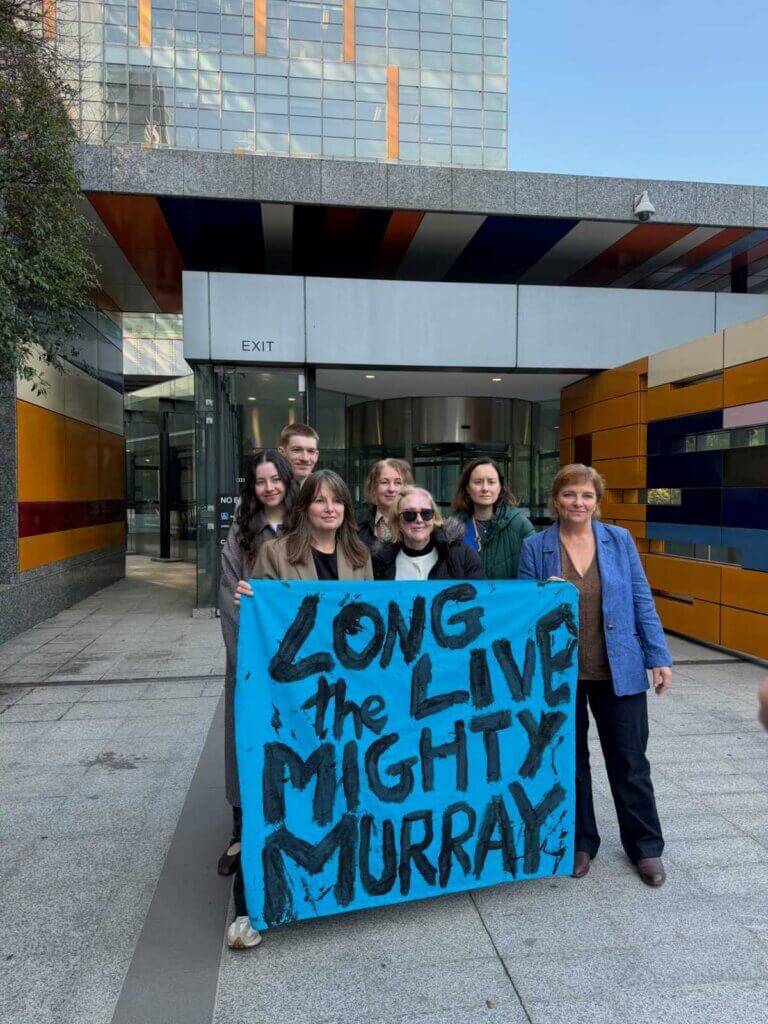
This outcome shows that the law does not match what is actually required to restore the river to ecological health.
The law needs fixing.
Offset projects let governments claim they’ve restored the river, but they actually damage it. You don’t fix a river by engineering fake floods.
Nicole McKay, Friends of Nyah Vinifera Park
The group remains deeply concerned about the risks this project poses to the habitat of threatened species like regent parrots, to wetlands, water quality, and the health of the entire Murray floodplain system. Those concerns remain.
As Nicole said: “We’ve seen what happens when rivers are engineered like this – blackwater, toxic algae, and mass fish deaths”
The court ruled on a narrow legal question about the approval process. It did not determine whether this project is good for the river, floodplains or local communities.
For Friends of Nyah Vinifera Park, this case exposes a bigger problem: governments are increasingly relying on engineered offset projects instead of delivering real environmental water.
Concrete, pumps and pipes are not river restoration. Healthy rivers need connected natural flows. Fish can’t swim up a pump, and isolated engineered flooding is no substitute for a living river system. .
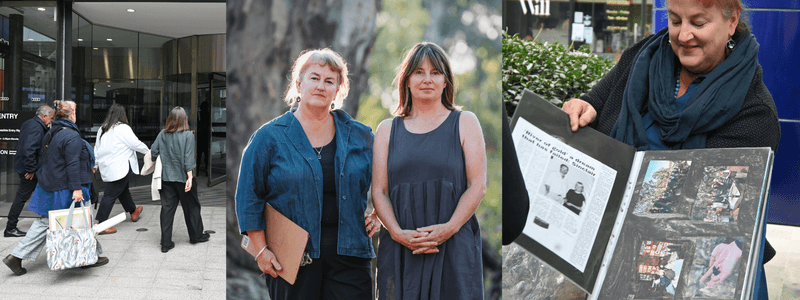
Friends of Nyah Vinifera Park say that the court’s decision reinforces the urgent need for political leadership to deliver genuine outcomes for rivers and wetlands.
The group is urging governments to restore real flows to rivers by removing outdated river constraints, ending reliance on engineered infrastructure, and prioritising natural flows that support healthy floodplains and cultural values.
Even though the court upheld the approval, this case forced public scrutiny of projects governments hoped would quietly become the new normal.
Friends of Nyah Vinifera Park put these projects under the spotlight, raised serious questions about the future of river recovery, and made sure the voices of local communities and Traditional Owners were heard.
And they’ve made one thing clear: they are not giving up on the river.
Your support makes this work possible
Your donation powers pro-bono legal support to communities standing up for nature, challenging damaging decisions in court, and pushing for stronger protections for rivers and communities.
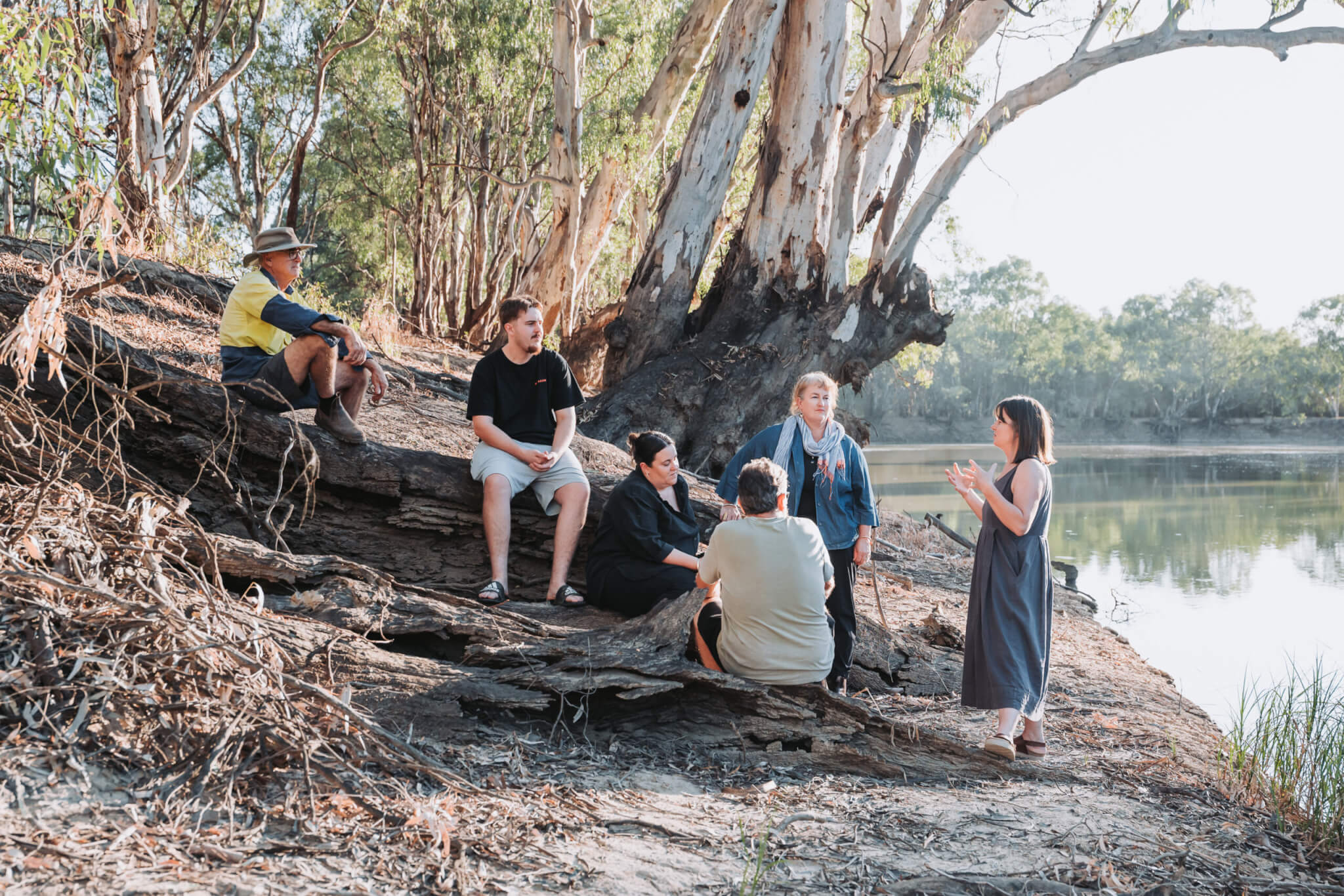
Thank you to everyone who supported Friends of Nyah Vinifera Park throughout this case.
The community group is now considering all legal options and calling for all river engineering offset projects to be re-examined.
For more than 30 years, Friends of Nyah Vinifera Park have worked to protect the floodplain forests near Swan Hill, alongside Wadi Wadi Traditional Owners caring for Country and defending the health of the Murray River.
And they have made one thing clear: they will keep standing up for the river and floodplains because they cannot speak for themselves
Read more about our work protecting nature

Make a difference
The challenges we face are vast. The time to push for large-scale system change is now.