
SUBMISSION GUIDE
Have your say: Environment law reform package
The biggest environmental policy moment of our generation – and your chance to shape it.
Until Friday 5 December 2025, the Senate Environment and Communications Legislation Committee is inviting people and organisations to share their views on the Albanese Government’s proposed Environment Protection Reform Bills.
In this guide – which you can read below or download as a PDF – EJA’s legal experts outline what’s missing from the bills as they stand, and the amendments needed to ensure they actually protect nature.
Having your say is one of the most powerful ways to show decision-makers that Australians want strong laws that put people and the planet first.

MAKING YOUR SUBMISSION
Three easy steps:
1. Read the guide
Scroll down for the step-by-step instructions from EJA’s legal experts – or download the PDF.
2. Draft your submission:
Keep it short and clear – who you are, why you care, the issues you're concerned about, and any amendments you recommend.
3. Lodge your submission:
Upload your submission via the My Parliament submission portal (more detailed instructions below).
Optional extra:
Email your submission to decision makers:
- Minister for the Environment, Senator Murray Watt, at Minister.watt@dcceew.gov.au
- Senators from your state (you can find their contact details here)

BACKGROUND
Click on each heading to read more.
Australia’s national nature laws – the Environment Protection and Biodiversity Conservation Act (EPBC Act) – have long been criticised for their their failure to protect the environment.
You only have to look at Australia’s record as a global leader in extinctions, emissions and deforestation to see the laws aren’t working.
Shortly after taking office in 2022, the Albanese Government committed to fundamentally reforming these laws. You may remember making submissions on partial reforms in March and July 2024. However, the government was unable to complete the process during its first term.
Following their re-election in 2025, new Environment Minister Murray Watt has pushed ahead with reforms at breakneck speed – introducing almost 1,500 pages of proposed legislation across seven bills to the House of Representatives in October 2025. These bills are new and have not been subject to previous public consultations.
After passing the lower house, the bills are now before a Senate Committee for public consultation. This is the first time the public has been invited to comment on these important bills. The consultation has no terms of reference – it’s open-ended and welcomes submissions sharing people’s opinions, concerns and proposals about the reforms.
These laws shape everything – the air we breathe, the rivers and forests we love, our climate future, and the survival of the ecosystems and wildlife that make Australia unique. They matter to every Australian and sit at the heart of almost every environmental challenge across the country. They’re the key to protecting everything from the birds in your backyard, to the Great Barrier Reef, and our shared climate future.
Right now, Australia leads the world in extinction, deforestation and emissions. It’s never been more urgent to change course.
The reforms before Parliament could be the turning point – a chance to finally protect nature and secure a safe climate future – or a step backwards that locks in more damage.
Reforming our national environment laws happens once in a generation, so we have to get it right.
To truly work, these laws must be strong, enforceable and grounded in science – capable of halting destruction, reversing decline and restoring nature.
That’s why it’s so important to speak up now, while there’s still time to shape the laws that will define Australia’s environmental future.
The best submissions are personal and genuine. Decision makers are more likely to listen to thoughtful, unique voices that show real care for people and places.
Read the background material below, but keep in mind you don’t need to address every point. Focus on the issues that matter most to you.
STRUCTURING YOUR SUBMISSION
- Introduce yourself – who you are and why this reform matters to you.
- Set out your key issues – explain what’s missing or weak in the draft law and how it can be improved.
- Be specific – name the problems and the solutions. For example: “The bill should include a strong First Nations Engagement Standard.”
- Support your points – add evidence, data or personal experience to show why the changes you suggest are needed.
- Stay clear and respectful – strong arguments are more persuasive than angry ones.
Short, well-structured submissions are most effective. Use subheadings or bullet points.
Rather than calling on a minister to ‘do the right thing’, it is more effective to set out what actually needs to be done to achieve the outcome you want.
Only include information you’re comfortable being made public. If you need to keep parts confidential, clearly mark them "confidential" and explain why before lodging.
See below for step-by-step instructions to lodge your submission.
Getting started
All submissions must be lodged as a document uploaded through the My Parliament portal. Follow these steps:
1. Draft your submission
Write your submission in Word or a text editor (such as Pages).
For info on what to cover, you can scroll down for the analysis and recommendations from EJA's legal experts.
Save your submission to your desktop or another easy-to-find location, with a clear file name you’ll remember, like EPBCBill2025_Submission_YourName.
2. Lodge your submission
Open the inquiry page
Click on this link: https://www.aph.gov.au/Parliamentary_Business/Committees/Senate/Environment_and_Communications/EPRBill48P
Click “upload submission”
An "Upload submission" button will appear on the right-hand side or at the bottom of the page, depending on your screen size.
Sign in or create a My Parliament account
You’ll be directed to sign in to a My Parliament Account. Follow the prompts to either log in or create an account – you can’t lodge a submission without one.
Select the correct inquiry
After logging in, you’ll reach the “Make a submission” page.
Scroll down and make sure “Environment Protection Reform Bill 2025 and six related bills” is selected.
Continue to scroll down and then click next.
Choose your submission type
Indicate whether your submission is personal or on behalf of an organisation. Complete all required fields marked with a red asterisk (*).
Continue to scroll down and click next.
Choose publication preferences
You’ll be asked whether you want your submission and/or name published publicly. Make your selection and complete any additional fields, then click next.
Upload your file
Accepted file types: PDF, DOC, DOCX, or TXT. Click Upload files and select your document.
Wait until the circle beside your file turns green before clicking submit – this may take up to 5 minutes. If it doesn’t turn green, your file might be too large. Use the contact form to request another way to lodge your submission.
3. Share your submission with decision-makers
(Optional but recommended) – once you’ve uploaded your submission, you can also email a copy directly to:
- The Environment Minister, Murray Watt at Minister.watt@dcceew.gov.au, and
- Senators from your state – you can find their contact details here
If you have any questions, feedback on this submission guide, need additional support or want to share your submission with us, get in touch at hello@envirojustice.org.au.
According to EJA’s legal experts: what are the key issues?
Environmental Justice Australia’s legal experts have carefully reviewed the seven bills and identified five key issues you might like to raise in your submission:
1. King-like discretionary powers
2. Deforestation loopholes
3. Climate damage gap
4. Offloading national leadership
5. Pay-to-destroy scheme
Scroll through analysis of the 5 key issues below or download a full PDF version of this guide.

1. King-like discretionary powers
In short
Remove the king-like discretionary powers peppered throughout the reforms – they undermine the good parts.
The issue
Broad discretionary powers undermine Australia’s current EPBC Act – and rather than fixing this long-standing problem, the new bills make it worse, eroding many of the positive aspects of the reform.
Decisions about our environment should be guided by science, transparency and community wellbeing, not the political will of the decision-maker of the day.
Recommendations:
- Set clear, objective tests to give certainty about how national environmental standards apply.
- Remove excessive ministerial powers – including the rulings power and streamlined assessment pathway – and tightly constrain any national interest exemptions or approval powers to prevent future misuse.
- Conservation planning should be supported, not undermined, by any additional planning documents. Protection statements must provide equal or greater protection than recovery plans or conservation advices.
- Prioritise proper consultation on strong First Nations Engagement and Community Engagement and Consultation national environmental standards so that these standards are ready to go when the new laws commence.
What's in the CURRENT EPBC ACT?
The current EPBC Act is frequently criticised for giving almost unfettered discretion to the Environment Minister of the day – resulting in subjective, politicised and unpredictable decisions. Projects that will cause significant environmental harm to matters of environmental significance are routinely approved by the Environment Minister, and there are limited grounds to challenge the decision. There is even a provision which allows the Minister to step in on any project and wave it through without assessment, if it’s deemed to be in the “national interest”.
The Samuel review recommended tightening this discretion by adding standards – clear rules to guide decisions.
What's in the REFORM PACKAGE?
The reform package does not address these issues, and in many cases expands ministerial discretion:
- Rather than stating that actions inconsistent with national environmental standards cannot be approved, the bills say projects can be approved if the Minister is “satisfied” they won’t be inconsistent. This kind of vague language – identified as a key concern in the Samuel Review – weakens accountability and undermines otherwise positive reforms such as national standards and the definition of “net gain.”
- The bills also give the Minister and the CEO of the new National EPA (NEPA) the power to make “rulings” on how the law is interpreted – a role that should sit with the courts. While similar powers exist in other limited contexts, like tax rulings by the ATO, in environmental law this creates a serious risk of political influence and inconsistency.
- The bills give the minister powers to create ‘protection statements’ which could be used to switch off or undermine recovery plans or conservation advices, particularly in approval decisions.
- The detail of national environmental standards for First Nations Engagement and Community Engagement and Consultation are currently missing from the reform package.
2. Deforestation loopholes
In short
Close deforestation loopholes: Regional Forest Agreements and “continuous use” exemptions have to go; standards should be enforceable across all deforestation and land clearing
THE ISSUE
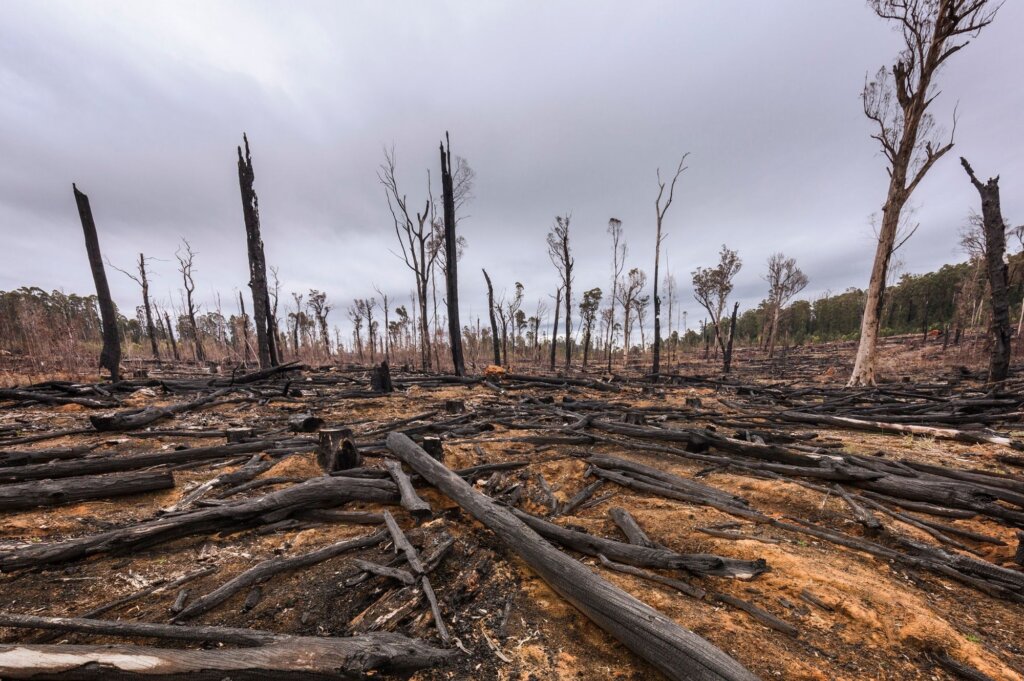
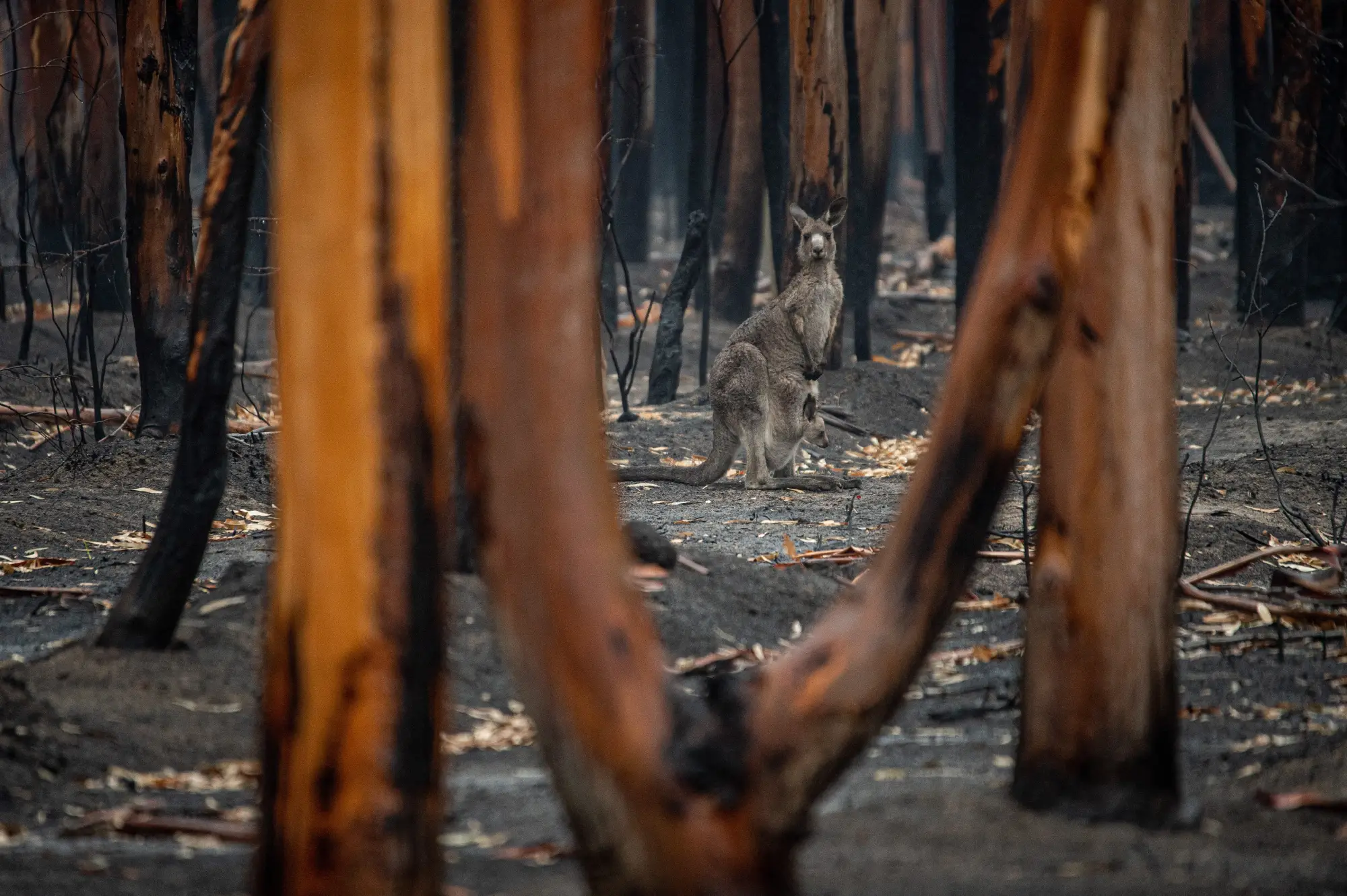
Australia is a global deforestation hotspot – one of the only developed countries still clearing native forests at scale. Each year, this destruction kills or displaces up to 100 million animals and drives Australia’s extinction rates.
Our environment laws fail to stop land clearing and deforestation, with loopholes for logging and blind spots for agriculture left wide open. The reforms ignore these gaps, leaving nature unprotected.
Recommendations:
- Remove logging loopholes: Remove the Regional Forest Agreement (RFA) exemption so forests covered by RFAs are fully subject to national protections and standards.
- Close the continuation of use exemption: Repeal or significantly narrow the s43B “continuation of use” exemption, which allows outdated approvals to persist even when they would not pass today’s standards.
What's in the CURRENT EPBC ACT?
Industries like native forest logging are frequently effectively exempt from our current nature laws.
Most clearing is not assessed under the EPBC Act due to "Regional Forest Agreement” (RFA) loopholes that exclude logging and limited assessment and oversight of agricultural clearing. Threatened species living in habitat covered by an RFA have no federal protection from harm, despite being nationally listed as threatened.
The “continuous use” exemption means activities such as land clearing that were occurring before 2000 are still exempt from environmental assessment.
What's in the REFORM PACKAGE?
The Albanese government’s proposed reform package keeps these old logging and land clearing loopholes. This means logging in forests covered by Regional Forest Agreements will continue to avoid federal environmental assessment. The government has also refused to remove the "continuous use” exemption, which allows land clearing practices that were occurring before 2000 to continue without assessment.
The reforms will, in theory, apply National Environmental Standards to deforestation and land clearing. But we cannot see how this is the case. The current proposed reforms do not clearly apply the standards to Regional Forest Agreements.
The reforms mean that the application of the Standards, once developed, will be highly discretionary, weak, and too often, unenforceable. Under the proposed reforms, the Environment Minister of the day would get to choose if and how to apply them to a project like a logging coupe or industrial agricultural expansion – and with so much discretion, these standards will not provide for uniform, reliable environmental protection for threatened species and their habitat.
While there are improvements in enforcement powers and penalties in the reform package, it is unclear how these will apply to deforestation if existing loopholes are not closed.
3. Climate damage gap
In short
Fix the climate damage gap – climate change should be central to the law’s purpose, with full emissions disclosure and closing loopholes for major polluters and offshore gas projects
THE ISSUE
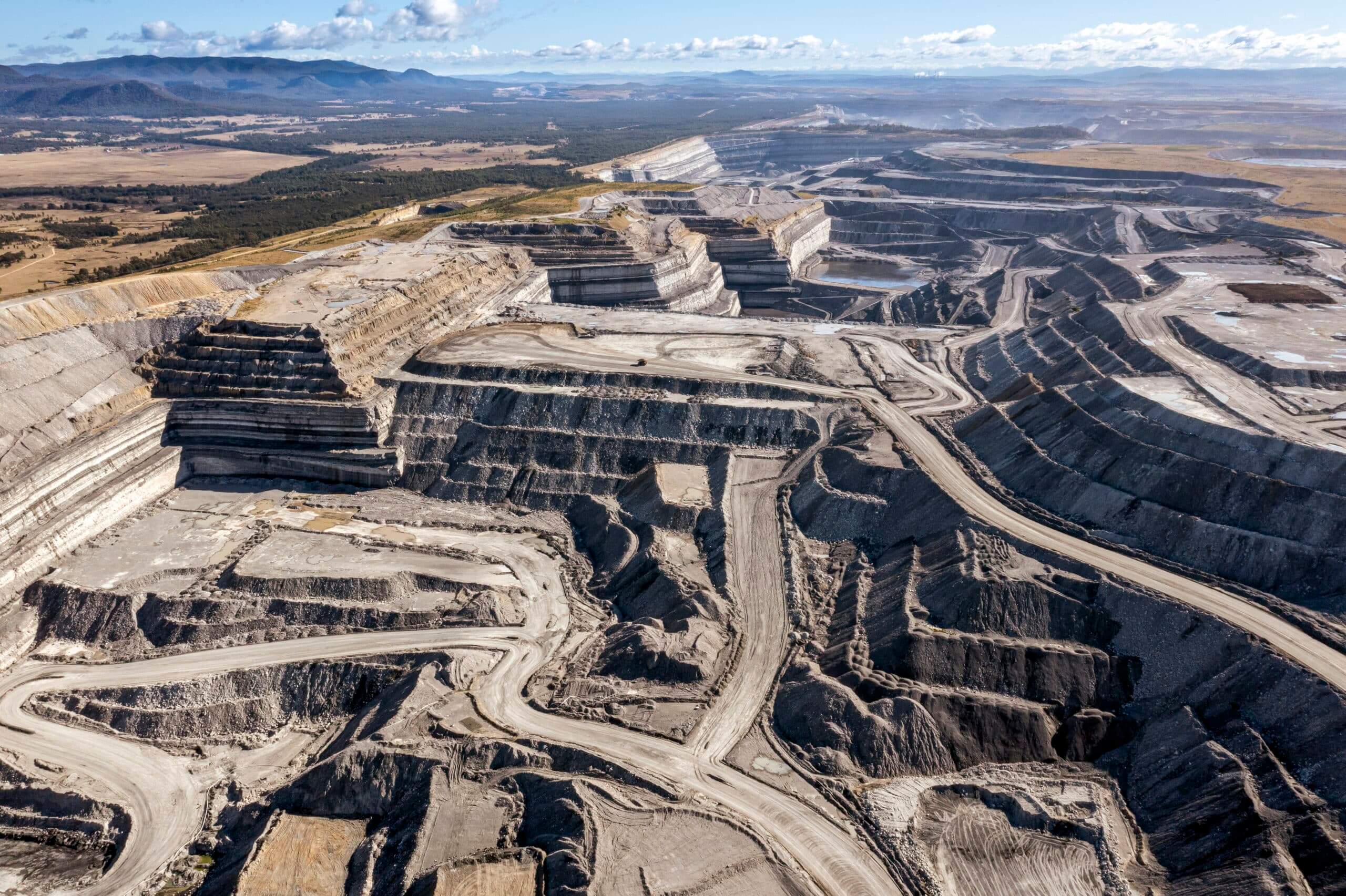
Climate change is reshaping the world we live in. We can’t protect nature, communities or cultural heritage without embedding climate science into every decision. Right now, the EPBC Act is silent on climate change, and the reform bills do little to change that. They only require disclosure of scope 1 and 2 emissions of some projects – leaving polluters free to keep polluting, and decision-makers free to ignore climate damage when approving projects.
RECOMMENDATIONS
- Make climate central: Add climate mitigation and adaptation to the purpose of the law, and embed clear, enforceable climate tests in every decision.
- Require full emissions disclosure: Projects must report scope 1, 2 and 3 emissions, be assessed against future climate scenarios, and align with Australia’s international obligations.
- Close loopholes for big polluters: Strengthen oversight of major emitters and offshore projects to ensure proper environmental assessment, consultation and accountability.
What's in the CURRENT EPBC ACT?
The current EPBC Act is effectively silent on climate change. Coal and gas projects are assessed for their local impacts on protected places and species, while their biggest threat – the climate damage they unleash – isn’t even considered.
This loophole means Environment Ministers can approve fossil fuel projects without weighing their climate harm to species, ecosystems or communities. The government points to the Safeguard Mechanism as a fix, but it’s no substitute for genuine climate assessment.
Some state laws and NOPSEMA (the National Offshore Petroleum Safety and Environmental Management Authority) require disclosure of scope 1, 2 and 3 emissions, and some proponents voluntarily provide this data for federal approvals – but under the EPBC Act, emissions are not a mandatory factor in decision-making.
What's in the REFORM PACKAGE?
The reform bills take only a small step forward. They would require projects to disclose scope 1 and 2 emissions above a threshold and outline how they plan to “manage” them – but there’s no requirement to reduce pollution, or to report scope 3 emissions from burning exported coal, oil or gas. Nor must the Minister consider any emissions data when deciding whether to approve a project.
In practice, this means only direct and operational emissions are disclosed, while the far larger climate impacts are ignored. None of this information must be weighed in assessing a project’s true environmental footprint.
The proposed reforms also allow the Environment Minister and NOPSEMA to disregard key safeguards for offshore gas and petroleum projects, weakening consultation with First Nations communities and limiting proper environmental assessment.
4. Offloading national leadership
In short
Ensure National leadership – no offloading nationally significant decisions to states and territories
THE ISSUE
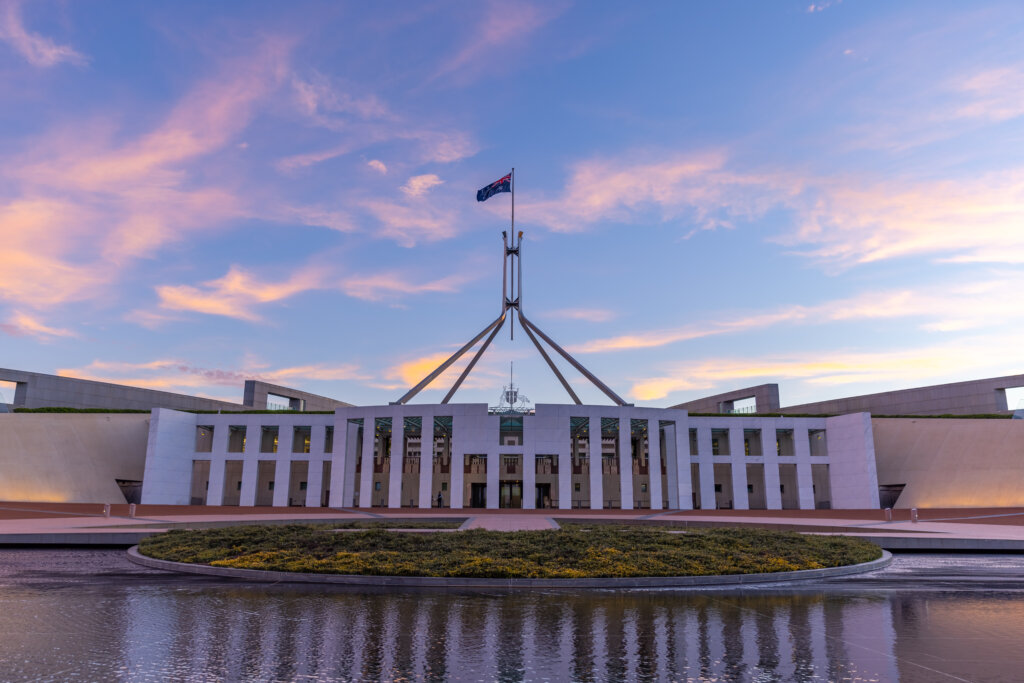
Australia needs strong national leadership to protect nature. The bills risk offloading power to state and territory governments – including those with weak environmental records – opening loopholes where nationally significant plants, animals and places could be left unprotected.
RECOMMENDATIONS
- Keep national leadership strong. The federal government must stay responsible for protecting Matters of National Environmental Significance — not hand that power to states or non-government entities.
- Set clear national standards and accountability. States should only play a role if they meet strong, enforceable standards and are independently monitored, with the Minister or National EPA able to step in when needed.
- Close the loopholes. Keep the water trigger in federal hands, and remove the offshore gas exemption so all projects face proper assessment and genuine consultation with affected communities.
- Ensure adequate assessment and consultation in streamlined assessments and bioregional plans. Bioregional planning must include conservation zones which comprehensively protect the environment.
What's in the current EPBC ACT?
Under Australia’s current environment laws, the federal Environment Minister has a vital responsibility: to protect nationally and internationally significant places, ecosystems, plants and wildlife. This includes species at risk of extinction, as well as places of deep significance for First Nations people, World Heritage sites, National Parks, the Great Barrier Reef, internationally important wetlands and marine environments.
The federal government is responsible for protecting these matters of national environmental significance from activities that could have a significant impact.
However, state and federal environment systems often overlap, conflict, or leave dangerous gaps. Accredited arrangements (like NOPSEMA and Regional Forest Agreements) are failing to protect nature and are not held to consistent standards. The result is a patchwork of weak and inconsistent protections that leave nature exposed.
What's in the REFORM PACKAGE?
Instead of strengthening national leadership, the proposed bills would further weaken it – shifting key federal powers to state governments and even non-government entities, and creating new loopholes that could leave nationally significant plants, animals and places without protection.
The reforms also include new ways to fast-track approvals, including for risky or high-impact developments, without robust and genuine assessment.
Specifically, the reforms:
- Include scope for the federal Environment Minister to hand more power to state and territory governments, and non-government entities. The Minister can decide that certain actions don’t need EPBC Act approval based on arrangements with States and Territories.
- Let state and territory governments approve unconventional gas and large coal mining developments that may have a significant impact on a water resource.
- Includes a concerning new loophole that would enable the Environment Minister to switch off important safeguards for offshore gas and petroleum projects assessed by NOPSEMA (the National Offshore Petroleum Safety and Environmental Management Authority). This could have a significant impact on requirements for genuine consultation with First Nations communities and limit proper environmental assessment.
- Create new streamlined assessment and bioregional planning processes which allow for approvals, including for high-impact developments, to be fast-tracked with little environmental assessment or oversight.

5. Pay-to-destroy
In short
Scrap the “Pay-to-destroy” offsets scheme – ensure any offsets deliver real outcomes for nature, and build transparency directly into the legislation.
THE ISSUE
Australia’s current offset system has made destruction routine – industries can simply pay to destroy nature instead of avoiding or reducing harm. This system is being expanded under the reform bills, not fixed.
RECOMMENDATIONS
- Remove the pay-to-destroy offsets fund: Any offsets must deliver real, like-for-like outcomes for nature.
- Remove the option to pay restoration contribution charges in lieu of offsets: If these charges remain, there must be strong upfront restrictions on when and how “pay-to-destroy” offsets can be used.
- Embed transparency and accountability: Key reporting, monitoring and enforcement measures must be built directly into the legislation
What's in the current law?
While offsets aren’t mentioned in explicitly in the current EPBC Act, an existing offsets policy allows “biodiversity offsets” to be used as conditions on project approvals. This means developers can damage or destroy habitat if they commit to restoring habitat elsewhere.
The current system is often criticised for its over-reliance on offsets, which have become the default rather than the last resort.
What's in the reform package?
The reform bills expand this problem, introducing a new “payment in lieu” offsets scheme. This would allow projects to be approved without any guarantee that genuine offsets will ever be delivered or that real environmental outcomes will be achieved. Companies could simply pay “restoration contributions” into an offset fund instead of actually restoring or protecting habitat.
In New South Wales, a similar scheme has been criticised for collecting money that can’t be spent because no suitable replacement habitat exists. Without strong safeguards, this model risks becoming a pay-to-destroy system that normalises nature loss instead of preventing it.
Offsets should only ever be a last resort – never a substitute for strong laws that stop destruction before it starts.
More helpful resources
Need more information? Explore EJA’s library of environment law reform analysis, legal explainers and video briefings:


Our financials
We have a long-standing commitment to sound fiscal management, accountability and transparency.
We encourage you to investigate before you donate.
Join us
The law is a powerful tool to disrupt the status quo and make governments and corporations accountable.
Join us and let's build a radically better world.