From protecting artefacts to protecting Country: a new step for Binybara
After securing the preservation of important Larrakia cultural artefacts through a long-running legal challenge, two senior Larrakia Elders have launched a new push to protect the wider cultural landscape at Binybara/Lee Point.
For years, senior Larrakia Elder of the Danggalaba Kulumbirigin clan Tibby Quall has been fighting to protect cultural heritage at Binybara, also known as Lee Point, on Darwin’s northern coastline.
Now, one legal chapter has reached a significant resolution, while another is beginning.
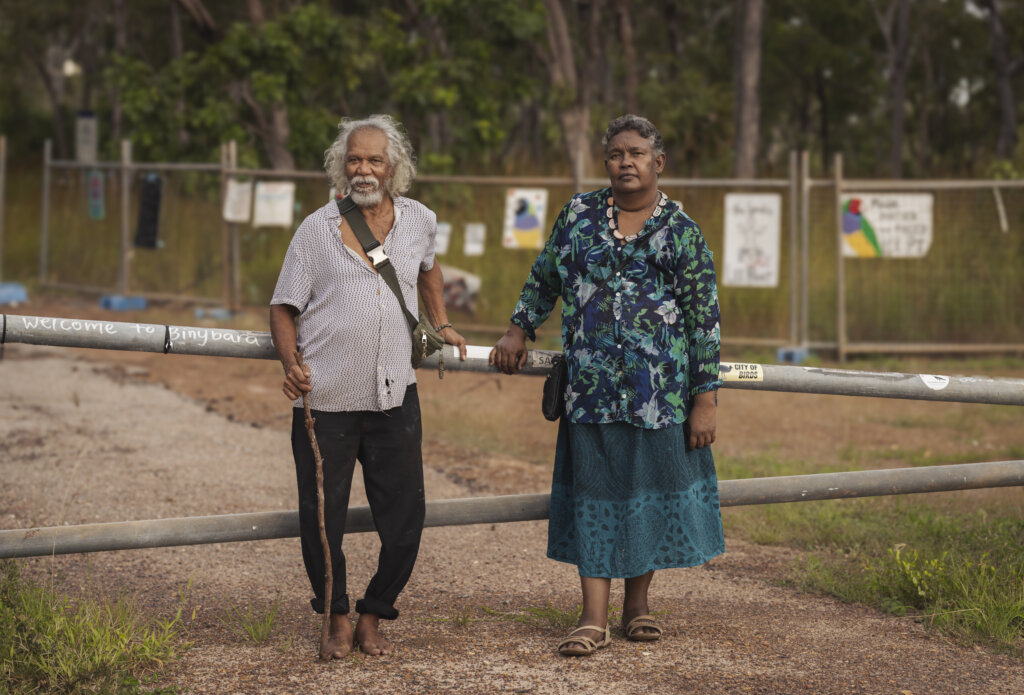
Mr Quall’s legal challenge in the Northern Territory Civil and Administrative Tribunal (NTCAT) has secured the preservation of important Larrakia cultural artefacts at Binybara and their return to Country.
At the same time, Mr Quall and senior Larrakia Danggalaba Elder Lorraine Williams have nominated the Binybara Peninsula Cultural Landscape for inclusion on the National Heritage List, seeking protection for the wider Country those artefacts belong to.
A legal challenge to protect cultural heritage
The case began when the Northern Territory Heritage Council allowed Defence Housing Australia (DHA) to remove Larrakia cultural artefacts from Binybara for its proposed housing development.
Represented by EJA lawyers, Mr Quall challenged that decision.
In June 2025, the NTCAT found flaws in the Heritage Council’s decision-making process, including how it consulted on and assessed the cultural significance of the artefacts and project site.
Mr Quall had stood up for his right to be heard about decisions affecting his Country and cultural heritage, and the Tribunal listened.
Following a lengthy legal challenge, the matter has now been resolved through a confidential settlement with DHA that will ensure the cultural artefacts at the centre of the proceedings are preserved and returned to Country.
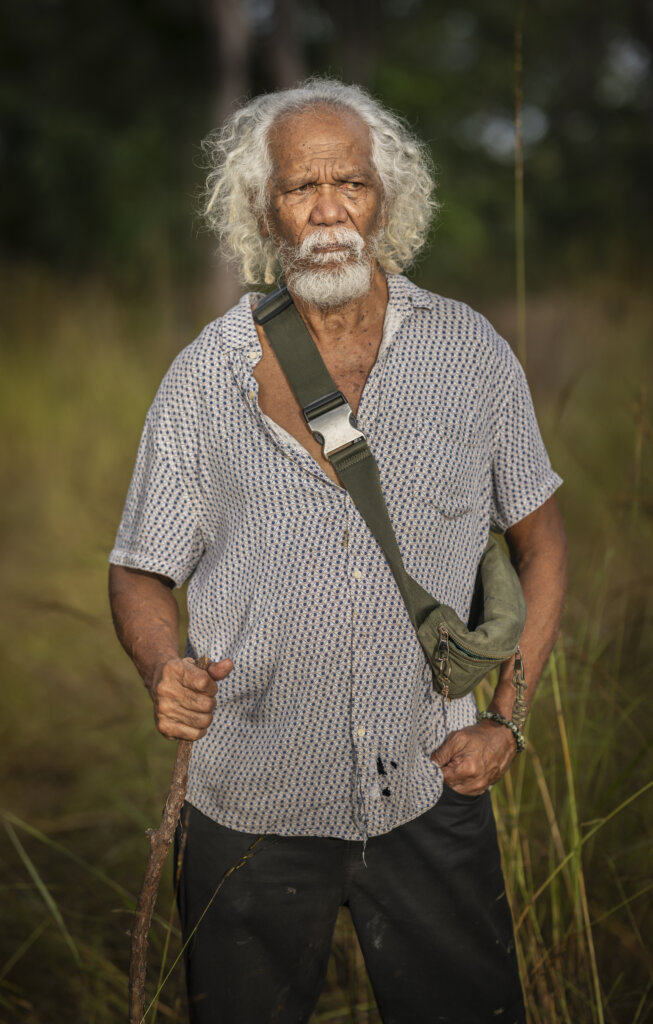
For Mr Quall, the outcome is about keeping culture where it belongs: on Country,
“It’s about preservation of our culture on the land, which will go on forever. It shows we have our culture there in the land.”
After years of legal work, Mr Quall says he is proud of what the process achieved.
“We have gained responsibilities and protection of our heritage, which will be maintained forever on the land.”
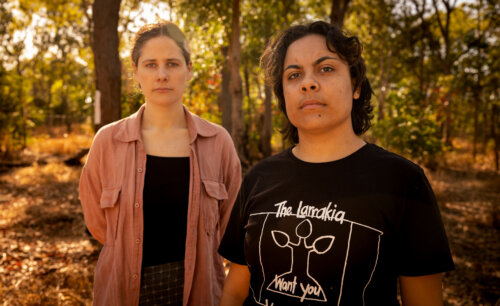
For EJA Justice Lead Ally McAlpine, the outcome reinforces why Traditional Owners must be properly heard when decisions affect their heritage.
“Traditional Owners are rights holders with cultural authority. They should be at the heart of decisions about their Country and heritage, not treated as another stakeholder once major decisions have already been made.”
Protecting artefacts is not the same as protecting Country
The Tribunal matter has helped secure the future of important cultural artefacts.
But it does not determine the broader future of Binybara.
For Larrakia people, cultural heritage cannot be reduced to individual objects. Country, place, culture, knowledge, relationships and cultural objects are interconnected.
And the wider cultural landscape those artefacts come from remains at risk.
The Tribunal’s earlier stop-work order has ended, while DHA’s proposed development remains a threat to parts of Binybara.
Yet for Mr Quall,
“ Binybara is one of our most sacred areas, part of our laws and customs that we hold.”
That is why another legal avenue is now being pursued.
A new step to protect Binybara
Mr Quall and Ms Williams have nominated the Binybara Peninsula Cultural Landscape for inclusion on the National Heritage List under the Environment Protection and Biodiversity Conservation Act 1999 (Cth), or EPBC Act.
The nomination asks decision-makers to consider Binybara holistically, recognising the connections between people, place, cultural objects, the natural environment, Dreamings, ceremony and the continuing transmission of Larrakia culture and knowledge.
EJA’s Ally McAlpine said says protecting the artifacts matters, but they cannot be separated from the Country to which they belong.
“This new application asks decision-makers to consider Binybara as a living cultural landscape, its places, objects, stories, knowledge and connections, rather than looking at individual artefacts in isolation.”

What protection are Elders seeking?
The nomination seeks two forms of protection.
First, Mr Quall and Ms Williams are seeking to have the Binybara Peninsula Cultural Landscape included on the National Heritage List under the EPBC Act.
They are also seeking emergency protection while its heritage values are assessed, including a provisional declaration to protect the nominated land during assessment and public consultation.
“The question now is whether national heritage laws can protect Binybara as a place, not only preserve cultural objects after the Country around them has changed,” says Ally.
Generations of Larrakia people protecting Binybara
This latest legal step is part of a much longer story.
The Binybara Peninsula Cultural Landscape contains sacred and culturally significant places, cultural artefacts, Dreamings and places used for ceremony, teaching, hunting and passing knowledge between generations.
It also has important ecological values and provides habitat for threatened species including Gouldian Finches and Black-footed Tree Rats.
Larrakia people have been fighting to protect this Country for generations.
In the 1970s, Larrakia people pursued protection for Country around Binybara through the Old Man Rock land claim, during the formative years of Australia’s Aboriginal land rights movement.
The nomination also traces the landscape’s connection to the historic 1972 Larrakia petition to Queen Elizabeth, which called for land rights and political recognition.
Part of the Country at the heart of those historic efforts now falls within DHA’s proposed Lee Point housing development.
More than half a century later, Larrakia Elders are continuing that work to protect Binybara, culture and Country for generations to come.