FOLLOWING THE MONEY:
THE UNFINISHED TRANSITION AWAY FROM NATIVE FOREST LOGGING
Native forest logging in Victoria has changed shape, but it has not really ended.
Released alongside the ABC Four Corers episode: Timber Turmoil, a new report from Environmental Justice Australia (EJA), raises serious questions about why more than $1.5 billion in public funding was spent on a transition away from native forest logging, but native forest logging and processing is still happening in Victoria through regulatory loopholes and interstate supply chains.
“Our investigation raises serious questions about the scale of public subsidies, the complexity of funding arrangements and, most importantly, why forests previously allocated for logging still lack the permanent protection that was promised."
Nicola Rivers, Environmental Justice Australia Co-CEO
This report is based on publicly available information, government records, FOI material, independent forensic accounting analysis and legal review.
Why this matters
This report matters because Victorians were promised an end to native forest logging, a transition to plantations, and permanent protection for forests – but the job is still unfinished.
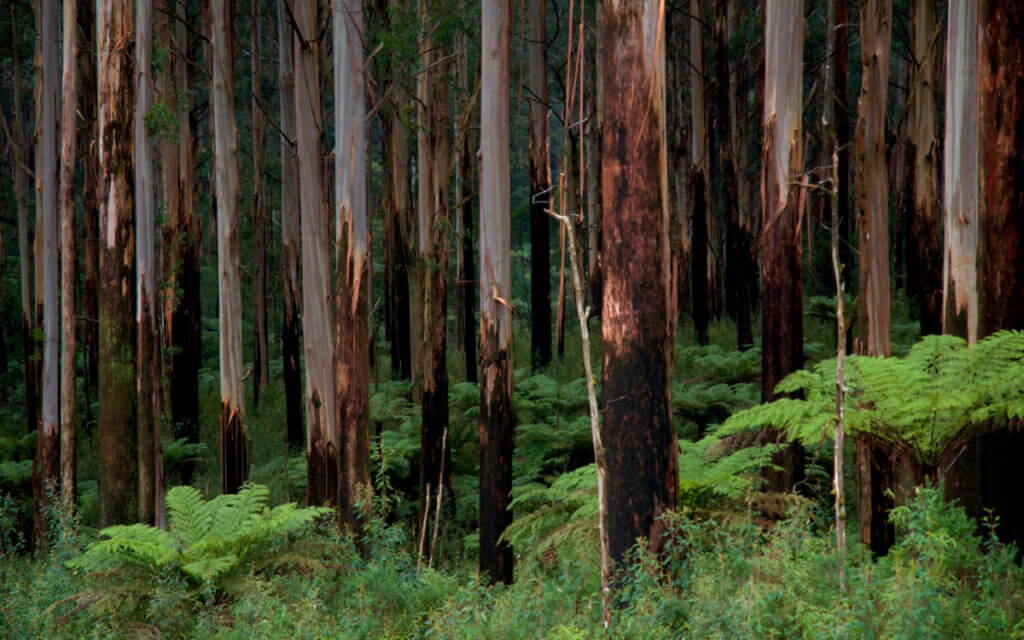
Native forests store carbon, protect water and provide irreplaceable habitat for threatened wildlife like koalas, greater gliders, swift parrots and Leadbeater’s possums. They need permanent legal protection – not bulldozers and loopholes.
More than a billion dollars was committed to the transition. Communities deserve to know where that money went, what it delivered, and whether it helped secure a genuine transition for forests, workers and communities.
The report at a glance
In May 2023, Victorians were told the Victorian government would end native forest logging on public land and support atransition to plantation timber. This would lead to “the largest expansion to our public forest reserve system in the state’s history.”
What is far less known is that the government claims to have spent $1.5 billion of public money on the transition – yet today, none of the 1.8 million hectares of forest where logging ended have permanent protection.
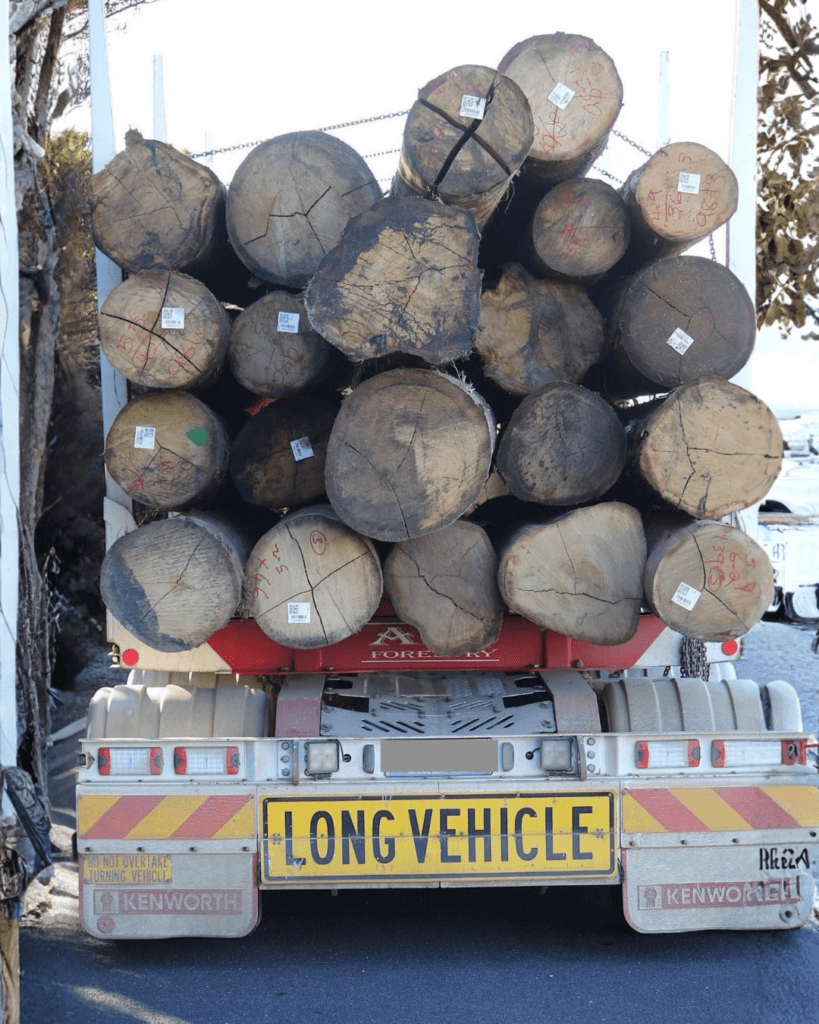
Evidence examined for the Following the Money report finds interstate transport of native forest logs from Tasmania and NSW has continued regulatory loopholes have enabled and incentivised the continued sourcing and processing of native forest timber.
The scale of subsidies, the complexity of funding arrangements, and accounting discrepancies raise questions about why the Victorian government continues to support an industry in structural decline, while forests and taxpayers carry the costs.
Key findings
Click the headings for details.
1. Forest protection remains incomplete
“Ending logging operations is not the same as permanently protecting forests.”
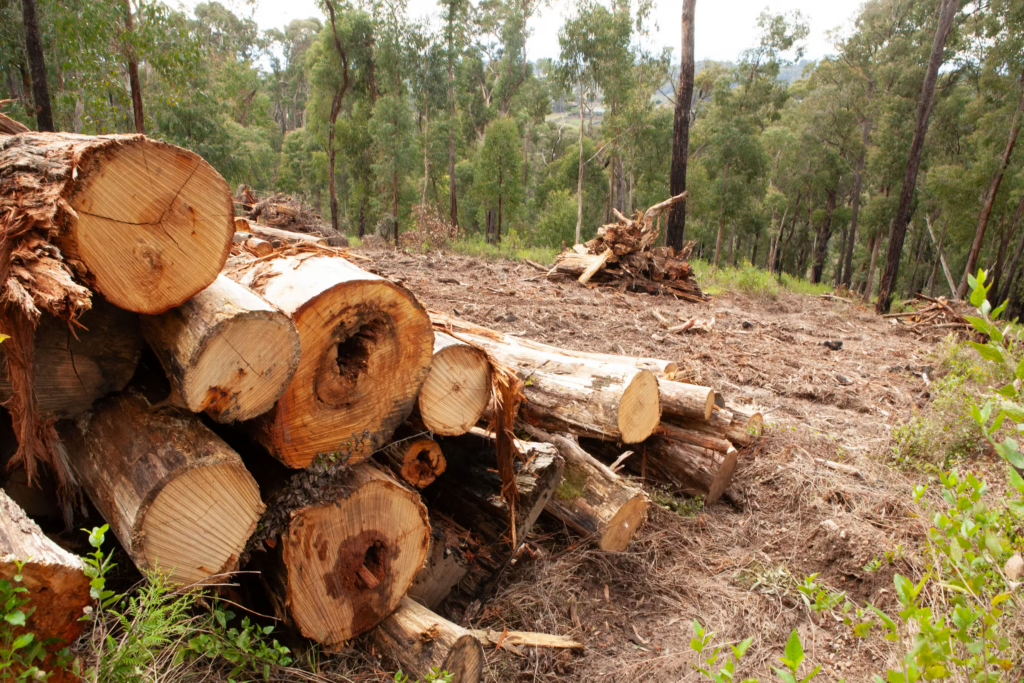
Although logging under the VicForests system has ceased, none of the 1.8 million hectares of Victorian state forest formerly managed under the native forest logging system in eastern Victoria has been transferred into a tenure that protects forests from logging and mining. The report finds that “one of the transition’s central objectives – permanent protection for forests previously allocated to logging – remains incomplete.”
2. Native forest logging and processing continues through logging loopholes
“Native forest logging in Victoria has changed shape, but it has not ended.”
The report finds that “native forest logging and processing continues through a range of regulatory loopholes, including private land logging, salvage logging, Forest Fire Management Victoria activities and importing native forest logs from Tasmania and New South Wales.
3. Large public funding flowed with limited transparency and accountability
“...no consolidated public account showing where all transition funding went, what conditions applied to payments, or whether funding achieved its stated objectives.”
The report finds substantial gaps in transparency around the transition itself. While the government says $1.5 billion in public funds flowed through compensation packages, grants, transition programs and corporate support measures, the EJA forensic investigation was only able to identify approximately $884 million in transition-related funding, subsidies, compensation payments and industry support.
4. Governments stayed locked into an increasingly unviable system despite mounting risks
“...governments continued to maintain supply arrangements and contractual structures that exposed the public to ongoing financial risk.”
The report finds the sector was already facing significant ecological, legal and economic pressures from declining timber availability, bushfires, climate impacts, legal restrictions and increasing substitution by plantation timber. Yet the Victorian government continued to lock in new supply arrangements even after VicForests’ own assessments showed they could not deliver previous timber volumes. Today, Victorian taxpayers still carry the cost of unwinding contracts and industry arrangements tied to a declining native forest logging system.
Recommendations
click the headings for details.
Permanently protect Victoria’s native forests
The Victorian government should legislate permanent protection for native forests from logging and other extractive industries, including through new and expanded parks and by partnering with and resourcing Traditional Owners to lead management, restoration and care of Country.
Close logging loopholes
The Victorian government should reform laws and policy settings that allow native forest logging to continue through private land clearing, salvage operations, Forest Produce Licences, Forest Fire Management Victoria activities and other exemptions.
Improve transparency and accountability for transition funding
The Victorian government should publish a consolidated account of all transition funding, including company recipients, payment categories, funding conditions and reported outcomes. The report also calls for independent oversight, auditing and public reporting.
Apply the lessons from Victoria in Tasmania and NSW
Governments in NSW and Tasmania should avoid new long-term timber supply contracts and review Victoria’s experience, including the risks linked to escalating public subsidies and delayed transition planning.
End federal government support for native forest logging
The federal government should end federal subsidies for native forest logging and use the end of the Regional Forestry Agreement exemption in 2027 to properly fund and support state transitions to a plantation-based industry.
Power the next phase of this work
Environmental Justice Australia can only do this work because of the support from people like you.
This report shows the transition away from native forest logging is far from finished. Forests still need permanent protection, loopholes still need closing, and public money must be tracked and accounted for.