TAKE ACTION
Hazelwood mine rehabilitation
What happens when the digging stops? When the dozers move out and locals are left with a giant hole and tonnes of toxic coal ash?
For years, the local community has advocated for proper rehabilitation of the Hazelwood mine site so it’s safe for people and the local environment, for the long term.
There’s a world where ENGIE could dodge its responsibilities and cut corners – taking 637 gigalitres of freshwater (more than the volume of Sydney Harbour) from a struggling river system and flood the Hazelwood mine pit... without removing the coal ash.
Or ENGIE could take community concerns seriously, clean up the site properly and leave the Latrobe Valley with rehabilitated land that is safe for people and the environment.
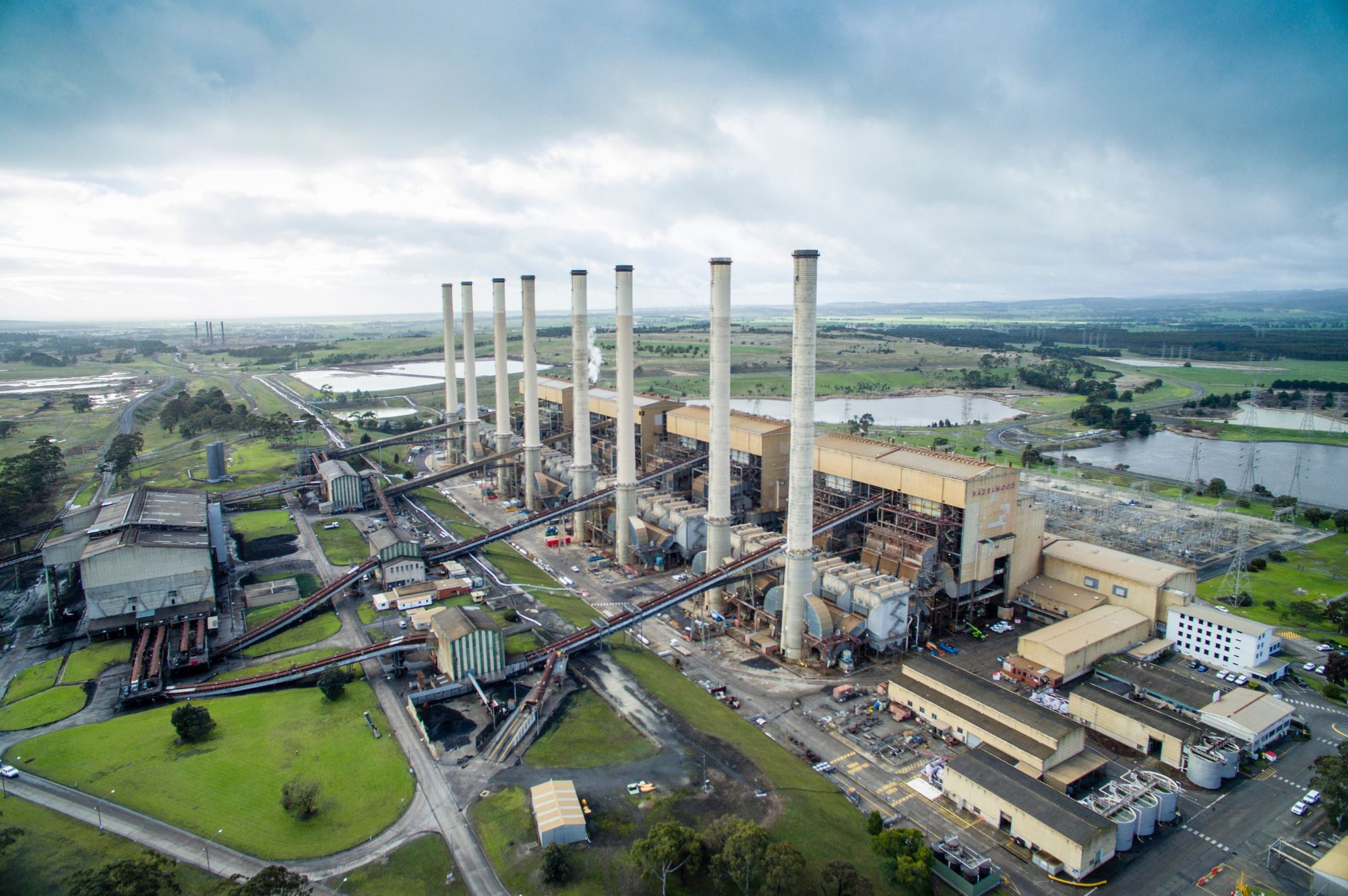
Right now, ENGIE is seeking community feedback on its assessment of potential environmental impacts. It needs to hear clearly: rehabilitate Hazelwood properly – don’t cut corners or leave the region with decades of contamination and risk.
Until 2 November, you have an opportunity to review the EES and share your views through this submission process.
Use EJA's legal explainers to have your say:

The big picture
As more coal mines close, more communities will face the same question: what happens to the enormous holes, toxic waste and environmental damage left behind?
Hazelwood is the first of the Latrobe Valley’s three giant coal mines to be rehabilitated. What happens here could set an example – good or bad – for how companies clean up after decades of mining, how risks are managed, and whether communities or polluters are left carrying the costs.