North West Shelf Extension case: court recap
From climate impacts to Murujuga's cultural heritage, here's what happened during the Federal Court hearing.
Last week, EJA lawyers were in Court representing the Australian Conservation Foundation (ACF) in their landmark challenge against the Environment Minister’s decision under the Environment Protection and Biodiversity Conservation Act 1999 (EPBC Act) to approve the extension of Australia’s largest and longest operating gas project.
Here's what happened during the four-day hearing, why the case is significant, and what comes next.

EJA Special Counsel Inshani Ward outside court, alongside ACF Special Counsel Adam Beeson and CEO Adam Bandt. Photo: Ari Balle-Bowness.
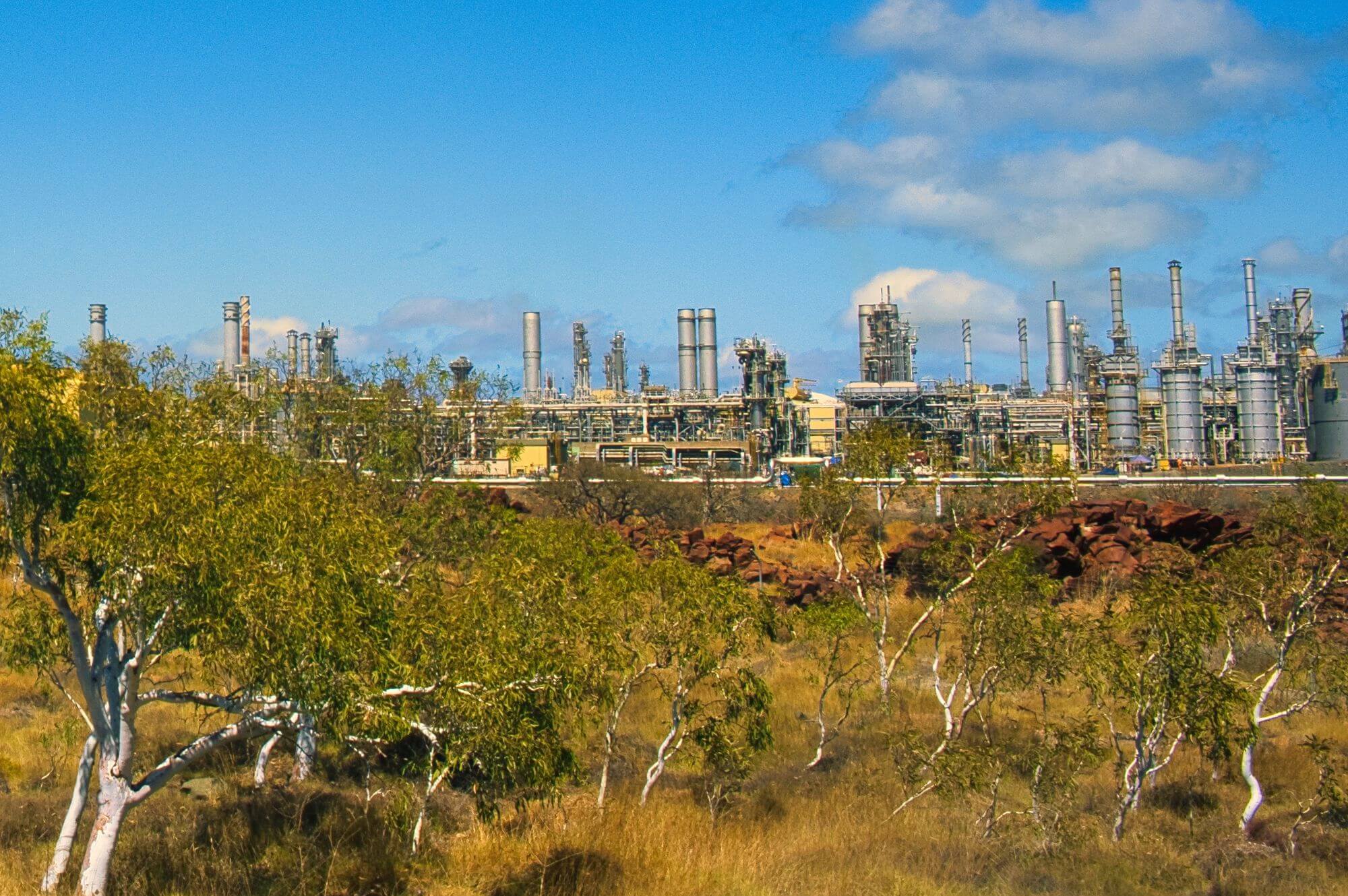
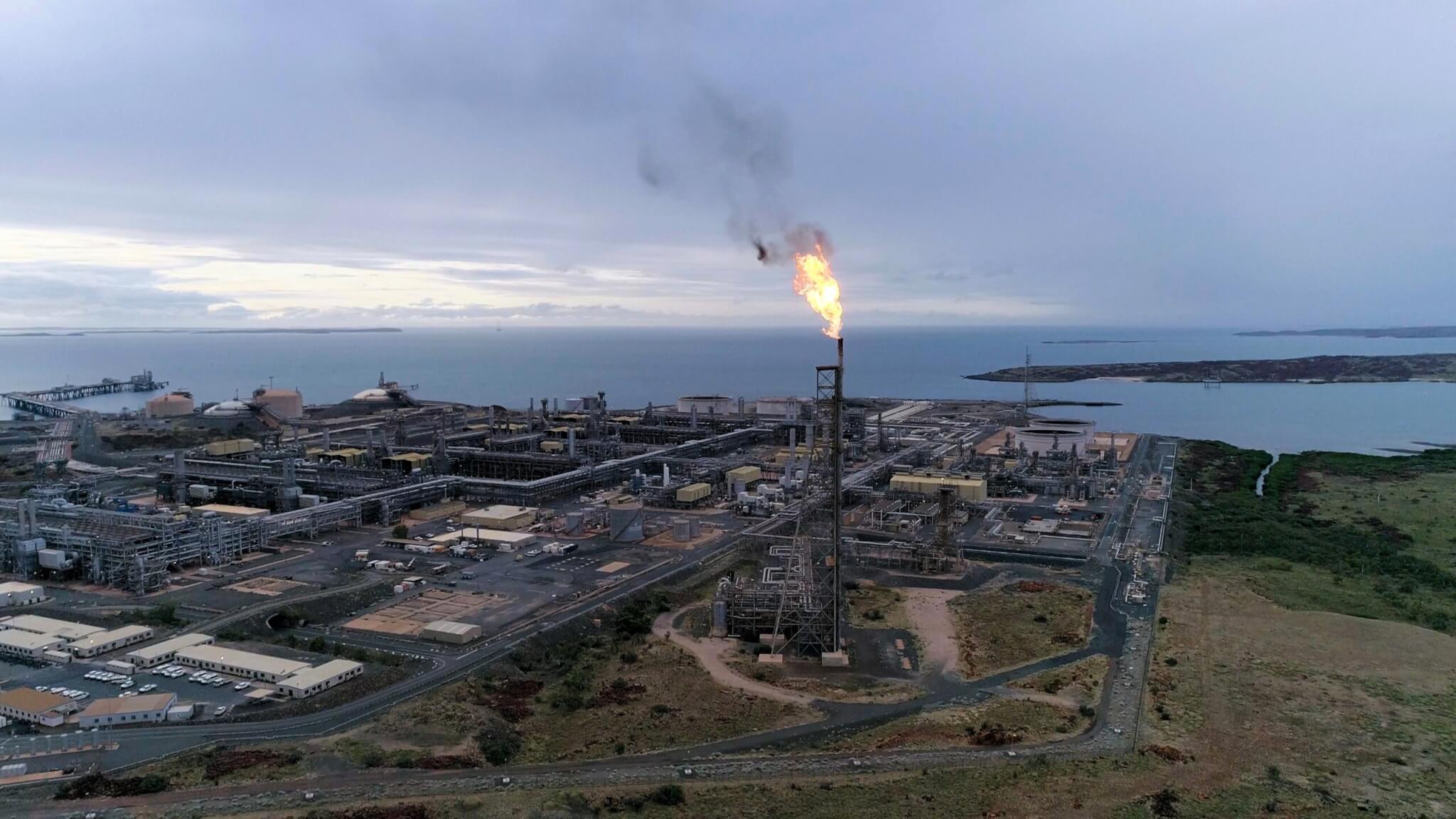
The North West Shelf Extension (NWSx) is Woodside’s proposal to continue operating Australia's largest and longest operating liquefied natural gas (LNG) project until 2070. The project is located near Murujuga National Park, in the Dampier Archipelago National Heritage Place, home to the world’s oldest and largest collection of First Nations rock art.
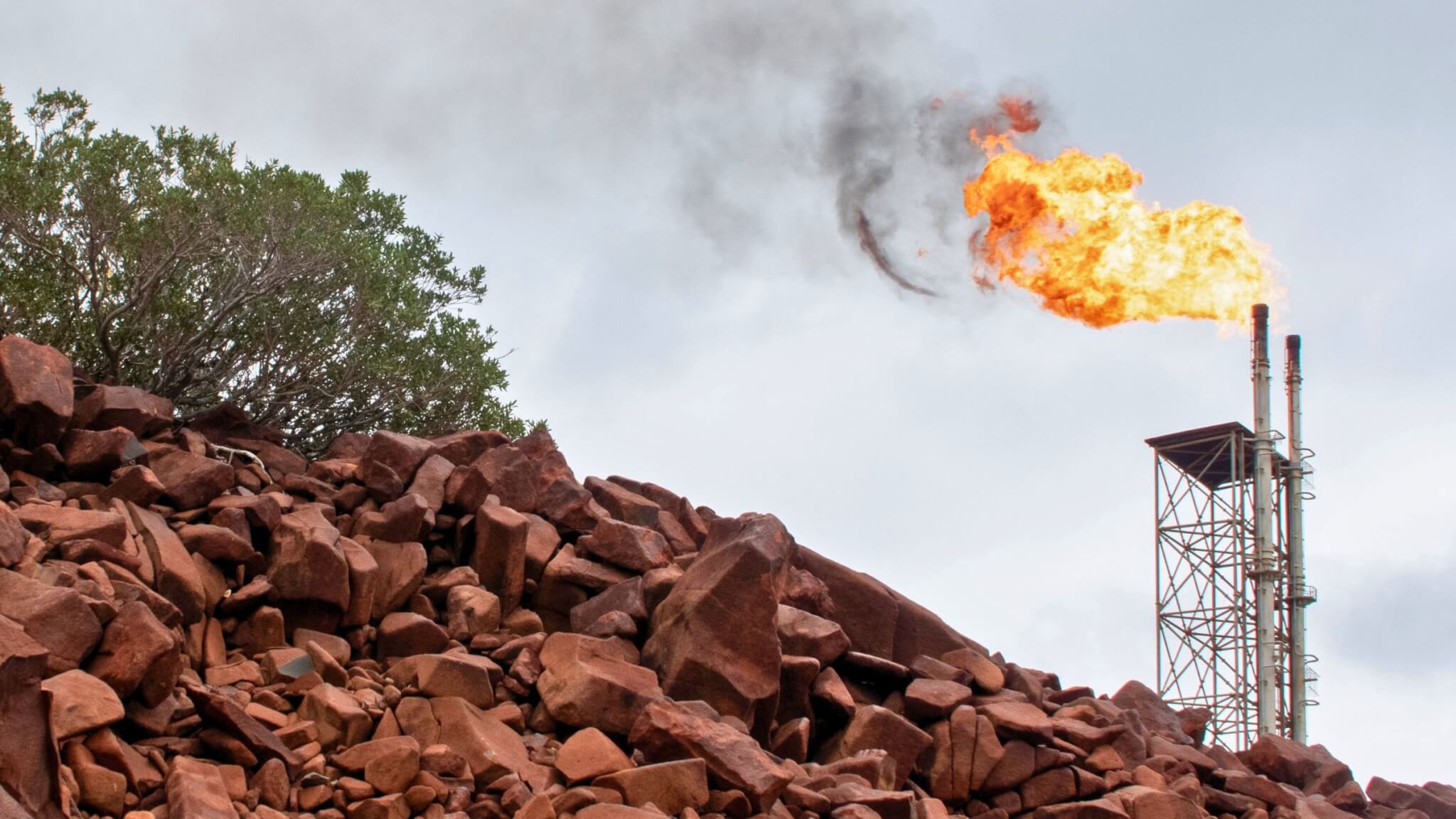
If the NWSx Project goes ahead, it will result in around four billion tonnes of greenhouse gas emissions over its lifetime.
The Australian Conservation Foundation (ACF) is Australia's national environmental organisation. For more than 50 years, ACF has worked to protect nature, tackle climate change and advocate for stronger environmental laws.
ACF argues that the Minister made legal errors when approving the project and that the approval decision should be set aside.
The ACF proceedings were heard alongside a separate challenge brought by Friends of Australian Rock Art (FARA), represented by Johnson Legal. While both proceedings challenge the same approval decision, they rely on different legal arguments.
The proceedings captured significant national and global attention because of the important legal questions they raise about how Australia's national environment law applies to major fossil fuel projects.
The Federal Court decided to livestream the proceedings, and published materials from the proceedings via the publicly available online file.
What happened in court?
The hearing began on Tuesday, 21 July, before Justice Button at the Federal Court in Melbourne.
The day began with ACF’s barrister, Mr Angus Scott KC, outlining the statutory framework and the factual background of the proceedings. Mr Scott outlined the balancing exercise which the Minister must conduct under the EPBC Act to ensure projects that are likely to have a significant impact upon certain protected matters, including national heritage places like Murujuga, are properly assessed.
ACF’s arguments were as follows:
- Economic benefits from another project: In engaging in that balancing exercise, the Minister impermissibly took into account economic benefits that would result from a different project which hadn’t yet been approved, namely Woodside’s Browse Project. In considering such benefits, the Minister was in danger of prejudging the outcome of that separate decision. To answer this question, the court will need to grapple with whether or not the Minister is allowed to consider economic benefits from other as yet undecided projects.
- Uncertainties of third-party gas: Uncertainty regarding the composition of the third-party gas that would be processed at the facility left the Minister unable to properly assess the impacts of the NWSx project on the national heritage values at Murujuga.
- Climate impacts: The Minister erred when he refused to take into account the climate impacts of the significant greenhouse gas emissions from the project. The court will need to grapple with whether the climate impacts of the project on protected matters can properly be considered ‘impacts’ within the meaning of s 527E of the EPBC Act.
- Apprehended bias: The timing of the Minister’s decisions, and the nature and extent of the consultation between Woodside, the Department, and the Minister while the conditions of the approval were finalised, gave rise to a reasonable apprehension that the Minister may not have brought a sufficiently impartial mind to the decision to approve the NWSx project.
FARA’s barristers spoke on Tuesday and Wednesday, setting out FARA’s arguments as to why the approval decision should be set aside.
Counsel for the First Respondents (the Environment Minister) and the Second Respondent (Woodside) spoke on Thursday and Friday, respectively.
They emphasised the wide discretion allowed to the Minister during the impact assessment project, and rejected interpretations of the statute that they said unduly restrained the Minister’s considerations. They refuted ACF’s suggestions that the indeterminacy of the third-party gas meant that the Minister could not properly assess the impacts of the project: such uncertainties were adequately addressed by the conditions attached to the approval decision. Counsel for the respondents argued that the Minister was under no obligation to consider the climate impacts of the proposal, and resoundingly rejected the assertion that the Minister’s conduct gave rise to any reasonable apprehension of bias in his decision-making.
You can read a more detailed summary of each day of the hearing here:
What next?
Justice Button’s judgment has been reserved, and will be delivered at a later date.
We will continue to provide updates as the case progresses.
Read more about our work
Webinar: Hard Truths case launch
Hear from the Australians behind a historic climate case

Legal intervention to Woodside’s Browse gas project
Environmental Justice Australia represents ACF in legal action over Woodside’s Browse gas project, arguing new climate science linking emissions to Great Barrier Reef coral loss must be considered.
The Narrabri Pipeline court case
In northwestern New South Wales, a new gas pipeline at Narrabri could threaten the water that farming communities rely on. That’s why the Mullaley Gas & Pipeline Accord are challenging the pipeline in the court.