Faces of Environmental Justice Australia
Meet Zoe
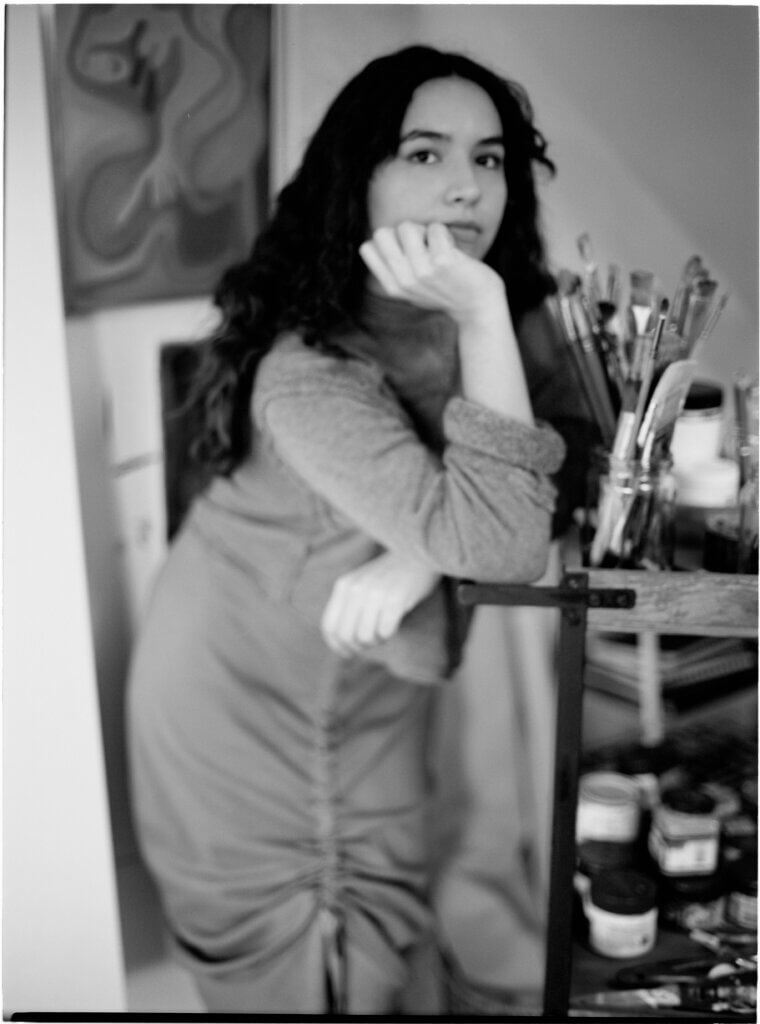
Zoe DeJesus is EJA’s office assistant, but that title only tells part of her story.
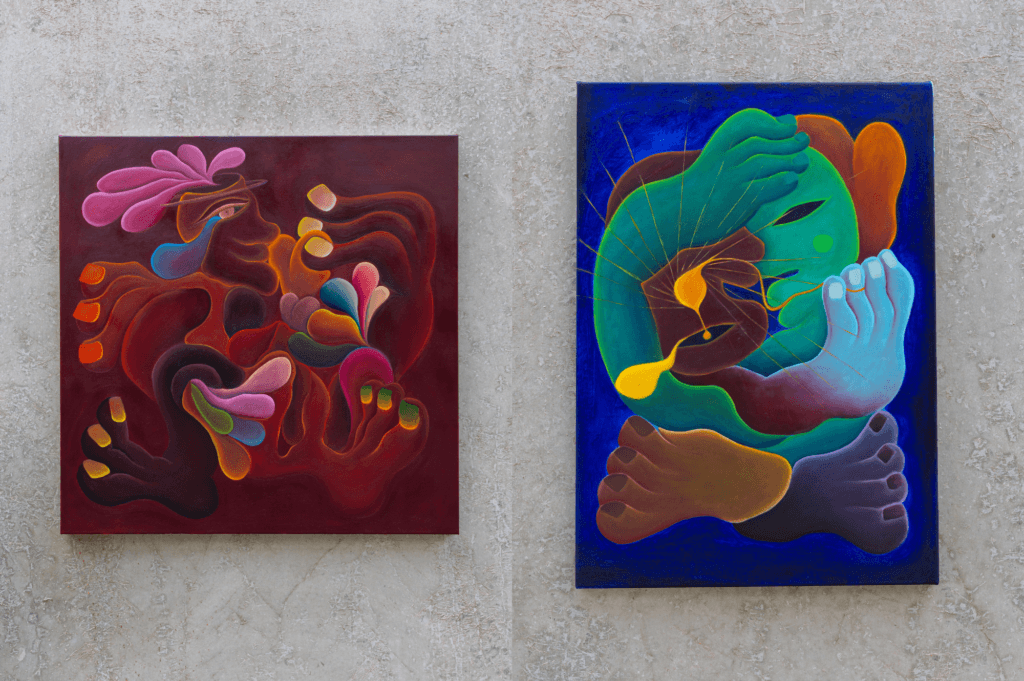
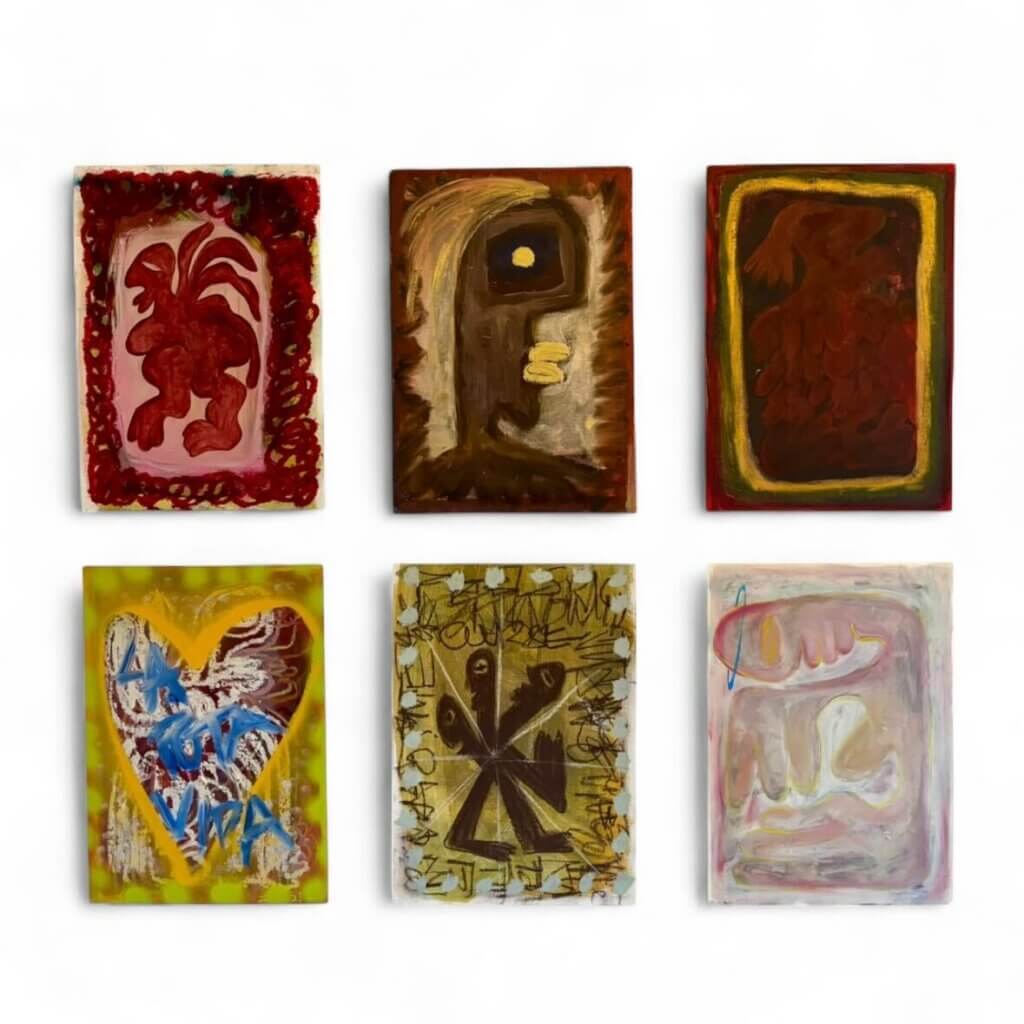
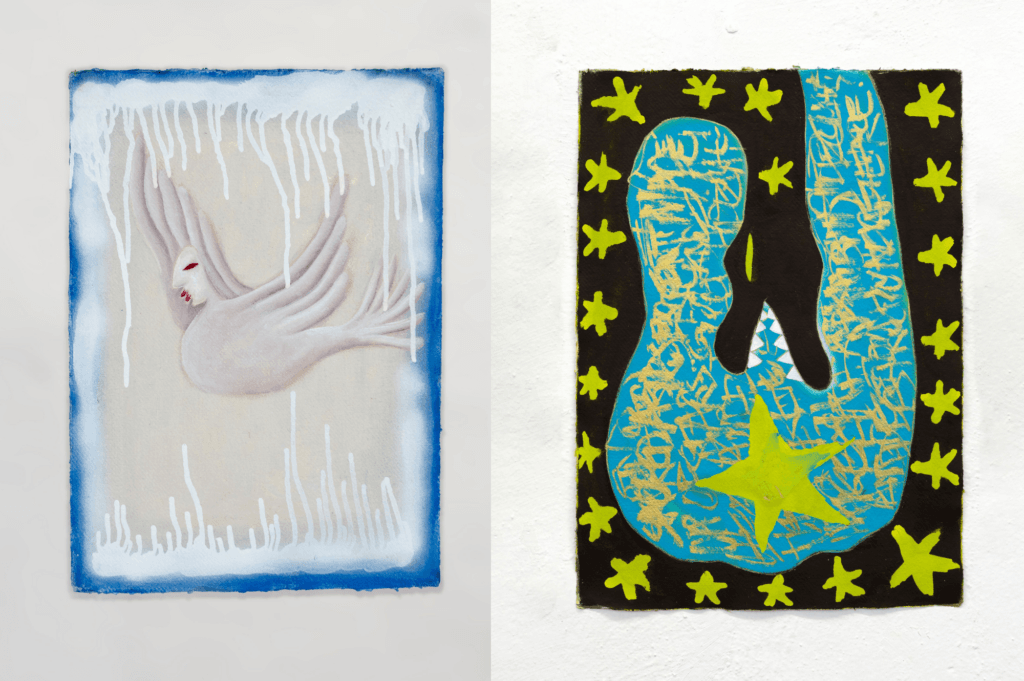
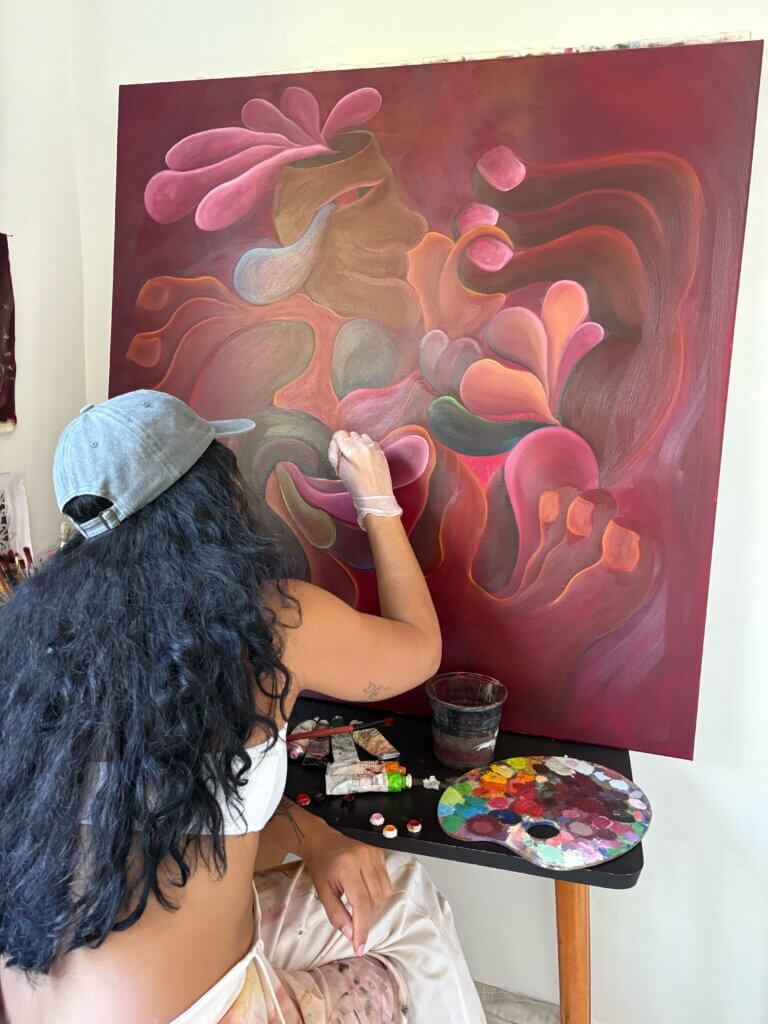
She’s also an artist whose work explores identity, spirituality and cultural connection. Drawing on her Puerto Rican heritage, her practice asks questions about where we come from, whose knowledge is valued, and how we stay connected to it.
Those same questions sit at the heart of environmental justice.
“It’s about exploring those parts of myself,” she says. “In recent years, it’s become more of a spiritual practice… like having a conversation with my ancestors.”
At EJA, that perspective carries into her work behind the scenes, being part of a team focused on protecting land, water and communities, and helping create the conditions for that work to happen.
Making the work possible
At EJA, Zoe helps hold the organisation together day to day.
Her role spans everything from organising travel to keeping the office running smoothly and responding to whatever the team needs in the moment. No two days look the same.
“I like to think of my job as a bit of a vibe setter” she says. “Being someone who’s friendly and available if anyone needs anything… especially when people are doing really stressful and emotionally draining work.”
Keeping a cohort of environmental lawyers going takes a surprising mix of logistics, patience and a well-timed snack. It is work that often happens behind the scenes, but it plays a critical role in enabling everything else.
“If people don’t have to worry about those little admin tasks, their focus can be directed elsewhere, where they’re really needed.”
Environmental justice through a different lens
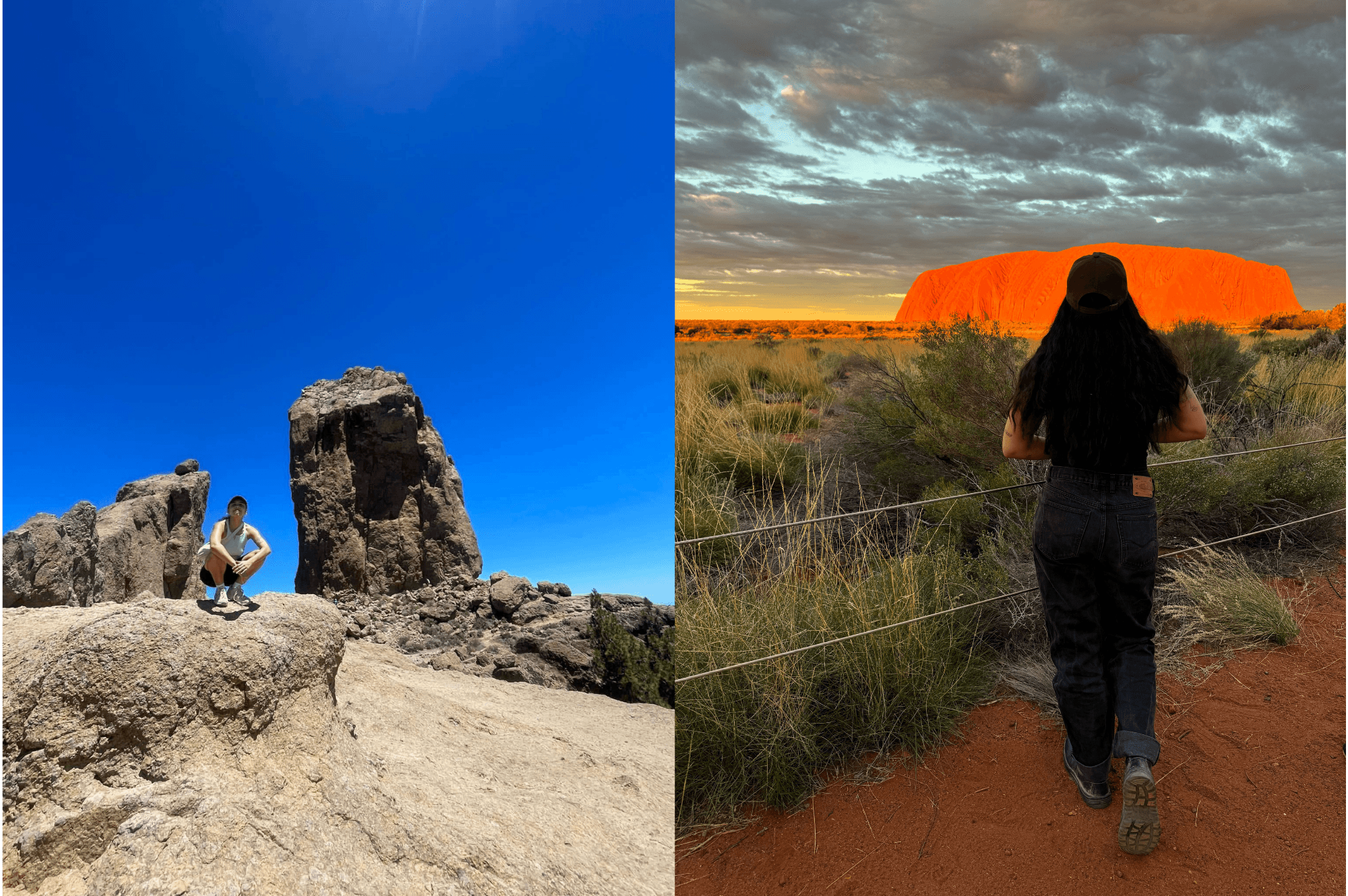
Zoe brings a perspective shaped by living between cultures and working across creative and organisational spaces.
Growing up in the United States, where the term “environmental justice” was first widely used, she’s seen how uneven access to information and education can shape who gets involved in the movement, and who gets left out.
“I feel like there’s definitely an environmental consciousness here that’s a little bit more alive and well than maybe the average person in America,” she reflects.
Her experience has led her to think about environmental justice not just as a legal or policy issue, but as a question of representation and access.
“I really want to see more people of colour in the movement… more of those perspectives and voices,”.
Zoe Dejesus
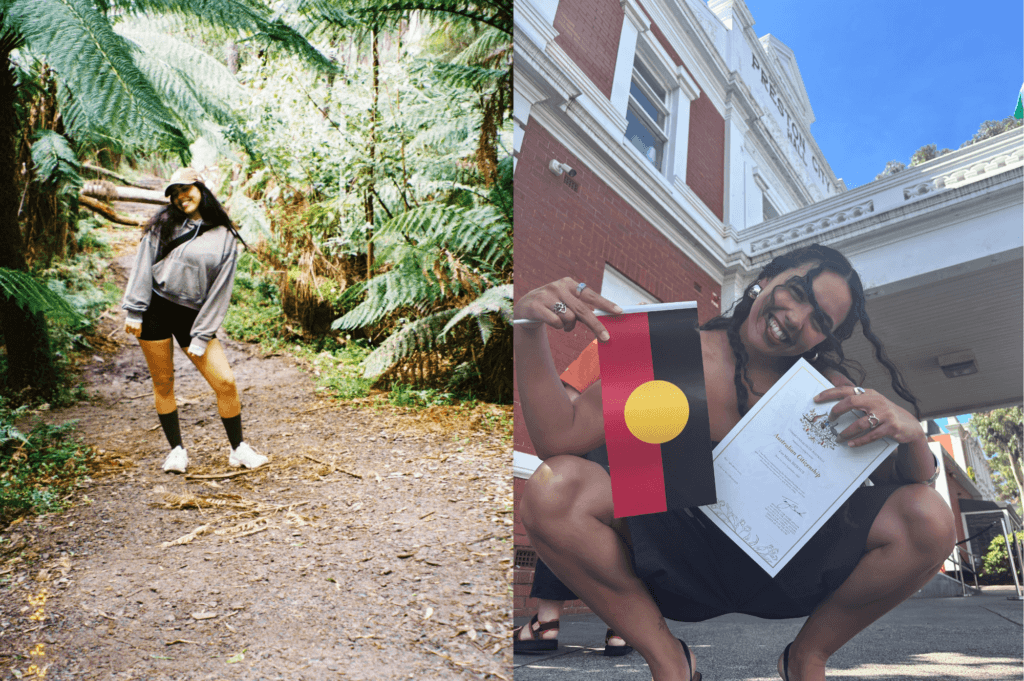
That thinking is deeply connected to her art practice.
Drawing on her Puerto Rican heritage, Zoe’s work explores what it means to exist across cultures shaped by colonial histories, where knowledge can feel fragmented or lost. Her paintings become a way of working through those questions and reconnecting with identity in a way that isn’t always possible through books or formal education.
“I can’t really go and read a book about where I come from… you just hit a roadblock...A lot of that knowledge exists in people.”
For Zoe, environmental justice is inseparable from those deeper questions of culture, identity and connection to land. It’s about who is seen, who is heard, and whose relationship to place is recognised.
That lens shapes how she understands EJA’s work, and why it matters.
What’s it like being an artist in a room full of lawyers?
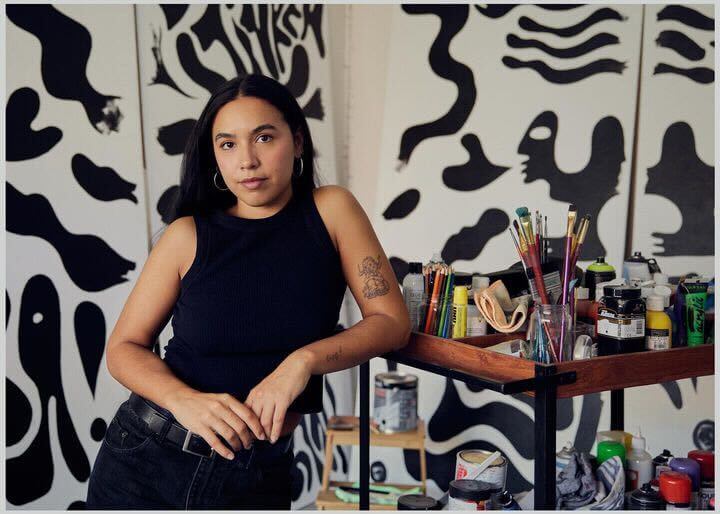
Zoe describes walking into an office full of lawyers for the first time as “a little intimidating”.
“I hadn’t been in an office in years, let alone an intellectual space like that,” she says.
That feeling didn’t last long.
Over time, what stood out was the shared sense of purpose. Being surrounded by people working on complex legal challenges has become a source of inspiration.
“I want to be around really intelligent people who are doing great things,” she says. “I love when I get to hear the random little tidbits of what’s going on… it’s so inspiring.” .
That respect goes both ways. Zoe brings a different way of seeing the world into the space, shaped by her art and lived experience.
“I feel really lucky. The people at EJA are just so lovely and accepting. I feel like I can be myself at work.”
“Everyone is so supportive of the difference that I bring.”
Moments that stay with you
Some of the most powerful moments come from seeing the impact of the work up close.
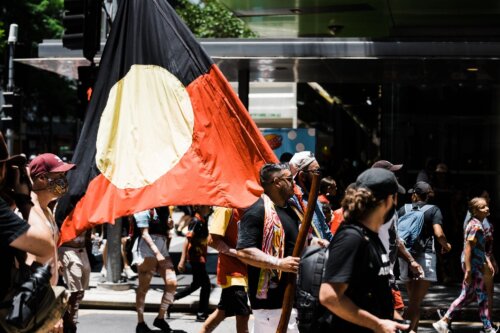
Zoe recalls hearing from a First Nations speaker about work on the Tiwi Islands, including efforts to create a court on Country.
“It was just incredible… I’ve told so many people about it,” she says. “Those are the moments where I feel really proud to be in the presence of people doing that kind of work.”
What keeps her going
For Zoe, staying grounded is essential, especially when the world feels heavy.
Right now, that looks like slowing down and reconnecting.
“Deepening your connection to yourself is really important... if you’re looking after yourself, you can look after the things around you.”
Read more about our game-changing work


Make a difference
The challenges we face are vast. The time to push for large-scale system change is now.