Legal explainer
The risk of new logging loopholes
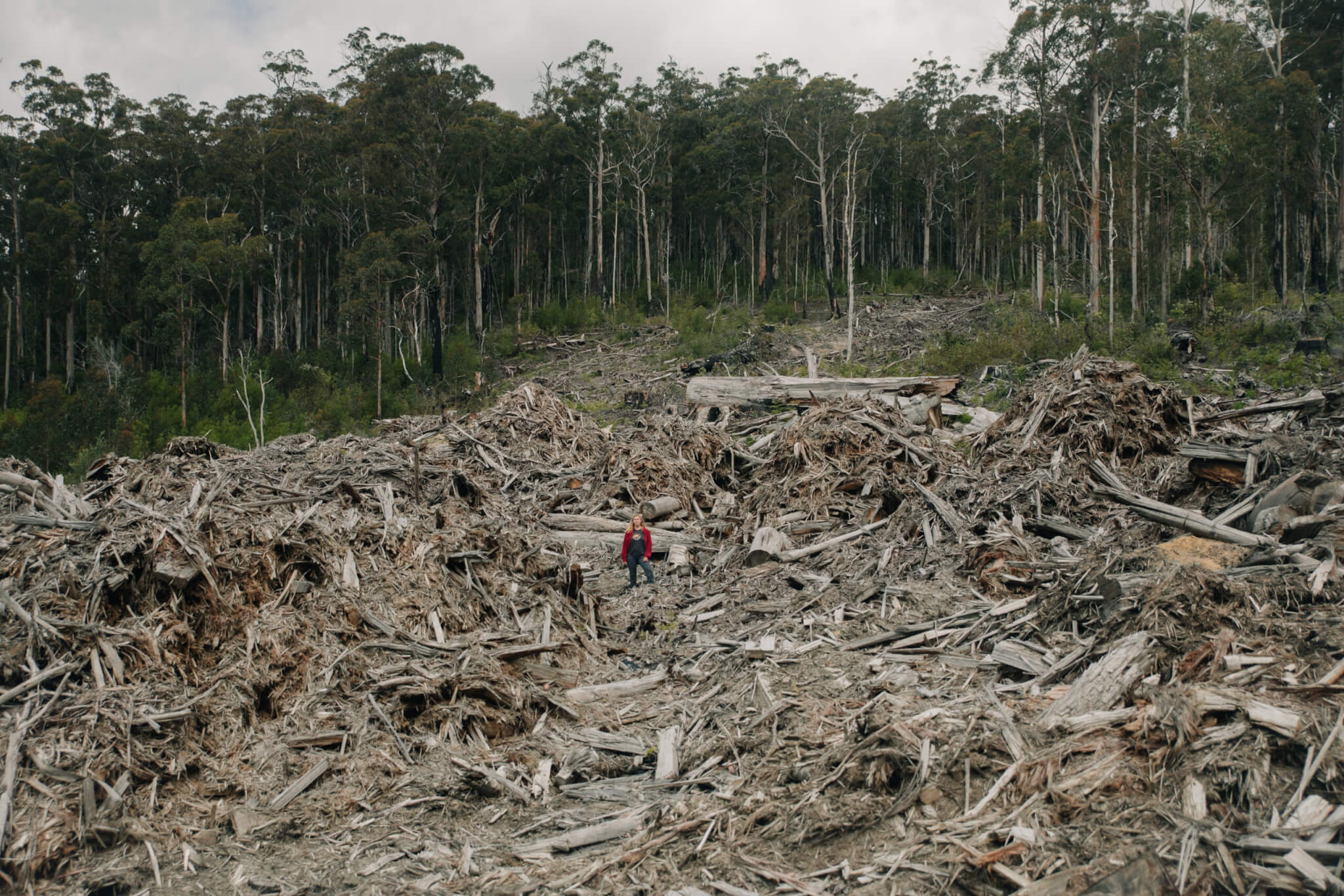
After decades of special treatment for native forest logging, a major loophole in Australia’s national environment law is finally closing.
But what comes next will determine whether forests and threatened wildlife actually get stronger protection.
After years of campaigning, legal accountability and public concern, the federal government has passed reforms that will bring the "Regional Forest Agreement" (RFA) exemption under Australia's national environment law to an end.
From 1 July 2027, logging operations covered by Regional Forest Agreements – or RFAs – will no longer be exempt from key parts of Australia’s national environment law.
That’s a significant change.
It means native forest logging could finally face federal assessment and approval where it is likely to significantly impact nationally protected wildlife, habitat or ecosystems.
But there’s a catch.
Right now, governments are considering new regulatory pathways for native forest logging, including bilateral agreements between the Commonwealth and states under which federal powers would be devolved to the states.
Depending on how these arrangements are designed and implemented, logging could continue for decades to come without Commonwealth oversight of the impacts of logging activities.
If these new arrangements fail to fix the failings and weaknesses of the current system, we could end up with the RFA loophole gone in name, but much of its effect continuing in practice – effectively locking in business-as-usual.
This is the risk some communities and conservation groups are calling “RFA 2.0”.
What are "Regional Forest Agreements"?
Regional Forest Agreements have governed how native forests are logged in parts of Australia for decades – specifically, in New South Wales, Tasmania, Victoria (until 2025) and Western Australia.
When the Howard Government introduced the Environment Protection and Biodiversity Conservation Act (EPBC Act) in the late 1990s, it carved out a special deal for the logging industry.
Section 38 of the EPBC Act says that “forestry operations” do not need assessment or approval under national environment laws if they’re covered by a RFA.
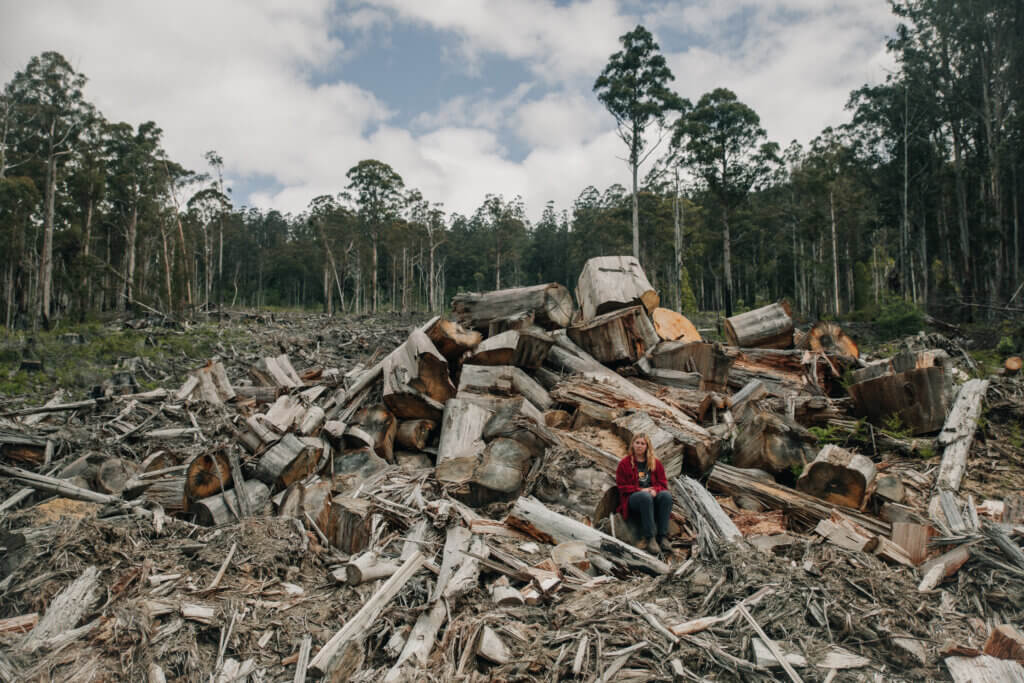
In practice, this has meant logging covered by the exemption has avoided federal assessment and approval requirements under the EPBC Act – including where nationally protected threatened species and ecological communities were impacted.
RFAs cover native forests on public and private land, as well as plantations, and still operate in NSW, Tasmania and Western Australia.
So what changes in 2027?
From 1 July 2027, forestry operations covered by RFAs and in RFA regions will no longer be able to rely on that exemption to avoid federal environment assessment and regulation.
Without another pathway in place, logging that is likely to significantly impact nationally protected matters – such as threatened species or ecological communities – will likely need federal assessment and approval.
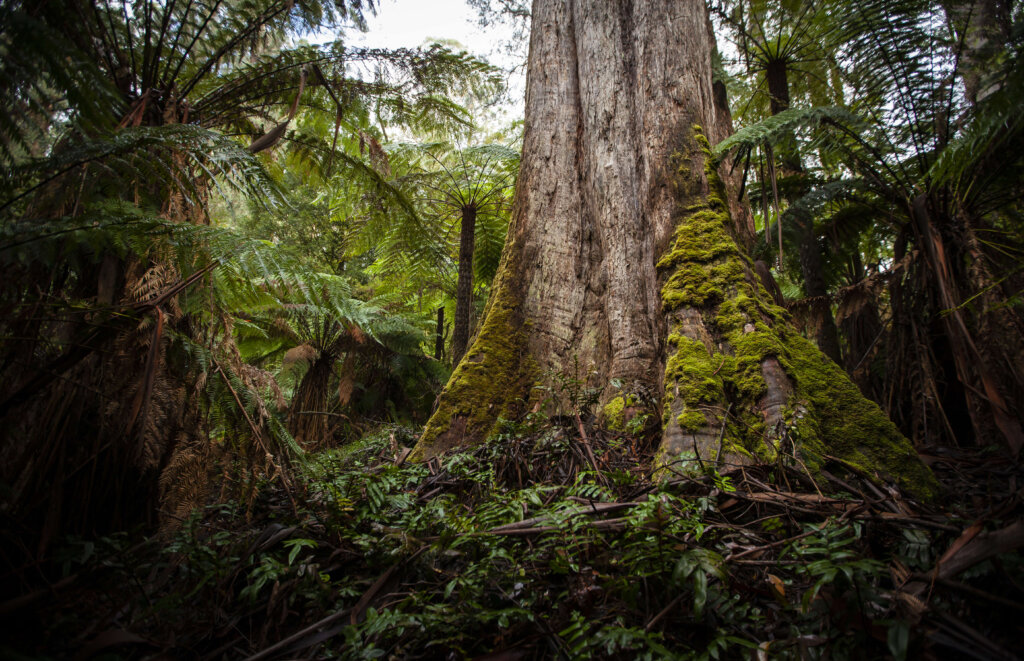
That could be a major step forward for forests and wildlife.
On paper, this is great news: native forest logging finally faces meaningful federal scrutiny and control, bringing it into line with other industries.
But ending the exemption doesn’t automatically guarantee stronger protection. What governments put in its place after 1 July 2027 matters just as much.
The risk of RFA 2.0
Governments are currently considering what rules will apply to logging after the RFA exemption ends.
One option is to assess logging on a coupe-by-coupe basis under national environment law.
But there are other, more-likely options.
The EPBC Act allows governments to make broader arrangements that determine how classes of actions, plans or programs are assessed and approved on a landscape-scale. These include bilateral assessment or approval agreements with states, strategic assessments and bioregional plans.
Depending on how they are designed, these pathways could allow logging to continue without individual forestry operations undergoing or requiring Commonwealth assessment and approval.
This risks locking in key weaknesses of the RFA system for decades to come – including reliance on state approval and management, under schemes riddled with conflicts of interest and little transparency, with no real or effective federal scrutiny, and inadequate protection for matters of national environmental significance.
This could happen if:
- a state forestry system is accredited under a bilateral agreement,
- if a strategic assessment is undertaken without proper interrogation of likely impacts, monitoring or enforceable conditions.
- under a bioregional plan if development zones, exemptions or conditions are designed in ways that allow the status quo (widespread logging destruction) to continue.
There are also serious questions about how offsets will be used. Forests are complex, living ecosystems. If logging destroys critical habitat, governments should not treat an offset as a substitute for protecting the forest in the first place.
The test for any new system should be simple: does it actually protect forests and threatened species?
If the answer is no, then environment law reform will replace one system that has failed to protect forests and threatened wildlife with another.
That is the risk concerned communities are calling “RFA 2.0”.
What could replace RFAs?
The federal government is already negotiating new landscape-scale logging approval pathways with RFA states – Tasmania, New South Wales and Western Australia.
The detail will be crucial.

So what’s on the table?
There are three possible regulatory pathways governments could pursue after the RFA exemption ends to assess and approve logging under the EPBC Act at landscape-scale:
- Federal accreditation of state forestry laws and frameworks
- Strategic assessments
- Bioregional plans
1. Federal accreditation of state assessment and approvals laws under a bilateral agreement
A bilateral agreement is an agreement between the federal government and a state or territory government.
These agreements can allow state processes to be used for environmental assessment (“assessment bilateral agreements”). Some can also allow states to accredit a state’s management framework and approve projects that would otherwise need Commonwealth approval under national environment law (“approval bilateral agreements”).
The reforms to the EPBC Act provide criteria the Environment Minister must be satisfied of before entering into an approval bilateral agreement. These include (amongst other things):
- The class of actions will not have an "unacceptable impact" on protected matters.
- There has been or will be adequate assessment of the impacts that actions or classes of actions approved in accordance with the framework have, will have, or are likely to have, on each protected matter.
- The framework is consistent with national environmental standards prescribed by the regulations.
- There is “appropriate disclosure” of greenhouse gas (Scope 1 and 2) emissions for the class of actions.
- There is no inconsistency Australia’s obligations under certain international agreements, recovery plans or protection statements.
The Minister is also required to seek advice from the CEO of the newly-created National Environment Protection Agency (NEPA).
However, how this works in practice depends on a range of factors, including how “unacceptable impact” is assessed, whether recovery plans exist or are up to date, and whether Standards give decision makers clear rules they must follow, or just vague principles to consider.
For forests, that matters.
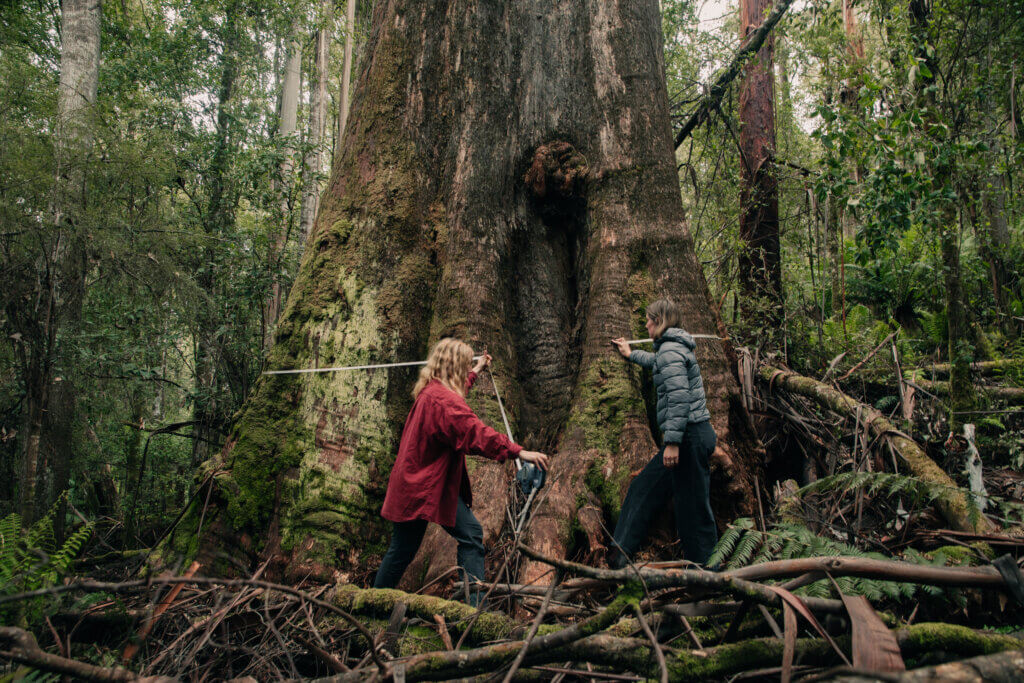
Instead of the Commonwealth assessing risks to matters of national environmental significance (like threatened species) and having the final say as to whether logging goes ahead, those powers could be devolved to the states.
Whether that leads to stronger or weaker protection will depend on the actual agreement and the function of state laws: what environmental safeguards they contain, what the state must do, what role the Commonwealth retains, and what happens if the system doesn’t work as intended.
The reforms create a requirement for assessment bilateral agreements to be entered into prior to approval bilateral agreements – except when it comes to RFA activities.
The risk is clear: if approval powers shift back to the same state systems that have failed forests, there may be little practical improvement. This is especially the case when the current draft MNES Standard is weak (it only includes vague "principles" to guide decision makers, rather than outcomes-based, enforceable "objectives" that set clear and measurable goals for protecting nature).
2. Strategic assessments
Strategic assessments look at the impacts of a whole policy, plan or program, rather than assessing individual logging operations one by one.
That can have benefits. If designed well, looking across an entire landscape can help governments understand cumulative impacts – the combined damage caused by many activities over time and across landscapes. It could involve more opportunities for public input and use the best available science.
But if designed poorly, a strategic assessment could potentially clear the way for environmentally damaging activities across a large area, and lock in broad approvals for decades, without enough detail, monitoring or enforcement. If the underlying rules, evidence, monitoring or safeguards are weak, logging may receive much less scrutiny later.
3. Bioregional plans
Bioregional plans look at environmental protection and development across a large region.
They can identify areas for conservation, restoration or development and set rules for what can happen in different places.
Some plans may provide guidance only, while others could create development zones or conservation zones and restoration measures.
Again, the detail matters: which forests are protected, where logging can occur, how the zones are drawn, what actions are allowed, what conditions apply and whether those rules can actually be enforced.
What's happening in each state?
How do bilateral agreement negotiations take place?
The exact process depends on the type of agreement, but there are several important stages.
The current RFA exemption is due to end on 1 July 2027. After that, native forest logging could continue on a project-by-project basis where any proposal may require federal assessment and approval, unless another process is put in place.
The federal government is currently negotiating with states and territories on new forestry laws and policy settings, intended to address the regulatory gap left by the end of the RFA exemption. $28 million from the 2026 Federal Budget has been put aside for the Department to work with RFA states to develop these new pathways.
These negotiations are moving quickly, and the Commonwealth appears to intend for new arrangements to be in place before the RFA exemption ends.
So far, the Commonwealth has indicated that it is working with Tasmania and WA to enter into new bilateral agreements which will accredit state forestry approvals. NSW will likely follow suit, but it is still undecided.
What's the likely process?
What should communities be looking out for?
When draft agreements and other logging arrangements are released, the big question will be simple: Will they actually deliver stronger protection for forests and threatened wildlife?
Some of the things we’ll be looking closely at include:
- Will environmental impacts be properly assessed?
- Will the federal government retain a strong oversight and regulatory role?
- Will decisions use the best available science?
- Will communities have a real say?
- Will Traditional Owners be properly consulted?
- Will there be opportunities for Traditional Owners partnership?
- And will the rules be enforceable?
- What happens if a state system fails to meet federal requirements?
These details will determine whether ending the RFA exemption delivers a genuine change for forests – or whether a new system recreates many of the same problems for decades to come.
What happens next?
The clock is now ticking towards 1 July 2027.
Over the coming months, we expect to learn much more about the arrangements governments are considering and what they would mean for forests and threatened wildlife.
Draft bilateral agreements will also go through public consultation, giving people an opportunity to examine what is proposed and have their say.
EJA will be looking closely at the legal detail as it emerges – including whether any proposed arrangements meet the requirements of Australia’s national environment law and deliver meaningful protection for forests and threatened species.
Ending the RFA exemption is an important step for nature across Australia. What replaces it will determine how much changes on the ground.