Final day in court
Lock the Gate’s Beetaloo fracking case
This is the first legal challenge to fracking under the water trigger in Australia’s national environment laws.
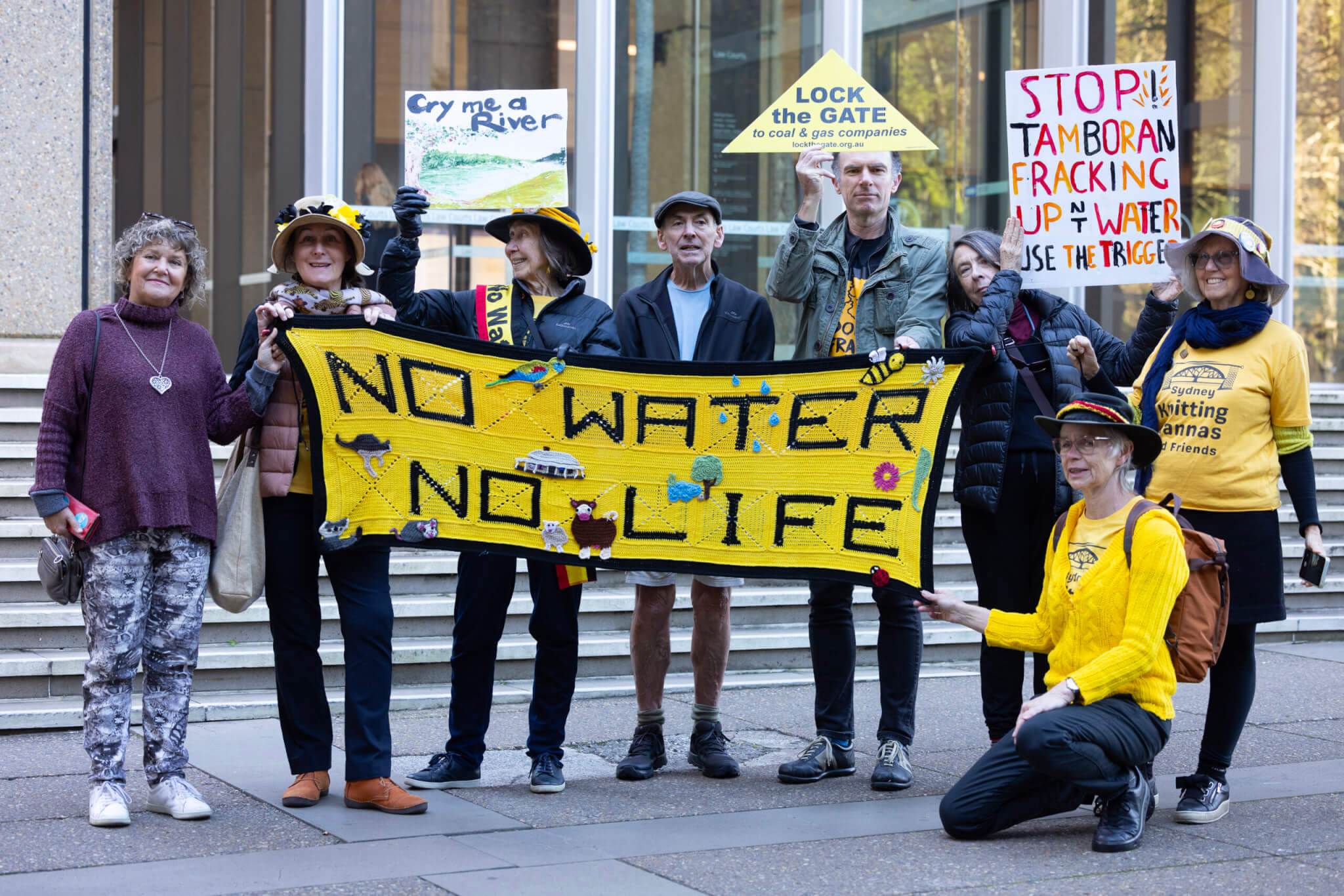
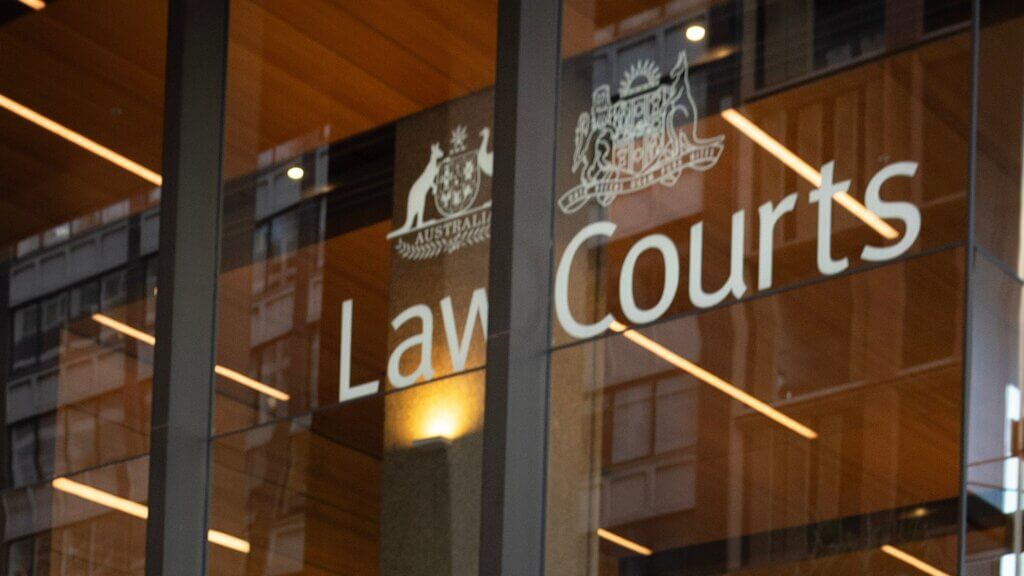
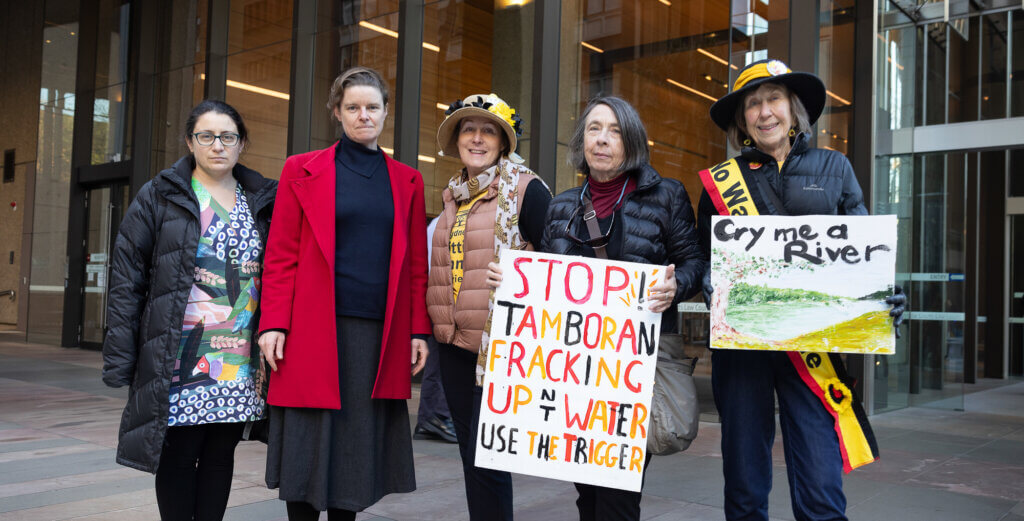
Our client Lock the Gate is in the Federal Court to protect groundwater from fracking in the Beetaloo Basin, near the Daly River in the Northern Territory.
What went down?
In closing submissions, everything heard so far (across four days of hearings in June) was brought together with key final arguments.
On this fifth and final day of hearing, the parties each made submissions on:
- The scope of the project that the Court should be assessing for its impact on water
- The likelihood that the unconventional gas wells of the project will fail
- Whether a well integrity failure would result in a significant impact on groundwater.
Why is Lock the Gate in court?
The community group is concerned Tamboran B2's plans to frack 15 gas wells at the Shenandoah South Exploration and Appraisal project is likely to contaminate groundwater.
Australia's national environment laws require fracking projects with a likely significant impact on water resources to be referred for federal assessment – a requirement known as the ‘water trigger’.

“We are pursuing this case because we believe Tamboran’s fracking project is likely to contaminate precious groundwater in the Northern Territory and we want Australia’s national environmental law applied...
Protection of water resources is of the utmost importance.”
— Lock the Gate Alliance head of research and investigation Georgina Woods.
However, Tamboran has not referred its project to the federal Environment Minister, and the Minister has not “called in” the project for assessment under the water trigger.
Meanwhile, Tamboran has already begun early work on the project.
What’s at stake?
Fracking involves injecting a mixture of water, chemicals and sand into deep shale layers at high pressure to extract gas.
In order to reach the deep shale gas targeted by the Shenandoah project, Tamboran will drill through the important Cambrian Limestone Aquifer system which supplies water to pastoral stations and feeds surface water to creeks and rivers, including the headwaters of the Roper River and Mataranka Springs.
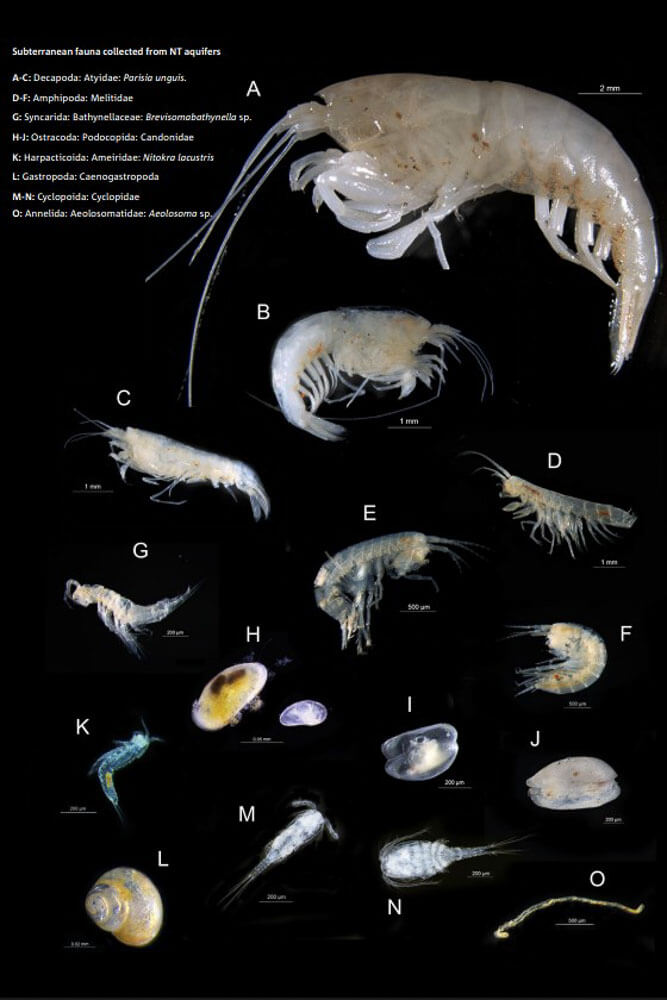
Stygofauna and microbial assemblages of the Beetaloo Sub-basin, image: GISERA.
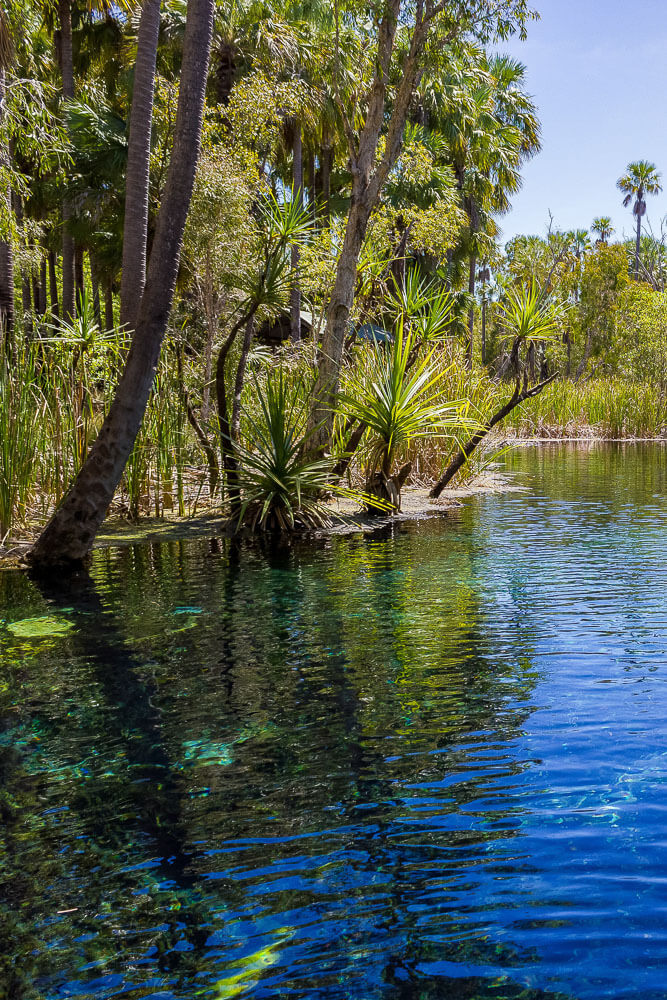
Mataranka’s Bitter Springs, NT, photo: Martin Helgemeir.
Evidence filed by Lock the Gate in this case indicates that beneath this aquifer lives a hidden world of stygofauna: tiny, often eyeless aquatic creatures that spend their entire lives underground. These rare species are nature’s quiet waterkeepers: breaking down organic matter, cycling nutrients, and helping keep groundwater clean. Many found here exist nowhere else on Earth – lose their habitat, and they’re gone forever.
Tamboran B2 plans to drill and frack up to 15 horizontal exploration and appraisal wells at four locations, using up to 72 million litres of water and 580,000 litres of chemicals for each fracked well – and then store up to 34 million litres of wastewater nearby.
So... what now?
Lock the Gate Alliance is seeking an injunction from the Federal Court to prevent the Shenandoah project going ahead without the federal government assessing the impacts of the project on water under national environment laws.
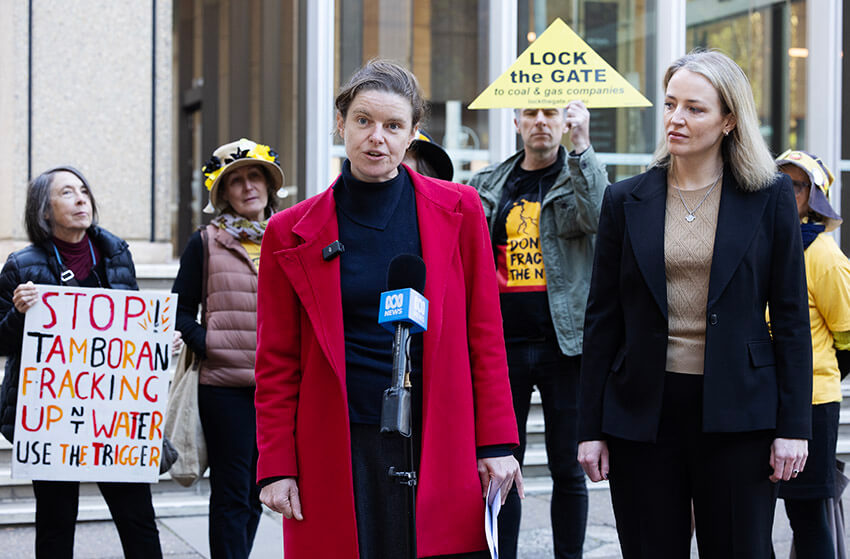
“When the federal government extended the 'water trigger' in our national environment laws to apply to all forms of unconventional gas, the community hoped it would ensure fracking projects would be properly scrutinised.
This case is the first challenge under the extended water trigger. Our client hopes bringing this case will ensure that Tamboran B2’s project is rigorously assessed for its impact on essential water resources.”
— Environmental Justice Australia senior specialist lawyer Retta Berryman.

The Federal Court has reserved judgment in this case, which means the judge will deliver a decision at a later date (likely in the next few months).